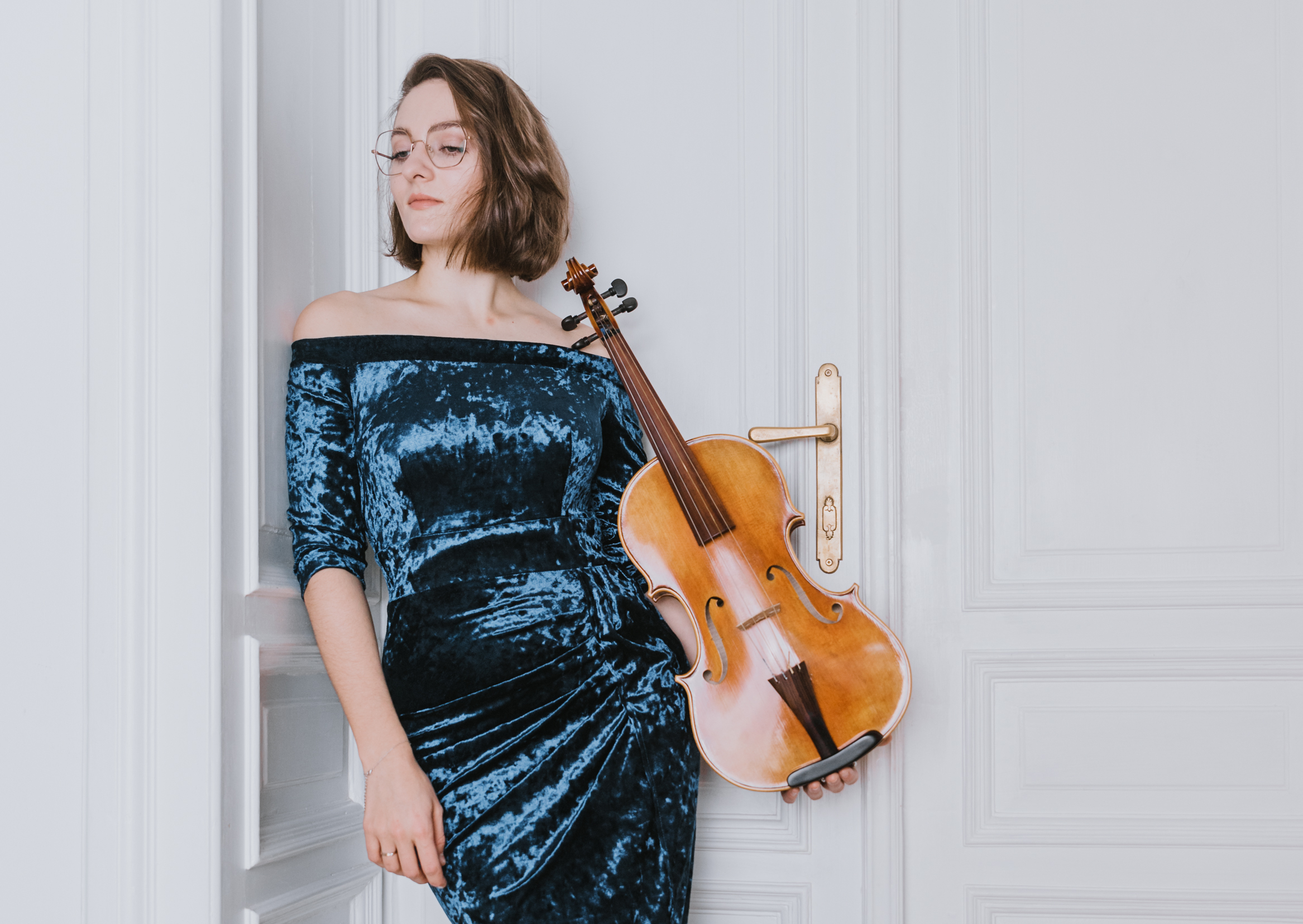
Meet Theresia: Anna Krzyżak

By Emilia Campagna - January 27, 2022
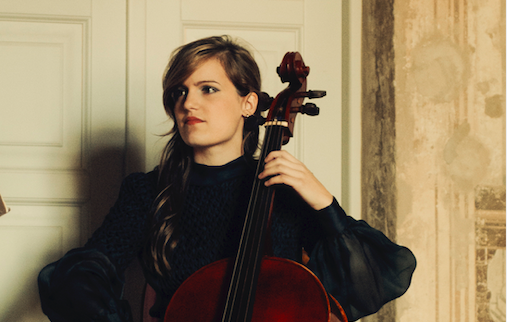
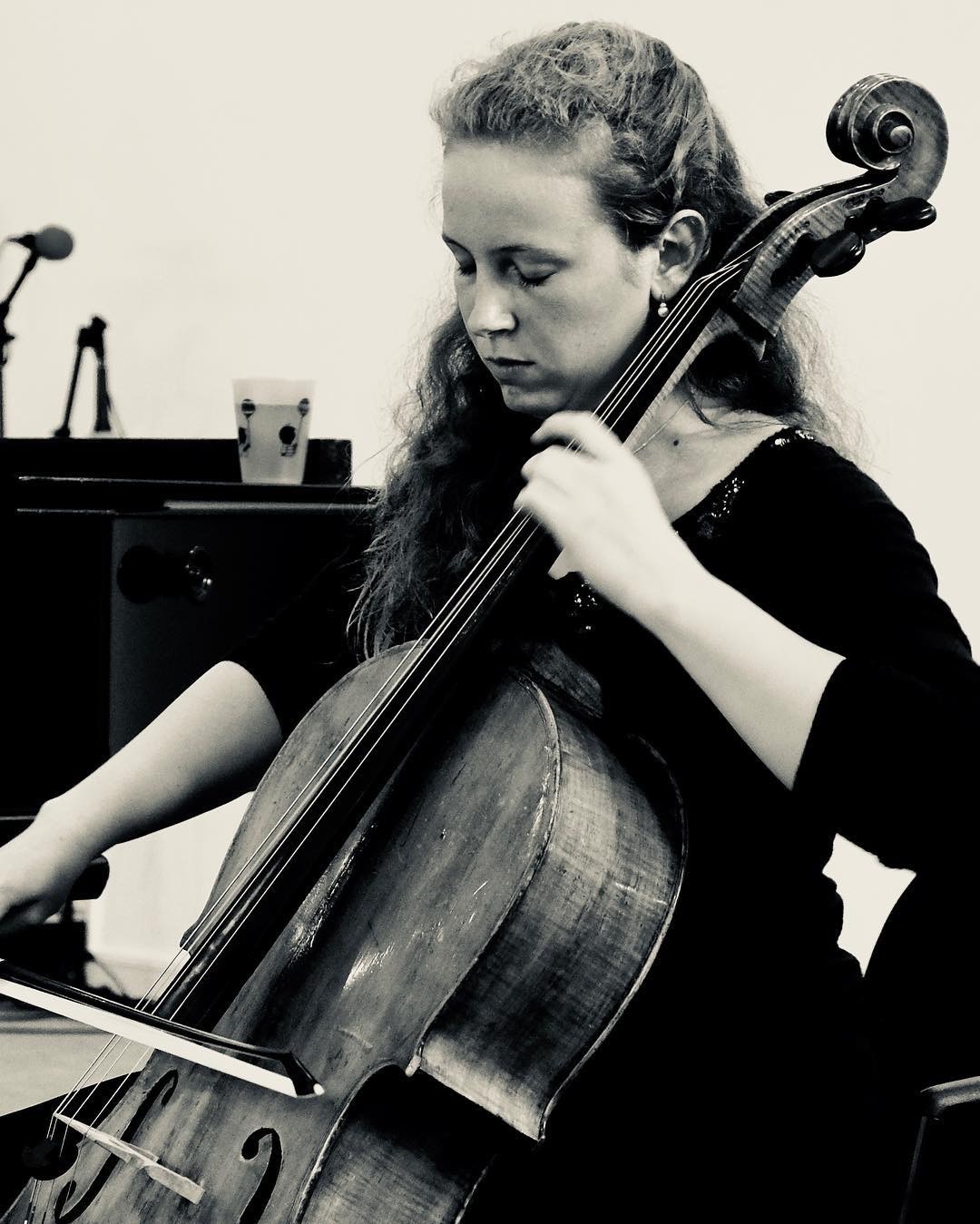
Our series of interview “Meet Theresia” continues with one of our newest members, Polish viola player Anna Krzyżak, who talks about her upbringing, education and love for music.

Let’s meet another new member of Theresia: Anna Krzyżak, viola player from Poland, joined the orchestra after the Salzburg auditions and participated in her first orchestral residency.

Anna, tell us about your musical history: when and how did you start to play the viola?

I started to play the violin when I was 7. My father’s sisters are violinists, so I remember music around me all the time. There is this photo with me and my aunt when I was one year old, taken during Christmastime. In the picture, I am just sitting next to her legs and listening to her playing (no idea what) with my eyes and head directed up. Just a few months before graduation from primary music school, I decided I didn’t want to play any more and I wanted to ski, as I used to take part in some skiing youth contests. And I thought that was it, but no! I took part in a violin competition which my parents recorded. When I listened to myself, I felt like the music was inside me, and I simply couldn’t live without it. It was just a few weeks before the entrance exam to the secondary music school. In the last year of primary music school, I was also a private student of Szymon Krzeszowiec (Silesian String Quartet), and he suggested that I switched to viola. So I went to a viola teacher to see what that was about. It was like a true love’s kiss. He gave me his viola and told me to play whatever I wanted. So I played one of Telemann’s Phantasies for violin solo. I remember I had shivers, and it was unforgettable. Łukasz Syrnicki (also a member of Silesian String Quartet) was my viola teacher for six years, and he’s been my mentor since then.

When and why did you decide to focus on historical performance?

I owe it all to my first viola teacher – Łukasz Syrnicki. Bach’s Cello Suites are obligatory pieces for violists as well, and my teacher always encouraged me to look for something deeper than just notes. I remember that he kept sending me recordings of amazing artists such as Paolo Pandolfo to get inspired. And I did! Initially, I had no idea what to do with that and how to play early music, but I was trying to get closer to what I heard. When I went to Berlin for an Erasmus exchange, I studied with Simone Jandl, who plays in the Orchestra of the Age of Enlightenment. She showed me some basics and that was in 2019. During my studies at the Hanns Eisler Academy of Music, I also had a baroque course with Bernhard Forck and that’s when I decided I wanted to focus on performing early music. I bought my very first baroque bow that year, as well as the viola, which I got a few months later. Then I met stunning musicians in Poland – Martyna Pastuszka, Marcin Świątkiewicz, Aureliusz Goliński and many more who introduced me to the world of historically informed performance. I am so grateful to each of them, they helped me to understand and to perform early music the way I always wanted to. 

How do you balance the fact of playing both modern and period instrument?

It’s tricky, but I’m getting used to it! The biggest difficulty is tuning. When I play the modern instrument one week and the next week the period one, it’s totally fine, as I need one or two days to be comfortable on these violas. But when I have a rehearsal in the morning playing the modern viola and then in the afternoon playing the baroque instrument, that’s crazy. Apart from that, I reckon I became a better modern instrumentalist when I learned how to play the period instrument. The sound production is so much easier on metal strings than the gut strings. Now I can feel the instrument itself, not just the strings. It is very inspiring for me to adjust to two instruments and to see how much I can affect them both with my right and my left hand. I wouldn’t have known if I hadn’t played the period instrument.

How did you know about Theresia, and why did you decide to join it?

I saw one of my friends on tour with an orchestra I had no idea about. It was before I started playing the baroque viola. Since then, I kept an eye on Theresia’s Facebook page and when I saw there was an audition, I thought: why shouldn’t I try? And I am more than happy that I did!

Your first experience was an orchestral project: how was it? Had you already worked with Alfredo Bernardini?

It was my very first time working with Alfredo Bernardini, and I was amazed by his knowledge and attitude. I met new friends during my first residency, with whom I am still in touch. I have to admit that my favourite moment of that project was the chamber music jam session. Likewise, I loved it! Playing in the orchestra is fantastic, but I feel like chamber music is something that suits me most. And that’s another thing I like about period music – we perform in smaller groups than a big symphony orchestra, and I feel it’s more like chamber music. 

You made your solo debut with an orchestra at the age of 13: what did this experience mean to you? Are you more a soloist, an orchestral player or a chamber music one?

It was one of the most amazing moments of my life, on that day I realized I have the soloist’s attitude. Playing as a soloist is something I like most, but I don’t want to be labelled as a soloist or a chamber musician or an orchestra player, as I do love performing: music is the most important thing. It’s remarkable how different those positions are and how much I can explore and learn from playing as a soloist or in the orchestra and chamber music.

You have studied mostly in Poland, your country, but also spent a year in Berlin thanks to the Erasmus project: what is in your opinion the importance of studying abroad for a young musician?

I encourage everyone to study abroad. Music is an international language, but people differ one from another and music is somehow affected by the culture we belong to. That is why it’s essential to see the point of view of someone who didn’t grow up where we did. Moreover, the different teaching attitude also matters, it’s good to experience different sorts of lessons. I learned a lot in Berlin, not only from my teachers but also from my friends. I’m aware of many things I couldn’t have done if I had stayed in Poland.

During a residency like Theresia’s one, you find yourself working with musicians from many countries, how is it like? Do you think this fact enhances your experience?

As I said, meeting people from around the world is one of the most beautiful experiences. When we get to know each other, we can see something from another point of view. That’s very beautiful because then you can notice things you couldn’t see. You become a more conscious person and musician at the same time. It makes you understand the music and the world better.

How important is music and music education in Poland?

Unfortunately, classical music in Poland is not connected to our culture. Music education in random schools doesn’t encourage children and teenagers to listen to it; I would say it’s the opposite, unfortunately. People who are not classical musicians show almost no interest in classical music: not everyone, of course, but in general. I’d love it to change, but I am not sure if it’s possible. But higher musical education is on a pretty high level. It depends on the school, of course, but I can see many more young musicians getting better and better both at playing and understanding the music.

What do you like more about your country, regarding music and generally speaking?

What I like about my country is the Baltic Sea. I love the sea! I live quite far away from it, but it’s not a problem to get on a train and be there in around seven hours.

How is a typical day of yours? What do you like to do when you are not studying/playing?

In the morning I have to have breakfast, always salty! I wish I did more jogging, but I stretch at least. Then it depends on the day: I may have lessons, rehearsals, or I may teach. When my husband and I are back from our duties, we have dinner at home – my husband cooks great, so it’s always super tasty! Evenings are ours. We sit on one sofa and watch a film or talk about music, inspiring each other. I knit, and it relaxes me. I do it whenever I can but mostly in the evenings. And then we can all stay warm in winter thanks to my hand-knitted beanies, scarfs and sweaters.

Where do you see yourself in ten years?

Musically speaking, I would love to be a mentor to someone, but I’m not sure if 10 years is enough to be in this place. I see myself on stage. I dream of becoming a soloist, and who knows what is going to happen. For now, I don’t want to say if I want to be more into modern or baroque viola, and I don’t have to choose. That’s wonderful! Apart from music, I want to be a mum. Having kids is the most amazing thing in the world, and I look forward to becoming one. 
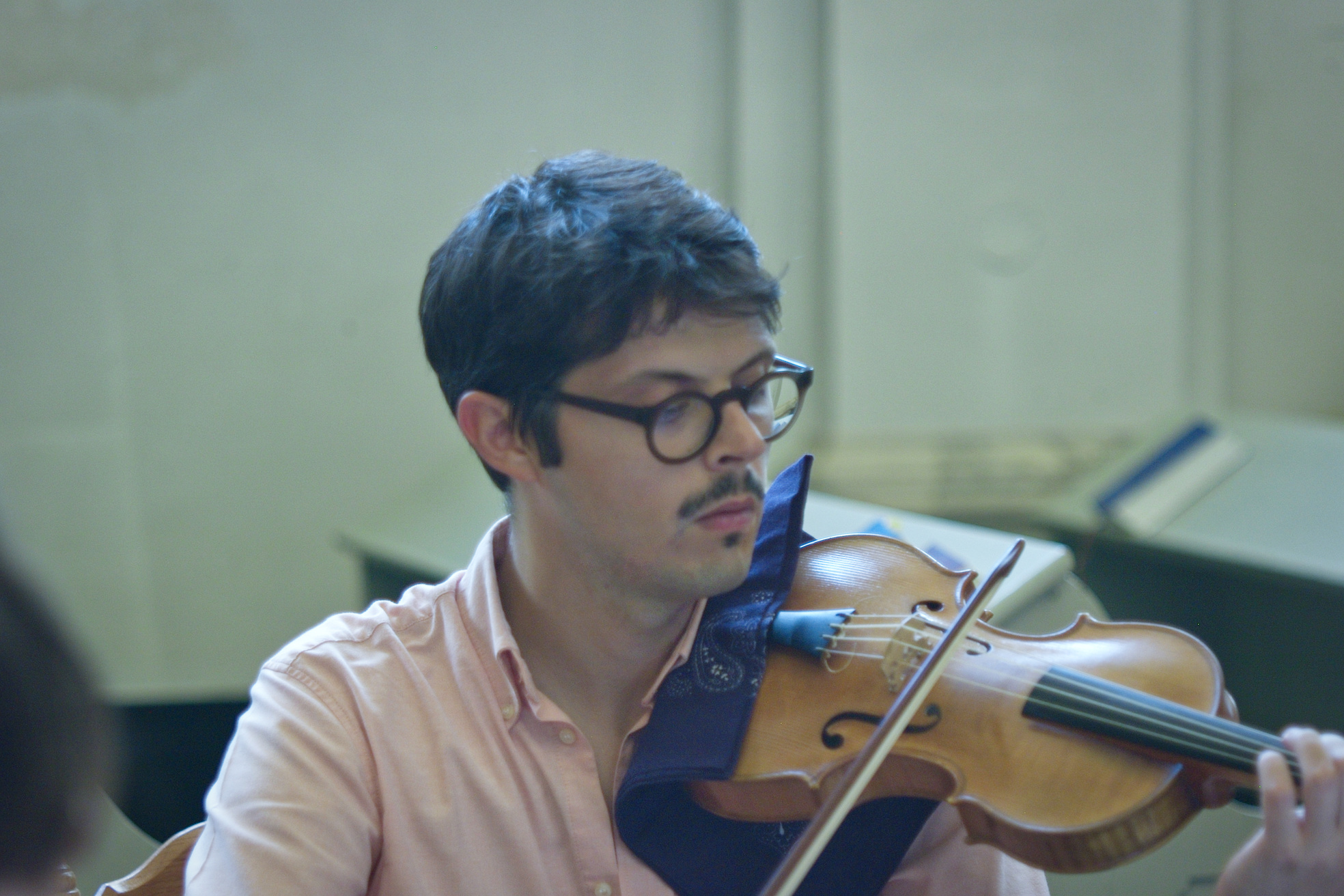
Meet Theresia: Pietro Battistoni

By Theresia - September 16, 2020
A new member of Theresia Orchestra is going to tell us about him and his experience in the orchestra. Let’s meet Pietro Battistoni, violinist at Theresia Orchestra.

A new member of Theresia Orchestra is going to tell us about him and his experience in the orchestra. Let’s meet Pietro Battistoni, violinist at Theresia Orchestra.

(more…)

Meet Theresia – Giulia Gillio Gianetta

By Theresia - March 16, 2020
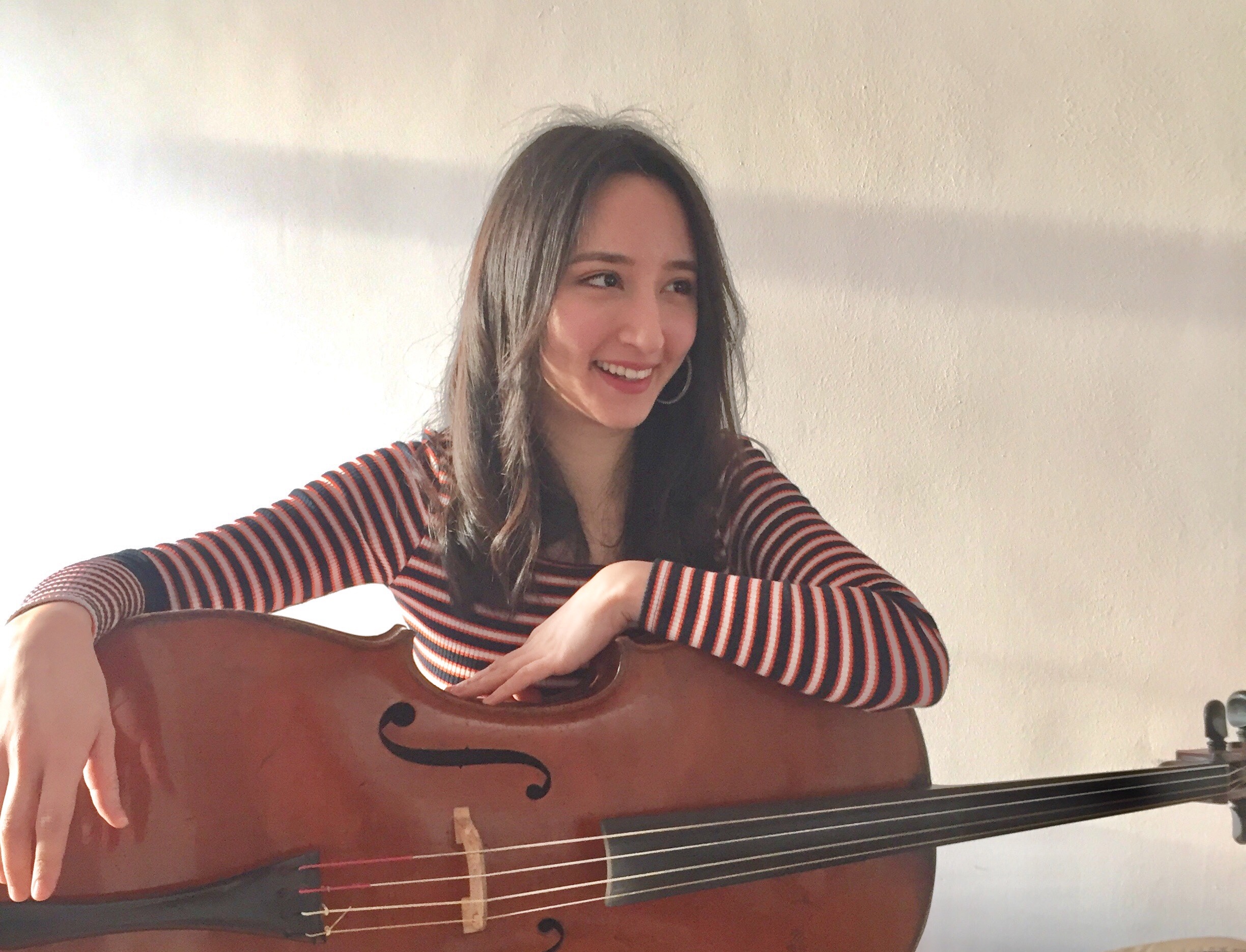
Let’s meet a new member of the orchestra: Giulia Gillio Gianetta, Italian-Spanish cellist at Theresia since 2016.

Let’s meet a new member of the orchestra: Giulia Gillio Gianetta, Italian-Spanish cellist at Theresia since 2016.

(more…)

Meet Theresia: Ruben Castillo del Pozo

By Theresia - February 27, 2020
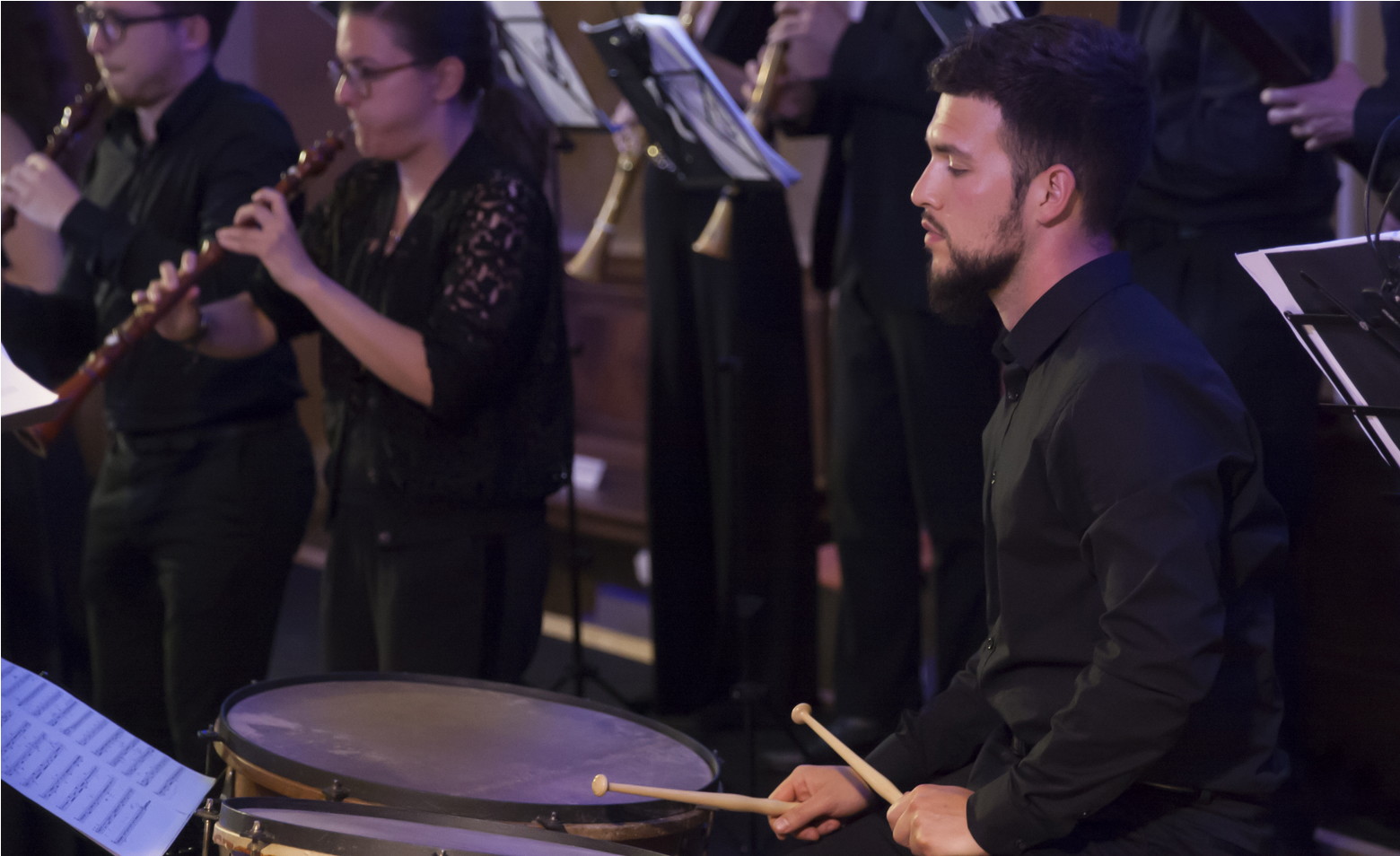
Let’s meet a new member of Theresia: Ruben Castillo del Pozo. Ruben is a timpanist born in 1991. He started playing the violin at age seven. He studied six years at the Conservatory Angel Arias Maceín before changing from violin to percussion. After studying several years percussion he first came to the Netherlands. 

Let’s meet a new member of Theresia: Ruben Castillo del Pozo.

Ruben is a timpanist born in 1991. He started playing the violin at age seven. He studied six years at the Conservatory Angel Arias Maceín before changing from violin to percussion. After studying several years percussion he first came to the Netherlands. 
(more…)

Meet Theresia: Sophia Witmer

By Theresia - February 5, 2020
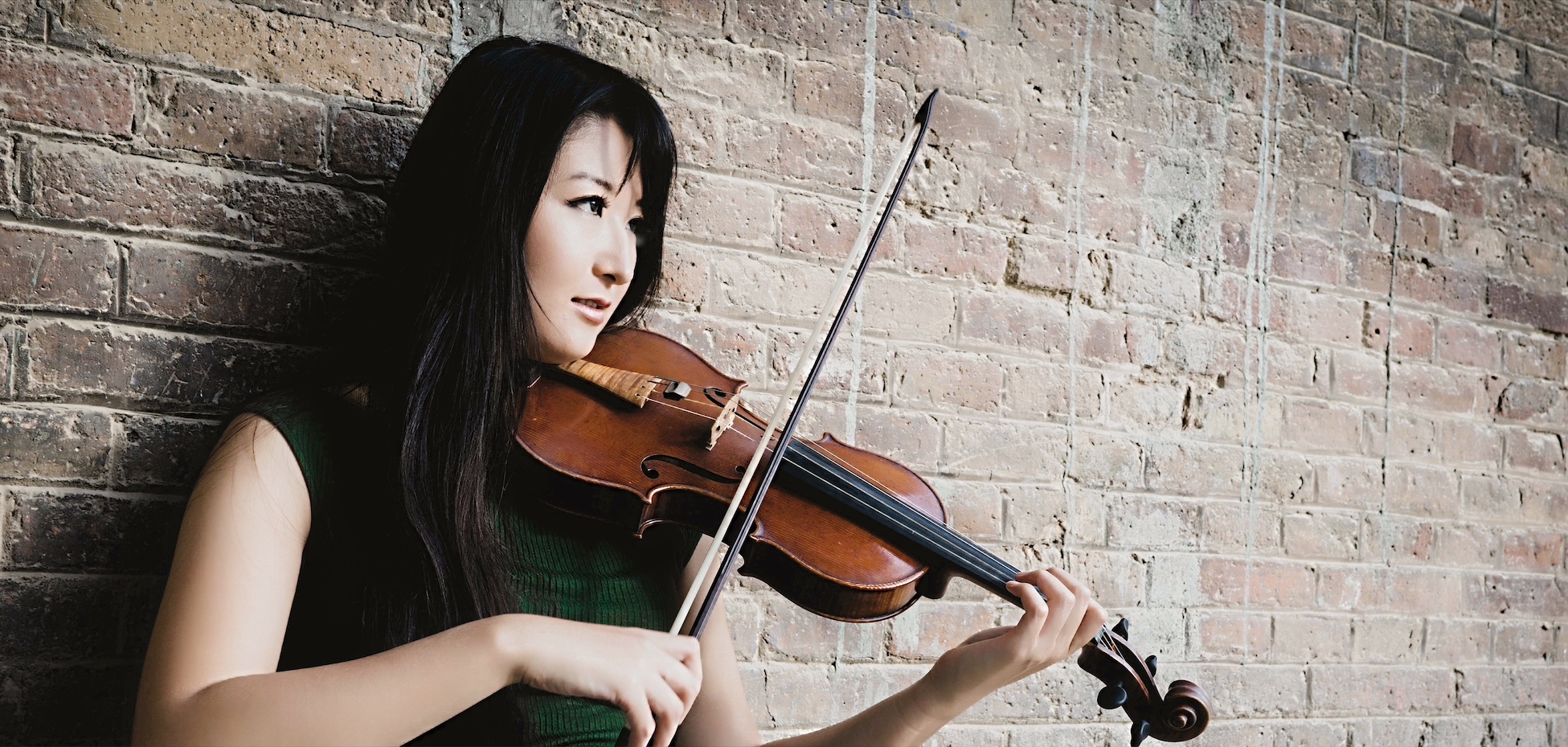
Let’s meet a new member of Theresia: Sophia Witmer. Sophia is 23, comes from Japan and plays cello.

Let’s meet a new member of Theresia: Sophia Witmer.

Sophia is 23, comes from Japan and plays cello.

(more…)

Meet Theresia: Saaya Ikenoya

By Theresia - January 16, 2020
Let’s meet a new member of Theresia: Saaya Ikenoya. Saaya Ikenoya is 28, born in Japan but raised in Spain, where she introduced herself into the violin study.  

Let’s meet a new member of Theresia: Saaya Ikenoya.

Saaya Ikenoya is 28, born in Japan but raised in Spain, where she introduced herself into the violin study.


(more…)

Meet Theresia: Charlotte Gulikers

By Emilia Campagna - December 12, 2019
Let’s meet a new cellist in Theresia: Charlotte Gulikers.

Let’s meet a new cellist in Theresia: Charlotte Gulikers. (more…)

Meet Theresia: Matylda Adamus

By Emilia Campagna - August 20, 2019
Vi presentiamo Matilda, innamorata del violoncello barocco e delle Suites di Bach

È la più giovane musicista di Theresia, e il suo entusiasmo è contagioso: Matylda Adamus, violoncellista polacca di Wrocław, ha solo 22 anni e ha debuttato con Theresia quest’anno, dopo aver partecipato alle audizioni per archi.

Matylda, come hai conosciuto Theresia?

“E’ una storia un po’ buffa: tre anni ha a Bolzano ho visto una persona (una cantante) che passeggiava con una borsa di tela con la scritta “Theresia Youth Baroque Orchestra”: io avevo appena scoperto, innamorandomene, la possibilità di suonare lo strumento antico nel repertorio barocco e mi sono detta “devo saperne di più di quest’orchestra”. Così ho iniziato a seguirla e appena è stato possibile ho partecipato alle audizioni, e così eccomi qua.”

E come sei arrivata a Bolzano dalla Polonia?


“Mi sono trasferita a Bolzano tre anni fa per studiare al Conservatorio Monteverdi con il professor Roberto Trainini, che avevo conosciuto ad una masterclass in Polonia. All’epoca dovevo decidere cosa fare dopo la scuola superiore: avedone frequentato una ad indirizzo scientifico avrei potuto continuare con medicina o una facoltà scientifica, ma l’esperienza della masterclass mi ha fatto capire che volevo andare avanti professionalmente con la musica, e mi sono trasferita. In autunno conseguirò la Laurea, e poi mi sposterò a Verona per studiare violoncello barocco con Catherine Jones.”

Come hai scoperto la possibilità di suonare lo strumento antico?

“Il mio insegnante attuale è stato molto importante in tal senso: anche se il corso che sto facendo (una laurea di primo livello) è sullo strumento moderno, lui ha una mentalità molto aperta, ed ha un approccio molto mirato alle esigenze e alle caratteristiche di ogni singolo allievo. A Bolzano ho potuto provare uno strumento antico, e mi sono subito innamorata del suono delle corde di budello: in particolare ho iniziato a considerare sotto una nuova luce le Suites di Bach e a desiderare di studiarle con lo strumento antico.”

Dopo la laurea, continuerai a suonare lo strumento moderno o ti concentrerai sulla prassi esecutiva storica?

“Mi concentrerò sulla prassi esecutiva: del resto il “barocco” è presente nella mia vita da sempre. Quando ero piccola studiavo pianoforte e andavo a sentire i concerti con mia madre. A sei anni sentii per la prima volta un clavicembalo e ne rimasi affascinata: in più, il Caffè della Filarmonica di Wrocław aveva un clavicembalo e potei suonarlo, fu una bellissima esperienza!”

Durante questa residenza con Theresia avete suonato molta musica di Joseph Martin Kraus: conoscevi questo autore e la sua musica?

“No, ed è stata un’altra bella scoperta. L’orchestrazione è spesso stupefacente e credo che ne approfondirò il repertorio.”

Che obiettivi hai per la tua carriera? Ti vedi più come solista, in un gruppo da camera o in un’orchestra?

“Non mi sento tanto tagliata per l’orchestra, sono più attratta da ensemble piccoli; ma ho anche un sogno da solista, vorrei registrare le Suites di Bach per violoncello. Sono musica incredibile e vorrei eseguirle con il violoncello piccolo, uno strumento a cinque corde che ho potuto provare durante una masterclass e che mi ha colpito per il suo timbro.”

Matylda Adamus e gli altri musicisti di Theresia si esibiranno giovedì a Bolzano in un concerto tutto dedicato alle Ouverture di Joseph Martin Kraus sotto la direzione di Claudio Astronio

Meet Theresia: Pantea Moshfegh

By Emilia Campagna - May 17, 2019
Meet violinist Pantea Moshfegh, a period instrument enthusiast and one of the newest member of Theresia: "It's a very pleasant feeling to make music with so many great musicians who have the same passion for music."

Let’s continue to getting to know musicians who have joined Theresia recently: today we have asked violinist Pantea Moshfegh, 27 years old, from Iran, to tell us something about her experience.

Pantea, where are you actually studying or working?

I came to Graz, Austria 8 years ago and started my bachelor at the university of music and performing arts in the field of modern violin. During my master I started baroque violin parallelly. After a while I was quite drawn to it and decided to take the entrance exam and start studying baroque violin. Now I’m studying baroque violin with Susanne Scholz in Graz and am also working as violin teacher and freelance musician.

Have you quit the modern one?

Not at all, I still play modern violin, mostly in orchestra and for teaching. In general, I love the music and playing violin, from any period! But what I like the most about baroque violin is the loyalty to music and historical performance practice which one can’t find easily in modern violin playing, studying or performing …

It’s very nice to get to know so many people from my age who chose the same path and have the same enthusiasm in historical performance practice studies.

When did your passion for the period instrument start?

The first time I heard/saw an early music Ensemble was on the TV channel Mezzo, I was about 16 years old. It was Jordi Savall Ensemble. I remember how fascinated I was. At that time I knew nothing about early music but after a while of reading and searching, it turned to one of my dearest passions… When I came to Graz I never thought I would choose it as my main activity and subject in music but my experience with modern violin and studying it changed my perspective completely. It’s been 2 years since I changed my direction and I couldn’t be happier.

How have you known about Theresia?

I heard about the orchestra from my colleagues in Graz who already played with Theresia Orchestra. I heard that there’s an audition soon and I thought it would be an interesting experience.

How has the experience gone so far?

Really nice, I’m very happy with the repertoire we have been playing. It’s a very pleasant feeling to make music with so many great musicians who have the same passion for music. I also appreciate working with Alfredo Bernandini very much. He has amazing ideas and express them so well that it comes naturally to us.
Beside, it’s very nice to get to know so many people from my age who chose the same path and have the same enthusiasm in historical performance practice studies. I’ve been mostly in Graz, where we have an amazing early music department, but I find it very important to meet people from other countries, exchange ideas and learn from each other.

Where do you see yourself in five or ten years? Do you think you’d rather be a soloist, have your own chamber ensemble or play in an orchestra?

“It’s a really difficult question. In general, I love performing – solo, in orchestra or small ensembles… And I’d be also very interested in researching and teaching. But I think I’d like mostly playing in a small ensemble, somewhere where one can share ideas and learn from other people. In Graz, I experienced this with the Violin Consort Ensemble which we founded with three of my colleagues. We play mostly music from the early baroque period. I think it’s very rewarding to play in a small ensemble because it helps you to discover and shape your own voice and taste in music.”

Meet Theresia: Irina Fârtat

By Emilia Campagna - May 8, 2019
Violist and violinist Irina Fârtat is one of the youngest in Theresia: she is 23 years old, and she's just started her experience in Theresia playing in Lodi and Mantua. Let's find more about her.

Violist and violinist Irina Fârtat is one of the youngest in Theresia: she is 23 years old, and she’s just started her experience in Theresia playing in Lodi and Mantova. Let’s find out more about her.

Irina, where are you from and where are you studying at the moment?

“I’m from Bucharest, and at the moment I am doing my first Master in Geneva with Florence Malgoire. I’m studying both historical violin and viola, but in Theresia I’m playing the viola.”

How did you know about Theresia?

“I was looking for some orchestral projects: I found the name of Theresia in some of my colleagues resumes; also, some of them told me about this project. Then I heard about the auditions, and I thought it would be a great idea to try. It has been an excellent choice, because I was interested both in the orchestral experience and in the kind of repertoire played by Theresia. Also, I am looking forward to learning from my colleagues, from the tutors, the conductors, from everyone.”

How has the experience gone so far?

“It’s great, I love it. I like the fact that Alfredo Bernardini is really creative in his way of working with us: he makes us feel as we are on the same level, and he has great ideas. I also found very interesting the lectures: it was great to get Bernardini’s point of view about his experience as a freelancer. We need advice, and it’s good to know other musicians’ stories, people who have already gone through it. I also liked very much listening to Professor David Wyn Jones: it’s great to get more information about the music we are going to perform from someone who has done so much research on exactly the type of repertoire that we are performing and the historical and social and political context behind it.

I like the fact that Alfredo Bernardini is really creative in his way of working with us: he makes us feel as we are on the same level, and he has great ideas

Are you specifically interested in becoming an orchestra player? Which are your plans for the future?

“Well, I think that solo life is not for me, I like working in a team, each having a bit of solo parts. The viola has much more repertoire in chamber and orchestral music, and it is a very important part of the harmony.”

Do you have a chamber group?

“Right now I enjoy playing chamber music and in orchestra projects at the university, and also whenever I am needed in freelance projects, but I don’t have a chamber music group or an ensemble of my own. I would love to, hopefully in the next years…”

It’s great to get more information about the music we are going to perform from someone who has done so much research on exactly the type of repertoire that we are performing and the historical and social and political context behind it.

Do you also play modern violin?

“Yes, I am actually. It is great that I get to play repertoire from the 16th and 17th century on the violin, and from the 18th and 19th century, the viola repertoire starts to develop more, so I get to play more on the viola as well. I am also open to play in projects with modern instruments, but right now I’m focused on the historical performance. It’s what I’ve been wanting for a very long time. I’ve always liked listening to Renaissance, Baroque and Classical music, up to Early Romantic: that has always been the music I would understand best, since I can remember. At a certain point, I heard orchestras and ensembles playing with historical instruments, and I really loved it! I realized that it was the way I wanted to play. But, you know, in Bucharest this kind of performance is not so popular: we have the Russian school, which is devoted to performing with great intensity and emotion every kind of repertoire. And, obviously, there’s nothing wrong about that, except I wanted to focus on the historical performance practice.”

When did you start to study baroque viola?

“I had been wanting to play historical viola since high school, but I actually didn’t have many opportunities. After finishing high school, I moved to Switzerland to do a Bachelor in modern viola. During my third year of Bachelor in Zurich, I found out that I could choose a secondary instrument, and I choose baroque viola with Ulrike Kaufmann. That was my first contact with historical performance, and it was so good that I decided to go on, and moved to Geneva. And here I am.”