What’s next? Theresia in a music capital

By Emilia Campagna - September 26, 2018
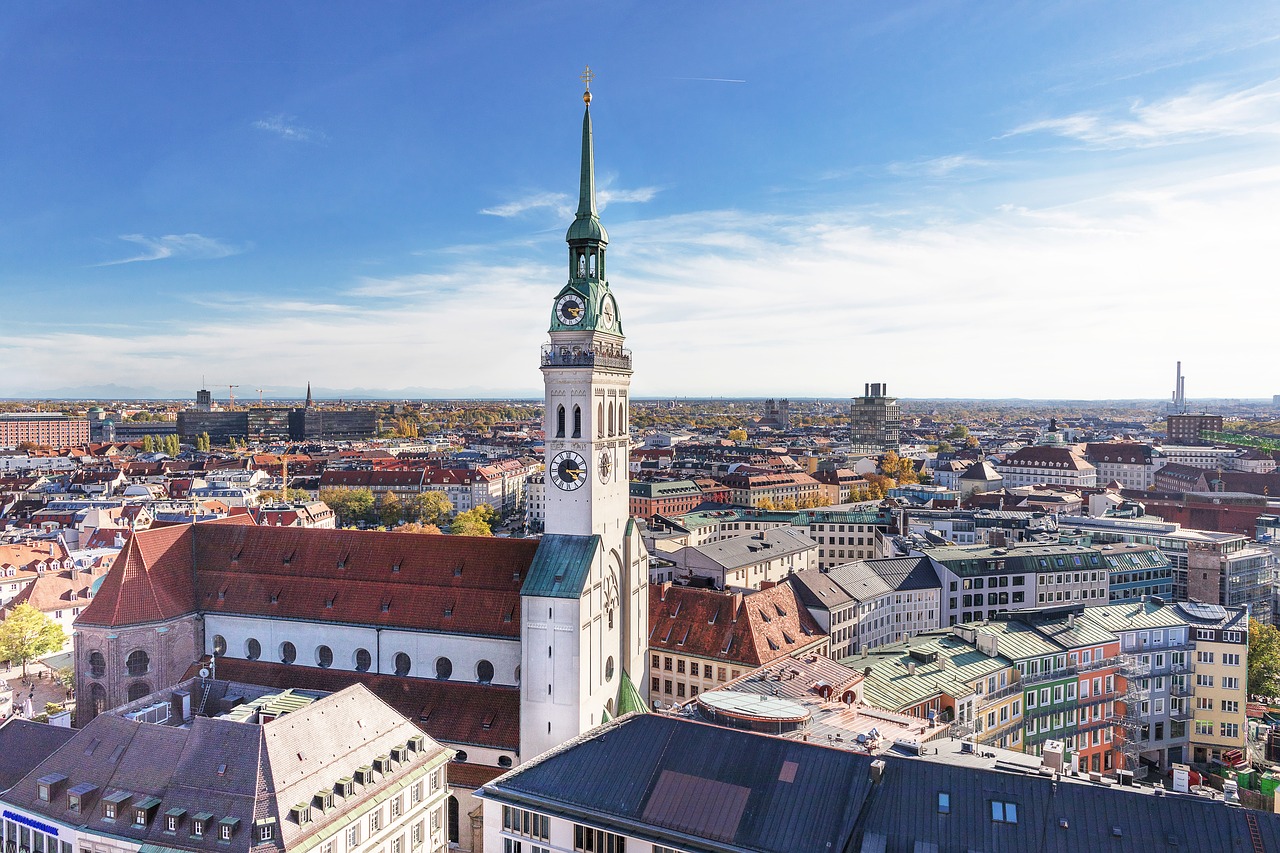
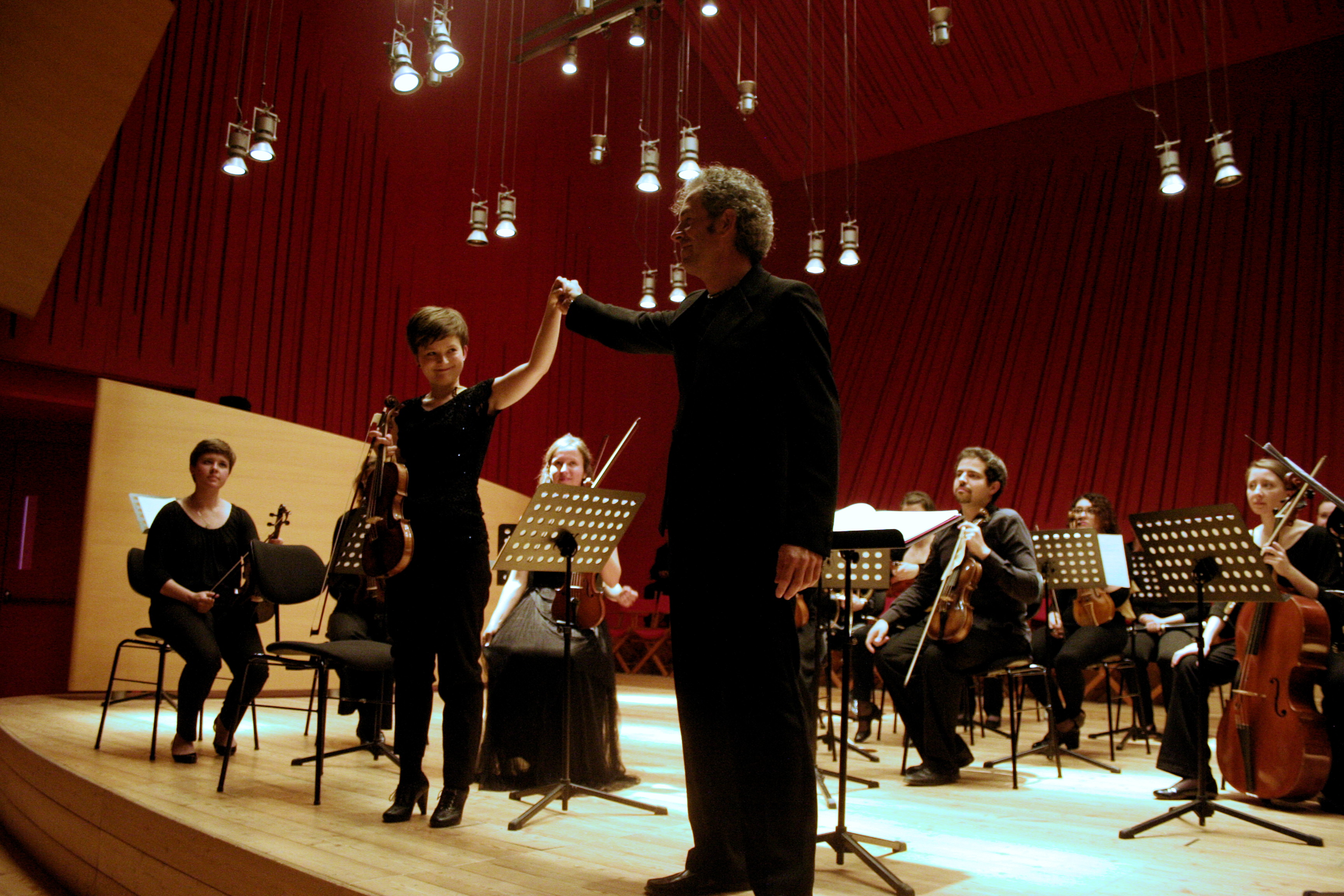
Theresia will perform Kraus and Haydn conducted by Chiara Banchini in a very music capital: Munich

Autumn has started in the best way: our winds residency in Lodi was a success! You can give a look to some shots from the concert here. But, we can’t rest on our laurels, as the next step is actually around the corner!

The last residency of the year is going to be very special indeed: it will start on 1st October in Ossiach, a beautiful little town in Austria. Surrounded by mountains and nearby a beautiful lake, it is the ideal place for a week of job and focus on the music.

The orchestra will be conducted by Chiara Banchini, a specialist when it comes to classical repertoire performed on original instruments.

As usual, during the residency, the orchestra will study the repertoire that eventually will be performed in concert. Actually, there will be two concerts: the first one, in Ossiach itself, on 6th October. For the second one, the orchestra will move to a very music capital, Munich: Theresia will perform on 7th October in the beautiful Max Joseph Saal. It’s our debut in Germany, so we are all very excited!

The concert will start with the Ouverture from “L’Isola Disabitata” by Franz Joseph Haydn: “L’isola disabitata” (“The uninhabited island”) is an opera composed by Franz Joseph Haydn in 1779: according to music historians, it represents the composer’s attempt to abandon the Italian “opera seria” style and update his style on the model carried forward by Gluck. The opera wasn’t successful, not at its time, neither in later reprises. Yet the Overture stayed firmly in the orchestral repertoire, due to the dramatic atmosphere and the characteristics that make it like a miniature Symphony, split into four sections with alternate fast and slow movements.

Then, Theresia will perform Symphony in C major “Violino obbligato” VB 138 by Joseph Martin Kraus, soloist TYO’s first violin, the Italian Gemma Longoni. Kraus, born in 1756 and died in 1792, spent most of his professional life in Sweden, composer at the court of King Gustav III. During a Grand Tour of Europe that lasted five years, Kraus met some of the most relevant composers of his time, including Joseph Haydn, who called him “The first genius I ever met”. Kraus’ Symphony VB 138 “Violino Obbligato” is one of the best examples of Sinfonia concertante of the XVIII century, performed by the young soloists of Theresia.

Joseph Haydn’s Symphony n. 81 in G major will conclude the concert: it comes from a series of three symphonies completed in late 1784 (nos. 81, 80 and 79, presumably in that order). As with so many of his symphonies, Haydn wrote this one to provide new music for his employer, Prince Nikolaus Esterházy: it contains some intriguing harmonic and structural features.

We are waiting for you all for our German debut: you can buy the tickets here and here.


Our places: a walk in the wood

By Emilia Campagna - June 11, 2018
Have you ever seen an orchestra in the woods? Thanks to Risonanze Festival, Theresia's musicians have had a beautiful walk among the resonant sprouts forest near Malborghetto

Have you ever seen an orchestra in a wood? When one thinks of classical musicians, one imagines that they would play in concert halls, or maybe churches, palaces, or even gardens. But in a wood? Well, it is unusual, but in Malborghetto there is this special wood with resonant sprouts, and we couldn’t miss it.

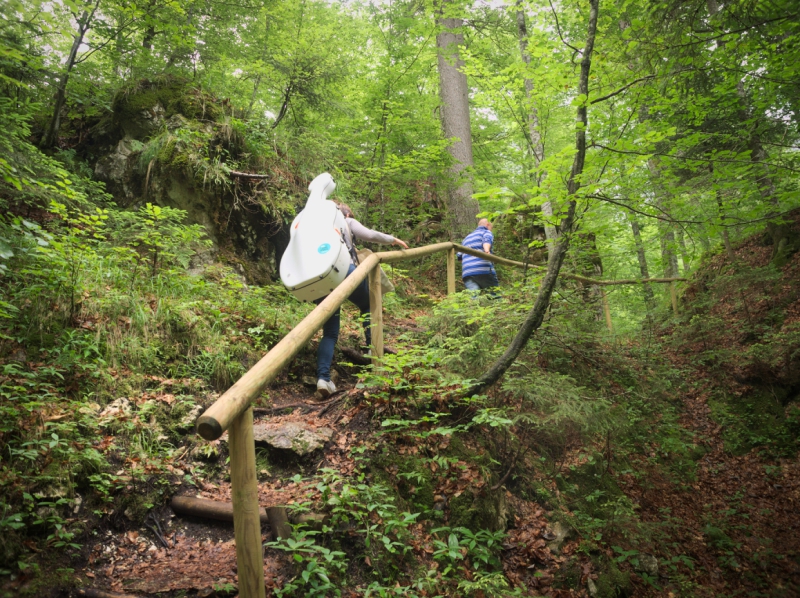
In our very last day at Malborghetto Alberto Busettini, artistic director of “Risonanze Festival” took us to admire the wonderful woods in Val Saisera, explaining to us that the tree around us bore tonewood characteristics. Many of our musicians brought their instruments with them, so we could have the proof of that!

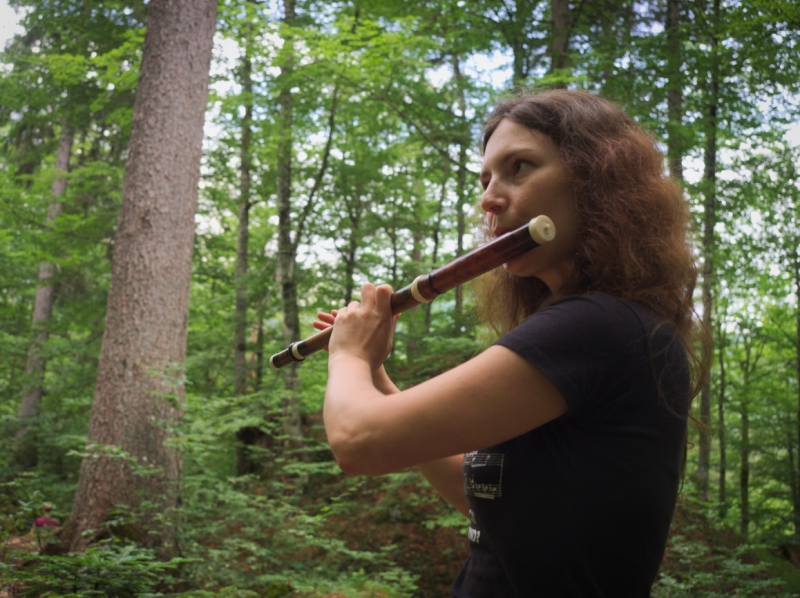
In the last 50 years, the trees from the Val Saisera forest have been used to make violins, guitars, flutes, and grand pianos like the celebrated Fazioli: as a matter of fact, they are resonant. Our musicians spread out among the trees and just played they instruments: “It’s like being in a concert hall”, they said.

In spite of the clouds that seemed to threaten us, it was a really pleasant walk: we took some pictures, enjoy them!

Go to the gallery


Our places: Salone del Parlamento, Castello di Udine

By Emilia Campagna - June 6, 2018
In our new fairly-tale setting residency, a Castle is involved

We wrote about the fairy-tale setting of our current residency: and it’s not only a matter of the enchanting woods surrounding Malborghetto, all of them full of red spruces, perfect for making violins and other instruments. A castle is involved, too.

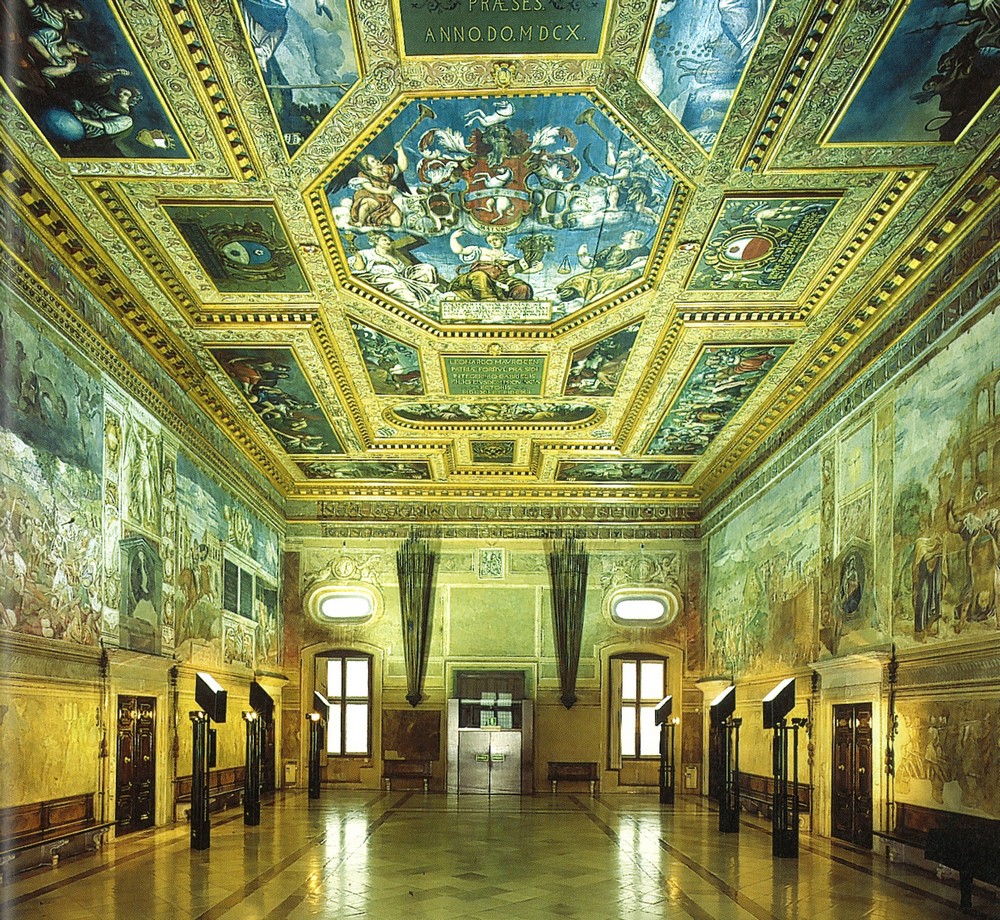
As a matter of fact, the second concert of our residency will be in Udine, precisely in the “Salone del Parlamento” inside the Castle.

The Castle of Udine is a historical building, built upon a hill in the historical centre of the city. The hill is made of drift accumulating for centuries. However, a legend about its origin says that when Attila the Hun (also called the Scourge of God) plundered Aquileia (one of the biggest cities of the Roman Empire at that time) in the year 452, he asked his soldiers to build a hill to see the Aquileia burning. It is told that this was made by filling the helmet of each soldier with the ground.

The first official statement of the existence of a building on the hill dates back to 983: the Holy Roman Emperor Otto II donated to Rodoaldo, Patriarch of Aquileia, a “castrum”, i.e. a military building.

The present building has the form of a palace and it was built on the ruins of a fortress destroyed by an earthquake in 1511. The construction had started in 1517 and the works had lasted for 50 years.

The most important hall in the castle is the Parliament Hall (Salone del Parlamento), whose paintings are due to Giovanni da Udine, one of the pupils of Raphael. This hall was the venue of the council of the Patria del Friuli, one of the first parliaments in the world, and it was suppressed after the French occupation in 1797.

And this is where we will play! The Orchestra will perform music by Mozart and Kraus conducted by Claudio Astronio on 9th June. See you at the Castle!

Enjoy our new video

By theresia - May 26, 2017
One orchestra, many musicians, three conductors: this is Theresia!

One orchestra, many musicians, three conductors: this is Theresia, and if you want to know more about our activities and our philosophy now you can watch our video. Enjoy!

Sorpresa, c’è un musicista in giardino!

By Emilia Campagna - August 18, 2016
Theresia inaugura una nuova collaborazione con il Festival triestino Wunderkammer e porta in Trentino Alto-Adige i concerti di Haus und Garten Musik

Immaginate un pomeriggio di tarda estate: un giardino verdeggiante, la luce spiovente che fa capolino tra le foglie, una schiera di sedie e, in mezzo a un prato, musicisti… Nel Settecento era una prassi consueta, come raccontano tanti dipinti. Oggi è più raro, ed è soprattutto molto meno consueto che ad aprire le porte dei propri giardini per ospitare pubblico e musicisti siano dei privati cittadini.

concerto-in-giardino

Ora Theresia inaugura una nuova iniziativa, in collaborazione con il Festival Wunderkammer (Trieste), e porta per la prima volta in regione i concerti della rassegna Garten Musik.

Si tratta di concerti unici in giardini speciali di case private che vi daranno una possibilità unica per entrare in contatto diretto con i musicisti: dal 22 agosto all’11 settembre un calendario di 9 concerti, con 35 musicisti coinvolti, e 9 spazi all’aperto di altrettante case private in 8 città tra Friuli Venezia Giulia, Veneto, Trentino Alto Adige e Slovenia.

Theresia organizzerà due concerti, il primo a Bolzano il 22 Agosto con l’ensemble di ottoni Slide & Friends, il secondo al Lago di Cei il 27 Agosto con il quintetto di fiati Austro Ensemble: e nel caso di Austro Ensemble la sodisfazione è doppia, visto che il gruppo è un autentico spin off di Theresia: è formato interamente da componenti dell’orchestra, il clarinettista Juan Jo Molero, la flautista Ida Febbraio, il cornista Alessandro Orlando, il fagottista Stefano Sopranzi e l’oboista Antonello Cola. Vi daremo maggiori informazioni sull’ensemble e sul programma del concerto in un prossimo post.

Austro Ensemble

Austro Ensemble

E l’indirizzo esatto dei concerti? Questa è la particolarità dell’iniziativa: sul programma online sono indicati data e ora, il musicista o la formazione, il programma e la città mentre il dettaglio con l’indicazione dell’indirizzo e del “giardino” verranno forniti un paio di giorni prima dell’evento solo a chi si è prenotato attraverso l’invio dell’invito formale via mail o con comunicazione telefonica e ritiro dell’invito.

[button url=”mailto:info@tybo.org” new_tab=”false” size=”large” style=”solid” color=”true” light=”false”]PRENOTA IL TUO POSTO![/button]

With Theresia, with passion

By Emilia Campagna - April 4, 2016
Many aspiring to access to the workshop of Theresia: aftermath the subscription deadline, have a look at some numbers

[highlighted_p boxed=”false” center=”false”]translation by Charlotte Michi[/highlighted_p]

122 subscribers willing to take part to the workshop, only 35 places available: these are the numbers the day after the deadline for submitting to the auditions & workshops that Theresia will organize in Venice from the 4th to the 7th of May. There is hunger for orchestra, there is hunger for Theresia. Of course we expected a higher number of registrations compared to the number of places available, but those figures have surprised us – positively.

The candidates come from 30 different countries: Italy ahead (32 subscribers), followed by Spain (18), France (16), Poland (11) and United Kingdom (5); and then a series of mostly non-European nationalities: we received subscriptions from Brazilian musicians, Canadians, Chileans, Taiwanese, Indonesians and Australians! Finally, the average age is 24 years (the subscriptions where open to musicians younger than 28 years old).

Now it’s up to the three conductors – Claudio Astronio, Chiara Banchini and Alfredo Bernardini – and to the artistic director Mario Martinoli to identify, according to the curriculum and the video received, the 35 musicians that will take part to the stage: there they will prove themselves in the orchestral and chamber workshops and then be selected for the next productions of Theresia Youth Baroque Orchestra.

thank you - auditions 2016

Con Theresia, appassionatamente

By Emilia Campagna - April 4, 2016
Molti gli aspiranti ad accedere al workshop di Theresia: all'indomani della scadenza delle iscrizioni, vi diamo qualche numero

122 iscritti al workshop su 35 posti disponibili: questi i numeri il giorno dopo la deadline delle iscrizioni per partecipare allo stage con audizioni che Theresia organizza a Venezia dal 4 al 7 maggio. C’è fame di orchestra, c’è fame di Theresia. Certo, ci aspettavamo un numero di iscrizioni superiore ai posti disponibili, ma queste cifre ci hanno colto – molto positivamente – di sorpresa.

I candidati provengono da 30 paesi diversi: in testa l’Italia (32 iscritti), seguita da Spagna (18), Francia (16), Polonia (11) e Inghilterra (5); e poi una sfilza di nazionalità in maggioranza extraeuropee: sono arrivate iscrizioni di musicisti brasiliani, canadesi, cileni, taiwanesi, indonesiani e australiani! Infine, l’età media è di 24 anni (le iscrizioni erano riservate a minori di 28 anni).

Ora spetta ai tre direttori – Claudio Astronio, Chiara Banchini e Alfredo Bernardini – e al direttore artistico Mario Martinoli individuare, sulla base dei curriculum e del video inviato, i 35 musicisti che parteciperanno allo stage: lì potranno dimostrare quanto valgono nei workshop orchestrali e cameristici ed essere in seguito selezionati per le prossime produzioni di Theresia Youth Baroque Orchestra.

thank you - auditions 2016

What a memorable day!

By theresia - May 13, 2015
Every concert hall is special in its own way: but some places are more special, and full of meanings and extraordinary stories.

Every concert hall is special in its own way: but some places are more special, and full of meanings and extraordinary stories. Likeways, some days are more remarkable and memorable too: 10th May was one of these days, in which the concert venue is something more than a simple concert hall.

First of all, there wasn’t just one concert in a day! We performed twice in the same day, and in two different (and distant, indeed) places. In the morning, we performend in the Cappella Paolina of Palazzo del Quirinale: we told you something of this important palace in a previous post . Well, the emotion of entering the palace was really strong, both Saturday, for the rehearsal, both Sunday for the concert: here you are some photos of backstage and concert.

The concert was live broadcasted on Rai Radio3: stay tuned for a podcast of the concert!

After the concert a coach was waiting for us and carried us to L’Aquila, a town located 100 km from Rome: the auditorium we performed in (the Auditorium del Parco, by famous architect Renzo Piano) is really special, in a different way from the Quirinale Palace. Quirinale is a venue of politic power (it is the residence of President of Republic), the Auditorium is a concert hall; the first is several centuries old, the second was built three years ago. Finally, the first is a symbol of power, the second is the gift of a city to another in a time of great difficulty. Find more in our post about L’Aquila.

And now enjoy L’Aquila photo gallery too!

Our places: L’Aquila and Auditorium del Parco

By Emilia Campagna - May 5, 2015
This post begins with a sad story:  the third step of our tour will be in the city of L’Aquila, in a really special place, literally born on the rubble and intended to help struggling people through music. On April 6, 2009, an earthquake of 6.3 magnitude struck central Italy with its epicentre near L’Aquila. […]

This post begins with a sad story:  the third step of our tour will be in the city of L’Aquila, in a really special place, literally born on the rubble and intended to help struggling people through music.

On April 6, 2009, an earthquake of 6.3 magnitude struck central Italy with its epicentre near L’Aquila. Initial reports said the earthquake caused damage to between 3,000 and 10,000 buildings in L’Aquila. Several buildings also collapsed. 308 people were killed by the earthquake, and approximately 1,500 people were injured. Twenty of the victims were children. Around 65,000 people were made homeless. There were many students trapped in a partially collapsed dormitory. The April 6 earthquake was felt throughout Abruzzo; as far away as Rome, other parts of Lazio, Marche, Molise, Umbria, and Campania.

It was a disaster of enormous proportions and music and culture weren’t safe too: in a town rich of music like L’Aquila, with a big and lively Music Conservatory and many musicians performing in local concert seasons, the
grave damage of the Castello Spagnolo concert hall seemed to be a hopeless wound.

The famous architect Renzo Piano was one of the first people to realise that it could be a very long time before the city would be back to normal and that building a place to protect musical traditions would be a positive way to start the healing process. He made himself available to design a new concert hall, with the moral support of the conductor Claudio Abbado, that proclaimed that the new auditorium was a “a building of great symbolic value”.

The Auditorium del Parco in L’Aquila was built as a temporary substitute to replace the Castello Spagnolo concert hall and was inaugurated in October 2012 with the Orchestra Mozart conducted by maestro Claudio Abbado. It is an ensemble of three pure volumes – a trio of cubes set at seemingly random angles, a bit like dice thrown on an uneven surface – housing the 238-seat concert hall, the foyer and dressing rooms. The separation of the various segments and the flow of movement through simple, adjacent and connected structures was at the root of the design of these square wooden boxes. Wood was chosen for its acoustic properties, but also because it is flexible, more resistant to earthquakes, less invasive and can be easily prefabricated and quickly assembled. The Auditorium construction site was also turned into an educational opportunity by Renzo Piano Building Workshop and the Foundation, a chance for graduating engineering students from the universities of L’Aquila and Trento to get some real hands-on experience. Their involvement in the construction was a clause in the job bidding process, a first in Europe.

Renzo Piano exlpained: “We used the wood of Val di Fiemme in Trentino, the preferred wood by the great violin makers since the time of Stradivari. All three blocks of the auditorium (concert hall, rehearsal room and restaurant) are made of wood, in order to be disassembled and rebuilt elsewhere. I was inspired by the many buildings and wooden temples built in Japan, which is the most seismic country in the world.”

Theresia’s concert in Autorium del Parco is scheduled for Sunday 10, at 18th: we are sure it will be a great emotion. Stay tuned for our photos!

Strumenti antichi, architetture moderne: incontro di sguardi diversi a Bolzano

By theresia - August 6, 2013
Bolzano è città di incontri: lingue diverse (nella provincia altoatesina sono tre quelle ufficiali: l’italiano, il tedesco, il ladino) e una multiculturalità che trae stimoli continui dalla natura di “terra di confine”. Compresenza di sguardi che si cologno nell’identità architettonica della città, anch’essa sfaccettata: il severo Duomo gotico, la grazia rococò di certe facciate e […]

Bolzano è città di incontri: lingue diverse (nella provincia altoatesina sono tre quelle ufficiali: l’italiano, il tedesco, il ladino) e una multiculturalità che trae stimoli continui dalla natura di “terra di confine”.

Compresenza di sguardi che si cologno nell’identità architettonica della città, anch’essa sfaccettata: il severo Duomo gotico, la grazia rococò di certe facciate e dell’ariosa Piazza Walter; sono numerosi e imponenti anche gli edifici eretti durante il Ventennio, dal regime fascista in piena ansia colonizzatrice.

Negli ultimi dieci anni la città si è dotata di edifici moderni destinati alla cultura e alla ricerca: il Museion, Museo di arte contemporanea, il Teatro Comunale, dove si svolge la stagione d’opera e balletto e che ospita le Finali del Premio Busoni e i concerti estivi dell’EUYO, e l’Eurac, un innovativo istituto di ricerca e di formazione privato, il cui Auditorium si apre adesso alla musica.

L’Eurac di Bolzano: nel suo Auditorium si è svolto il concerto di Theresia

Quattrocento posti e un’ottima acustica, la prima a suonarci è stata proprio Theresia, con il concerto che ha inaugurato il festival “Antiqua”. Le linee contemporanee, con pulitissime geometrie di vetro dell’Eurac hanno dunque ospitato lo sguardo fresco e classicista di Theresia, nell’ennesimo incontro di culture che in città è felice prassi.

TYBO 2013 © Gregor Khuen-Belasi