Not only scores and music: Theresia is much more than that, especially for musicians involved in our Ambassadorship Project.
What is the Ambassadorship Project?
Music needs people studying and playing it, but also people able to divulge, communicate and promote it. And not necessarily they have to be different people. Actually, gaining soft skills in the field of communication can empower young musicians and help them build solid careers. That’s at the core of our EU-funded project EMPOWER, an important part of which is trying to engage new audiences, especially the youth, and this is where the Ambassadorship Project catches on. To do so, over the course of three years, a total of nine young musicians, representing nine different European countries, will be Ambassadors and Ambassadresses, embodying and transmitting the core values of classical music and its importance to their countries.
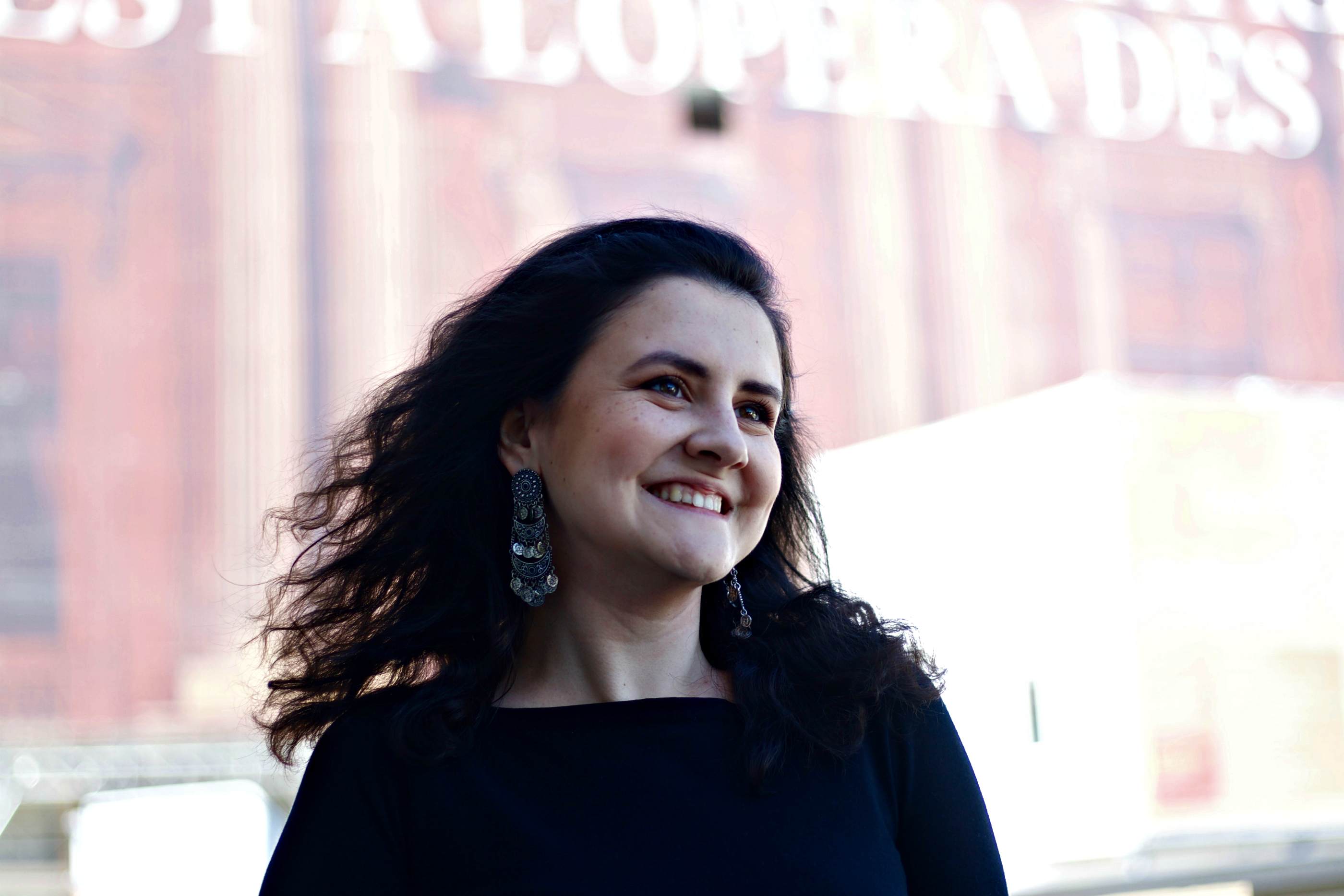
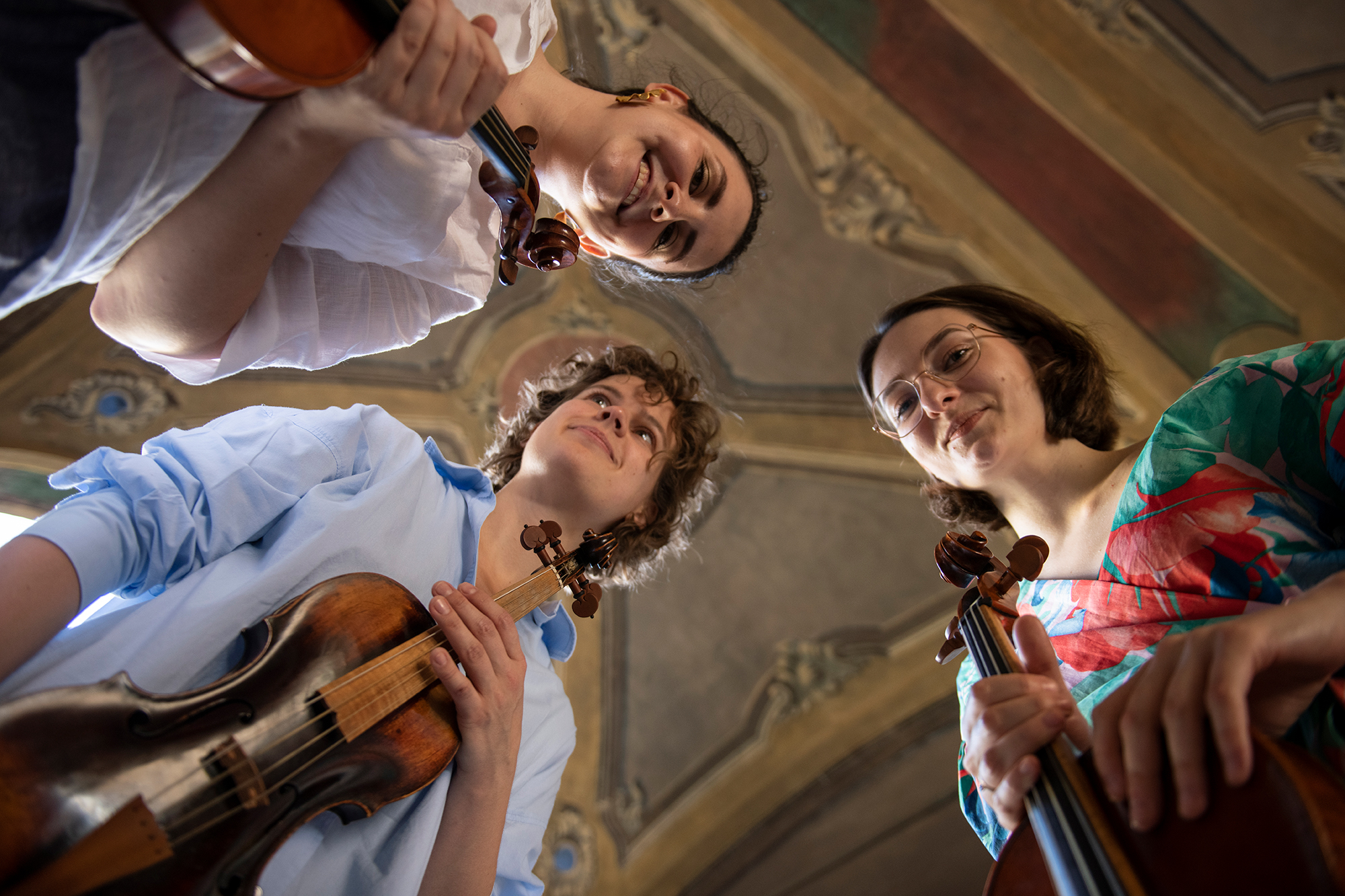
First to be Ambassadresses are Anna Krzyżak from Poland, Léna Ruisz from Hungary, and Irina Fârtat from Romania, with the task of promoting HIP in their own countries and engaging new audiences through their own and/or Theresia’s activity.
Getting to the heart of the Ambassadorship Project: the workshop
Our job with the Ambassadresses started with an intense four-day co-creation workshop: initially, ICONS’ experts (Social media manager Oyku Dogan, Journalist & Blogger Emilia Campagna, Videomaker Luca Meneghel, and Graphic designer Orazio Di Maria) gave them information and explanations about various types of communication: graphic, multimedia, and written materials, included in a Handbook made available to the participants. From the golden rules in writing a blog post to how to organize graphically information, from managing the process of filming to navigating the over-crowded world of social media: the points experts dealt with in the Handbook were multiple and all of them were sharing a priority: how to define our audience and target, establish our tone of voice and then lay out the hierarchy of information we want to convey.
Particularly, we devoted the first day to jointly discussing the new target audiences, the key messages, and the channels and formats that may better reach a new audience. All three Ambassadresses decided to target different groups of young people: children for Irina, who wants to promote a music atelier; young talented musicians for Anna, who wants to reach the talented young people of the Polish Children’s Fund, a foundation that organizes courses and insights for children (up to 18 years); young musicians studying in the conservatory or university for Léna, who plans to produce in-depth materials on HIP.
Speaking of materials, Ambassadresses were invited right away to put into action what they were learning: during the workshop, they produced videos, leaflets and blog posts. Specifically, they created leaflets to illustrate and promote their own teaching activity or explain to the audience what HIP (historically informed performance) means; videos were even more creative, with tutorials about how to change gut strings and how to put on make-up before a concert. Coming to blog posts… well, you will have the chance to read them because we are going to publish them and keep a special place for Ambassadress’s contributions.
It goes without saying that the experience was extremely positive: Léna enjoyed “the friendly atmosphere and the collegiality. I learnt that I am not one for marketing on social media. I am super happy to have a platform (on Theresia’s website) where I have the chance to post in-depth and also lighter articles about early music.” Anna appreciated particularly the first day of the co-creation workshop: “That is because we worked on keywords, and we all got to know what the Ambassador Program is actually about. It was amazing to see how creative everyone was. We inspired each other, and we eventually came up with some nice and catchy sentences. It was a real brainstorm, and it somehow pushed me into creating my own idea of what I want to do as an Ambassador.” Irina was happy that “Every day we did something different, from brainstorming together to learning how to edit video and create materials to attract new audiences. It was a great experience and I love that I get to be still in contact with the creators of the workshop, so I am motivated, and my brain is constantly on fire, trying to come up with new ideas.”
And regarding expectations and possible developments of their careers thanks to things they have learnt, Irina is aware that “in a world that is constantly evolving and changing, if we want classical music to survive, we have to find new ways to bring it closer to the people, and to attract new audiences. This workshop gave me the tools to make myself heard, and to promote culture and classical music, whilst stimulating my creativity and imagination.” Léna reckons that now she has “a better overview of the marketing options thanks to the very well-together-put Handbook by you guys” whereas Anna thinks that “all the things that I learned during the workshop were hugely interesting, and I find them very useful for my musical path. The one that I find the most valuable is that I will learn how to communicate with foundations, institutions etc. Of course, it is a process that will be developed during the years, but I think that this is a very good beginning.”