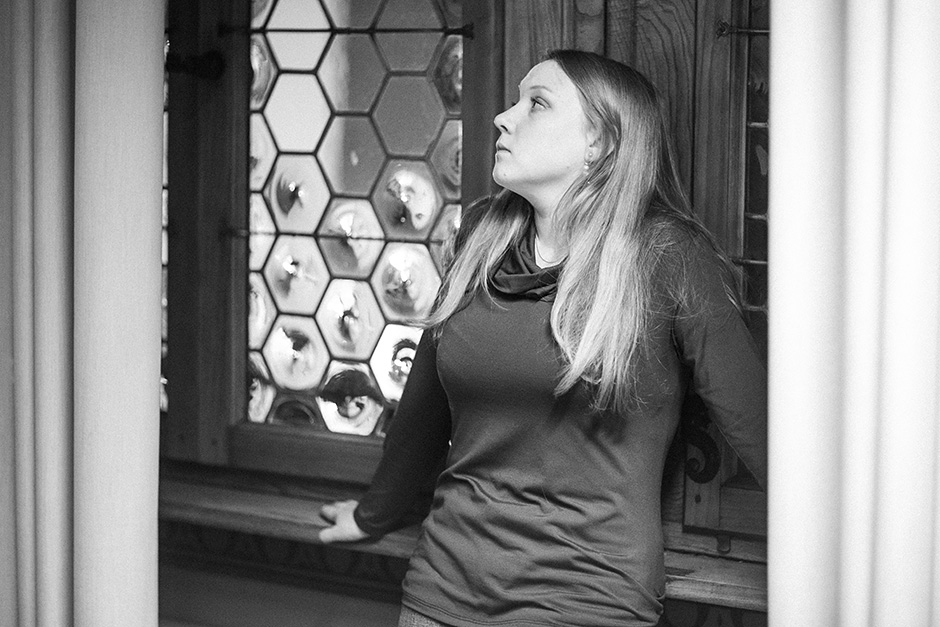
Chiara Banchini: spazio ai giovani talenti di Theresia
By Emilia Campagna - November 20, 2015
Chiara Banchini racconta il programma dei prossimi concerti
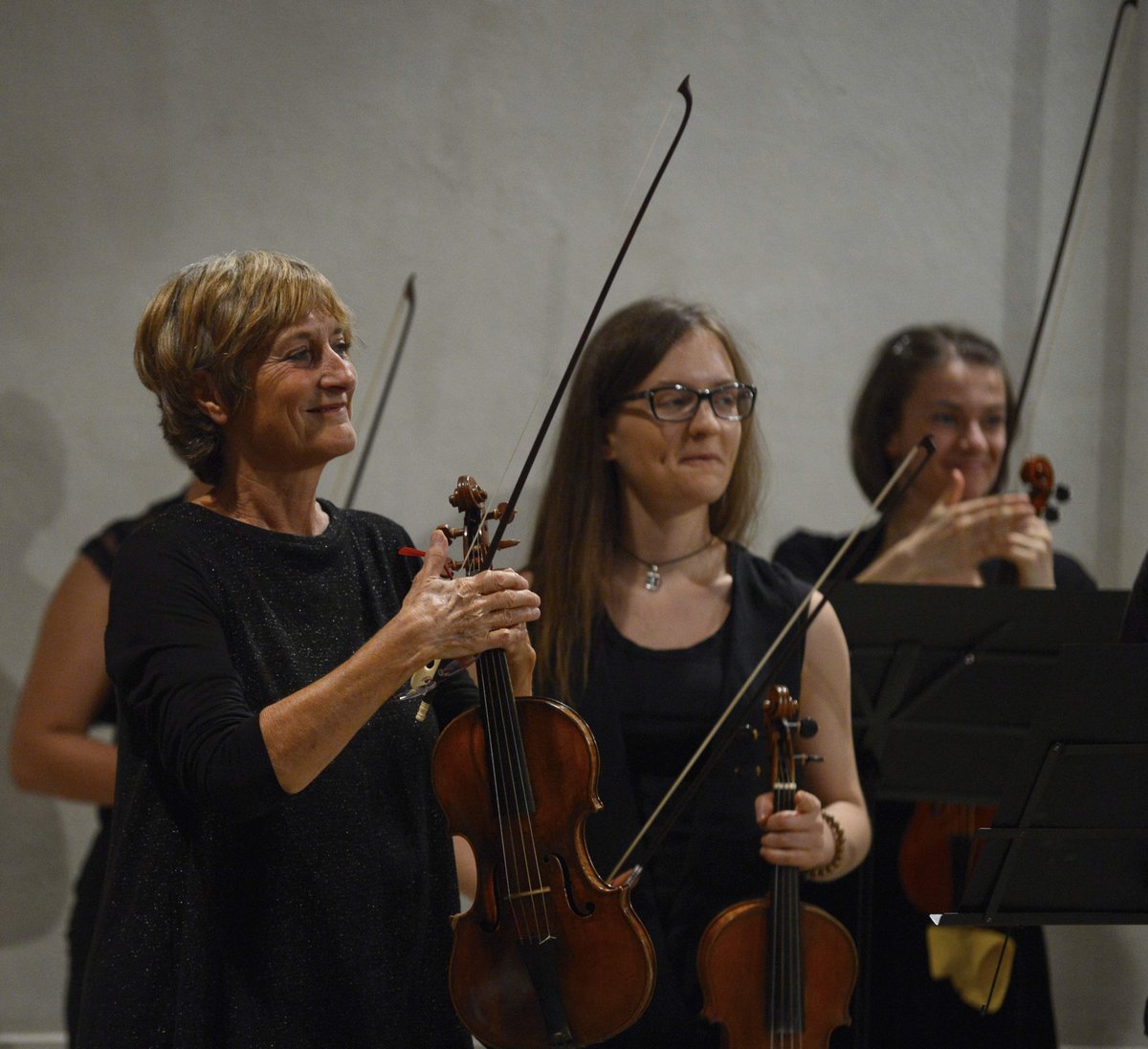
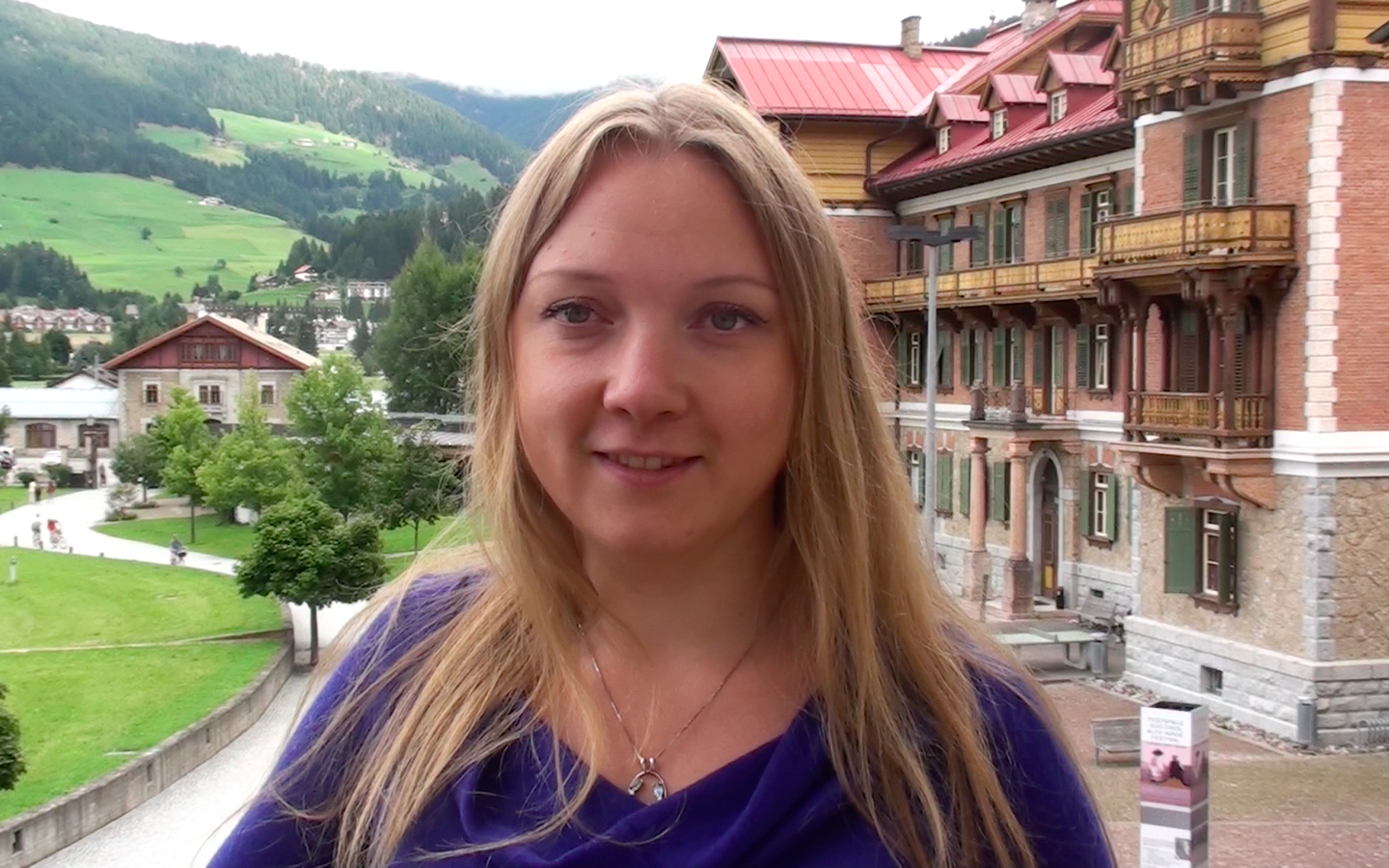
Abbiamo incontrato Chiara Banchini per farci raccontare il programma dei concerti a Lodi (il 21 novembre per l’inaugurazione degli Amici della Musica “A. Schmid”) e Padova (22 novembre nell’ambito di Musikè). Un programma che corrisponde all’inesauribile curiosità di Chiara Banchini, ed esprime la sua voglia di valorizzare compositori poco eseguiti (come il caso di Boccherini) e dare spazio ai giovani talenti: al centro del programma vi è infatti la Sinfonia Concertante C44 di Johann Christian Bach, e soliste saranno alcune musiciste di Theresia: la flautista Laura Lovisa, le violiniste Klaudia Matlak e Agnieszka Papierska e la violioncellista Maria Misiarz.
We met Chiara Banchini and asked her to tell us about the program of the concert that TYBO will do in Lodi and Padua. The music chosen reflects Chiara Banchini’s endless curiosity, and expresses her wish to enhance rarely performed composers and give space to youngtalented musicians. At the heart of the program there is Simphonie Concertante C44 by Johann Christian Bach: the four soloist are all TYBO musicians: Laura Lovisa (flute), Klaudia Matlak and Agnieszka Papierska (violin) and Maria Misiarz (cello).
Opening music: J. Ch. Bach, Sinfonia Concertante C44 (rehearsal)
More than a Symphony, more than a Concerto: J.C. Bach and the “symphonie concertante”
By Emilia Campagna - November 14, 2015
At the heart of our next performance there is the Symphony Concertante C44 by Johann Christian Bach. It was Chiara Banchini herself to choose to perform this piece with Theresia; and it was Chiara Banchini to pick out the soloists (Klaudia Matlak, Agnieszka Papierska, Laura Lovisa and Maria Misiarz) from the orchestra. Let us introduce […]
At the heart of our next performance there is the Symphony Concertante C44 by Johann Christian Bach. It was Chiara Banchini herself to choose to perform this piece with Theresia; and it was Chiara Banchini to pick out the soloists (Klaudia Matlak, Agnieszka Papierska, Laura Lovisa and Maria Misiarz) from the orchestra.
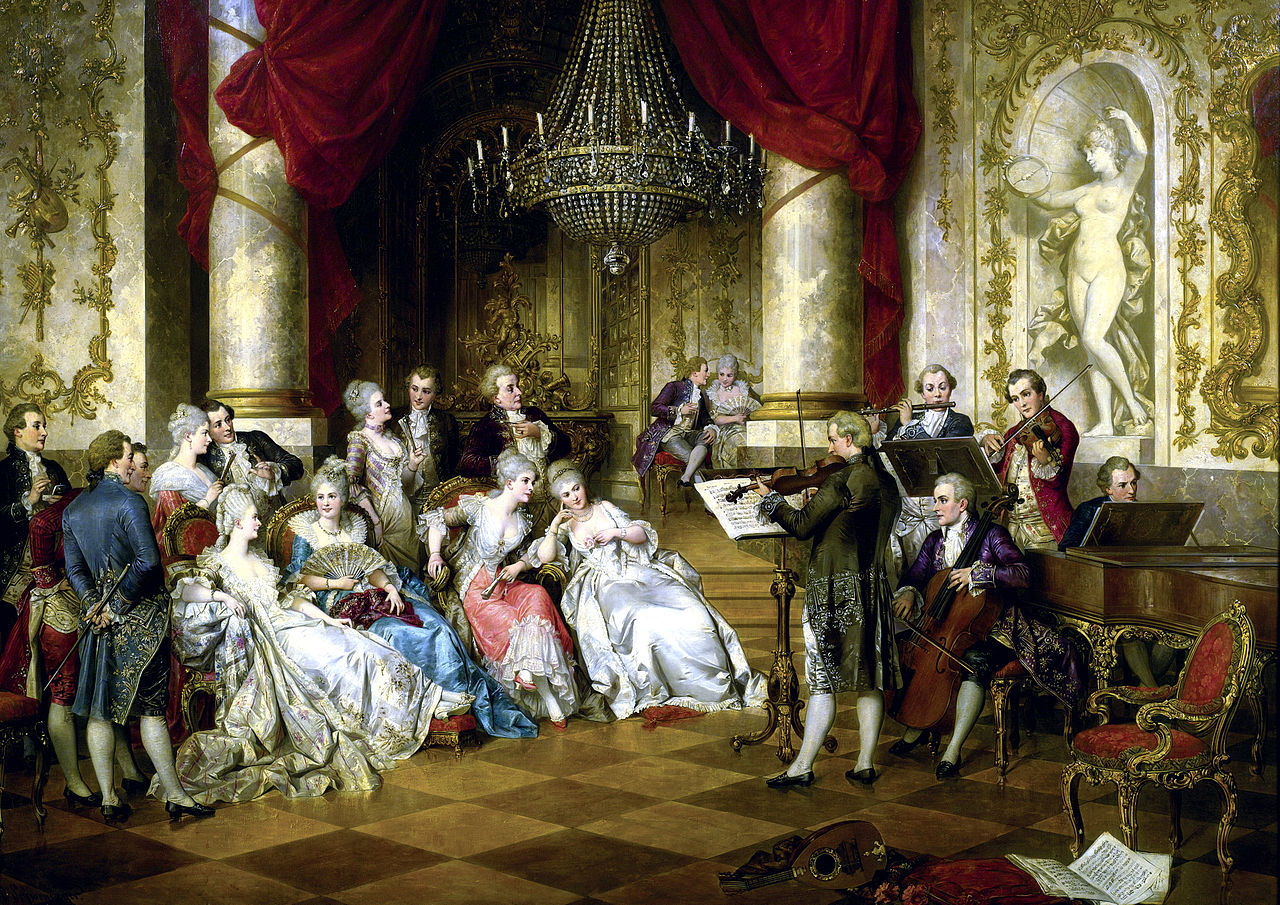
Let us introduce you this special genre: not a Symphony, non just a concert for solo and orchestra, the symphonie concertante is a French form that evolved in Paris around 1750 essentially replacing the then outdated Baroque concerto grosso; composers active in the genre were overwhelmingly French. Usually parsed out in three movements – though Bach sometimes uses two – the Symphonie Concertante is very close to the form of multiple concerto where at least two or more soloists are featured in addition to the orchestra. The symphonie concertante is different from the concerto because the soloists advance melodic material and participate in moving along the development schemes, functioning as in a symphony, rather than performing a single, showy musical part in the manner of a concerto. The symphonie concertante was most popular at a time when public concerts were becoming all the rage and it was advantageous to get as many star soloists out in front of the band as possible. It was all but dead by 1820, killed by the advent of touring virtuosos who always preferred to fly solo, not to mention the rise of the “cult of the individual” arriving in the wake of the Napoleonic Wars.
Bach composed at least 15 symphonie concertante, which places him roughly third in the overall output in the genre after Giuseppe Maria Cambini (82!) and Carl Stamitz (38). They were composed in two batches; one for the Concerts Spirituel in Paris, the home of the symphonie concertante, boasting an orchestra led by the great violinist Chevalier de Saint-Georges, and the other for the Bach/Abel concerts in London, of which Bach himself was co-leader. While the form may be French, Bach’s style is Italo-German, informed by his studies with Padre Martini, his brother Carl Philip Emanuel Bach, and with his father. J.C Bach’s Symphonie Concertante, with their multiples of instruments talking back and forth over short stretches of music, maintain a kind of stylistic universality even as the instrumental timbres are constantly shifting around. The effect is often kaleidoscopic and adds considerable depth and dimension to Bach’s tightly constructed music and its hard-won subtleties.
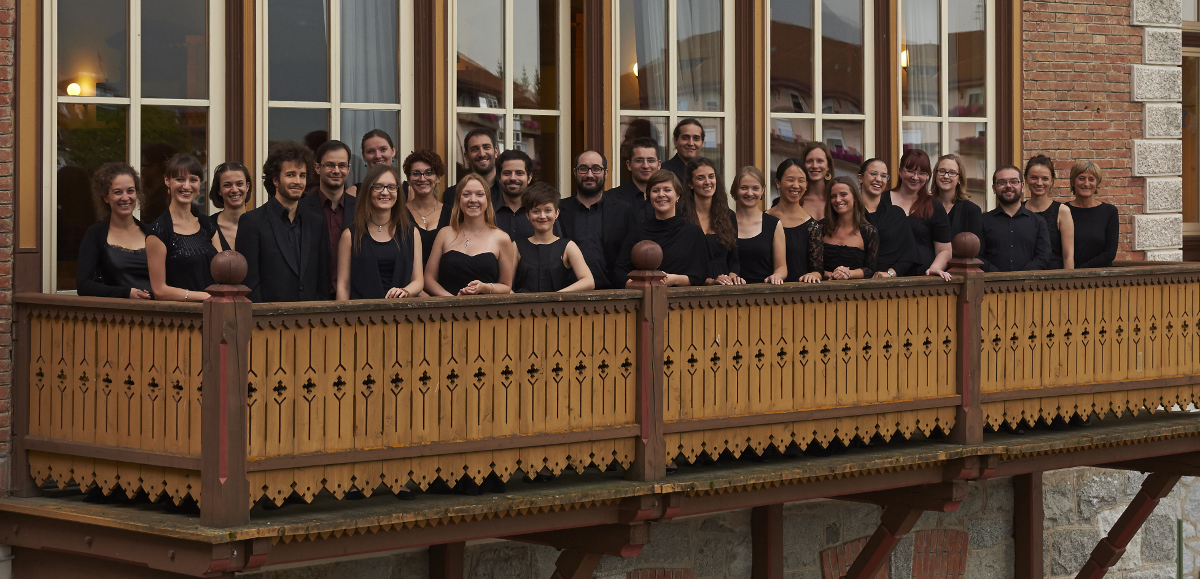
Si sono appena spenti i riflettori sul set del film Zoroastro e già Theresia è pronta per un nuovo stage e nuovi concerti. L’orchestra sarà a Lodi dal 16 al 21 novembre per lavorare nuovamente con Chiara Banchini dopo l’entusiasmante esperienza della scorsa estate a Dobbiaco e preparerà un nuovo programma che verrà eseguito sabato 21 a Lodi e domenica 22 a Padova.
Per l’occasione, Chiara Banchini ha scelto un programma che prosegue il lavoro fatto nei mesi scorsi, riproponendo l’Ouverture dall'”Isola Disabitata” di Haydn e tornando ad affrontare Boccherini, questa volta con la Sinfonia in re maggiore op. 42: il repertorio di Theresia si arricchisce dunque ulteriormente nell’approfondimento dei lavori del compositore italiano, di cui ha già eseguito in precedenti concerti l’Ouverture in re maggiore op. 43, la Sinfonia in do minore op, 41 e Sinfonia n. 27 in re maggiore G520.
E non manca naturalmente l’attenzione alla famiglia Bach: orchestra votata al classicismo, Theresia da sempre esploira il repertorio dei Bach “figli”, e in questa occasione ha in programma la Sinfonia in mi minore Wq 178 di Carl Philip Emanuel Bach e la Sinfonia concertante in mi maggiore per flauto, due violini, violoncello e orchestra C 44 di Johann Christian. Quest’ultima pagina è stata fortemente voluta da Chiara Banchini per valorizzare la dimensione “concertante” di Theresia: nella migliore tradizione dell’orchestra, le quattro musiciste impegnate nelle parti solistiche sono infatti tutte componenti di Theresia: Laura Lovisa al flauto, Agnieszka Papierska e Klaudia Matlak al violino, Maria Misiarz al violoncello.
translation by: Charlotte Michi Assen Boyadjiev is the second soloist that played with Theresia this summer: he played the fortepiano, Olga Pashchenko the harpsichord. Also Assen is an acquaintance of Theresia, he took part at the Premio Ferrari in 2012, winning the Second Place and the “Theresia” Special Price for the best performance of a concert written by Mozart. 34 years, he […]
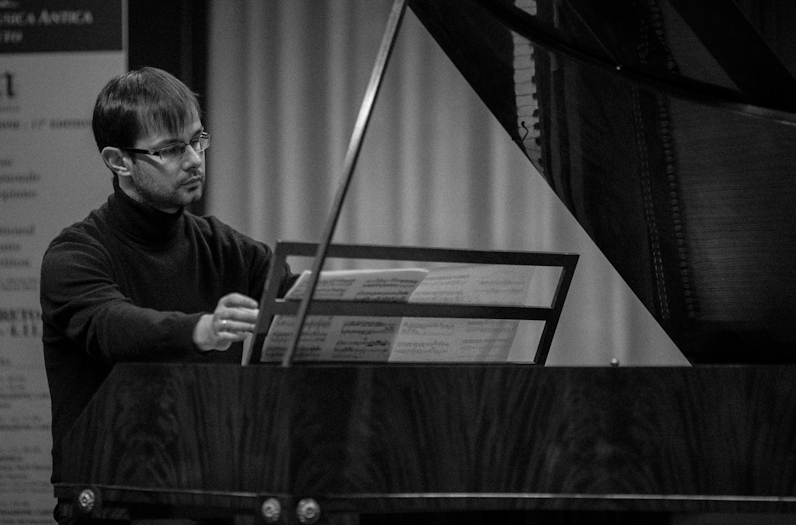
Assen Boyadjiev is the second soloist that played with Theresia this summer: he played the fortepiano, Olga Pashchenko the harpsichord. Also Assen is an acquaintance of Theresia, he took part at the Premio Ferrari in 2012, winning the Second Place and the “Theresia” Special Price for the best performance of a concert written by Mozart. 34 years, he was born and grew up in Bulgaria but lives in Hannover since the age of 18: “I moved to Hannover to study, and except for an experience at the Cornwell University in 2008, where I specialized with Malcolm Bilson, I have always been in Germany. Even after finishing my studies – I obtained the last degree in 2010 – I remained in Hannover, where I teach performance practices on early keyboards.”
The keyboard world is immense: you have specialized in one field or you continue to play the piano beside the harpsichord and the fortepiano?
“I never abandoned the modern piano and sometimes I still play it in concert: but my primary interest is the fortepiano, the early instrument, in which all those technical features that make “modern” today’s piano are lacking. In this sense my repertoire ranges up to Debussy: he played Pleyel and Erard pianos, that have no crossed strings like Steinway. Thus they are still fortepianos, even if the boundary is very thin. Exploring this border is something that fascinates me a lot.”
To switch from the modern piano to the fortepiano is a matter of technique?
“Not necessarily: it’s rather the sound that changes, due to the construction differences I mentioned before: the color is different, also there is a difference in the registers that in the modern piano disappeared for the benefit of a greater consistency between high notes and low notes.”
What have we gained and what have we lost in the transition from fortepiano to pianoforte?
“Culture and taste change, and so do habits: in the eighteenth century music was performed in small rooms, and the low volume of the fortepiano was not a problem. But today concert halls are immense, and obviously the organizers want to fill them. If we think of the Carnegie Hall: of course listeners of the last rows can not grasp the subtleties of the sound of fortepiano. I like to do this example: a modern piano is like a big red German sedan, perfect to drive fast and safe on the highway: but what if we have to drive in the alleys of Palermo? The car becomes cumbersome, the risk of scratching it is high, we get stuck and this stress ruins the pleasure of observing all the details that surround us. If we go on horseback, instead, we go slower but we enjoy the trip. To change metaphor, the music of Mozart is like the architecture of an eighteenth-century city: playing it on the piano means you have to accept continuous compromises.”
Let’s talk about CPE Bach’s Concert: have you ever played it before?
“No, and I am very glad for this opportunity: the Double Concerto has been the most popular composition of CPE Bach, because it’s special and spectacular music, that puts together the two instruments highlighting their features: there are many passages in Olga’s part where the baroque style of the harpsichord features the writing. If we switched the parts and I played hers on the fortepiano, and vice versa, we would loose the special flavor of the music.”
How is it working with Theresia?
“I feel very comfortable, musicians react very fast to the solicitations of Chiara Banchini, which is very open to our comments, to our proposals. I think that this concert is even more difficult for the orchestra than for the soloists: some passages are perfect for the keyboard but much more uncomfortable if played on the violin. What is more Bach asks electricity to the orchestra from the very first notes.”
translation by: Charlotte Michi Olga Pashchenko is the harpsichordist that has been soloist with Assen Boyadjiev in the Concert for harpsichord, fortepiano and orchestra by Carl Philip Emanuel Bach we performed this summer: it was not the first time we met her, she played with Theresia in 2012, during the final of Premio Ferrari. After […]
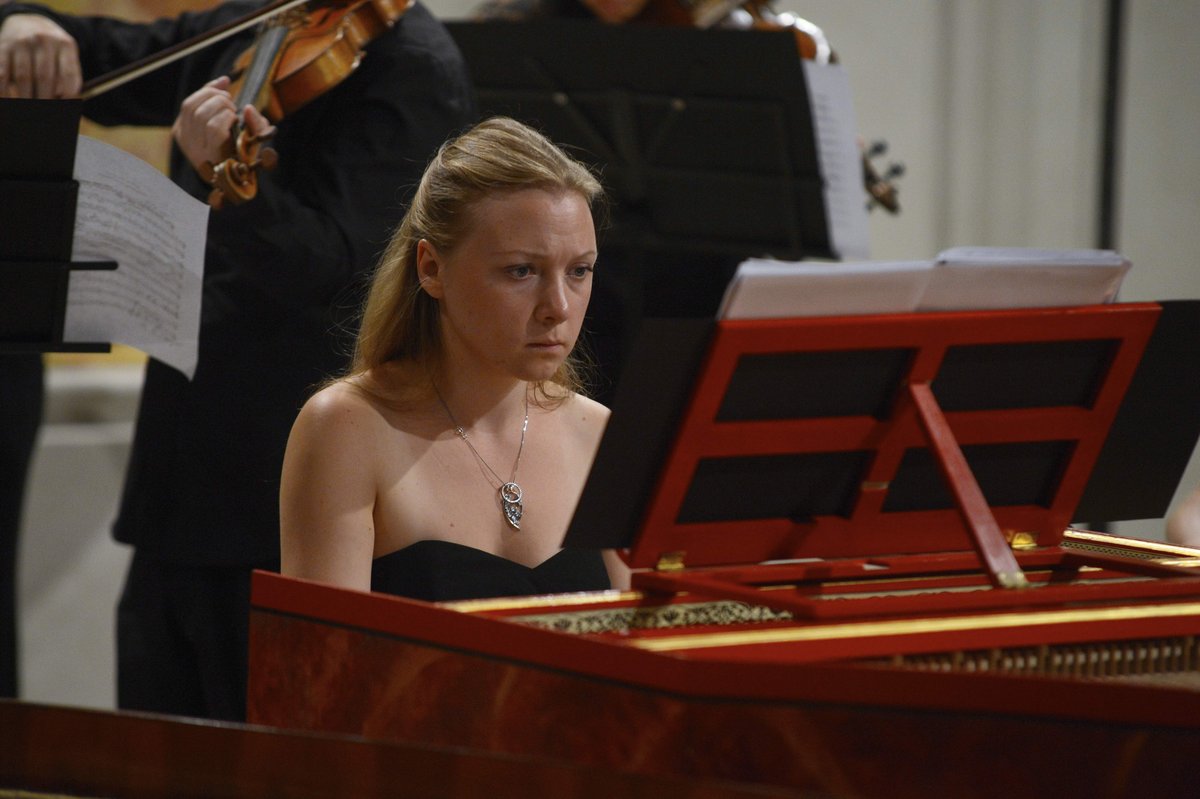
Olga Pashchenko is the harpsichordist that has been soloist with Assen Boyadjiev in the Concert for harpsichord, fortepiano and orchestra by Carl Philip Emanuel Bach we performed this summer: it was not the first time we met her, she played with Theresia in 2012, during the final of Premio Ferrari. After three years we asked her how her professional life is going. Born in Russia, 28 years old, Olga lives in Amsterdam, where she concluded her studies last year by graduating in harpsichord: “Actually the one I obtained in Amsterdam is only the last of my many degrees: I first graduated in Russia in four different specializations, piano, harpsichord, fortepiano and organ, then I followed courses in Amsterdam, getting a diploma in fortepiano in 2013 and in harpsichord in 2014.”
Did you decided to specialize in early music?
“To be honest not: I go on playing also the organ and modern piano, therefore my repertoire goes from baroque music to contemporary music. Also with the harpsichord I do not just play early music, I also play Ligeti (Contiuum e Hungarian Rock) and Xenakis.”
Many of your colleagues prefer to concentrate on a more focused repertoire, can we say that you are eclectic?
“Yes, for sure I am, I am inquiring and I think it is very funny and challenging to play four instruments and to face such a vast repertoire.”
What is the difficulty in switching from one instrument to the other?
“From a technical point of view obviously each of the four instruments has its properties, and you need to find the right concentration to change attitude. But it’s a bit like having four different friends, and get to know each of them very well, each with its particularities.”
How do you organize your work? In the period before a concert do you devote yourself exclusively to the instrument that you will be playing?
“That would be nice but it’s impossible, I often have commitments that overlap and I have to study at the same time more repertoires. Of course, it never happens that in the same day I play all the four instruments: I wouldn’t have the time! I can devote myself exclusively to one instrument only in the days just before the concert, like it happened in Dobbiaco during the stage with Theresia.”
About playing more instruments, let’s talk about CPE Bach’s Concert, written for harpsichord and fortepiano: had you ever performed this concert before?
“No. I knew this piece but I had never studied it. It’s a really interesting composition, especially considering the fact that at the time of CPE Bach composers wrote for keyboard often without indicating precisely for which instrument the piece was written. In this case, instead, two different keyboards, the harpsichord and the fortepiano, are clearly indicated.”
You already played with Theresia three years ago during the Premio Ferrari for fortepiano, winning the First Price: what has that experience meant to you?
“It has been very important: rarely it occurs to play so much the fortepiano in a competition. I played solo repertoire and two concerts, one of them written by Ferrari that I unfortunately had not the chance to perform again.”
After the first rehearsal in Dobbiaco with Theresia and Chiara Banchini what is your impression?
“Excellent, of course: it’s nice to work with Chiara Banchini because she plays and performs at the same time, she drives the orchestra with authority and at the same time she is part of it.”
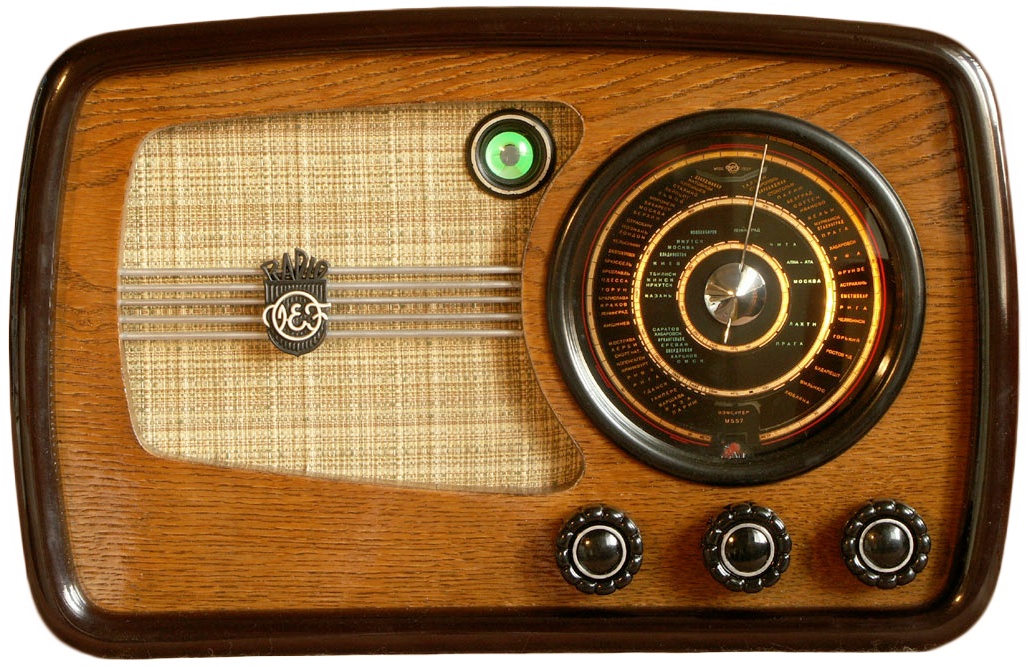
[row padding_top=”” padding_bottom=”” bg=”” bg_light=”true” appear=”false”] [column size=”1-2″ appear=”false”]Ecco il podcast dell’intervista che la trasmissione Radio3 Suite ha fatto a Chiara Banchini due giorni prima del concerto di Bolzano. Siamo felici di una così ampia attenzione alle nostre attività![/column] [column size=”1-2″ appear=”false”]Radio 3 Suite, the main musical radio program on italian national radio, interviewed Chiara […]
[row padding_top=”” padding_bottom=”” bg=”” bg_light=”true” appear=”false”] [column size=”1-2″ appear=”false”]Ecco il podcast dell’intervista che la trasmissione Radio3 Suite ha fatto a Chiara Banchini due giorni prima del concerto di Bolzano. Siamo felici di una così ampia attenzione alle nostre attività![/column] [column size=”1-2″ appear=”false”]Radio 3 Suite, the main musical radio program on italian national radio, interviewed Chiara Banchini two days before our concert in Bolzano. Here you can hear to the podcast (in italian only)
Double interview: Olga Pashchenko and Assen Boyadjiev
By admin - August 21, 2015
Olga Pashchenko and Assen Boyadjiev will be performing with the “Theresia Youth Baroque Orchestra”, conducted by Chiara Banchini, Carl Philipp Emanuel Bach’s double Concert for Harspichord. Fortepiano and Orchestra in Dobbiaco and Bolzano. We made a short video-interview during the rehearsal at the Centro Culturale of The Grand Hotel in Dobbiaco!
Olga Pashchenko and Assen Boyadjiev will be performing with the “Theresia Youth Baroque Orchestra”, conducted by Chiara Banchini, Carl Philipp Emanuel Bach’s double Concert for Harspichord. Fortepiano and Orchestra in Dobbiaco and Bolzano.
We made a short video-interview during the rehearsal at the Centro Culturale of The Grand Hotel in Dobbiaco!
Incontriamo Assen Boyadjiev, protagonista al fortepiano nel Doppio Concerto di CPE Bach
Assen Boyadjiev è il secondo solista che si esibirà con Theresia: lui al fortepiano, Olga Pashchenko al clavicembalo, anche Assen è una conoscenza di Theresia, perché anche lui nel 2012 partecipò al Premio Ferrari aggiudicandosi il Secondo Premio e il Premio Speciale “Theresia” per la miglior esecuzione di un concerto di Mozart. 34 anni, è nato e cresciuto in Bulgaria, ma vive ad Hannover da quando ne aveva 18: “Mi sono trasferito ad Hannover per studiare, e a parte un’esperienza nel 2008 alla Cornwell University dove mi sono perfezionato con Malcolm Bilson, sono sempre rimasto in Germania. Anche dopo aver finito gli studi – l’ultimo diploma l’ho conseguito nel 2010 – sono restato ad Hannover, dove svolgo la mia attività di docente insegnando Prassi esecutive sulle tastiere antiche.”
Quello delle tastiere è un mondo immenso: tu ti sei specializzato in un solo ambito o hai continuato a suonare il pianoforte accanto a clavicembalo e fortepiano?
“Il pianoforte moderno non l’ho abbandonato e lo suono occasionalmente in concerto: ma il mio principale interesse è il fortepiano, ovvero lo strumento antico, in cui mancano quegli accorgimenti tecnici che rendono “moderno” il pianoforte odierno. In questo senso il mio repertorio va fino a Debussy: lui suonava pianoforti Pleyel ed Erard, che non hanno le corde incrociate come gli Steinway. Sono dunque ancora fortepiani, anche se il confine è a quel punto molto sottile. E proprio esplorare questo confine è una cosa che mi appassiona molto.”
Passare dal pianoforte moderno al fortepiano è una questione di tecnica?
“Non necessariamente: piuttosto, è il suono che cambia, proprio per le differenze di costruzione a cui accennavo prima: il colore è diverso, inoltre c’è una differenza nei registri che nel pianoforte moderno invece è sparita a favore di una maggiore omogeneità tra bassi e alti.”
Cosa abbiamo guadagnato e cosa abbiamo perso nel passaggio tra fortepiano e pianoforte?
“La cultura e il gusto cambiano, e così le abitudini: nel Settecento la musica si faceva in piccole sale, e il volume ridotto del fortepiano non era un problema. Ma oggi le sale da concerto sono immense, e naturalmente gli organizzatori vogliono riempirle. Pensiamo alla Carnegie Hall: certo gli ascoltatori delle ultime file non potrebbero cogliere tutte le finezze del suono del fortepiano. A me piace fare questo esempio: un pianoforte moderno è come una grande berlina tedesca, perfetta per andare veloci e sicuri su un’autostrada: ma se si deve guidare nei vicoli di Palermo? Diventa ingombrante, rischiamo di graffiarla, restiamo bloccati e questo stress rovina il piacere di tutti i dettagli che ci circondano. Se andiamo a cavallo, invece, si va molto più piano ma ci si gode il viaggio. E per cambiare ancora metafora, la musica di Mozart è come l’architettura di una città settecentesca: suonarla sul pianoforte moderno significa accettare continui compromessi.”
Parliamo del Concerto di CPE Bach: l’avevi mai suonato prima?
“No, e sono molto contento di questa occasione: il Doppio Concerto è stata la composizione più popolare di CPE Bach, perché è una musica speciale e spettacolare, che mette insieme i due strumenti esaltandone le caratteristiche: ci sono infatti molti passaggi nella parte di Olga in cui lo stile barocco del clavicembalo caratterizza la scrittura. Se ci scambiassimo le parti e io suonassi la sua al fortepiano, e viceversa, questo farebbe perdere il sapore speciale della musica.”
Com’è il lavoro in questi giorni con Theresia?
“Mi trovo molto bene, i musicisti dell’orchestra sono molto veloci a reagire alle sollecitazioni di Chiara Banchini, che peraltro è anche molto aperta ai nostri commenti, alle nostre proposte. Credo che per l’orchestra questo concerto sia ancora più difficile che per i due solisti: certi passaggi sono perfetti per la tastiera, molto più scomodi se li si suona con il violino. Inoltre Bach chiede elettricità all’orchestra fin dalle prime note.”
Assen Boyadjiev is the second soloist that played with Theresia this summer: he played the fortepiano, Olga Pashchenko the harpsichord. Also Assen is an acquaintance of Theresia, he took part at the Premio Ferrari in 2012, winning the Second Place and the “Theresia” Special Price for the best performance of a concert written by Mozart. 34 years, he was born and grew up in Bulgaria but lives in Hannover since the age of 18: “I moved to Hannover to study, and except for an experience at the Cornwell University in 2008, where I specialized with Malcolm Bilson, I have always been in Germany. Even after finishing my studies – I obtained the last degree in 2010 – I remained in Hannover, where I teach performance practices on early keyboards.”
The keyboard world is immense: you have specialized in one field or you continue to play the piano beside the harpsichord and the fortepiano?
“I never abandoned the modern piano and sometimes I still play it in concert: but my primary interest is the fortepiano, the early instrument, in which all those technical features that make “modern” today’s piano are lacking. In this sense my repertoire ranges up to Debussy: he played Pleyel and Erard pianos, that have no crossed strings like Steinway. Thus they are still fortepianos, even if the boundary is very thin. Exploring this border is something that fascinates me a lot.”
To switch from the modern piano to the fortepiano is a matter of technique?
“Not necessarily: it’s rather the sound that changes, due to the construction differences I mentioned before: the color is different, also there is a difference in the registers that in the modern piano disappeared for the benefit of a greater consistency between high notes and low notes.”
What have we gained and what have we lost in the transition from fortepiano to pianoforte?
“Culture and taste change, and so do habits: in the eighteenth century music was performed in small rooms, and the low volume of the fortepiano was not a problem. But today concert halls are immense, and obviously the organizers want to fill them. If we think of the Carnegie Hall: of course listeners of the last rows can not grasp the subtleties of the sound of fortepiano. I like to do this example: a modern piano is like a big red German sedan, perfect to drive fast and safe on the highway: but what if we have to drive in the alleys of Palermo? The car becomes cumbersome, the risk of scratching it is high, we get stuck and this stress ruins the pleasure of observing all the details that surround us. If we go on horseback, instead, we go slower but we enjoy the trip. To change metaphor, the music of Mozart is like the architecture of an eighteenth-century city: playing it on the piano means you have to accept continuous compromises.”
Let’s talk about CPE Bach’s Concert: have you ever played it before?
“No, and I am very glad for this opportunity: the Double Concerto has been the most popular composition of CPE Bach, because it’s special and spectacular music, that puts together the two instruments highlighting their features: there are many passages in Olga’s part where the baroque style of the harpsichord features the writing. If we switched the parts and I played hers on the fortepiano, and vice versa, we would loose the special flavor of the music.”
How is it working with Theresia?
“I feel very comfortable, musicians react very fast to the solicitations of Chiara Banchini, which is very open to our comments, to our proposals. I think that this concert is even more difficult for the orchestra than for the soloists: some passages are perfect for the keyboard but much more uncomfortable if played on the violin. What is more Bach asks electricity to the orchestra from the very first notes.”
Intervista a Olga Pashchenko, solista con Theresia
Olga Pashchenko è la clavicembalista che sarà solista assieme a Assen Boyadjiev nel Concerto per clavicembalo fortepiano e orchestra di Carl Philip Emanuel Bach: non è la prima volta che la incontriamo perché suonò con Theresia nel 2012, nella Finale del Premio Ferrari. Dopo tre anni, ci siamo fatti raccontare come va la sua vita professionale. Nata in Russia, 28 anni, Olga vive ad Amsterdam, dove lo scorso anno ha concluso gli studi diplomandosi in clavicembalo: “Quello di Amsterdam in verità è stato l’ultimo dei miei tanti diplomi: prima mi sono laureata in Russia in quattro diverse specializzazioni, pianoforte, clavicembalo, fortepiano e organo, poi ad Amsterdam ho seguito i corsi diplomandomi in fortepiano nel 2013 e in clavicembalo nel 2014.”
Hai deciso di specializzarti nell’ambito della musica antica?
“A dire il vero no: continuo a suonare anche l’organo e il pianoforte moderno, quindi il mio repertorio va dal Barocco alla musica contemporanea. Anche con il clavicembalo non mi limito all’antica, suono Ligeti (Contiuum e Hungarian Rock) e Xenakis.”
Molti tuoi colleghi preferiscono concentrarsi su un repertorio molto più focalizzato, possiamo dire che tu invece sei eclettica?
“Sì, lo sono sicuramente, sono curiosa e trovo molto divertente e stimolante suonare quattro strumenti e affrontare un repertorio così vasto.”
Qual è la difficoltà nel passare da uno strumento all’altro?
“Dal punto di vista tecnico ovviamente ognuno dei quattro strumenti ha le sue caratteristiche, e serve la giusta concentrazione per cambiare atteggiamento. Ma è un po’ come avere quattro amici diversi, e conoscerli a fondo, ognuno con le sue particolarità.”
Come organizzi il tuo lavoro? Nel periodo che precede un concerto ti dedichi esclusivamente allo strumento che dovrai suonare?
“Sarebbe bello ma non è possibile, perché spesso ho impegni che si sovrappongono e devo sudiare contemporaneamente più repertori. Certo, non succede che nella stessa giornata io li suoni tutti e quattro: non ne avrei il tempo! Però posso dedicarmi esclusivamente ad un solo strumento solamente nei giorni immediatamente precedenti il concerto, come accade qui a Dobbiaco durante lo stage con Theresia.”
A proposito del fatto di suonare più strumenti, parliamo del Concerto di CPE Bach, scritto per clavicembalo e fortepiano: l’avevi già eseguito in precedenza? “No. Lo conoscevo ma non l’avevo mai studiato. E’ una composizione interessantissima, soprattutto pensando al fatto che al tempo di CPE Bach i compositori scrivevano per tastiera spesso senza indicare precisamente a che strumento era destinato il pezzo. In questo caso invece sono indicati chiaramente due strumenti a tastiera diversi come il clavicembalo e il fortepiano.”
Hai già suonato con Theresia tre anni fa in occasione del Premio Ferrari per fortepiano, vincendo il Primo Premio: che cosa ha significato per te quell’esperienza?
“E’ stata molto importante: raramente si ha l’occasione di suonare così tanto il fortepiano in concorso. Avevo presentato repertorio solistico e due concerti, di cui uno di Ferrari che purtroppo non ho più potuto eseguire.”
Dopo la prima prova qui a Dobbiaco con Theresia e Chiara Banchini qual è stata la tua impressione?
“Ottima, naturalmente: è bello lavorare con Chiara Banchini perché lei suona e dirige contemporaneamente, quindi guida autorevolmente l’orchestra ma allo stesso tempo ne fa parte.”
In diretta su Periscope le lezioni in cui Chiara Banchini approfondirà il “Trattato sull'Arte di Suonare gli Strumenti a Tastiera” di C.P.E. Bach
Gli archi di Theresia Youth Baroque Orchestra saranno impegnati in uno stage di due giorni (dal 14 al 15 agosto) durante il quale la violinista e direttrice Chiara Banchini lavorerà con i musicisti (da soli o in gruppi da camera): le lezioni strumentali sono riservate agli iscritti allo stage, ma tutti gli appassionati di musica barocca avranno comunque la possibilità di cogliere le perle di saggezza della famosa violinista. Ogni mattina infatti è prevista una lezione in cui Chiara Banchini approfondirà il “Trattato sull’Arte di Suonare gli Strumenti a Tastiera” di C.P.E. Bach, compositore che sarà al centro dei concerti in programma il 21 agosto a Dobbiaco e il 22 a Bolzano: le lezioni saranno trasmesse alle 10.30 ora italianain diretta su Periscope, la app di Twitter che permette agli utenti iscritti non solo di assistere come spettatori ma anche di interagire con i video trasmessi in streaming. Basterà seguire @Theresiatwitt, l’account della Theresia Youth Baroque Orchestra e si avrà così la possibilità di assistere ad una parte dello stage di Chiara Banchini, punto di riferimento per quanti vogliano affrontare il repertorio barocco e classico su strumenti originali.
Lo stage si svolgerà nelle belle sale di Palazzo Sbardellati, a Rovereto: questa iniziativa aggiunge un ulteriore tassello alle attività di Theresia, segnando un nuovo modo di intendere il mecenatismo. L’idea è quella di rendere ancora più accessibile a chi studia o è interessato alla musica barocca le lezioni di una musicista di riferimento come Chiara Banchini, grazie all’utilizzo degli strumenti che la tecnologia mette a disposizione. Un’occasione per dare ulteriormente valore e rilievo all’aspetto educativo del progetto Theresia, di cui l’orchestra fa parte.
We use cookies to ensure that we give you the best experience on our website. If you continue to use this site we will assume that you are happy with it.