Today is Earth Day! It’s a special day to mark the birth of the modern environmental movement in 1970. As we celebrate this day, we’re would like to share what kind of actions we have taken to offset or reduce the carbon emissions resulting from our orchestra’s activities. We’ve connected with Matteo Molteni, Sustainability consultant at Up2You, the specialized company that has collaborated with us to device a custom carbon offset strategy for our orchestra.
Matteo Molteni, what does Theresia’s carbon offsetting activity involve?
The carbon offsetting activity spans three years, during which we quantify the emissions stemming from musicians’ travel and consumption associated with residencies and concerts. With accurate data provided by Theresia’s management, we determine the CO2 emissions and their resulting climate impact. Using this data, we compensate by supporting natural and technological projects around the world that are certified for their high CO2 sequestration capacity.
What nature projects are part of Theresia’s offset activities?
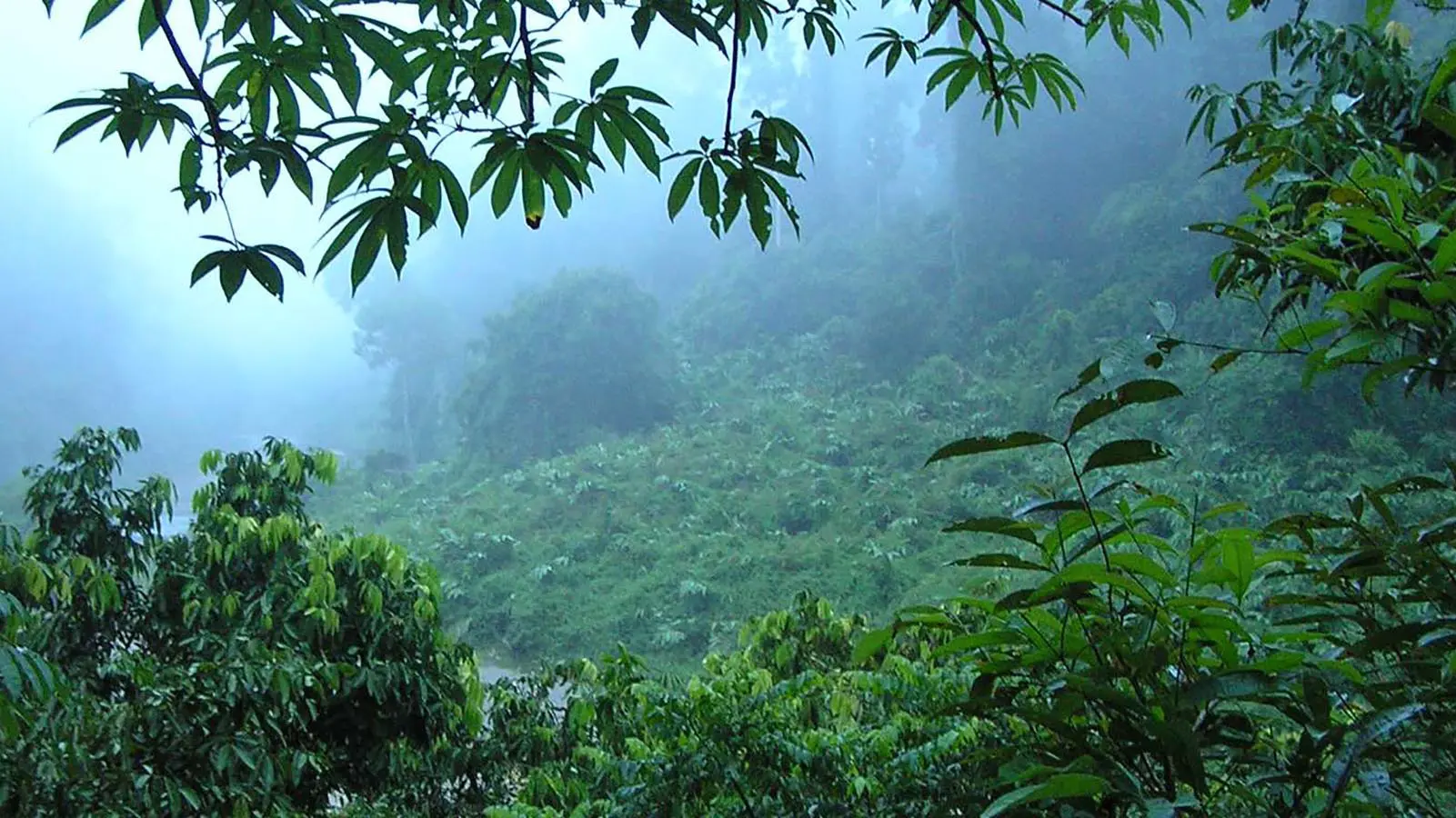
Theresia’s offset activities include two significant projects. Firstly, the Rimba Raya Biodiversity Reserve Project safeguards a buffer forest on Borneo Island, Indonesia. Positioned between a nature park and an industrial zone, it effectively limits the expansion of the industrial area. This project holds international recognition, certified by the non-profit organization Verra. Rimba Raya has garnered two additional certifications from Verra beyond the basic one: the first, CBB (Climate Community and Biodiversity), acknowledges its positive impact on the local community and the protection of endangered species, in this case orangutans. The second certification, ESD VISTA, assesses its contribution to the objectives outlined in the UN’s 2030 Agenda for Development: Rimba Raya aligns with all seventeen goals!

Rimba Raya protects 422 animal species including one of the last populations of wild orangutans in the world.
The second nature project is located in Uruguay and involves the restoration of the Guanarè Forest, formerly degraded pastureland that has been converted into a forest area. The ecosystem has not only been preserved but also revitalized. The project has earned CBB certification from Verra for its significant positive impact on biodiversity and the local community.

Guanaré Forest Plantation. The project is located in the north central region of Uruguay covering an area of 20,000 hectares, annually 127 thousand tons of CO₂ are captured.
What are the technology projects?
The first projects is situated in Brazil and involves the support for constructing a hydroelectric power plant. Given that Brazil, like many other South American countries, predominantly generates electricity from coal-fired power plants, establishing a facility for producing clean energy is not economically feasible without external support. In the complete absence of national public incentives for such initiatives, obtaining international certification has facilitated access to capital, enabling the coverage of construction costs.

Clean energy: inside the power hydroelectric plant
Finally, in China, the Heqing Solar Cooker Project supplies local communities with solar-powered cookers as alternatives to coal-fired ones. This initiative enables the production of clean thermal energy for heating, hot water, and cooking.

Up to the boiling point… The Solar Cooker allows residents to efficiently replace coal with solar energy
How long have you been working on this activity?
Up2You was founded in 2020 and has experienced rapid growth since then. I’ve been with the company since 2022, initially joining a team of 20 people. Now, we have expanded to a team of 50, marking significant growth both for Up2You and the industry as a whole. Our portfolio of projects and clients continues to expand, partly because of the willingness of some companies to integrate sustainable practices, and partly driven by a growing recognition of future regulatory obligations.
Do you have individual customers?
We operate primarily as a business-to-business intermediary, focusing on companies interested in implementing carbon offsetting strategies, such as the ICONS Foundation. BHowever, we’ve observed an increasing number of individuals seeking information and advice from us. As part of our future plans, we are planning to develop software that would enable you as an individual to measure your own carbon footprint.
Do you have other clients in the music industry?
We have previously provided consulting services to measure the environmental impact of music events and concerts, but this is the first time we have worked with an orchestra on an ongoing basis.
How did you quantify the orchestra’s emissions, and what advice do you give Theresia’s musicians to actively reduce their carbon footprint?
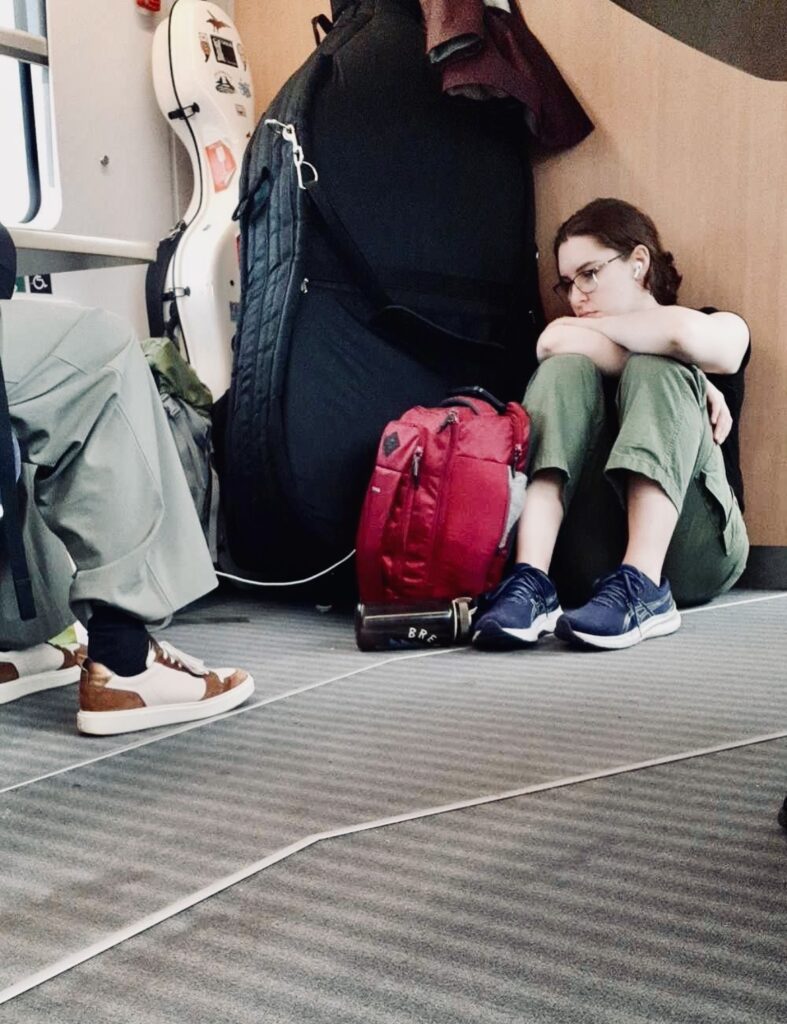
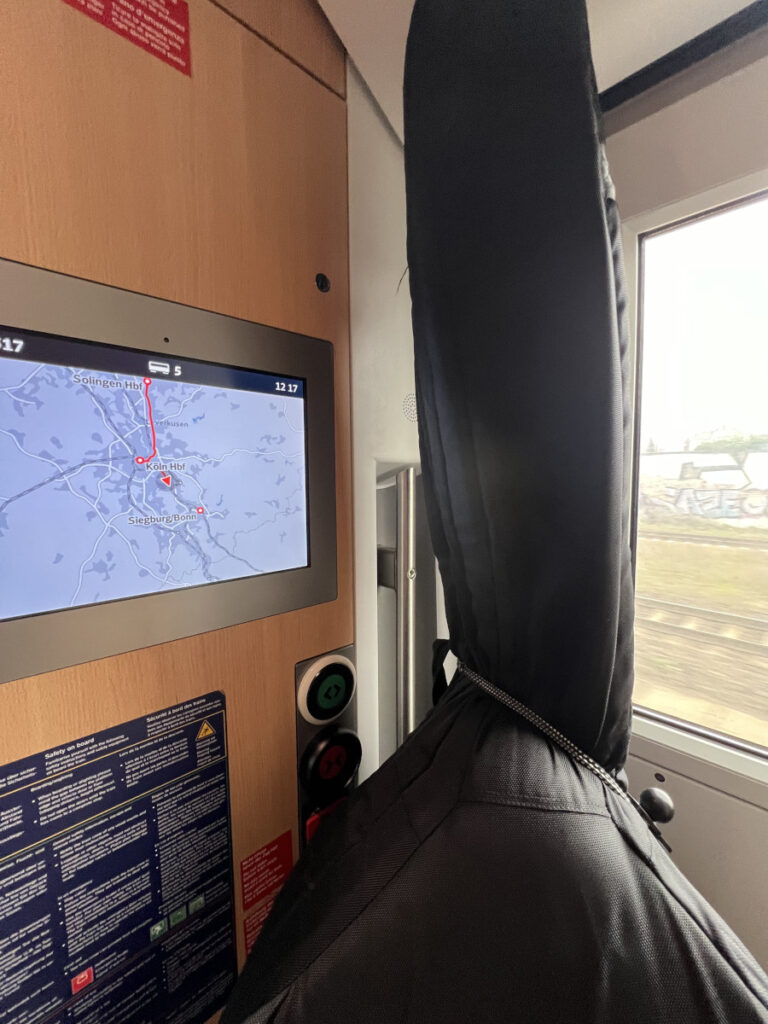
Theresia produced 40 tons of CO2 in 2022 and 34 tons of CO2 in 2023: these values are not particularly high because virtuous behaviours such as using buses and trains for transportation were already in place. If trips were made by plane, the numbers would be much higher! However, there is always room for improvement and the advice is always to carefully consider the logistical aspect, such as combining several concerts in close proximity on the same tour, to minimize travel. Additionally, we recommend the use of trains as much as possible, and if car trips are necessary, to opt for car sharing as much as possible.
Get an overview of Theresia Orchestra’s ongoing offsetting activities.