Meet Theresia: TYBO faces!

By Emilia Campagna - March 16, 2016
What does it mean to be a TYBO face?

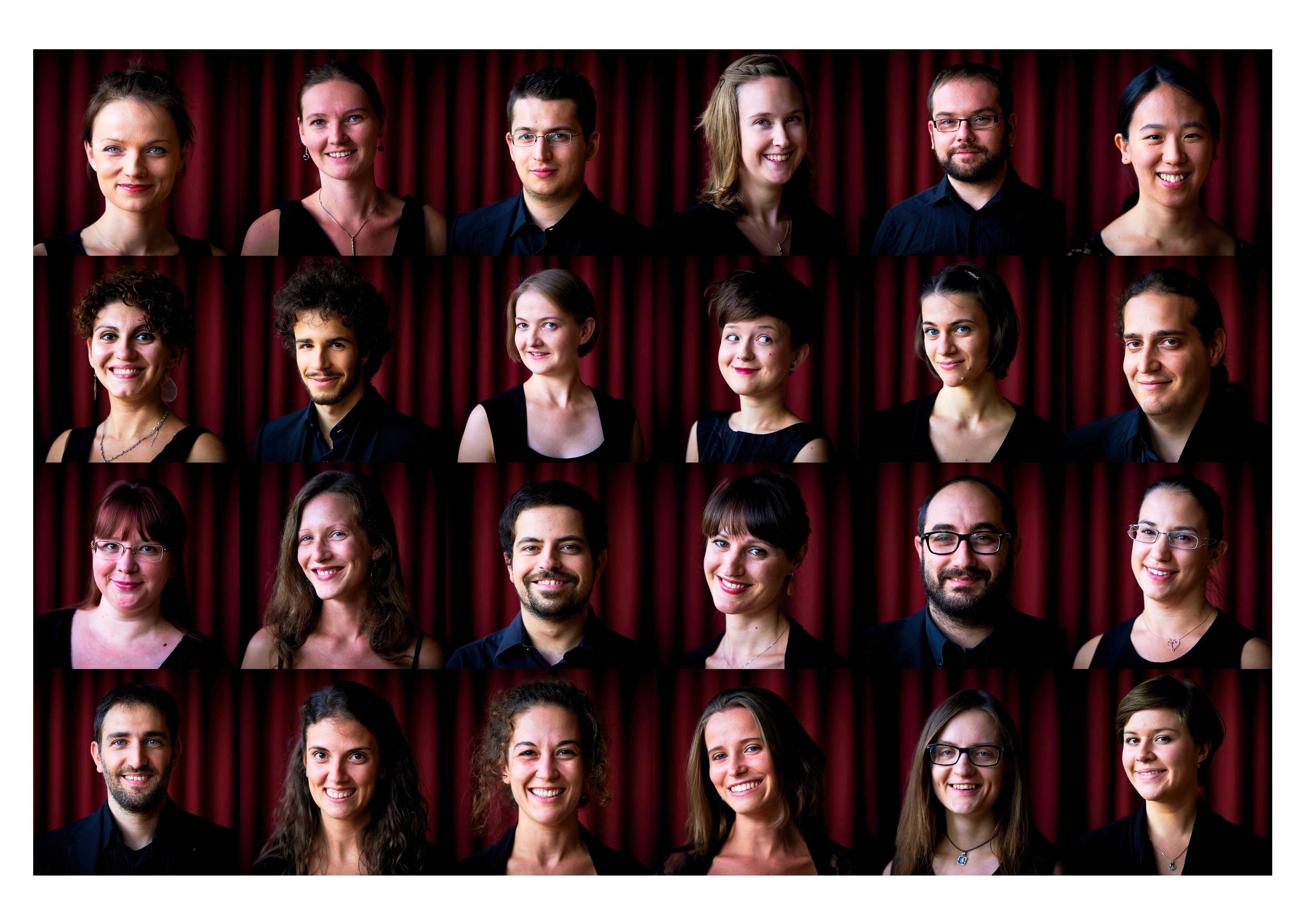
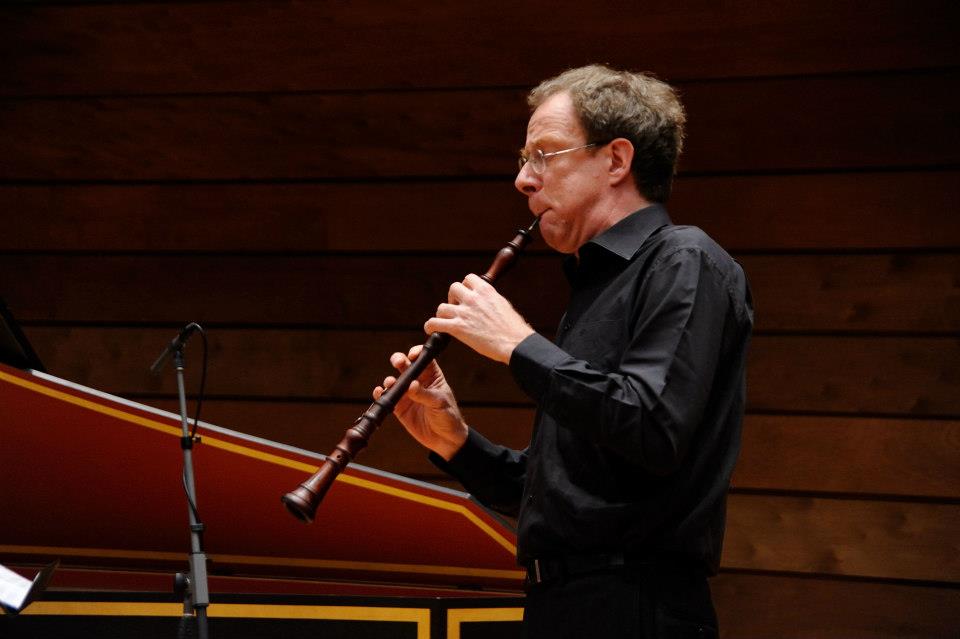
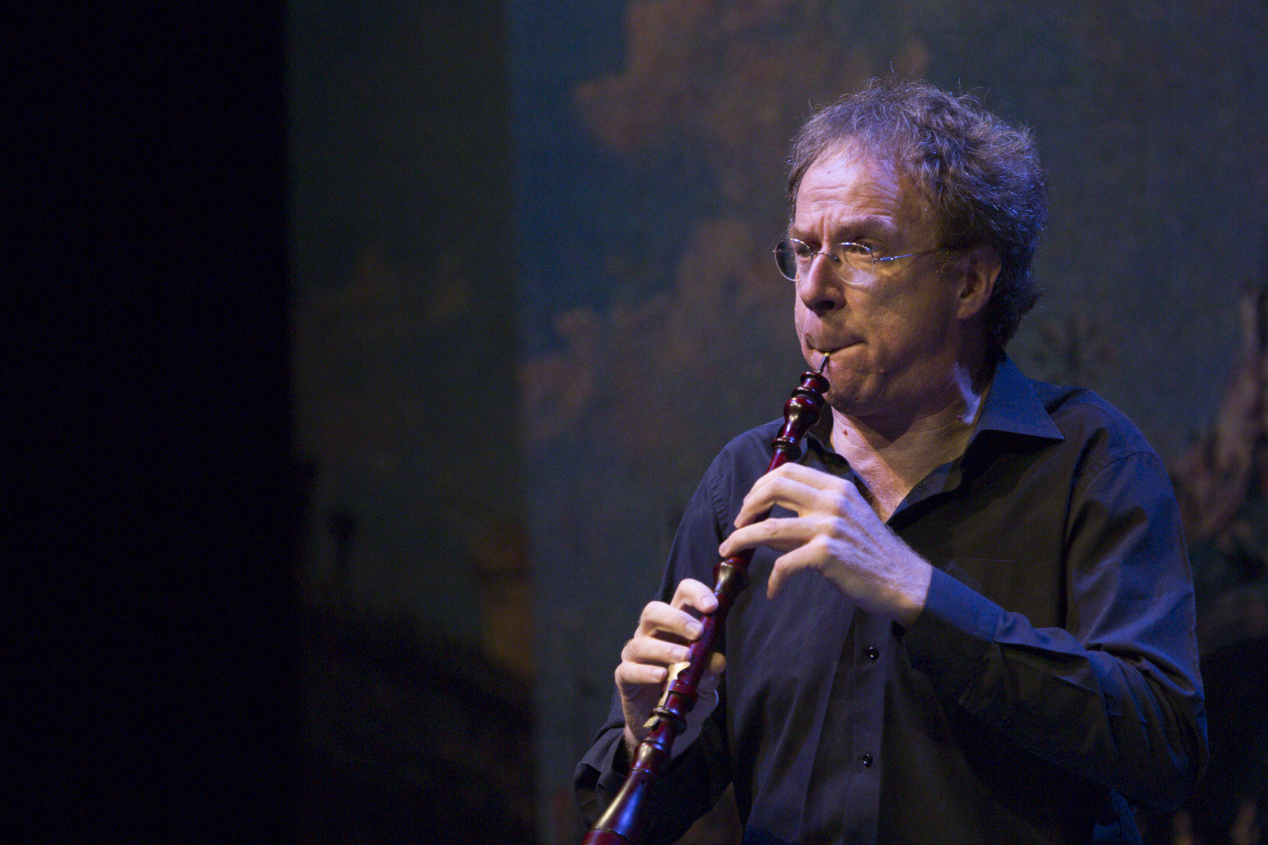
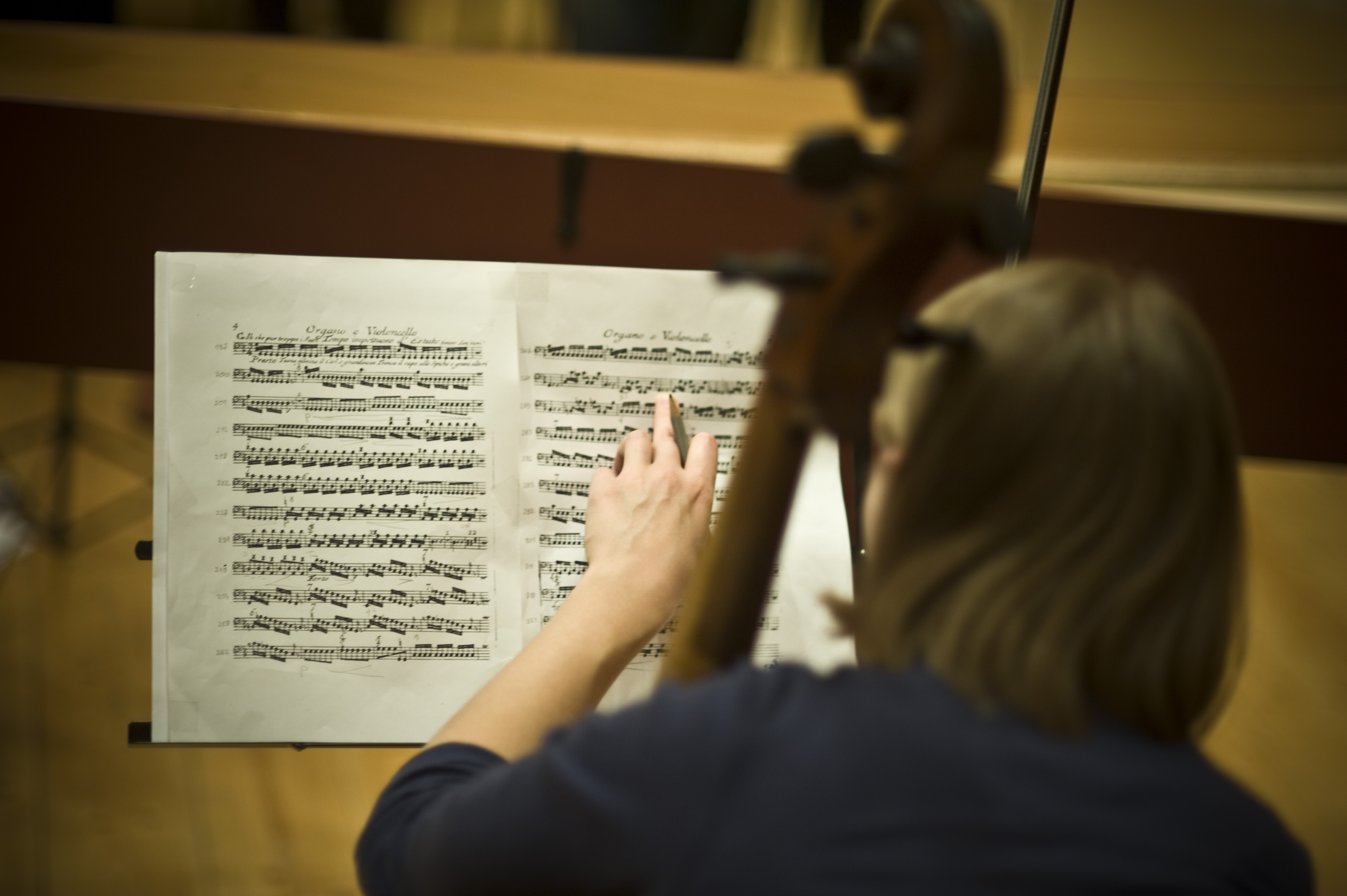
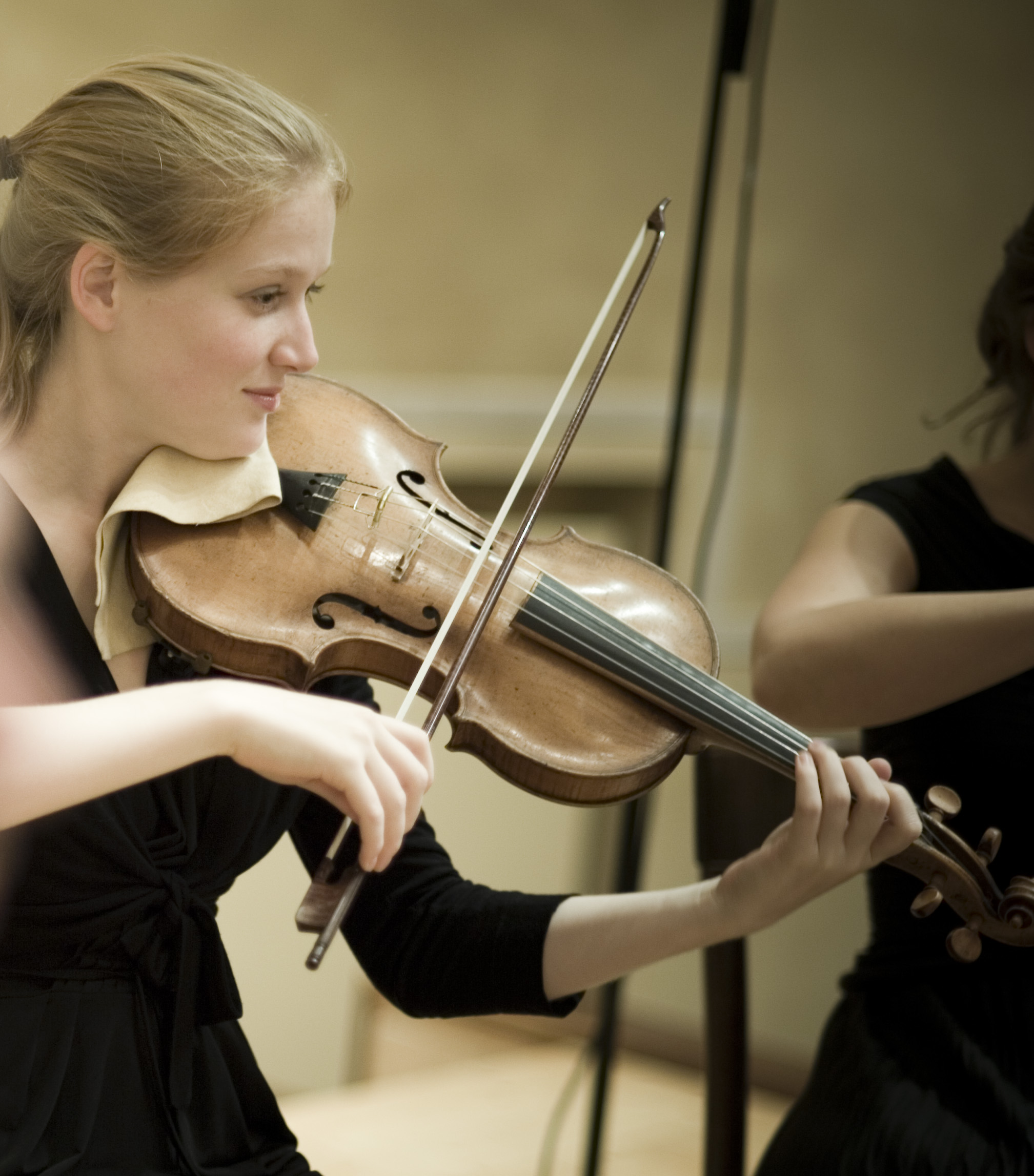
What does it mean to be a TYBO face? Well, you can find it out watching our video, or browsing the interviews in the “Meet Theresia” series: anyhow, being a Tybo face means being part of a beautiful and unique cultural and musical project.

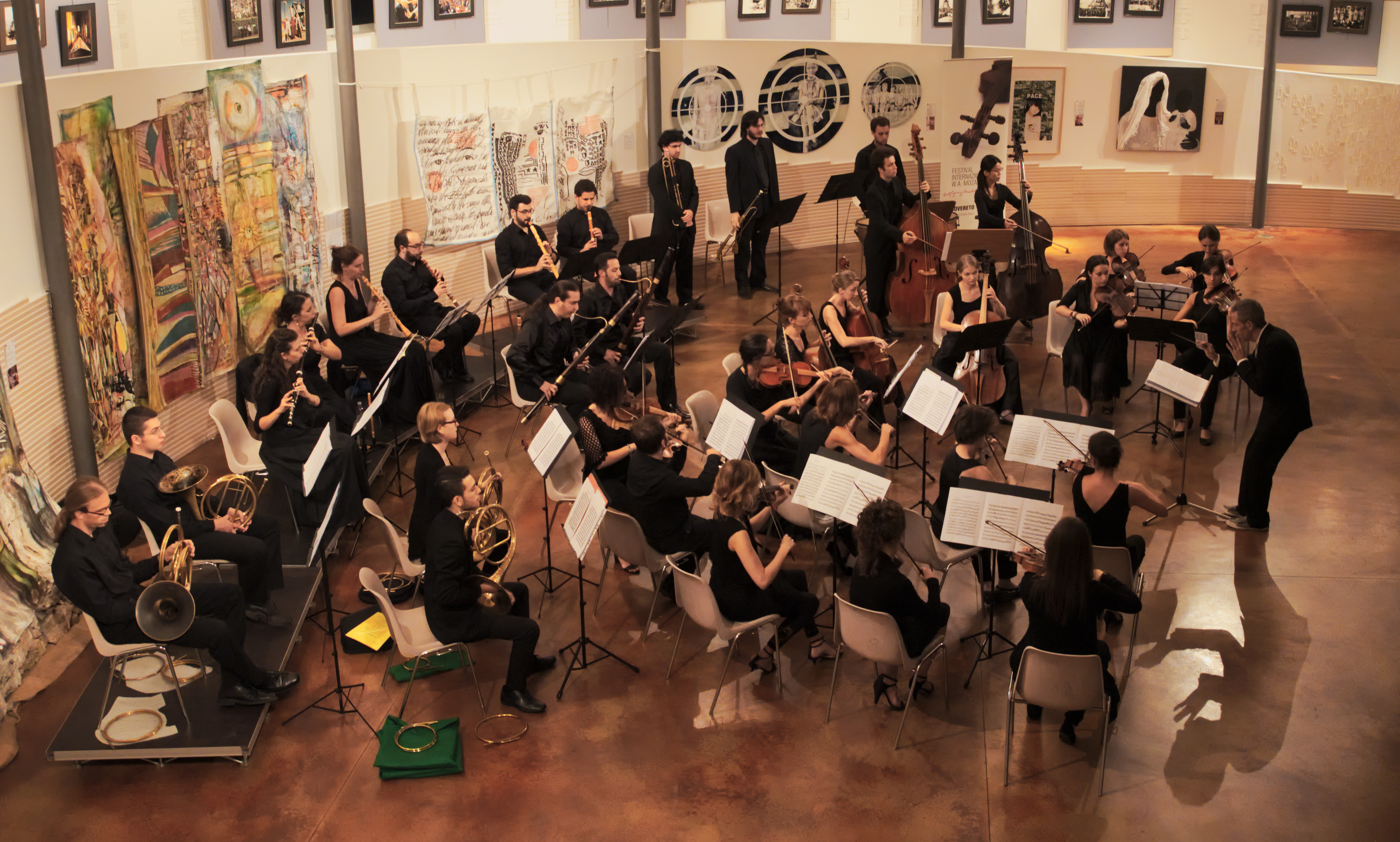
Theresia Youth Baroque Orchestra is a professional symphonic orchestra open to young musicians under 30 years of age coming from the major European early music schools and institutes: our double aim is to help young musical talents to grow professionally and to promote the performance of Classic repertoire on period instruments.

Every year Theresia looks for new musicians: now we are going to select new musicians that will take part in TYBO’s musical stages and orchestral projects in 2016-2019. Workshops and auditions are scheduled in May in Venice: find more informations following the link below.

[button url=”/orchestra/auditions” new_tab=”false” size=”medium” style=”solid” color=”false” light=”false”]WORKSHOPS & AUDITIONS[/button]

TYBO face


Theresia calls for musicians!

By Emilia Campagna - March 15, 2016
2016 AUDITIONS AND WORKSHOPS If you haven’t done it yet, there is still time for applying Theresia auditions & workshops. We are going to select new musicians that will take part in TYBO’s musical stages and orchestral projects in 2016-2019. So, what are you waiting for? If you play VIOLIN, VIOLA, CELLO, DOUBLE BASS, FLUTE, […]

2016 AUDITIONS AND WORKSHOPS

If you haven’t done it yet, there is still time for applying Theresia auditions & workshops. We are going to select new musicians that will take part in TYBO’s musical stages and orchestral projects in 2016-2019.

So, what are you waiting for? If you play VIOLIN, VIOLA, CELLO, DOUBLE BASS, FLUTE, OBOE, HORN, BASSOON, CLARINET or TRUMPET, have a depth knowledge of performance praxis on authentic instruments and use an authentic instrument or a copy of an authentic instrument, Theresia is the right place for you.

Download the regulation now!

Our places: Isola di San Giorgio Maggiore a Venezia

By Emilia Campagna - March 4, 2016
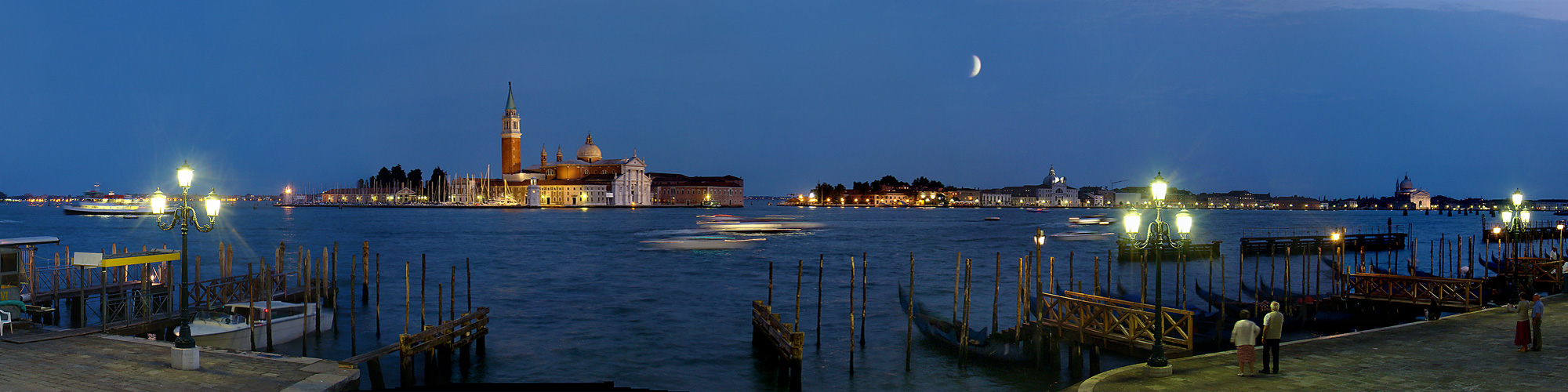
Workshops and auditions will take place in one of the most beautiful places of Venice: find out some information about Isola di San Giorgio Maggiore

There is a place in Venice where, instead of getting lost through the channels, you could do it in a hedge labyrinth: built in 2012 and dedicated to the Argentine writer Jorge Luis Borges, the maze is on the Island of San Giorgio Maggiore. It is inside the ancient monastery of the Benedictine, whose building occupies a great part of the island. When one looks from San Marco, the glance is a must. The labyrinth is one of the most recent human work in a place occupied by sixteenth century architecture. Based on a project by Randoll Coate, it is a network of narrow paths more than a kilometer long and formed by boxwood bushes, and it homages the short story “The Garden of Forking Paths” (“El jardín de senderos que se bifurcan”, 1941).

It is not the only wonder of an island of great charm, a place of refined tourism, away from the clamor of the stalls and crowds of Piazza San Marco: the architectural complex was in a huge part designed by Andrea Palladio, who rebuilt the monastery in the second half of ‘500 by working there for twenty years, from 1560 to his death.

The Church of San Giorgio Maggiore gives to the island a unique visual impact: its impressive white facade is surmounted by the bell tower and flanked by perimeter walls beyond which one can catch a glimpse of the greenery of the gardens.

isola di san giorno maggiore

View of the island from San Marco

San Giorgio Maggiore

Panorama view from the bell tower: on the right, Giudecca Island, on the left the Lido

Inside the majestic Palladian church you can admire some paintings of great importance, including “L’ultima cena” (The Last Supper) by Jacopo Tintoretto, an oil painting that represents the scene in a completely original way and, for someone, in a visionary one.

The island (and, in particularly the Longhena’s grand staircase, a monumental entrance providing access to the abbots’ lodging, completed by Baldassarre Longhena in 1643) was chosen as movie set for “The Merchant of Venice”, in which an astounding Al Pacino played the character of the Shakespearean Shylock.

Nowadays on San Giorgio Maggiore Island you can find a special silence: it is the silence of study and research. In fact, the island is the venue of “Fondazione Giorgio Cini”, a non-profit cultural institution constituted by Vittorio Cini, in memory of his son Giorgio, with the aim of restoring the Island of San Giorgio Maggiore (devastated after 100 years of military occupation) and of creating an international cultural centre that would re-integrate the Island into the life of Venice. Alongside the Foundation’s commitment to its own research and the conferences and seminars growing out of this work, the Island welcomes events sponsored by distinguished cultural and scientific organisations.

So, we couldn’t find a better place for our workshops and auditions. Looking forward to land to the island!

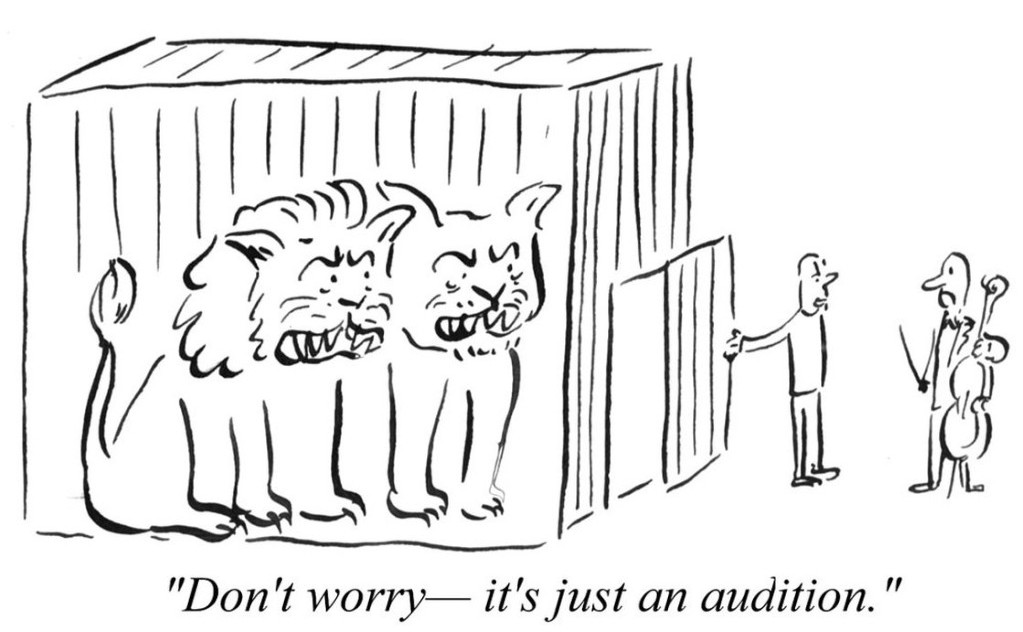
Who’s afraid of audition?

By Emilia Campagna - February 19, 2016
Bogey to some, foolproof method to others: are auditions the best way to hire in orchestra?

A stage, a bunch of people listening to you, and ten minutes to show how much you worth: it’s the classic audition, a “make-or-break” occasion when if you do a mistake you can’t fix it. Bogey to some, foolproof method to others: in many cases a “depersonalized” test, with the musician hidden by a curtain: it happens in symphony orchestras auditions in which they try to ward off the risk of likes and recommendations giving to every candidates the “privilege” of anonymity.

As Los Angeles Times writes, the way to select musicians for orchestral job has been changing over time: there “were the heady days when the term “maestro” conferred dictator status, when the likes of George Szell and Arturo Toscanini reigned.” At that time, “to gain entry to a major classical orchestra — say, the New York Philharmonic, the Boston Symphony, the Philadelphia Orchestra, the Los Angeles Philharmonic, the Cleveland Orchestra, the Chicago Symphony — used to depend mostly on pleasing the music director.”

Then, more relaxed manners came: in the early ’70s, as says David Taylor, assistant concertmaster of the Chicago Symphony Orchestra, “a player then was chosen first and foremost for his artistry, his quality of musicianship — even if he dropped a note here or there.” Furthermore, according to L.A. Times, “less critical atmosphere was also a boon to career musicians who could, according to L.A. Philharmonic principal bass Dennis Trembly, ‘simply be invited to the music director’s hotel room, perform a piece of music and get a handshake.’”

In late ’70s “the process tightened because unions exercised great scrutiny and orchestras needed to show objectivity in their choices to avoid litigation.” All big symphonic orchestras have protocols, procedures, selection committees and sub-committees, with many rounds to pass until a job offer. So, the more orchestras try to be fair, the more complex and rule-bound it gets. After all, it is also a matter of numbers: how they can evaluate hundreds of candidates without auditions? However, some cultural values still differentiate European from American orchestras. Carrie Dennis, currently principal violist of the L.A. Philharmonic, says auditioning for Berliner was “pretty civilized. You don’t play this or that snippet. If you get to the second round you play a concerto — on the stage, in a hall, with all musicians in the audience.”

And what about baroque orchestras world? As often happens, small is better. As Alfredo Bernardini told us in his interview, is quite common in early music ensembles testing a candidate in some concerts before offering him a job. And Theresia Youth Baroque Orchestra? We have been recruiting in the classic manner for three years, but this year our Artistic Director Mario Martinoli decided to change and to set hearings as a training opportunity more than the classic make it or brake it moment. Candidates will work for three days with the three principal TYBO’s conductors: they will rehearsal in chamber groups and in orchestra, with a double benefit: for us, the possibility to know their attitude to team work besides their technical ability; for them, the occasion to meet and work with three great Maestros such as Claudio Astronio, Alfredo Bernardini and Chiara Banchini. Furthermore, we are planning some seminar with renowned musicologists thank to the collaboration of Fondazione Cini.”.

Alfredo Bernardini and the art of “staying-well” in orchestra

By Emilia Campagna - February 10, 2016
Theresia Youth Baroque Orchestra will have a new conductor: beside the violinist Chiara Banchini and the organist and harpsichordist Claudio Astronio, our Youth Orchestra gains a prestigious name: the oboist Alfredo Bernardini will conduct TYBO during the summer concert tour and will also be part of the jury in the auditions to be held in […]

Theresia Youth Baroque Orchestra will have a new conductor: beside the violinist Chiara Banchini and the organist and harpsichordist Claudio Astronio, our Youth Orchestra gains a prestigious name: the oboist Alfredo Bernardini will conduct TYBO during the summer concert tour and will also be part of the jury in the auditions to be held in May in Venice.

Born in Rome in 1961, he moved to The Netherlands in 1981 to specialize in Baroque oboe and early music with, among others, Bruce Haynes and Ku Ebbinge. Nowadays his career as a performer and as a teacher is international and takes place on the most prestigious stages.

“I am both a concert performer and a teacher: as a teacher, for 22 years I’ve been teaching Baroque oboe at the Conservatory of Amsterdam, until June 2015, when I moved to Salzburg Mozarteum. I’m always in contact with young students that are devoting themselves to early music. Oboe players, of course, but also other musicians with whom I work on performance and research projects. And this is a beautiful part of my job: playing with young peoples makes me stay “present”, and while one teaches, one learns too. Concerts with Ensemble Zefiro are the main part of my activity as performer: beside this, I work with many orchestras. I’m principal guest director of Concerto Copenhagen; I conduct the Norway orchestra Barokkanerne and, in Canada, Arion and Toronto Tafelmusik. I often work with youth orchestras, like Seoul Bachsolisten: also in this case, working with young musicians is a reason of great satisfaction. They possibly have less experience but much more enthusiasm: and it is contagious.”

Talking about youth orchestras, you have been invited to conduct Theresia: the first concerts will be in August, can you anticipate something about the program?

“I can say that the program will be dedicated to “Sturm und Drang”: it was a philosophic movement which exalted all human feelings; likewise, music sets against thrills in an exalted way. In the program we will put together music of renowned composers with music of less famous ones: I love this kind of operation.”

Will you play your oboe while conducting Theresia?

“I won’t: Theresia plays a classic repertoire and this make not practical playing while conducting. I really love playing my oboe with the ensembles that I lead, but I usually do it only with baroque orchestras: in these cases I can manage the disposition of instruments in such a way as to be seen by all the players without being outside the orchestra. Moreover, Theresia will have two oboe players, and definitely I do not want to take away their space!”

What do you think about the artistic concept of Theresia, a youth orchestra devoted to classical repertoire performance on period instruments?

“I think that it fills a gap and it gives a precious opportunity to young musicians who devote themselves to early music, the opportunity of improving in classic repertoire performance on the proper instruments. Surely there are similar enterprises, but they are mostly dedicated to Baroque music, composed in the first half of Eighteenth Century: I’m thinking to EUBO, that was founded in 1985 (I remember it well because I was a member of Eubo at that time…) and other ensembles and orchestras: they guarantee a high level training but for a different repertoire than Theresia. At a professional level the demand of performers well prepared in this field has been increasing, so an initiative like Theresia is really necessary, and I’m so happy that Mario Martinoli understood this need. Then I hear around that young musicians who perform with Theresia are very satisfied and there is so much enthusiasm for the orchestra.”

In May in Venice are scheduled the yearly Auditions to select new musicians: this year the artistic director has chosen to combine workshops with TYBO conductors and the auditions: what do you think about?

“I think it’s a great idea. It makes no sense to rely uniquely on individual auditions in order to select the components of an orchestra: maybe a musician is technically strong, but will he be able to listen to his colleagues and “shape himself” on the whole orchestra? Or, on the other hand, maybe one is not so brilliant on the virtuoso side but he is good in listening others, understand and realize instantaneously changes of sound, time and volume.”

What will happen during the workshops?

“It will be a simulation of a real work experience, when you have some day of rehearsals in preparation of a concert. In my case, it will happen in chamber groups from quartet to octet. It will be something in between the traditional hearing that aims to identify the individual skills and a job that will bring to light the team work. It’s something so much needed in my opinion: I often meet musicians who aren’t comfortable and don’t stay well in the orchestra.”

What does it mean exactly “staying well in orchestra”?

“It means that one understands his own role, and he’s responsive to parameters like tuning and agogic. But there is also a problem of character and behavior when someone wants to be right whatever it costs: playing together is never a matter of being right or wrong.”

A memory from “the other side of the fence”: how were the auditions you did as a student?

“Actually I did very few auditions, because I often had the good fortune of being in the right place at the right time: when it happened to me, however, I tried to address it philosophically. Unfortunately in traditional hearings one feels under interrogation and the stress can spoil the execution. When I was young the English Consort proposed me an interesting method: they invited me to play for a few concerts, so to “test”my instrumental skills, certainly, but directly into the ensemble.”

How do you recommend students to prepare for auditions?

“Obviously one has to be technically prepared. But it is not enough. You have to know the repertoire, the biography of the composer, the context in which he worked: the study of music history is the flag of all the early music movement, also because just knowing the composers so-called “minor” one can fully understand how to perform the “big” ones . At last, there are candidates who ask me if they are allowed to play the modern instrument, or, in the case of Theresia, Baroque: to all them I say no. It is required to play the classical instrument, so sharply different from the modern or the Baroque one and the young musicians need to understand that it is essential to use the instrument proper to the repertoire. “

Alfredo Bernardini: “Imparo dall’entusiasmo dei giovani”

By Emilia Campagna - February 8, 2016
Intervista ad Alfredo Bernardini, nuovo direttore di Theresia Youth Baroque Orchestra

Theresia Youth Baroque Orchestra avrà un nuovo direttore: dopo l’organista e clavicembalista Claudio Astronio e la violinista Chiara Banchini, la nostra giovanile aggiunge un nome prestigioso alla rosa dei propri direttori con l’oboista Alfredo Bernardini, che dirigerà TYBO nel tour di agosto e farà parte della commissione esaminatrice nelle audizioni che si terranno a maggio a Venezia.

Nato a Roma nel 1961, Bernardini si è trasferito giovanissimo in Olanda per studiare oboe barocco con Bruce Haynes e Ku Ebbinge: oggi la sua attività, come didatta e concertista, è di respiro internazionale: “Mi divido tra l’insegnamento e il concertismo: come insegnante, fino al giugno 2015 sono stato docente di oboe al Conservatorio di Amsterdam, un incarico che ho mantenuto per 22 anni. Attualmente sono professore all’Università del Mozarteum di Salisburgo: sono dunque sempre a contatto con le nuove leve, giovani che si dedicano alla musica antica. Oboisti, naturalmente, ma anche altri strumentisti con cui si fanno progetti e ricerca: per me è una parte bellissima della mia attività: stare con i giovani fa rimanere “attuali” e insegnando si continua ad imparare. L’Ensemble Zefiro rappresenta la mia attività principale come concertista: poi collaboro con numerose orchestre, ad esempio sono primo direttore ospite dell’orchestra Concerto Copenhagen, con cui faccio due programmi l’anno e collaboro con l’orchestra norvegese Barokkanerne e, in Canada, con l’orchestra canadese Arion e la Tafelmusik di Toronto. E lavoro spesso con le orchestre giovanili, come i Bachsolisten di Seoul: anche quando dirigo, come nel caso dell’insegnamento, lavorare con i giovani è per me fonte di grane soddisfazione. Hanno forse meno esperienza ma un entusiasmo contagioso.”

E, a proposito di giovanili, ora è stato invitato a dirigere la Theresia Youth Baroque Orchestra: i primi concerti saranno quelli del tour di agosto, può già raccontarci qualcosa del programma?
“Per ora diciamo che è un programma dedicato allo Sturm und Drang, che fu prima di tutto una corrente filosofica, esaltazione di tutte le emozioni umane: analogamente, la musica mette in contrasto le emozioni in maniera esaltata. Accosteremo pagine di autori più noti ad altri meno conosciuti, un’operazione che amo sempre fare.”

Lei porta avanti parallelamente l’attività di direttore e quella di strumentista: con Theresia suonerà il suo oboe?“In questo caso no: Theresia di dedica a un repertorio classico che rende la cosa poco pratica. A me piace molto suonare con gli ensemble che dirigo, ma lo faccio solo con le orchestre barocche, perché si può studiare una disposizione che mi permetta di essere visto da tutti senza essere esterno all’orchestra. Inoltre Theresia avrà due oboisti in organico, non voglio certo togliere loro spazio!”

Cosa pensa del progetto artistico di Theresia, un’orchestra giovanile professionale votata al repertorio del Secondo Settecento?
“Penso che colmi una mancanza e che dia ai giovani che si dedicano alla musica antica l’opportunità di perfezionare l’esecuzione del repertorio classico sugli strumenti veramente adatti alla musica di quel periodo. Ci sono molte iniziative simili ma sono votate al Barocco e alla musica del Primo Settecento: penso all’Eubo, fondata nel 1985 (me lo ricordo bene perché all’epoca ne facevo parte…) e altri ensemble e orchestre che grantiscono una formazione di alto livello, ma, ripeto, per un repertorio diverso da quello di cui si occupa Theresia. Nell’ambiente professionale la richiesta di musicisti preparati a suonare su strumenti originali il repertorio Classico è aumentata decisamente, dunque c’è quanto mai bisogno di una realtà come Theresia e io sono felicissimo che Mario Martinoli abbia compreso questa necessità. Poi mi pare che il favore da parte dei giovani che suonano con Theresia sia molto alto, sento che c’è molto entusiasmo nei confronti dell’orchestra.”

All’inizio di maggio si terranno le audizioni con cui ogni anno Theresia cerca giovani talenti da inserire nelle proprie fila per rinnovare l’organico; quest’anno si è scelta una formula diversa, cha abbina workshop con i tre direttori dell’orchestra alla selezione vera e propria: lei cosa pensa di questa scelta?
“La trovo ottima. Non ha molto senso basarsi solo su un’audizione individuale per selezionare i componenti di un’orchestra: magari uno strumentista è bravissimo nell’esecuzione solistica, ma saprà veramente ascoltare i suoi colleghi, saprà “plasmarsi” sull’insieme orchestrale? O può esserci il caso opposto, un musicista che non brilla per virtuosismo ma ha la capacità di ascoltare gli altri, di comprendere e realizzare all’istante le variazioni di suono, di agogica, di dinamica.”

Come si svolgerà il workshop?
“Sarà una simulazione di uno stage vero e proprio, in cui si prova per alcuni giorni in preparazione di un concerto, con attività di studio, nel mio caso, in gruppi cameristici dal quartetto all’ottetto. Una via di mezzo dunque tra l’audizione che mira ad individuare le abilità individuali e un lavoro che porterà alla luce le capacità di lavorare in gruppo. Una cosa quanto mai necessaria a mio parere: mi capita spesso di incontrare musicisti che non stanno bene in orchestra.”

Cosa vuol dire concretamente “stare bene in orchestra”?
“Vuol dire comprendere il proprio ruolo, essere reattivi sul fronte dell’intonazione, del tempo; ma c’è anche un problema di personalità quando c’è qualcuno che vuole avere ragione a tutti i costi: suonare assieme non è mai questione di “avere ragione” o “avere torto”.”

Un ricordo “dall’altra parte della barricata”: come sono state le audizioni che ha fatto da studente?
“A dire il vero io ho fatto poche audizioni, perché spesso ho avuto la fortuna di trovarmi al posto giusto nel momento giusto: quando mi è successo, comunque, ho cercato di affrontare la cosa con filosofia. Purtroppo nelle audizioni tradizionali si rischia di sentirsi sotto interrogatorio e lo stress va a detrimento dell’esecuzione: un metodo efficace è quello che mi era stato proposto ad esempio dall’English Concert, che mi invitò suonare per alcuni concerti prova, in modo da “testare” le mie capacità strumentali, certamente, ma direttamente dentro l’ensemble.”

Lei come consiglia di prepararsi alle audizioni?
“Ovviamente bisogna essere preparati tecnicamente e strumentalmente. Ma non basta. Bisogna conoscere il repertorio, la biografia dei compositori, il contesto in cui operarono: lo studio della storia della musica è la bandiera di tutta la musica antica, anche perché solo conoscendo i compositori cosidetti “minori” si comprende pienamente come eseguire i “grandi”. Infine c’è chi mi chiede se ci si può presentare con lo strumento moderno, o, nel caso di Theresia, barocco: a tutti dico no. E’ richiesto lo strumento classico, così nettamente diverso da quello moderno o barocco e i giovani musicisti devono comprendere che è indispensabile usare lo strumento più adatto al repertorio.”

Join TYBO: Workshops & auditions scheduled on May

By theresia - January 27, 2016
TYBO looking for new musicians: workshops&auditions are scheduled from 4th to 7th May in Venice

The Theresia Youth Baroque Orchestra (TYBO) organises from 4th to 7th May 2016 in Venice its yearly Auditions & Workshops to select new musicians that will take part in TYBO’s musical stages and orchestral projects in 2016-2019. Courses and auditions will be held in Venice, at “Giorgio Cini” Foundation.

The Auditions & Workshops are open to violin, viola, cello, doublebass, flute, horn and bassoon and will consist in a series of ensemble and orchestral master classes held by TYBO principal conductors (Claudio Astronio, Chiara Banchini and Alfredo Bernardini) and focusing on chamber and orchestral music of the Classical Era, including Boccherini, Mozart, Haydn, Kraus and others: the detailed program and the musical scores will be sent to admitted applicants by mid-April 2016.

The Auditions & Workshops are open to professional musicians – including advanced students – born after 1st January 1988. Both in-depth knowledge of performance praxis on authentic instruments and use of authentic instruments or copies of authentic instrument is a mandatory requirement. The use of classical instruments is warmly recommended by the Organisation and the Selection Committee.

For further details and complete informations go to the official Workshops&Auditions page or download the regulation!

[button url=”http://www.theresia-project.eu/wp-content/uploads/2016/01/AUD-2016_BANDO_FINAL_LIGHT.pdf” new_tab=”false” size=”big” style=”solid” color=”true” light=”false”]DOWNLOAD THE REGULATION[/button]

News for viola players!

By theresia - January 6, 2014
Auditions 2014: news for viola players! In alternative to the Vanhal concert it might be presented the second movement of the Hoffmeister D-major concert. Give a look to the regulation! https://theresia.online/new-auditions/

Auditions 2014: news for viola players!

In alternative to the Vanhal concert it might be presented the second movement of the Hoffmeister D-major concert.

Give a look to the regulation! https://theresia.online/new-auditions/

New auditions for TYBO

By theresia - November 7, 2013
Do you want to be a TYBO musician? New auditions are scheduled on 31th January and 1st and 2nd February in Bolzano (IT) Which instruments? Violin
, viola, contrabass
, trumpet, clarinet, bassoon
 and horn! Here are all the informations: https://theresia.online/new-auditions/

Do you want to be a TYBO musician? New auditions are scheduled on 31th January and 1st and 2nd February in Bolzano (IT)

Which instruments? Violin
, viola, contrabass
, trumpet, clarinet, bassoon
 and horn!

Here are all the informations:

https://theresia.online/new-auditions/

New auditions for violins, cellos, basses, oboes, traversos, basoons and horns!

By theresia - March 6, 2013
The THERESIA Youth Baroque Orchestra (TYBO) organises a series of auditions to recruit young musicians for the orchestra in preparation of the 2013-2015 productions, remunerated concerts and stages. Core of the TYBO programs is the classical repertoire (1750-1800) played on period instruments (A=430Hz). VENUE AND SCHEDULE The audition will be held in Bolzano (Italy) on […]

The THERESIA Youth Baroque Orchestra (TYBO) organises a series of auditions to recruit young musicians for the orchestra in preparation of the 2013-2015 productions, remunerated concerts and stages.

Core of the TYBO programs is the classical repertoire (1750-1800) played on period instruments (A=430Hz).

VENUE AND SCHEDULE
The audition will be held in Bolzano (Italy) on Saturday 20th April and Sunday 21st April 2013.

Detailed information on venue and performance timing will be notified to all participants in due time.

INSTRUMENTS
The audition is open to the following baroque instruments:
– violin
– cello
– contrabass
– traverse flute
– oboe
– bassoon
– horn

ADMISSION REQUIREMENTS
The audition is open to professional musicians (including advanced students) born after 1st January 1982.
In-depth knowledge of performance praxis on authentic instruments is a mandatory requirement.

APPLICATION
Participants shall send an email to *auditions@theresia-project.eu* containing:
– name
– surname
– date and place of birth
– nationality
– physical address
– email address
– phone number
– detailed CV
– scanned copy of passport or identity card.

DEADLINE
Applications must be sent to *auditions@theresia-project.eu* not later than Sunday 14 April 2013.

SELECTION COMMITTEE
Claudio Astronio, permanent musical director of TYBO.
Esther Crazzolara, first violin of TYBO.
Luigi Lupo, traverso player.
Mario Martinoli, founder and artistic director of TYBO.

AUDITION PITCH
The pitch for the audition is A=415 Hz.

SCORES
The candidates are warmly invited to bring with them the full scores, or piano reductions, of the pieces they intend to play in the auditions.

ADMISSION RULES
A maximum number of 45 musicians will be admitted to the audition.
In case of the reception of more than 45 applications, the 45 younges musicians will be admitted, provided that the audition shall include:
– At least 3 applicants per instrument
– All applicants resident in the regions Trentino, South Tyrol or Tyrol.

***PROGRAM OF THE AUDITION***

VIOLIN

1) W.A. Mozart, Symphony n. 41 in C major K 551 “Jupiter”, 4th movement

OR

W.A. Mozart, Symphony n. 39 in E-flat major major K 543, 3rd movement, Finale (first part only)

2) Two movements (in total) at choice and contrasting in character from F.M. Veracini, Sonate Accademiche and A. Corelli, Sonate a violino e violone op. 5

3) Two movements at choice from W.A. Mozart sonatas for violin and piano (cembalo).

4) Sight reading.

BAROQUE CELLO

1) F.J. Haydn, Concert for cello and orchestra in C major, 1st movement.

2) Two movements at choice and contrasting in character from F.S. Geminiani, Sonatas for cello and continuo op. 5.

CONTRABASS

1) J.S. Bach, Concerto in a minor for 2 violins BWV 1043, 1st movement

2) J.S. Bach, Matthäus Passion BWV 244, 1st movement, opening choir “Kommt ihr Töchter”.

3) W.A. Mozart, Symphony n. 35 in D major K 535 “Haffner”, 1st and 4th movement

TRAVERSO

1) J.S. Bach, Sonata in E major BWV 1035, 1st and 2nd movement

2) C.P.E. Bach, Two movements contrasting in character at free choice from any of the concert for traverso and orchestra

OBOE

1)J.D. Zelenka, Sonata n. 5 in F major ZWV181, 2nd and 3rd movement (first oboe)

OR

J.S. Bach, Brandeburg Concerto n. 2 in F major BWV1047, all movements.

2)L.A. Lebrun, Concerto n. 1 in d minor, 1st movement (pitch A=430 Hz allowed!)

OR

C.P.E. Bach, Two movements contrasting in character at free choice from any of the concert for oboe and orchestra

BASSOON

1) W.A. Mozart, Concerto in B-flat major KV191, 1st movement

2) J.D. Zelenka, Sonata n. 5 in F major ZWV181, 1st and 2nd movement

HORN

1) J.S. Bach, Brandeburg, Concerto n. 1 in F major BWV 1046, all movements

2) W.A. Mozart, Concert n.4 in E-flat major KV495, 1st movement

3) L. van Beethoven, Symphony n, 7 in A major op. 92, 1st movement (first horn)

INFORMATION
More information on TYBO and the auditions will be available at www.theresia-project.eu and on the TYBO Facebook page.