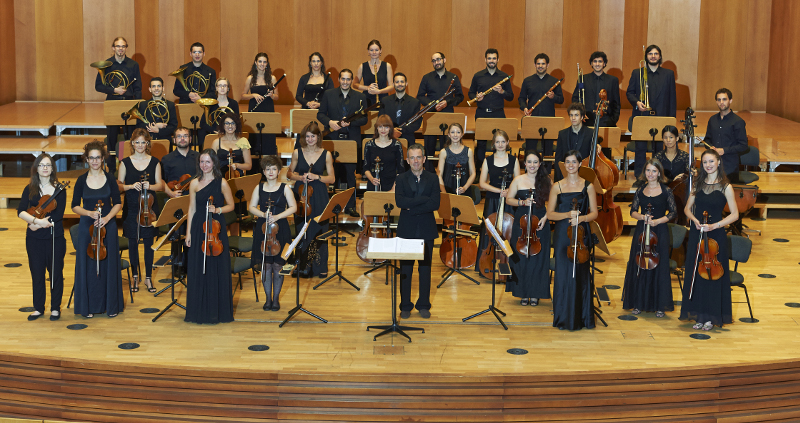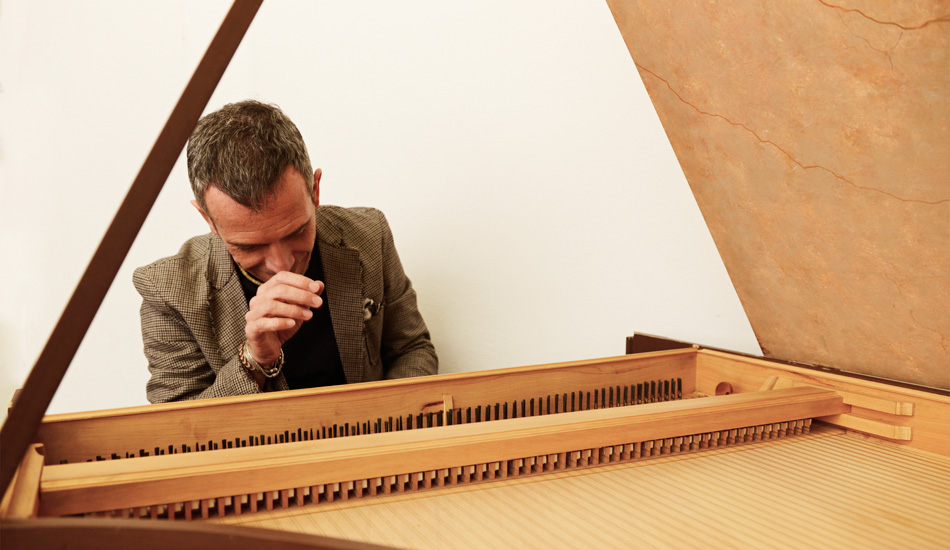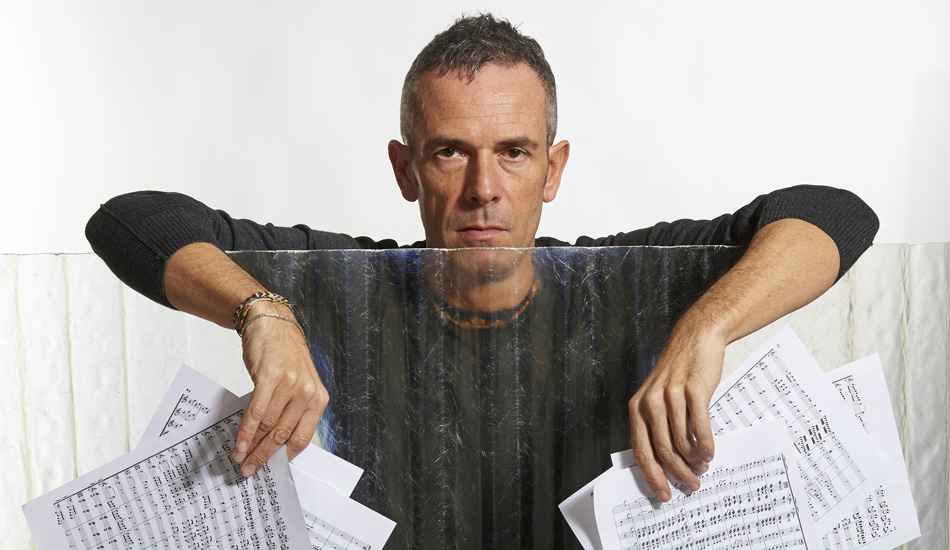
Olga Pashchenko: “Theresia is real musical life”

By Emilia Campagna - December 10, 2018
Projects like Theresia give to young musicians the possibility to grow and develop their skills in a very lively environment. It is a great opportunity to get precious experience because this is actually real musical life."

Olga Paschchenko, harpsichordist and pianist who performed (and will perform) with Theresia Youth Orchestra in more than an occasion, is one of our favourite musicians: she’s a real pro in the musical field, with a huge experience as a concert player, as well as a contestant in international competitions and as a teacher of advanced students.

Olga, we met last in August 2015, when you played as a soloist with Theresia: what has happened during these three years?

“Life has been quite exciting all these years. For example, I started teaching keyboard instruments in the Conservatories of Amsterdam and Ghent and I issued several CDs; I have also played a lot of different programs on organ, harpsichord, fortepiano and modern piano.”

Your first partnership with the orchestra was in 2012, when you won the Premio Ferrari competition playing the fortepiano: what do you recollect of that experience, after six years?

“That was definitely a great experience back then, I have the most beautiful memories. The orchestra was very enthusiastic and played very well under the baton of the wonderful Claudio Astronio.”

In 2020 you will perform again with Theresia, playing Beethoven’s First Concerto under the baton of Alfredo Bernardini, which is one of our principal conductors together with Chiara Banchini and Claudio Astronio. Have you already worked with or met Alfredo Bernardini?

“I totally love Alfredo as a musician and as a person as well: we met at many different occasions and once we did a project with Bach’s Cantatas together.”

You are still playing both fortepiano, harpsichord and modern piano: how can you deal with the technical differences between these instruments? Do you manage to work in contemporary on different projects involving different instruments or do you focus on one at a time?

“My main idea is to play the pieces on the instrument that these pieces were composed for. So I decided to limit myself to keyboard instruments. Accordion is, unfortunately, missing at the moment… However, with all other keyboard instruments I meet on an everyday basis and very often play mixed programs.”

You are now a teacher, as well as a concert player: in your opinion, how much is it important for young musicians to join youth projects like Theresia? Would you recommend to string students to try the upcoming Theresia’s auditions?

“In my opinion, the presence of such projects has a very high significance. The young professionals get a possibility to grow and develop their skills in a very lively environment and to do exactly what they are aiming to do in life. I think it is a great opportunity to get precious experience in such projects because that is actually real musical life.”
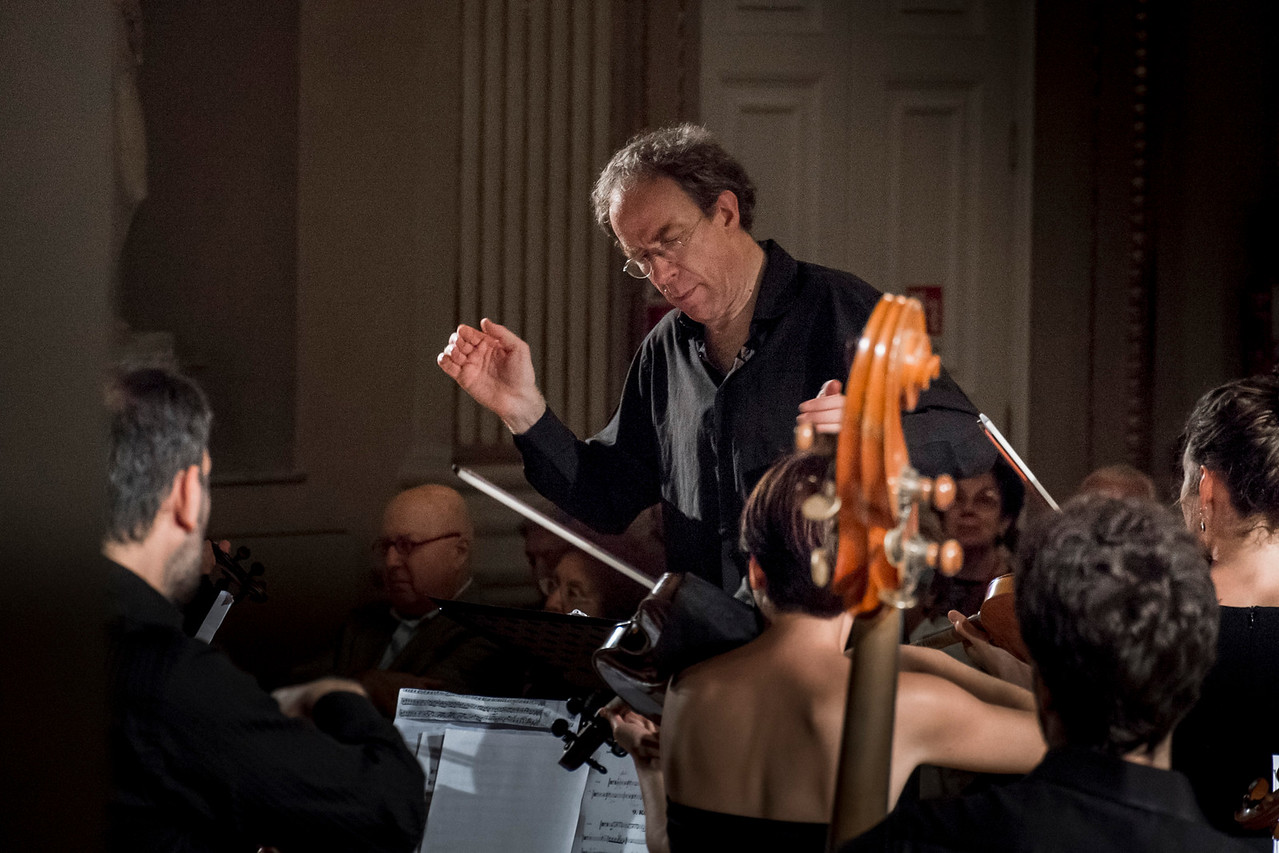
Alfredo Bernardini e il felice equilibrio dell’orchestra

By Emilia Campagna - December 7, 2018
Alfredo Bernardini: "Theresia è un’occasione importante per intraprendere una carriera di musicisti specializzati nell’esecuzione con strumenti storici e per fare esperienza ed imparare cose che difficilmente si riescono ad imparare in conservatorio: come comportarsi in orchestra, sia musicalmente, sia tecnicamente, sia socialmente."

“L’orchestra è una comunità fatta di equilibri delicati, in questo rispecchia in piccolo la società, anch’essa in fondo sempre alla ricerca di una felice armonia.”


Tra i direttori che hanno lavorato in questi anni con Theresia Youth Orchestra c’è Alfredo Bernardini, che in occasione delle prossime audizioni ci dà il suo punto di vista sul progetto.

Alfredo Bernardini, lei ha lavorato in più occasioni con Theresia: dal suo punto di vista, che tipo di impegno e di occasioni offre il progetto Theresia a un giovane musicista?

“Theresia è un’occasione importante per i giovani che vogliono intraprendere una carriera di musicisti specializzati nell’esecuzione “storica”, con strumenti d’epoca, del repertorio classico e primo-romantico. Questi giovani possono così fare esperienza ed imparare cose che difficilmente riescono ad imparare in conservatorio: come comportarsi in orchestra, sia musicalmente, sia tecnicamente, sia socialmente. In orchestra si impara ad imporsi con un assolo, ma anche a seguire gli altri, ad inserirsi con intonazione a seconda dell’armonia, con la dinamica, con l’articolazione. L’orchestra è una comunità fatta di equilibri delicati, in questo rispecchia in piccolo la società, anch’essa in fondo sempre alla ricerca di una felice armonia.”

Si avvicinano le audizioni con cui periodicamente Theresia seleziona i propri musicisti: lei quali consigli da a un giovane che si prepara ad affronare questa prova?

“Naturalmente bisogna fare tutto il possibile per essere padroni del proprio strumento. Ma poi non è necessario presentarsi all’audizione volendo fare il passo più lungo della gamba, cioè scegliendo un repertorio solistico troppo difficile. L’orchestra ha bisogno di altro. Tra i criteri di selezione è molto importante notare nel candidato la reattività alla situazione musicale. Per questo alcune delle audizioni di Theresia in passato si sono svolte in forma di musica da camera, per poter capire le capacità dei ragazzi di interagire l’uno con l’altro. Quindi: conoscere bene le partiture, le parti degli altri strumenti, il contesto storico-musicale: tutto questo è senz’altro utile.”

Lei nello specifico quando si trova a valutare i candidati ad un’audizione su quali aspetti si sofferma maggiormente? Cosa cerca in un musicista che aspira ad entrare in un’orchestra?

“Penso che un giovane che vuole entrare nel progetto Theresia voglia fare esperienza prima di lanciarsi nel mondo professionale. Anche il fatto di conoscere e collaborare con bravi compagni provenienti da tutto il mondo, che abbiano passato la stessa selezione, è un importante valore che potrebbe segnare il loro futuro musicale. Theresia offre generosamente e dignitosamente queste opportunità, con programmi e progetti mirati anche alla formazione e con opportunità concertistiche di livello professionale.”

Tra i giovani musicisti c’è chi fa delle audizioni un vero e proprio impegno a tempo pieno: melius adbundare quam deficere o è il caso di concentrarsi su pochi specifici obiettivi?

“Nel “mondo degli strumenti moderni” le audizioni sono un fondamentale passaggio dalla fine degli studi alla professione. Quasi sempre si tratta di tantissimi candidati per pochi posti di lavoro. È una questione di sopravvivenza, anche perché parliamo di posti di lavoro e quindi di salari più o meno stabili. Il “mondo degli strumenti antichi” in verità è molto differente, perché non ci sono orchestre stabili con salari fissi, ma c’è una fervente libera professione con molte opportunità ma poca sicurezza a lungo termine. Se lo svantaggio della mancanza di sicurezza è evidente, va apprezzato il vantaggio della generale mancanza di routine, della vivacità e della passione che tengono in vita questi progetti.”

Anche nel 2019 Theresia Youth Orchestra avrà il piacere di lavorare con Alfredo Bernardini: è in programma un interessante progetto orchestrale che si terrà nel mese di maggio. Seguiteci per ulteriori aggiornamenti!

Meet Theresia: Alaia Ferran

By Emilia Campagna - December 3, 2018
" In Theresia, I have met many colleagues with whom I still play inside and outside the orchestra. I have met great musicians who are the professionals of tomorrow whom I consider a very valuable contact, professionally and humanly speaking."

Waiting for the next auditions, we are meeting some of the musicians that joined us in the latest years, asking them about their experience with Theresia: today we introduce you the violist Alaia Ferran, from Spain.

Alaia,when did you join Theresia? How did you know about the orchestra?

I heard about Theresia two and a half years ago, maybe a little longer, because a clarinettist friend of mine told me about the project. She was the one who sent me all the information about the auditions that were done in Venice in 2016.

How many residencies have you done with Theresia?

Well,the truth is that I do not keep track of how many residences I have made … I think more than ten (and less than 100 at the moment, which is the number I aspire to…!). Some of them were chamber music and others were orchestral.

What did you like most of this experience and what do you think you have learnt or improved in?

For me, Theresia has a special meaning because of the vital moment in which I was at the time I auditioned. Theresia (the trainers rather), by circumstance, gave me the possibility to participate in their projects as the first viola, a role that at that time was quite new for me. That trust made me grow, and it will be something for which I will always be grateful. On the other hand, I have had the opportunity to deepen, from a historically informed point of view, in the classical language, thanks to the trainers and also to the colleagues from the orchestra, and all this combined with a flexible working atmosphere and sensitive to the different musical proposals that may arise.

Theresia residencies are both orchestral and chamber-music: what do you think about this formula?

For me, the combination between orchestra and chamber music is perfect, since this gives us the possibility to experiment diverse resources and develop in different contexts.

Did Theresia help you to extend your network of professional connections? Did it give you the chance of new professional experiences?

I can not say if Theresia has opened the doors of the professional world. I guess they have been opening little by little a bit by luck and another bit by various things, but for sure I can say that in Theresia I have met many colleagues with whom I still play inside and outside the orchestra. I have met great musicians who are the professionals of tomorrow whom I consider a very valuable contact, professionally and humanly speaking.

Theresia gave me the possibility to participate in their projects as the first viola, a role that at that time was quite new for me. That trust made me grow, and it will be something for which I will always be grateful

.

Would you recommend joining Theresia to your colleagues and friends? Why?

Yes, of course I recommend it! Theresia for me is a kind of family, an experience where the human component is very important and where the high level offered by the orchestra is also the consequence of this respect, affection and admiration that there is among us.

Which are your projects now?

My projects … I have recently started two that I am passionate about; an ensemble with which we played, above all, baroque music: “The Ministers of Pastime”, and a string quartet that still has no name. These two projects excite me and motivate me a lot. In addition, I was recently admitted to the Jordi Savall Academy and from time to time I have the privilege of collaborating with orchestras like the Eighteenth Century Orchestra among others. Things change a lot in a very short time, but at the moment I feel lucky to be able to live on what I like.

Theresia wants you!

By Emilia Campagna - November 20, 2018
New auditions are scheduled for February 2019. A can't-miss chance to join the orchestra.

New auditions are scheduled for February 2019. A can’t-miss chance to join the orchestra.

Theresia is more than an orchestra: it is an artistic mentoring program and we are always looking for young talents to valorize. The best way to join us is to take part in the auditions that we organize every year. So, don’t miss this chance: the next auditions will select and award Grants to 11 musicians – string instruments only – and the official program is now available.

The auditions will take place in Lodi (Italy) on 8, 9 and 10 February 2019 in order to award eleven Educational Grants addressed to young musicians wishing to improve their skills and experience in the performance of symphonic repertoire of the Classical Era on period instruments. Grants are awarded after a selection procedure exclusively based on auditions, involving candidates in playing but also in expressing their motivations to participate in the project.

Click HERE to download the full regulation and, as they say, break a leg!

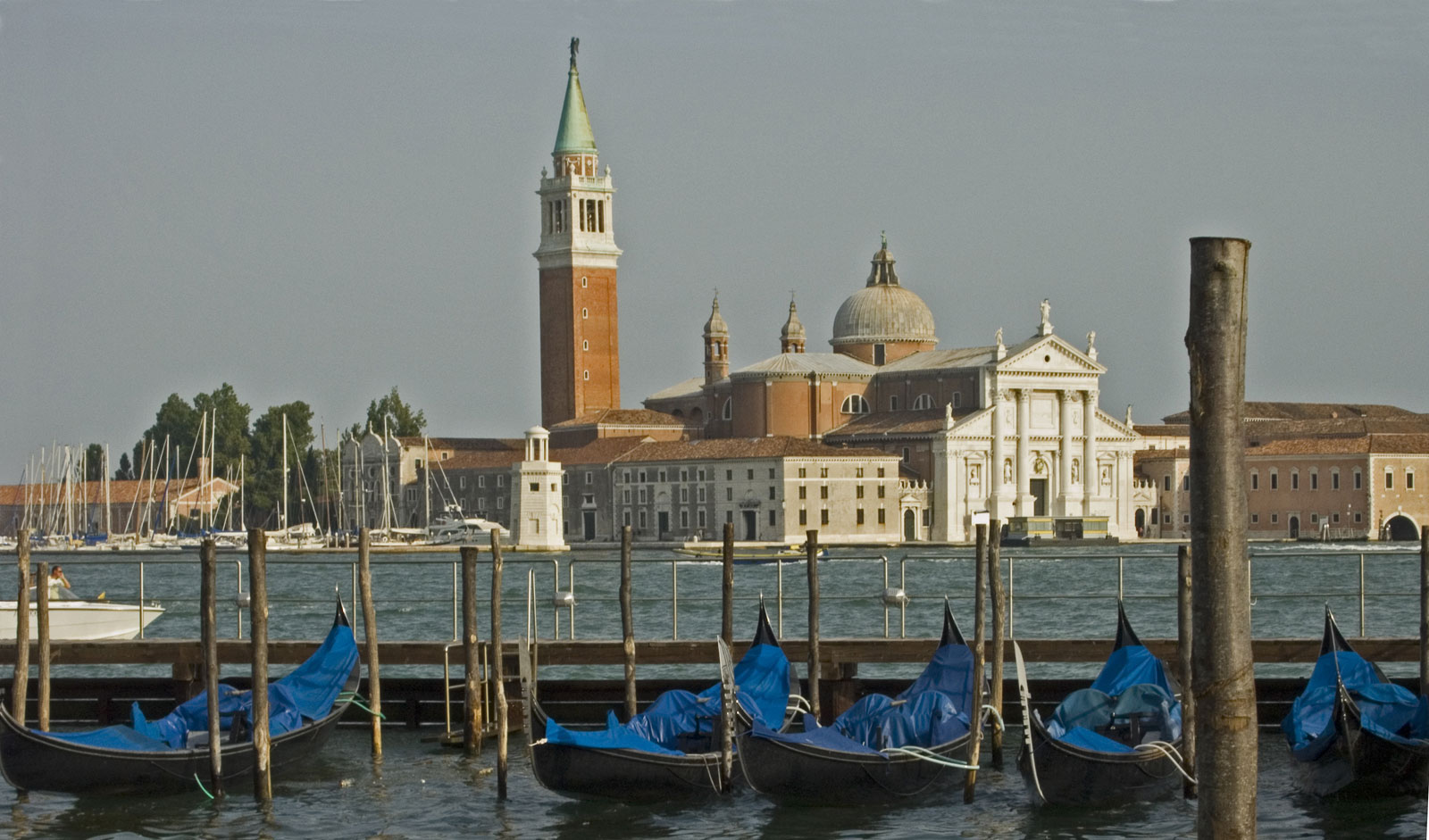
The Venice Workshop: among lectures and performances

By Emilia Campagna - April 28, 2016
The intense and rich program of the Tybo days in Venice

During the Tybo’s days in Venice, musicians admitted to the workshop will live a total immersion in music and in study, either through performance under the guidance of our conductors, whether through lectures given by three important musicologists.

Every day candidates will rehearsal both in orchestra (with Claudio Astronio), both in wind or string ensembles (with Alfredo Bernardini and Chiara Banchini): each director has chosen to work on a specific repertoire. So, orchestral rehearsals will be dedicated to Symphony in Eb Vb144 by Joseph Martin Kraus, one of TYBO’s favourite composers. Chiara Banchini will work on Sestetto in Eb Op. 23 n. 1 by Luigi Boccherini, in continuity with the work that the Swiss violinist carried out in recent TYBO tours. Wind players will rehearsal under the guidance of Alfredo Bernardini on Mozart’s Divertimento in F KV 213 and Haydn’s Divertimento in F Hob II:23; Bernardini will also work with winds and strings together: Bach’s Quintetto in D Op. 11 n. 6, Boccherini’s Notturno in Eb Op. 38 n. 1 and Pleyel’s Quintetto in Eb Op. 18 n. 3 are scheduled.

Besides rehearsals and performances we’ll have music lectures too: Christine Siegert (Professor at Beethoven Haus, Bonn) will give a lecture about “Beethoven’s symphonies as chamber music”; Marco Mangani (Professor at Università di Ferrara) about “The symphonic cycle of movements in German and Austrian music, and the question of menuet”; the last lecture will be given by Gabriele Rossi Rognoni (Professor at Royal College of Music, London): “From Pre-Classical to Classical orchestra in German countries: an organological perspective”.

This rich program of lectures will take place thanks to the collaboration with Fondazione Giorgio Cini and Istituto per la Musica (Institute for Music): the director Gianmario Borio has explained us that “the Institute pays a special attention to the so-called ‘artistic research’, i.e. the range in which performance and musicological research meet, and where the practice of music itself is already understood as an embryo research.”

About the collaboration of Istituto per la Musica with Theresia Youth Baroque Orchestra, Gianmario Borio says that “as a matter of fact, the project with Theresia is one of the moments when I try precisely this kind of meeting, and I am confident that it will be a success. The three musicologists invited to give the lectures are well aware of the kind of audience they will face; on the other hand, the Theresia musicians have already been channeled within a certain frame of mind: as well as being performers of considerable level, they know the importance of the study of the sources, the survey on historical instruments, the knowledge of the notation. In short, I am confident that there will be a great mutual willingness and I am happy that the structure in which the workshop will take place encourages this sort of encounter.”

With Theresia, with passion

By Emilia Campagna - April 4, 2016
Many aspiring to access to the workshop of Theresia: aftermath the subscription deadline, have a look at some numbers

[highlighted_p boxed=”false” center=”false”]translation by Charlotte Michi[/highlighted_p]

122 subscribers willing to take part to the workshop, only 35 places available: these are the numbers the day after the deadline for submitting to the auditions & workshops that Theresia will organize in Venice from the 4th to the 7th of May. There is hunger for orchestra, there is hunger for Theresia. Of course we expected a higher number of registrations compared to the number of places available, but those figures have surprised us – positively.

The candidates come from 30 different countries: Italy ahead (32 subscribers), followed by Spain (18), France (16), Poland (11) and United Kingdom (5); and then a series of mostly non-European nationalities: we received subscriptions from Brazilian musicians, Canadians, Chileans, Taiwanese, Indonesians and Australians! Finally, the average age is 24 years (the subscriptions where open to musicians younger than 28 years old).

Now it’s up to the three conductors – Claudio Astronio, Chiara Banchini and Alfredo Bernardini – and to the artistic director Mario Martinoli to identify, according to the curriculum and the video received, the 35 musicians that will take part to the stage: there they will prove themselves in the orchestral and chamber workshops and then be selected for the next productions of Theresia Youth Baroque Orchestra.

thank you - auditions 2016

Con Theresia, appassionatamente

By Emilia Campagna - April 4, 2016
Molti gli aspiranti ad accedere al workshop di Theresia: all'indomani della scadenza delle iscrizioni, vi diamo qualche numero

122 iscritti al workshop su 35 posti disponibili: questi i numeri il giorno dopo la deadline delle iscrizioni per partecipare allo stage con audizioni che Theresia organizza a Venezia dal 4 al 7 maggio. C’è fame di orchestra, c’è fame di Theresia. Certo, ci aspettavamo un numero di iscrizioni superiore ai posti disponibili, ma queste cifre ci hanno colto – molto positivamente – di sorpresa.

I candidati provengono da 30 paesi diversi: in testa l’Italia (32 iscritti), seguita da Spagna (18), Francia (16), Polonia (11) e Inghilterra (5); e poi una sfilza di nazionalità in maggioranza extraeuropee: sono arrivate iscrizioni di musicisti brasiliani, canadesi, cileni, taiwanesi, indonesiani e australiani! Infine, l’età media è di 24 anni (le iscrizioni erano riservate a minori di 28 anni).

Ora spetta ai tre direttori – Claudio Astronio, Chiara Banchini e Alfredo Bernardini – e al direttore artistico Mario Martinoli individuare, sulla base dei curriculum e del video inviato, i 35 musicisti che parteciperanno allo stage: lì potranno dimostrare quanto valgono nei workshop orchestrali e cameristici ed essere in seguito selezionati per le prossime produzioni di Theresia Youth Baroque Orchestra.

thank you - auditions 2016

You have still two days to apply for auditions and workshops

By theresia - March 30, 2016
Our conductor Claudio Astronio is absolutely sure of it: playing with Theresia Youth Baroque Orchestra is a wonderful opportunity. And, as a matter of fact, the aim of the project is to promote young talents and let them grow in a stimulant and professionalising context: for this very reason this year we have decided to […]

Our conductor Claudio Astronio is absolutely sure of it: playing with Theresia Youth Baroque Orchestra is a wonderful opportunity. And, as a matter of fact, the aim of the project is to promote young talents and let them grow in a stimulant and professionalising context: for this very reason this year we have decided to transform our yearly auditions into a four-days-long workshop during which candidates will perform with their colleagues – both in chamber ensemble and in orchestra – under the lead of our three conductors: Claudio Astronio, Chiara Banchini, Alfredo Bernardini. So, we are not judging musicians after just a 20 minutes performance, but at the end of a proper orchestral work during wHich every candidate may show his qualities, and may also treasure the teachings of our directors.

Several applications are arriving in these very hours! We are looking forward to examining all of them. So, if you haven’t yet applied, there are still two days: don’t miss the chance!

[button url=”/orchestra/auditions” new_tab=”false” size=”medium” style=”solid” color=”false” light=”false”]WORKSHOPS AND AUDITIONS[/button]

Claudio Astronio: “Auditions for Theresia, a wonderful opportunity”

By Emilia Campagna - March 24, 2016
translation by Charlotte Michi Claudio Astronio is the conductor who better knows Theresia: with him the orchestra made its debut in November 2012; with him the orchestra has grown in this years thank to many orchestral workshops, until the last wonderful effort, the film-concert “Zoroastro”, which will soon be presented to the public. Beside to […]

translation by Charlotte Michi

Claudio Astronio is the conductor who better knows Theresia: with him the orchestra made its debut in November 2012; with him the orchestra has grown in this years thank to many orchestral workshops, until the last wonderful effort, the film-concert “Zoroastro”, which will soon be presented to the public. Beside to the many productions, Astronio has participated to all the auditions to select TYBO’s musicians in these years: of course he will be there also this year, to kick off the new workshop’s formula in which the applicants will be selected not through a simple audition but during three days of intense orchestral and chamber music work.

What do you think about this formula?

All the best: it’s an extreme positive thing for all of us, and it contains in itself many elements that help to further develop the Theresia educational project. We avoid the short classical auditions and we connect all the candidates with their colleagues, with musicians who have already been part of the orchestra and with the conductors: with me there will be Alfredo Bernardini, starting his collaboration with Theresia, and Chiara Banchini, who has already done some projects with the orchestra. 

What will the program of the orchestra rehearsals be? From the conductor’s point of view what are the positive sides of this formula?

I will work mainly on the music of Martin Kraus, a very important composer for the repertoire of Theresia. For me it will be very important to see the musicians at work, in interaction with each other. There will be orchestral rehearsals but also section rehearsals, for strings alone and for winds alone.

The workshop will be a “virtual” orchestral stage, meaning that the study won’t be aimed at preparing the concert: will this change the way you work and your expectations?

Only partially: for sure there will be less stress, at least as far as I am concerned, in any case every time that we will be together to rehearse I expect the best from the musicians. That’s what a good football coach would say: we go forward match by match, and when we go on stage the work starts, the most important thing. And it doesnt’ matter if there is to prepare a concert or not.

What is more important, the individual technique or the ability to play together?

Both things are necessary but in a team the ability of working together is fundamental: I don’t search for a soloist attitude that creates problems in the group. On the other side, Theresia gives value to individual talents: all he soloists that have performed with Theresia come directly from the orchestra, they have worked with great humility, using individual talent to serve the group.

Which suggestions would you give to a candidate of the auditions?

First of all to be very well prepared, because the level of the young musicians that study in European schools is very high. And to be prepared to work in team, to networking, to seize the opportunities: joining Theresia Youth Baroque Orchestra means to start working seriously, not only for the excellent professional training achieved in orchestra but also for the encounters that can occur and from which further opportunities can arise. In conclusion, the suggestion that I give to everybody is: study a lot and play happily.

[button url=”/orchestra/auditions” new_tab=”false” size=”medium” style=”solid” color=”false” light=”false”]WORKSHOPS AND AUDITIONS[/button]

Claudio Astronio: “Audizioni per Theresia, una splendida opportunità”

By Emilia Campagna - March 18, 2016
Claudio Astronio parla delle audizioni di Theresia in programma a maggio a Venezia

Claudio Astronio è il direttore che meglio conosce Theresia: con lui l’orchestra ha debuttato nel novembre del 2012, con lui è cresciuta in questi anni in numerosi stage, fino all’ultima splendida fatica, quella del film-concerto “Zoroastro” che sarà presto presentato al pubblico. E oltre alle numerose produzioni, Astronio ha partecipato a tutte le audizioni che in questi anni hanno selezionato i musicisti di TYBO: naturalmente ci sarà anche quest’anno, per inaugurare la nuova formula di workshop in cui i candidati saranno selezionati non attraverso una semplice audizione ma durante tre giorni di intenso lavoro orchestrale e cameristico.

Cosa pensa di questa formula?

“Tutto il bene possibile: è una cosa estremamente positiva per tutti, e contiene in sè molteplici elementi che contribuiscono a sviluppare ulteriormente il progetto di formazione di Theresia. Evitiamo l’audizione secca e mettiamo in contatto tutti i candidati con i loro colleghi, con musicisti che già fanno parte dell’orchestra e con i direttori: con me ci saranno Alfredo Bernardini, che inizia la sua collaborazione con Theresia, e Chiara Banchini, che ha già fatto alcuni progetti con l’orchestra.”

Quale sarà il programma delle prove d’orchestra? E dal punto di vista del direttore quali sono i lati positivi di questa formula?

“Lavorerò principalmente su musiche di Martin Kraus, che è un compositore molto importante nel repertorio theresiano e per me conterà molto il fatto di vedere i musicisti all’opera, al lavoro, nell’interazione gli uni con gli altri. Ci saranno prove d’orchestra ma anche di sezione, per soli archi e soli fiati.”

Il workshop sarà uno stage orchestrale “virtuale”, nel senso che lo studio non sarà finalizzato a preparare il concerto: questo cambierà il suo modo di lavorare e le sue aspettative?

“Solo in parte: è vero che ci sarà meno stress, almeno per quello che mi riguarda, ma in ogni caso ogni volta che ci si trova assieme per provare mi aspetto il massimo dai musicisti. E’ quello che direbbe un bravo allenatore di calcio: si va avanti partita per partita, e nel momento stesso in cui salgo sul palco quello è lavoro, è la cosa più importante, che ci sia da preparare un concerto oppure no.”

E’ più importante la tecnica individuale o la capacità di suonare assieme?

“Servono entrambe ma in una squadra è ovvio che il lavoro di assieme è fondamentale: ciò che non cerco è un certo atteggiamento da solisti che nel gruppo poi crea problemi. Non che Theresia non valorizzi i talenti individuali, anzi i solisti che ha avuto escono direttamente dalle sue fila, da un lavoro di grande umiltà in cui si mette il proprio talento al servizio del gruppo.”

E quali consigli darebbe a un candidato a queste audizioni?

“Innanzitutto di essere molto preparati, perchè il livello dei giovani che escono dalle scuole europee è molto alto. E poi di essere pronti al lavoro di squadra, a fare rete, a cogliere le opportunità: entrare in Theresia vuole dire iniziare a lavorare sul serio, non solo per l’ottima formazione professionale che si ha in orchestra ma anche per gli incontri che si possono fare e da cui nascono ulteriori occasioni. Insomma, il consiglio che do a tutti è: studiare tanto, suonare felici.”

[button url=”/orchestra/auditions” new_tab=”false” size=”medium” style=”solid” color=”false” light=”false”]WORKSHOP E AUDIZIONI[/button]