Discovering a viola virtuoso of the 18th century: Alessandro Rolla
What would you answer if someone asked you how many major 18th-century viola pieces you know? If you had asked me this question a few years ago, I could have recalled probably three or four compositions. Nowadays, violists struggle with finding a solo viola repertoire from the 18th century, as I have in the past few years.
The only respected compositions are the two viola concertos – one composed by Carl Stamitz and the other one by Franz Anton Hoffmeister – and the Sinfonia Concertante for violin and viola by Wolfgang Amadeus Mozart. Compared to the repertoire of the violin and cello, it is barely anything. Violinists shine performing concertos and sonatas composed by Mozart and Beethoven, as well as less known by Haydn. When you search deeper into the viola repertoire, you can find some pieces composed by Johann Nepomuk Hummel: a Fantasia for viola and orchestra and a viola sonata. But still, how often can one perform the same pieces?
The other problem with the 18th-century viola repertoire is its level of advancement. The compositions mentioned above are suitable for school and music academies’ students, while professionals cannot develop their technical skills any more. Of course, practising the same piece after a few months’ break brings huge profits, but there are no new challenges in these compositions – we always work on the same ones finding different solutions and paths, which is obviously extremely important, but it is still working on the same problems.
As we all know, in the past violinists played both instruments – the violin and the viola. There were musicians playing just the viola but unfortunately, they were not very good ones as we can read in many different sources. Even Johann Joachim Quantz wrote that the violinist who struggled too much with their instrument should focus on playing the viola, as the viola part in the orchestra is nothing compared to the violinist one.
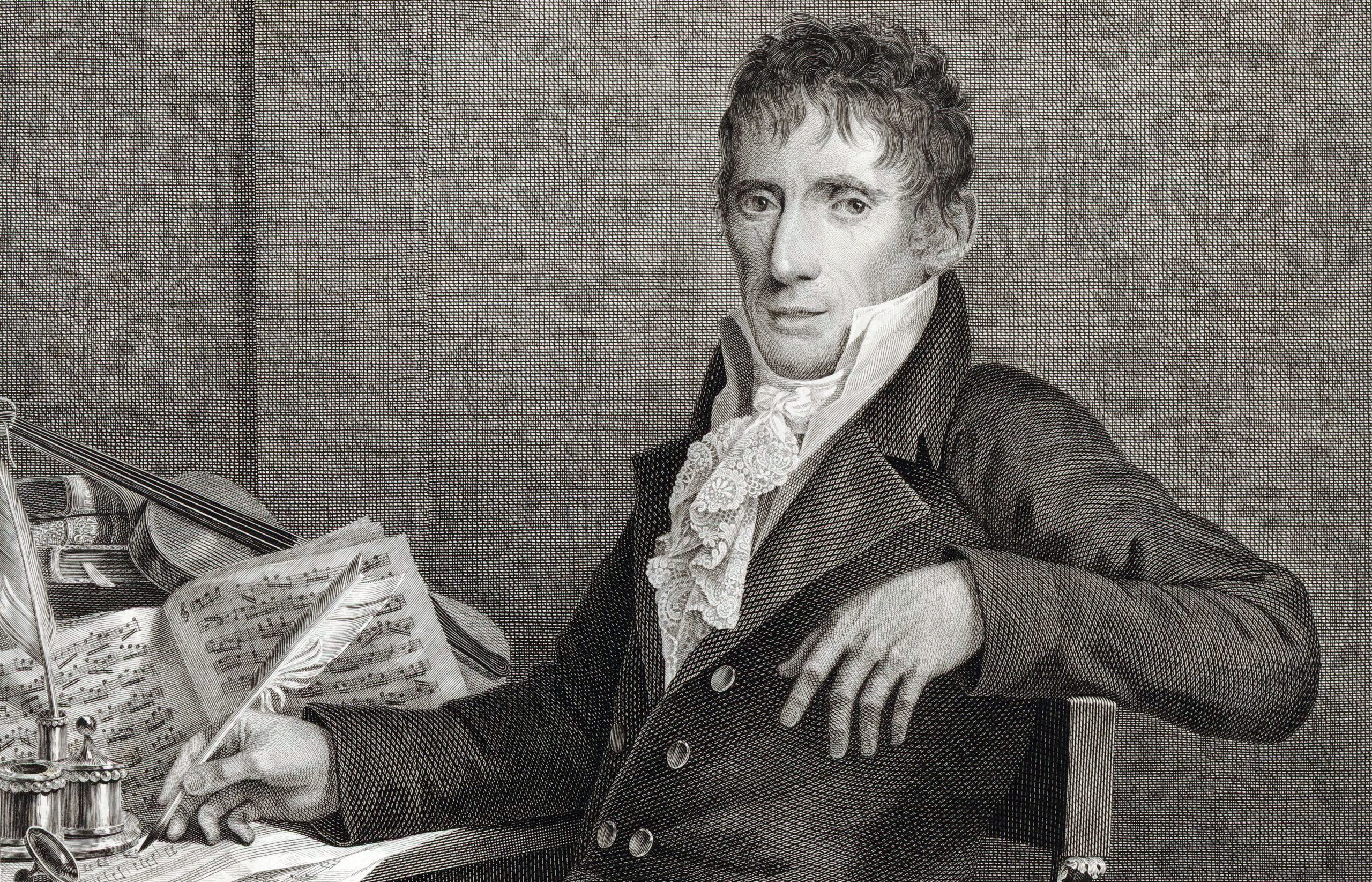
On the other hand, we have Niccolo Paganini, who was probably one of the most famous virtuosos of all time. Even non-musicians know his name! But let’s say it – even if someone is incredibly talented he cannot learn everything on his own, he has to have a good teacher who will help him with new difficulties, and who will describe the topic well. Here comes the name of Paganini’s teacher – Alessandro Rolla (1757 – 1841).
Rolla was a virtuoso player, a composer and a conductor. He held a position of a leader and an artistic director of the La Scala Orchestra, which was offered to him in 1802. But he did not play the violin only, he played the viola as well! The fascinating thing about him is that he is supposed to have performed the very first viola concerto in the world! This life-changing event took place in 1772, and it was his very first public performance. While reading about Rolla you can find information that he composed some viola pieces and the first question that comes to your mind may be:
„Oh really? I have never heard any of them!” That is unfortunately true.
Alessandro Rolla composed 14 (sic!) viola concertos, plenty of sonatas for viola with other instruments such as the violin, cello or piano, and some small pieces for viola and orchestra (or string quartet) and also duos for two violas and violin and viola. This amount of compositions featuring the viola has not appeared in any other composer’s heritage ever since! Of course, one can ask: „So he composed many pieces for the viola, but maybe they are not worth playing?” Answers to this question can be found by some deeper research only.
When I was reading scores of his compositions and listening to very few existing recordings of his music, I realized that they were actually some of the best 18th-century viola compositions I had ever heard! They consist of many difficult passages and double stops, the melodies and harmonies are very interesting. You can find many beautiful and meaningful musical sentences there. I was shocked! When I got even deeper into the research, I found many similarities to Paganini’s pieces.
This made me think that maybe the inventor of Paganini’s virtuosic style was actually his teacher – Alessandro Rolla – and that Paganini simply developed Rolla’s ideas, making them even more difficult. I could not understand why modern musicians do not perform Rolla’s compositions. The sad thing is they are mostly available online as the handwriting of copyists, so sometimes it is not easy to read them and some of them are missing a page or two.
Alessandro Rolla’s compositions for viola are much more difficult than the two respected viola concertos mentioned at the very beginning of this article. Personally, I think that maybe his pieces were simply too difficult for violists at his time and the ones who lived later. As I wrote above, violinists played the viola as well, but they did not need to play viola difficult pieces as they already had violin ones. On the other hand, bad violists wouldn’t even be able to read them properly! Then, when Rolla and the musicians who knew him passed away, his music was left on the shelf and forgotten.
This is now our mission to give Alessandro Rolla’s music its second, well-deserved life!
Zapomniana altówka

O nieznanym wirtuozie XVIII wieku
Co byście odpowiedzieli, gdyby ktoś was zapytał o dzieła altówkowe skomponowane w XVIII wieku? Ile ich znacie? Gdyby ktoś zadał mi to pytanie kilka lat temu, to najprawdopodobniej wspomniałabym o trzech lub czterech utworach. Obecnie altowioliści, tak jak i ja jakiś czas temu, mają trudność w znalezieniu repertuaru skomponowanego oryginalnie na ten instrument właśnie z tamtego okresu.
Jedynymi uznanymi utworami z okresu klasycyzmu są dwa koncerty altówkowe – jeden autorstwa Carla Stamitza, a drugi Franza Antona Hoffmeistra, oba w tonacji D-dur. Obok nich wymienia się Symfonię Koncertującą Wolfganga Amadeusza Mozarta na skrzypce i altówkę. Porównując tę ilość do repertuaru skrzypcowego czy wiolonczelowego, to jest to bardzo niewiele. Skrzypkowie lśnią, wykonując koncerty i sonaty Mozarta czy Beethovena, a także mniej znane dzieła Haydna. Rzadziej wykonywanymi, ale także znanymi kompozycjami altówkowymi epoki klasycyzmu są dwa dzieła pióra Johanna Nepomuka Hummla – Sonata oraz Fantasia. W dalszym ciągu jest to zaledwie pięć pozycji. Jak często jeden muzyk może wykonywać te same dzieła?
Kolejnym problemem repertuaru altówkowego z tamtego okresu jest ich poziom zaawansowania. Kompozycje wymienione powyżej są utworami wykonywanymi przez uczniów szkół muzycznych oraz studentów akademii, natomiast soliści i dojrzali muzycy najprawdopodobniej przepracowali te dzieła i odkryli już trudności w nich zawarte. Oczywiście, wracając do utworu po pewnym czasie odkrywamy nowe problemy, a wiele poprzednich aspektów wykonawczych nie sprawia nam już kłopotów. Ciągła praca nad tym samym materiałem muzycznym pozwala znaleźć nowe, może lepsze rozwiązania, jednak jest to w dalszym ciągu praca nad dokładnie tym samym.
Jak wiadomo z różnych źródeł, w przeszłości to skrzypkowie grywali na altówce. Rzadko spotykało się muzyka, który był po prostu altowiolistą, a jeśli już się taki znalazł, to naprawdę był niezdolnym skrzypkiem. Nawet Johann Joachim Quantz pisał, że skrzypkowie, którym zbyt wielką trudność sprawia wykonywanie ich partii powinni grać tylko na altówce, gdyż partia tego instrumentu w orkiestrze jest znacznie prostsza.
Jak wiadomo, jednym z największych wirtuozów był Niccolo Paganini. Nawet osoby, którym do muzyki poważnej daleko znają jego imię! Jednak trzeba mieć na uwadze, że nawet jeśli ktoś ma ogromny talent, to nie jest w stanie nauczyć się wszystkiego samemu, potrzebny jest mu dobry nauczyciel, który rozwiąże bieżące problemy i odpowiednio wprowadzi nowe zagadnienia. I tu pojawia się imię osoby, która sprawowała pieczę nad młodym Paganinim – Alessandro Rolla (1757 – 1841).
Rolla był wirtuozem skrzypiec, dyrygentem, kompozytorem oraz altowiolistą. W 1802 roku objął pozycję koncertmistrza oraz dyrektora artystycznego orkiestry La Scala w Mediolanie. Niezwykle ciekawym jest, że Rolla jest uznawany za muzyka, który po raz pierwszy w historii wykonał publicznie koncert altówkowy. To wielkie wydarzenie miało miejsce w roku 1772 i było także pierwszym publicznym występem młodego Alessandro. Czytając o tej postaci, można znaleźć wzmianki o tym, że skomponował jakieś utwory na altówkę. Pierwsza myśl jaka przyszła mi do głowy, gdy kilka lat temu zaczęłam się nim interesować była: „Naprawdę? Nigdy o nim nie słyszałam!”
Alessandro Rolla skomponował 14 (sic!) koncertów altówkowych, kilka sonat na altówkę z towarzyszeniem skrzypiec, wiolonczeli czy fortepianu, utwory na altówkę z towarzyszeniem orkiestry lub kwartetu smyczkowego, a także duety na dwie altówki oraz na altówkę i skrzypce. Taka ilość repertuaru altówkowego nie wystąpiła u żadnego wcześniejszego kompozytora, biorąc pod uwagę także różnorodność tych dzieł. Oczywiście mogą pojawić się głosy, że ilość nie jest równa jakości i może dzieła Rolli nie są warte uwagi. Odpowiedź na to pytanie można znaleźć jedynie poprzez wgłębienie się w kompozycje włoskiego wirtuoza.
Podczas przeglądania partytur dzieł Alessandro Rolli i słuchania niewielu istniejących nagrań, uznałam, że jego kompozycje są jednymi z lepszych dzieł altówkowych z XVIII wieku! Zawarte w nich trudności wcale nie odbiegają od repertuaru skrzypcowego – znajdują się tam ciągi dwudźwięków, długie pasaże, a harmonika i melodyka są niezwykle interesujące. W jego dziełach można znaleźć wiele wzruszających i poruszających fraz, ja byłam tym wszystkim bardzo zaskoczona! Podczas głębszego studiowania jego dzieł zauważyłam pewne podobieństwa do utworów Paganiniego. To skłoniło mnie do myśli, czy to przypadkiem nie jego nauczyciel – Alessandro Rolla – był twórcą stylu wirtuozowskiego, kojarzonego dzisiaj z Paganinim, a Niccolo Paganini po prostu poszedł o krok dalej, stawiając poprzeczkę znacznie wyżej.
Zastanawiałam się dlaczego obecnie nie wykonuje się dzieł Rolli. Jednym z powodów może być ich dostępność – w większości są one dostępne online, jednak część z nich to niewyraźne manuskrypty, a w niektórych dziełach brakuje jednej lub więcej stron. Kolejnym aspektem mogą być trudności techniczne. Osobiście uważam, że utwory Rolli są bardziej wymagające niż dwa koncerty wspomniane przeze mnie na początku artykułu. Jak już wcześniej pisałam – ówcześnie to skrzypkowie grywali na altówce. Nie mieli oni potrzeby wirtuozowskiej gry na tym instrumencie, ponieważ technikę szlifowali na repertuarze skrzypcowym. Natomiast altowioliści, którzy nie grali na skrzypcach, żyjący w XVIII i XIX wieku, mogący pamiętać Rollę nie byli wystarczająco sprawni technicznie, by wykonywać jego dzieła. Przez to właśnie muzyka Alessandro Rolli brzmi teraz głównie na papierze. Dzisiaj to do nas należy, by dać jej drugie, jakże zasłużone życie.