Our next project: music in Vienna and Salzburg in Mozart’s time

By Emilia Campagna - March 26, 2019
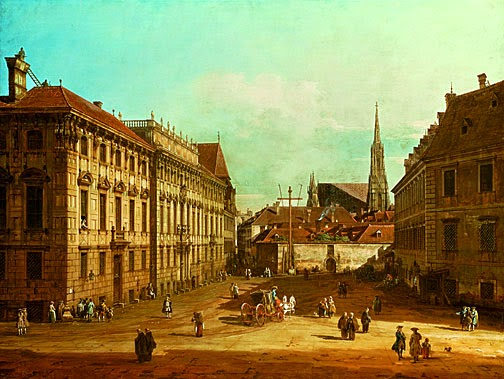
Theresia's next  project will be devoted to music in Vienna and Salzburg in Mozart's time. The orchestra will perform Wolfgang Amadeus Mozart's Linz Symphony, Franz Joseph Haydn's Ouverture from "Il ritorno di Tobia" and Michael Haydn's Symphony n. 28 in C major

Theresia’s next  project will be devoted to music in Vienna in Mozart’s time. The orchestra will perform Wolfgang Amadeus Mozart‘s Linz Symphony, Franz Joseph Haydn‘s Ouverture from “Il ritorno di Tobia” and Michael Haydn‘s Symphony n. 28 in C major.
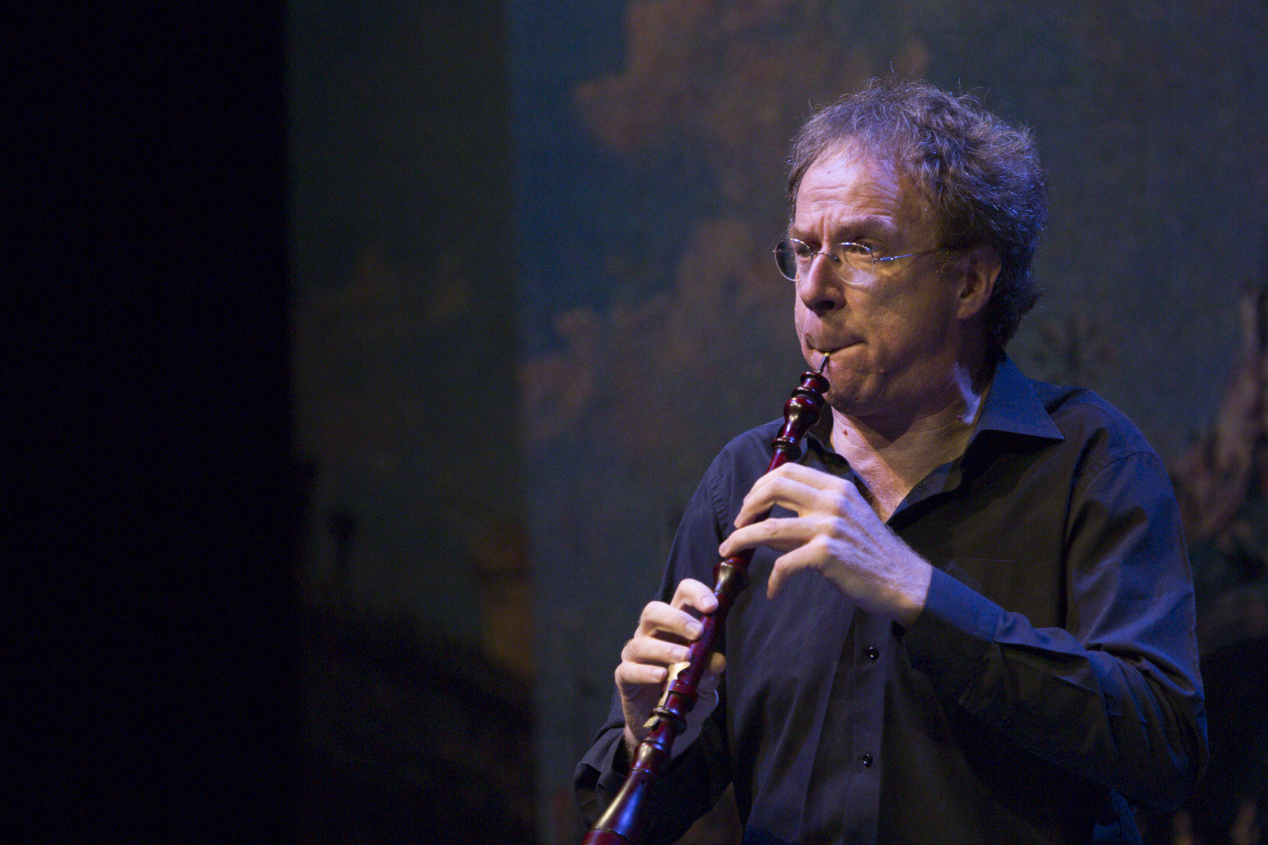
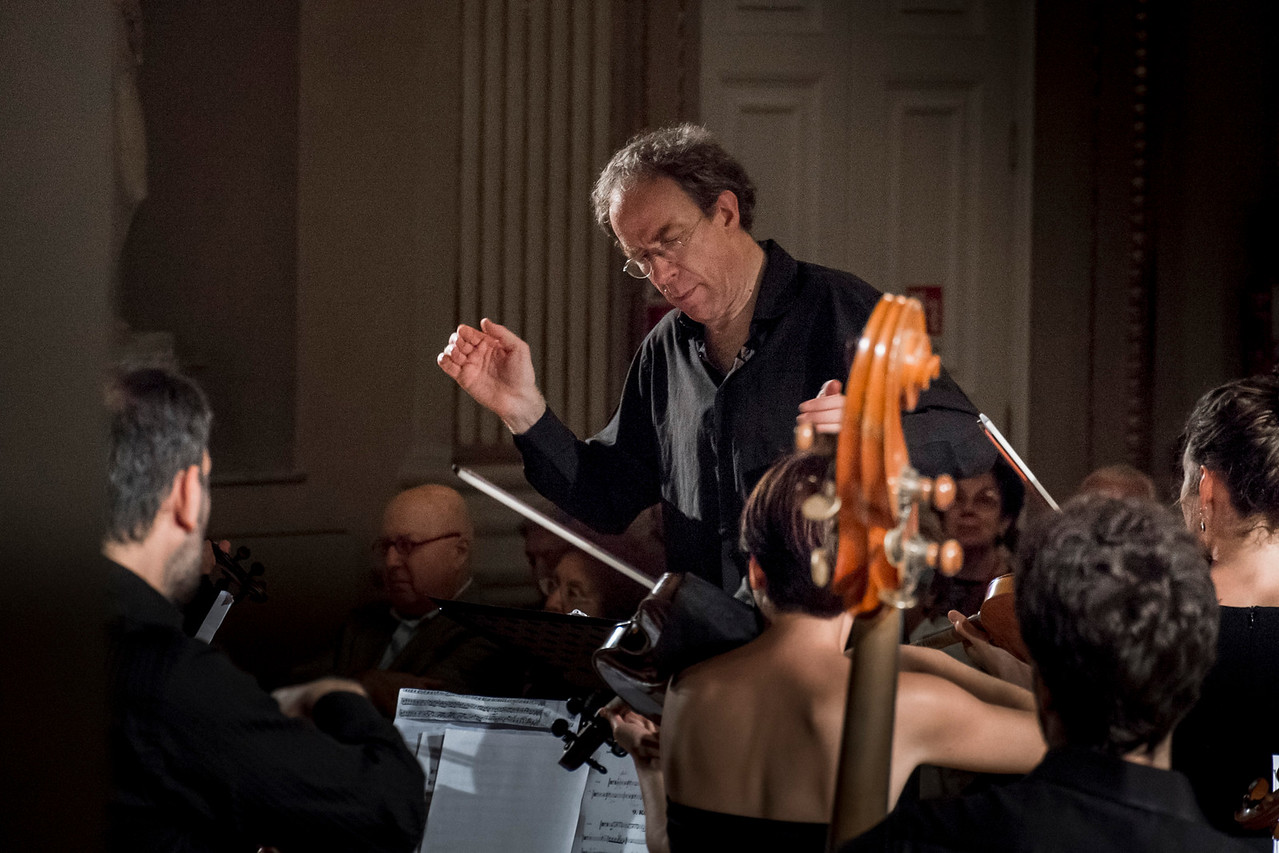
Indeed, a beautiful musical program that will be conducted by Alfredo Bernardini in Lodi on the 3rd of May and in Mantua the day after.

“Il ritorno di Tobia” (The Return of Tobias) is an oratorio composed in 1775 by Joseph Haydn (Hob. XXI:1). The work is the first oratorio the composer wrote and the work was premiered in Vienna on 2 April 1775 with substantial musical forces, probably more than 180 performers including the orchestra, chorus and soloists. In 1784, Haydn substantially revised the work, with cuts to make numbers shorter and new choruses, for another of the Tonkünstler-Societät’s benefit concerts. It is thought that at this concert Haydn first met Wolfgang Amadeus Mozart, who became his good friend.

Michael Haydn’s Symphony n.28
in C major was written in Salzburg in 1784 and was the third and last symphony published in his lifetime. Scored for 2 oboes, 2 bassoons, 2 horns, 2 trumpets, timpani and strings, it is in three movements: Allegro spiritoso, Un poco adagio and Fugato: Vivace assai. As musicologist Charles H. Sherman points out, this is the first of Michael Haydn’s symphonies to conclude with the kind of fugato “that Haydn introduced in several of his late symphonies and which so clearly forecast Mozart’s procedures in the ‘Jupiter’ Symphony.” Theresia is going to perform music by Michael Haydn for the first time: it is a remarkable addition to our repertoire, considering the important influence that Michael Haydn’s music had on Mozart. In this regard, during the preparatory stage, musicians involved in the project will have the chance to attend a lecture by Professor David Wyn Jones: stay tuned for more details about that in the next posts.

Last music in program will be Symphony n. 36 “Linz” by Wolfgang Amadeus Mozart: it was written by Wolfgang Amadeus Mozart during a stopover in the Austrian town of Linz on his and his wife’s way back home to Vienna from Salzburg in late 1783.
In a letter dated October 31, 1783, addressed to his father Leopold Mozart, Wolfgang writes: “On Tuesday, November 4th, I will give [a concert] in the theater here. – and because I don’t have a single symphony with me, I’m working head over heels on a new one, which must be finished by then.” Konstanze and Wolfgang Amadé had left Salzburg on the 27th of that month; Wolfgang was never again to return. Johann Joseph Anton Graf Thun invited the two travelers to stay with him; it is Thun whom we must thank for the Linz Symphony, K. 425. Despite the speed at which it was written, the work is perfectly balanced, painstakingly detailed and as rich in ideas as could be. It was played many times during the composer’s life: in Vienna, Salzburg and possibly even Prague.

Alfredo Bernardini e il felice equilibrio dell’orchestra

By Emilia Campagna - December 7, 2018
Alfredo Bernardini: "Theresia è un’occasione importante per intraprendere una carriera di musicisti specializzati nell’esecuzione con strumenti storici e per fare esperienza ed imparare cose che difficilmente si riescono ad imparare in conservatorio: come comportarsi in orchestra, sia musicalmente, sia tecnicamente, sia socialmente."

“L’orchestra è una comunità fatta di equilibri delicati, in questo rispecchia in piccolo la società, anch’essa in fondo sempre alla ricerca di una felice armonia.”


Tra i direttori che hanno lavorato in questi anni con Theresia Youth Orchestra c’è Alfredo Bernardini, che in occasione delle prossime audizioni ci dà il suo punto di vista sul progetto.

Alfredo Bernardini, lei ha lavorato in più occasioni con Theresia: dal suo punto di vista, che tipo di impegno e di occasioni offre il progetto Theresia a un giovane musicista?

“Theresia è un’occasione importante per i giovani che vogliono intraprendere una carriera di musicisti specializzati nell’esecuzione “storica”, con strumenti d’epoca, del repertorio classico e primo-romantico. Questi giovani possono così fare esperienza ed imparare cose che difficilmente riescono ad imparare in conservatorio: come comportarsi in orchestra, sia musicalmente, sia tecnicamente, sia socialmente. In orchestra si impara ad imporsi con un assolo, ma anche a seguire gli altri, ad inserirsi con intonazione a seconda dell’armonia, con la dinamica, con l’articolazione. L’orchestra è una comunità fatta di equilibri delicati, in questo rispecchia in piccolo la società, anch’essa in fondo sempre alla ricerca di una felice armonia.”

Si avvicinano le audizioni con cui periodicamente Theresia seleziona i propri musicisti: lei quali consigli da a un giovane che si prepara ad affronare questa prova?

“Naturalmente bisogna fare tutto il possibile per essere padroni del proprio strumento. Ma poi non è necessario presentarsi all’audizione volendo fare il passo più lungo della gamba, cioè scegliendo un repertorio solistico troppo difficile. L’orchestra ha bisogno di altro. Tra i criteri di selezione è molto importante notare nel candidato la reattività alla situazione musicale. Per questo alcune delle audizioni di Theresia in passato si sono svolte in forma di musica da camera, per poter capire le capacità dei ragazzi di interagire l’uno con l’altro. Quindi: conoscere bene le partiture, le parti degli altri strumenti, il contesto storico-musicale: tutto questo è senz’altro utile.”

Lei nello specifico quando si trova a valutare i candidati ad un’audizione su quali aspetti si sofferma maggiormente? Cosa cerca in un musicista che aspira ad entrare in un’orchestra?

“Penso che un giovane che vuole entrare nel progetto Theresia voglia fare esperienza prima di lanciarsi nel mondo professionale. Anche il fatto di conoscere e collaborare con bravi compagni provenienti da tutto il mondo, che abbiano passato la stessa selezione, è un importante valore che potrebbe segnare il loro futuro musicale. Theresia offre generosamente e dignitosamente queste opportunità, con programmi e progetti mirati anche alla formazione e con opportunità concertistiche di livello professionale.”

Tra i giovani musicisti c’è chi fa delle audizioni un vero e proprio impegno a tempo pieno: melius adbundare quam deficere o è il caso di concentrarsi su pochi specifici obiettivi?

“Nel “mondo degli strumenti moderni” le audizioni sono un fondamentale passaggio dalla fine degli studi alla professione. Quasi sempre si tratta di tantissimi candidati per pochi posti di lavoro. È una questione di sopravvivenza, anche perché parliamo di posti di lavoro e quindi di salari più o meno stabili. Il “mondo degli strumenti antichi” in verità è molto differente, perché non ci sono orchestre stabili con salari fissi, ma c’è una fervente libera professione con molte opportunità ma poca sicurezza a lungo termine. Se lo svantaggio della mancanza di sicurezza è evidente, va apprezzato il vantaggio della generale mancanza di routine, della vivacità e della passione che tengono in vita questi progetti.”

Anche nel 2019 Theresia Youth Orchestra avrà il piacere di lavorare con Alfredo Bernardini: è in programma un interessante progetto orchestrale che si terrà nel mese di maggio. Seguiteci per ulteriori aggiornamenti!

Enjoy our new video

By theresia - May 26, 2017
One orchestra, many musicians, three conductors: this is Theresia!

One orchestra, many musicians, three conductors: this is Theresia, and if you want to know more about our activities and our philosophy now you can watch our video. Enjoy!

Fiorisce Theresia, una primavera travolgente

By Emilia Campagna - April 28, 2017
La primavera di Theresia si apre con una nuova collaborazione e una residenza nella splendida Camogli

Ricominciano le attività di Theresia Youth Orchestra, che dopo l’inverno dedicato alla formazione, si ripresenta in primavera sui palcoscenici per una serie di concerti che la porteranno da Camogli a Bologna e a Mantova.

Si comincia con il primo stage del 2017, in Liguria: l’orchestra sarà in residence per una settimana a Camogli, splendida località della Riviera dei Fiori. Si tratta di una nuova collaborazione con la Casa della Musica di Genova, di cui vi racconteremo approfonditamente nei prossimi post. La residenza inizierà il 12 maggio e terminerà il martedì successivo con un concerto nel Teatro di Camogli, spazio recentemente rinnovato e riaperto al pubblico. Il giorno successivo l’orchestra si sposterà a Bologna per un concerto al Teatro Manzoni nell’ambito del prestigioso “Bologna Festival”, un palcoscenico di assoluto livello tra i festival italiani.

L’orchestra sarà diretta da Chiara Banchini che continua nel suo progetto di approfondimento del repertorio strumentale di Franz Joseph Haydn e Luigi Boccherini: il programma prevede infatti due pagine (una Ouverture e una Sinfonia) di entrambi gli autori. Di Haydn verranno eseguite l’Ouverture da “Armida” e la Sinfonia n.89 in fa maggiore Hob I:89; di Luigi Boccherini l’Ouverture in re maggiore op.43 G 521 e la Sinfonia in re maggiore op.42 G 520.

Alla fine di maggio, l’Orchestra si riunirà nuovamente in un’altra città gioiello, Mantova: Theresia Youth Orchestra sarà in residence nell’ambito del Festival Trame Sonore, una vera e propria festa della musica che trasforma l’intero centro cittadino in un grande palcoscenico musicale, con 180 concerti in cinque giorni e 400 artisti coinvolti. L’orchestra sarà a Mantova dal 28 maggio al 4 giugno e sarà diretta da Claudio Astronio: ben quattro gli appuntamenti che vedranno coinvolta l’orchestra, con un programma che spazia da Mozart (Sinfonia in la maggiore K 201 e Sinfonia in re maggiore K 202) all’amato Martin Kraus (l’Ouverture da “Prosperpin” e le due Sinfonie in re maggiore V 143 e in mi bemolle maggiore VB 144) al “nuovo” Myslivecek (Sinfonia in la maggiore).

Sul principio dell’estate, all’inizio di luglio, un nuovo progetto “Academy” vedrà coinvolti archi e fiati sotto la guida di Chiara Banchini e Alfredo Bernardini: la residenza artistica si terrà presso la Casa della Musica di Genova.

Theresia in Bolzano: the photogallery

By Emilia Campagna - August 26, 2016
Enjoy the photogallery of our concert at Maretsch Castle! Photo credit Gregor Khuen-Belasi

Enjoy the photogallery of our concert at Maretsch Castle!

Photo credit Gregor Khuen-Belasi

Bolzano, Rimini, Rovereto: Theresia in tour

By Emilia Campagna - August 23, 2016
Dal 24 al 26 Agosto Theresia è in tour nelle tre città, ospite di importanti istituzioni

Rovereto, quarto giorno della residenza di Theresia Youth Orchestra: nella sala prove l’orchestra è schierata e il direttore Alfredo Bernardini lavora sui dettagli del bellissimo programma tutto dedicato allo Sturm und Drang. Insieme, equilibri, fraseggi: la concertazione sta nelle mani del direttore e nelle orecchie dei musicisti a cui Bernardini raccomanda: “Siate sempre in ascolto: di quello che suonate voi e di quello che succede attorno a voi.”

Sono le ultime rifiniture, perchè domani inizia il tour che porterà l’orchestra a Bolzano, Rimini e infine di nuovo a Rovereto. Il concerto di Bolzano è nel ricchissimo cartellone di Antiqua, nell’ambito del Bolzano Festival Bozen e si svolgerà in un luogo simbolo della musica antica a Bolzano, Castel Mareccio. Le info per i biglietti e le prenotazioni sono a questo link.

Il giorno dopo si parte per Rimini: Theresia Youth Orchestra torna al Teatro Galli dove qualche mese fa ha partecipato alla realizzazione del flm concerto “Zoroastro. Io, Casanova” con la regia di Gianni Di Capua. Il concerto è ospitato dalla Sagra Malatestiana e inserito nella rassegna “Rameau e dintorni”.

E l’ultimo concerto, venerdì 26 Agosto, segna un doppio ritorno: a Rovereto, dove si è svolto quest’anno lo stage in residence, e alla Campana dei Caduti, dove Theresia tenne un concerto due anni fa diretta da Claudio Astronio. Quella volta pioveva e il concerto si fece al chiuso, perdendo così lo strepitoso colpo d’occhio : contiamo nel bel tempo per un’esecuzione memorabile sotto la monumentale Campana!

Stormy Theresia

By Emilia Campagna - July 20, 2016
Alfredo Bernardini tells about the musical program with Theresia: Sturm und Drang and the joy of working with our young musicians

Will it be a stormy August? Indeed, it will be for Theresia: the whole summer program is devoted to the “Sturm und Drang”, a very strong theme. The conductor of the orchestra during the workshop and in the three concerts scheduled in Bolzano, Rimini and Rovereto, will be Alfredo Bernardini: we asked him to explain to us the musical program.

First of all, what exactly is the “Sturm und Drang”?


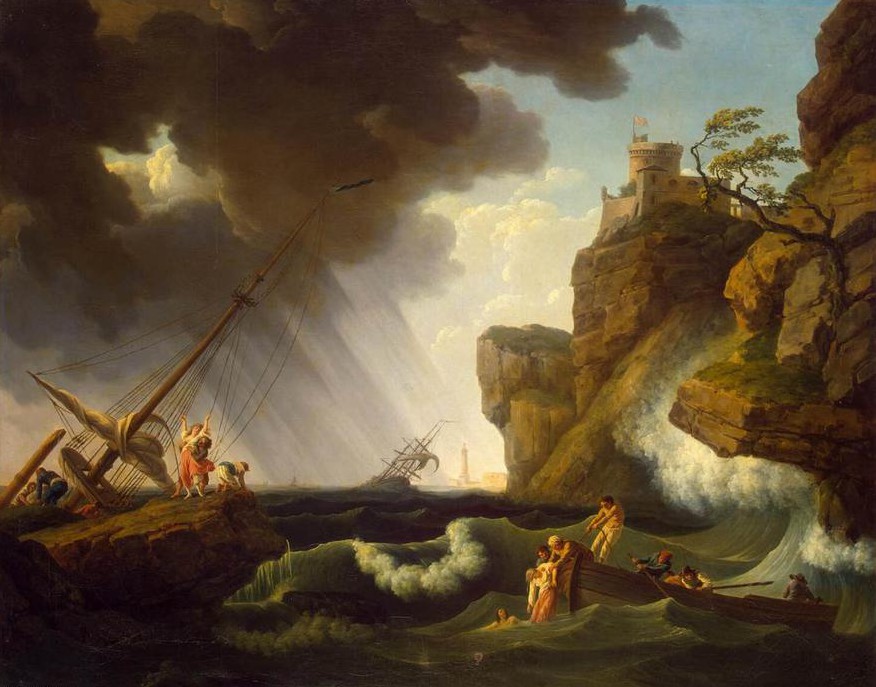
“The “Sturm und Drang” is a cultural and philosophical trend that during the second half of the Eighteenth century evoked the nature’s manifestations in parallel with the soul’s feelings: the expression means “storm and impetus”, and as a matter of fact the most extreme feelings, the most violent and dramatic are involved: it’s an exploration of the human soul through huge contrasts of emotions. Regarding music, this style became very popular around 1770, in a moment when the music was mostly an entertaining form of art and when the gallant style was predominant: compositions were mostly written in a major key. Instead, with “Sturm und Drang” the practice of writing in a minor key succeeded much more than in the previous decades; and besides the minor key, the most common features are the syncopated rhythm, that transmits anxiety and breathlessness, and the huge contrasts that paint a dramatic atmosphere.”


Tybo will perform four compositions of four different composers: are they all belonging to “Sturm und Drang” style?

“Yes, they are: we are going to start with the Suite from Gluck’s Don Juan, which was composed in 1761 and which is considered particularly innovative, especially due to the use of ballet, with references to Rameau: and right in the ballet there is a particular moment that can not help but make you think of Mozart’s Don Juan, where the whole gravity of the sinful lover is rendered by a storm of unrestrained and breathless rhythms. It is a sort of musical manifesto of the “Sturm und Drang”. Some years later Haydn began to write his symphonies in a minor key: among them, the one called “Lamentazione” (lamentation) is characterized by the immediate alternation of the frenzy of the first theme and the resignation of the second: also the second movement is very interesting, because Haydn uses a Gregorian chant melody, giving it to the oboe and to the second violins, while the first violins perform a beautiful variation. The Symphony ends with a Minuetto e Trio and without a fast movement.”

Isn’t it in conflict with the modernity of the Sturm und Drang?


“We can say that in this case, Haydn combines the great novelty of the “stormy” style with the previous tradition. In any case, Haydn didn’t write many Symphonies in a minor key: they say that Prince Eszterhazy had complained of these symphonies so dramatic, tragic, full of contrasts, and had exhorted Haydn to write more entertaining music. The anecdote is undocumented, but for sure the relation between Haydn and the Prince was made of these frictions.”


Theresia will perform also music by Mozart and Kraus: what about them?

“Mozart wrote only a few compositions inspired by the Sturm und Drang, but it is clear that he found it very fascinating because every time he approached this particular style he wrote some absolute masterworks, mostly in chamber music. G minor Symphony – which is called “The little one” to get it distinguished from G minor Symphony n. 40 – was written by Mozart when he was 17, after the opera “Lucio Silla”. Regarding Kraus, it is a special request from artistic director Mario Martinoli: Theresia has yet performed music by this composer that I am discovering now. I have not dealt much with him, and I am a bit surprised, considering the quality of a composer which is really innovative. Mozart represents the classic style, Kraus foreshadows the future.”

You are going to conduct Theresia for the first time: Theresia is a youth orchestra, how will this change your work? Is the director’s commitment different? I’m wondering if the work is just aimed at the preparation of concerts or there is space for some kind of deepening.

“The work is different when you conduct a youth orchestra, first of all because usually, one has more time for rehearsing: I take this opportunity to explain the context, and this is the very reason why I’ve chosen a so characterized program, devoted to an issue which is so important in the history of music. Then one must say that there is a great beauty in working with younger players when they are at the beginning of their careers: young musicians are so willing, full of energy and enthusiasm, and this is not so common in professional orchestras. I do not mean that professionals would not have these qualities, but in stable orchestras, there are other priorities and other assets, such as the efficiency and the fastness of preparation; but often there are customs, given from the experience, difficult to disrupt. How many times I heard “This is done in this way”, or “we’ve always played in this way”: instead, when you play music you should always put in question all that has been done and that is being done, with constant liveliness and curiosity.

Theresia “Sturm und drang” con Alfredo Bernardini

By Emilia Campagna - July 2, 2016
Sarà un agosto tempestoso? Per Theresia sì, visto che tutto il programma musicale dell’estate è dedicato a un tema forte come lo “Sturm und drang”: a dirigere l’orchestra nello stage e nei concerti che la vedranno impegnata a Bolzano, Rimini e Rovereto ci sarà Alfredo Bernardini, a cui abbiamo chiesto di illustrarci il programma e […]

Sarà un agosto tempestoso? Per Theresia sì, visto che tutto il programma musicale dell’estate è dedicato a un tema forte come lo “Sturm und drang”: a dirigere l’orchestra nello stage e nei concerti che la vedranno impegnata a Bolzano, Rimini e Rovereto ci sarà Alfredo Bernardini, a cui abbiamo chiesto di illustrarci il programma e le sue caratteristiche.

Prima di tutto, cos’è esattamente lo “Sturm und Drang”?

«Lo “Sturm und Drang” è un movimento culturale e filosofico della seconda metà del ‘700 che evoca le espressioni della natura in parallelo con le epressioni dell’anima: il termine significa “tempesta ed impeto”, e infatti parliamo delle espressioni più estreme, più violente e drammatiche, di un’esplorazione dell’animo umano attraverso grandi contrasti di emozioni. In musica questo stile diventa molto popolare attorno al 1770, in un’epoca in cui la musica era soprattutto una forma culturale di intrattenimento e in cui imperava lo stile galante, con composizioni scritte per lo più in modo maggiore: con lo Sturm und Drang, invece, si afferma la prassi di comporre in modo minore molto più che nel passato; e accanto al modo minore, gli stilemi più comuni sono l’uso di ritmi sincopati, che rendono l’ansia e l’affanno, e grandi contrasti per dipingere la drammaticità dell’atmosfera.»

Il programma presenta quattro pagine di altrettanti autori: sono tutte composizioni inserite nel movimento culturale dello “Sturm und drang”?

“Sì: iniziamo con la Suite dal Don Juan di Gluck, composta nel 1761 e considerata particolarmente innovativa per l’uso del balletto, con riferimenti a Rameau: e proprio all’interno del balletto c’è un numero particolare, che non può non far pensare al Don Giovanni di Mozart, in cui tutta la gravità del seduttore peccaminoso è tradotta da una tempesta di ritmi sfrenati e molto affannati. E’ una sorta di manifesto musicale dello Sturm und Drang. Pochi anni più tardi Haydn inizia a scrivere le sue Sinfonie in modo minore, tra cui quella in mi minore detta “Lamentazione”, caratterizzata dall’alternanza immediata tra la frenesia del primo tema e la rassegnazione del secondo: molto interessante anche il secondo movimento, in cui Haydn utilizza la melodia di un canto gregoriano, affidata a oboe e secondi violini, mentre i primi eseguono una bellissima variazione. La Sinfonia termina senza un movimento veloce ma con un Minuetto e Trio.”

Questo non è in contraddizione con la modernità dello Sturm und Drang?

“Possiamo dire che in questo caso Haydn combina la grande novità dello stile ‘tempestoso’ con la tradizione precedente. In ogni caso le Sinfonie in modo minore di Haydn non sono molte: si dice che il principe Eszterhàza si fosse lamentato di queste sinfonie così drammatiche, tragiche, cariche di contrasti, e avesse esortato Haydn a comporre musiche più adatte all’intrattenimento. L’aneddoto non è documentato, ma di certo il rapporto tra i due era fatto di questi attriti.”

 “Sturm und Drang” significa “tempesta ed impeto”, e infatti parliamo delle espressioni più estreme, più violente e drammatiche, di un’esplorazione dell’animo umano attraverso grandi contrasti di emozioni.

In programma ci sono poi due pagine di Mozart e Kraus:

“Mozart non ha scritto moltissime composizioni ispirate allo Sturm und Drang, ma è evidente che il tema lo affascinava perché tutte le volte che vi si è avvicinato ha scritto del capolavori assoluti, soprattutto in campo cameristico. La Sinfonia in sol minore – che viene detta “la piccola” per distinguerla dalla Sinfonia in sol minore n. 40 – fu scritta da Mozart all’età di 17 anni, dopo il Lucio Silla. Per quanto riguarda Kraus, questa è stata una richiesta precisa del direttore artistico Mario Martinoli: Theresia ha già suonato pagine di questo autore che io invece sto scoprendo: l’ho frequentato poco, e un po’ me ne stupisco vista la qualità di scrittura di un compositore che è davvero all’avanguardia. Se Mozart rappresenta un po’ il punto culminante dello stile classico, Kraus stilisticamente è oltre, prefigura uno stile posteriore.”

Alfredo BernardiniLei dirige per la prima volta Theresia, un’orchestra giovanile di formazione professionale: come cambia il lavoro del direttore di fronte a un’orchestra di questo tipo? La preparazione è finalizzata ai concerti o c’è spazio anche per approfondimenti di altro tipo?

“Il lavoro è sicuramente diverso rispetto a quello che si fa con un’orchestra di professionisti, innanzitutto perchè si ha a disposizione più tempo: io ne approfitto soprattutto per spiegare il contesto ed è anche per questo che ho scelto un programma caratterizzato da un tema così importante nella storia della musica. Poi va detto che c’è una grande bellezza nel lavorare con giovani all’inizio della loro carriera, pieni di disponibilità, energia, entusiasmo: questo nelle orchestre professionali è meno scontato. Non perchè queste qualità non ci siano, ma perchè nelle orchestre stabili sono altre priorità, prima di tutto l’efficienza del lavoro, con la capacità di una lettura in prova e tempi rapidi di preparazione, e poi spesso ci sono delle abitudini, date dall’esperienza, difficili da scardinare. Quante volte mi sono sentito dire ‘questo si fa così’, o ‘l’abbiamo sempre suonato così’: invece in musica è sempre importante mettere in questione tutto quello che si è fatto e che si sta facendo, con costante vivacità e curiosità.”

 C’è una grande bellezza nel lavorare con giovani all’inizio della loro carriera, pieni di disponibilità, energia, entusiasmo

Sul nostro blog abbiamo parlato della novità politica del momento, il voto in Inghilterra, che naturalmente riguarda anche molti dei nostri orchestrali che per studio o lavoro vanno e vengono dalla Gran Bretagna. Lei cosa pensa del “Brexit”?

“Sono rimasto scioccato dalla regressione dell’Inghilterra e da un voto scaturito, come pare, dalla disinformazione e dall’ignoranza: questa cosa è negativa sotto tutti gli aspetti, e dal punto di vista di un musicista, pensando che la musica è un linguaggio che unisce, non si può che essere sconvolti. Penso che ci saranno svantaggi per tutti e che iniziative come Theresia o EUBO saranno severamente penalizzate.”
Welcome, summer!

By Emilia Campagna - June 24, 2016
Summer has finally arrived: for most it’s holiday time, but not for Theresia. As a matter of fact, one of the busiest time of the year is coming for us, and an intense summer is expected. Theresia Youth Baroque Orchestra will be in Rovereto for its summer residency, starting from 20th August: Rovereto is where […]

Summer has finally arrived: for most it’s holiday time, but not for Theresia. As a matter of fact, one of the busiest time of the year is coming for us, and an intense summer is expected.

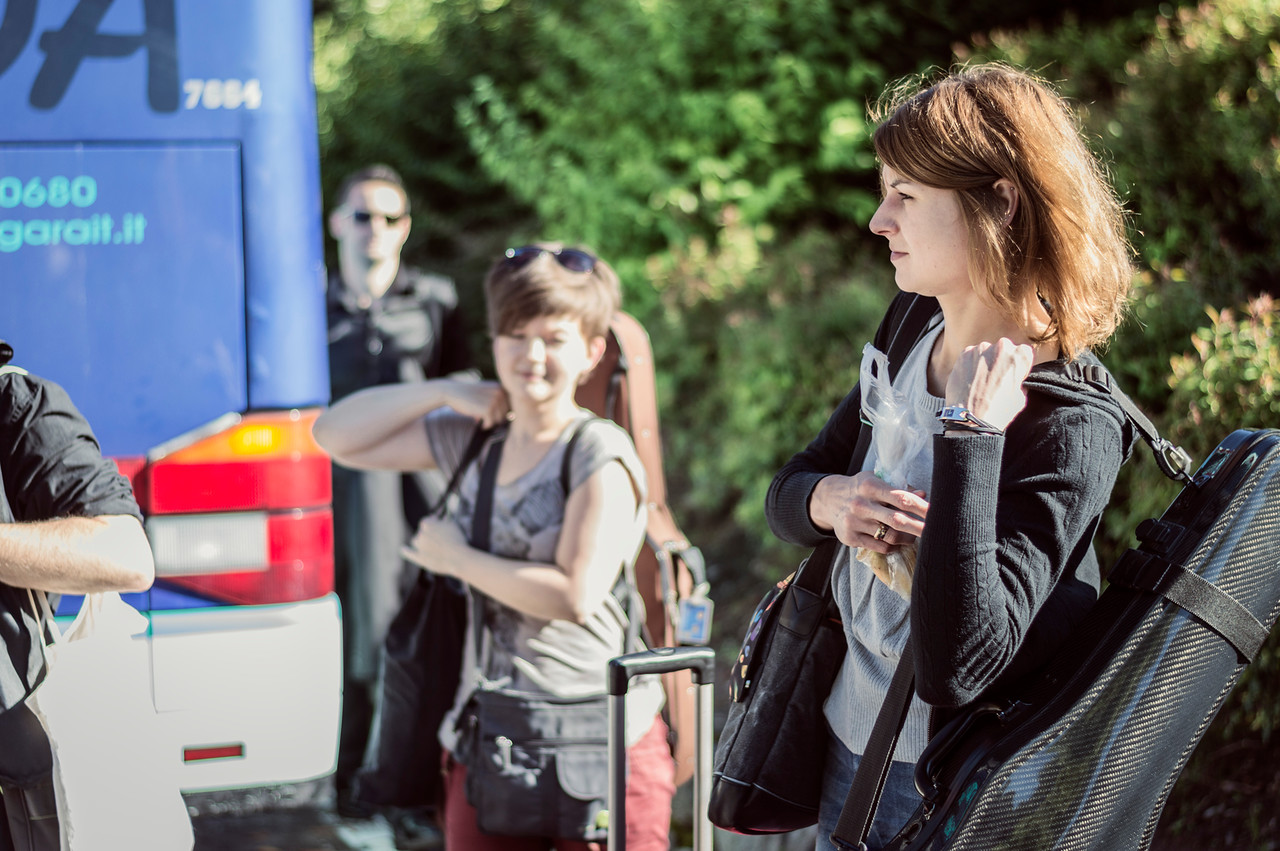
Theresia Youth Baroque Orchestra will be in Rovereto for its summer residency, starting from 20th August: Rovereto is where Theresia has its official venue, in historical Palazzo Keppel, and where the orchestra made its debut and other two residencies, in 2013 and 2014, so we are really happy to be back in town!

maria-theresia Speaking of Rovereto, did you know that the city administration is considering the idea to dedicate a street to Maria Theresia?

“The proposal to name a street of Rovereto to Maria Theresia is anything but farfetched” writes a reader of the main local newspaper, L’Adige, thinking of the important reforms made possible by the Habsburg Empress. One can say that we are in tune with the spirit of the town!

Coming back to our plans for the summer, during the residency in Rovereto Theresia will work on a totally new musical program under the guidance of Alfredo Bernardini: Gluck’s Suite from Don Juan WQ52, Haydn’s D minor Symphony Hob I:26, Kraus’s Suite from Aeneas i Cartago VB23 and Mozart’s G minor Symphony K183.

After some days of rehearsals, three concerts are scheduled. The first will be in Bolzano (24th August), where we’ll play for the fourth time. On 25th August Theresia will move to Rimini, where it will be one of the hosts of the “Sagra Musicale Malatestiana”: we are really happy to be back in Rimini after the thrilling experience of the shooting of Zoroastre the last October. At the end, Theresia will be back in Rovereto on 26th August for the last of the three concerts: it will be held in an amazing location, the venue of the “Campana dei Caduti”. Stay tuned for more information in the next posts!

Presentato il Bolzano Festival, Theresia ancora protagonista

By Emilia Campagna - May 30, 2016
Theresia nel cuore di un Festival lungo un mese, un Festival che ospita le grandi orchestre giovanili, le star del pianismo internazionali e gli ensemble di musica antica più dinamici: Theresia Youth Baroque Orchestra torna, per il quarto anno consecutivo, al Bolzano Festival, il partner a cui siamo più legati. Il concerto, che vedrà l’orchestra […]

Theresia nel cuore di un Festival lungo un mese, un Festival che ospita le grandi orchestre giovanili, le star del pianismo internazionali e gli ensemble di musica antica più dinamici: Theresia Youth Baroque Orchestra torna, per il quarto anno consecutivo, al Bolzano Festival, il partner a cui siamo più legati. Il concerto, che vedrà l’orchestra diretta da Afredo Bernardini, è in programma il 24 agosto a Castel Mareccio con musiche di Christoph Willibald Gluck (Suite dal Don Juan WQ52), Joseph Haydn (Sinfonia in re minore Hob I:26),Joseph Martin Kraus (Suite da Aeneas i Cartago VB23) e Wolfgang Amadeus Mozart (Sinfonia in sol minore K183). Il concerto è inserito nel cartellone di Antiqua, guidata per la direzione artistica da Claudio Astronio e giunta quest’anno a 25 anni di attività. Presentato questa mattina in conferenza stampa, il Bolzano Festival Bozen regala come sempre un mese di grande musica, con star come Grygory Sokolov e le grandi orchestre giovanili europee che fanno tappa a Bolzano nel loro tour estivo. Qui il programma completo del Festival. Nei prossimi articoli entreremo nel dettaglio del programma estivo di Theresia Youth Baroque Orchestra!