New auditions for violins, cellos, basses, oboes, traversos, basoons and horns!

By theresia - March 6, 2013
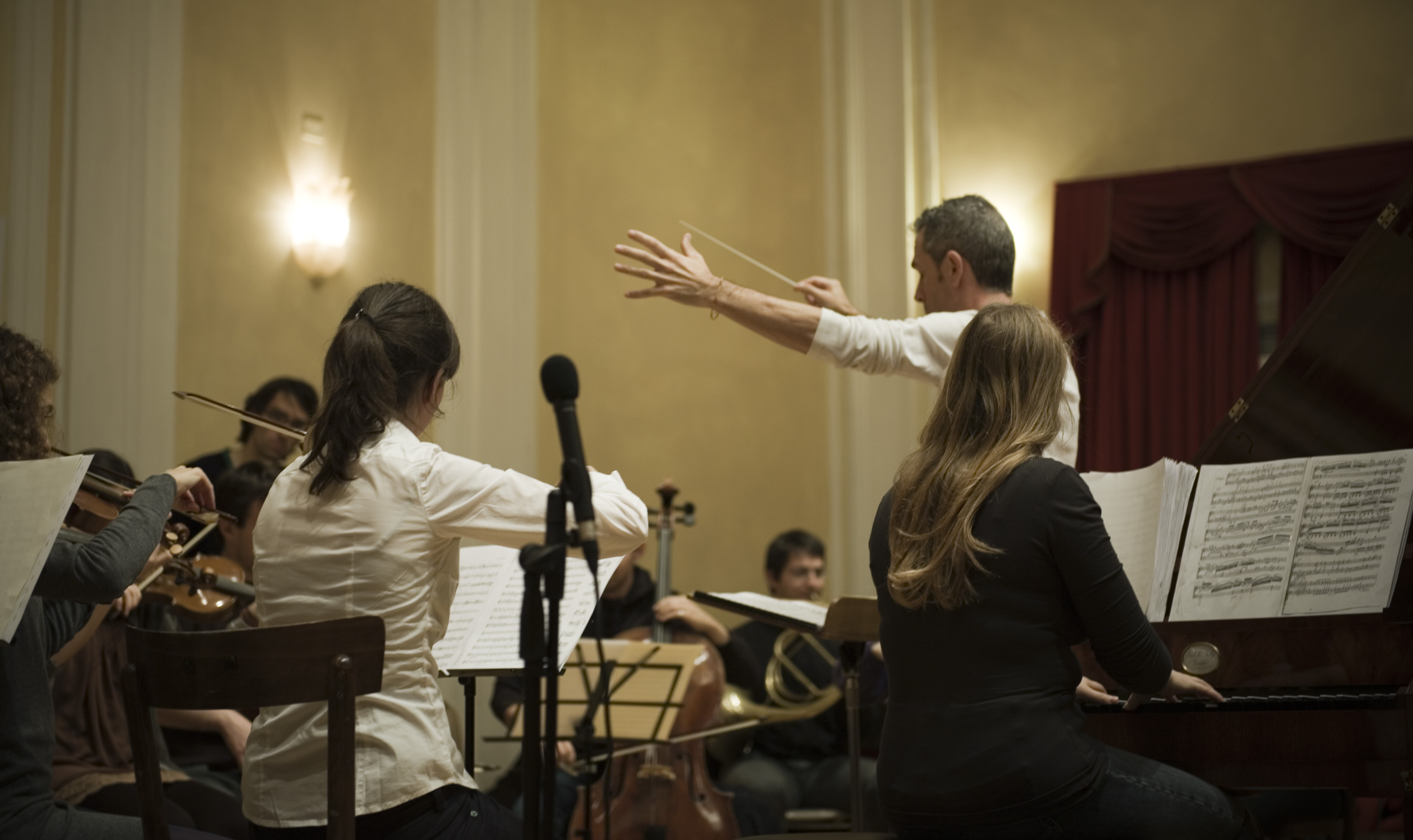
The THERESIA Youth Baroque Orchestra (TYBO) organises a series of auditions to recruit young musicians for the orchestra in preparation of the 2013-2015 productions, remunerated concerts and stages. Core of the TYBO programs is the classical repertoire (1750-1800) played on period instruments (A=430Hz). VENUE AND SCHEDULE The audition will be held in Bolzano (Italy) on […]

The THERESIA Youth Baroque Orchestra (TYBO) organises a series of auditions to recruit young musicians for the orchestra in preparation of the 2013-2015 productions, remunerated concerts and stages.

Core of the TYBO programs is the classical repertoire (1750-1800) played on period instruments (A=430Hz).

VENUE AND SCHEDULE
The audition will be held in Bolzano (Italy) on Saturday 20th April and Sunday 21st April 2013.

Detailed information on venue and performance timing will be notified to all participants in due time.

INSTRUMENTS
The audition is open to the following baroque instruments:
– violin
– cello
– contrabass
– traverse flute
– oboe
– bassoon
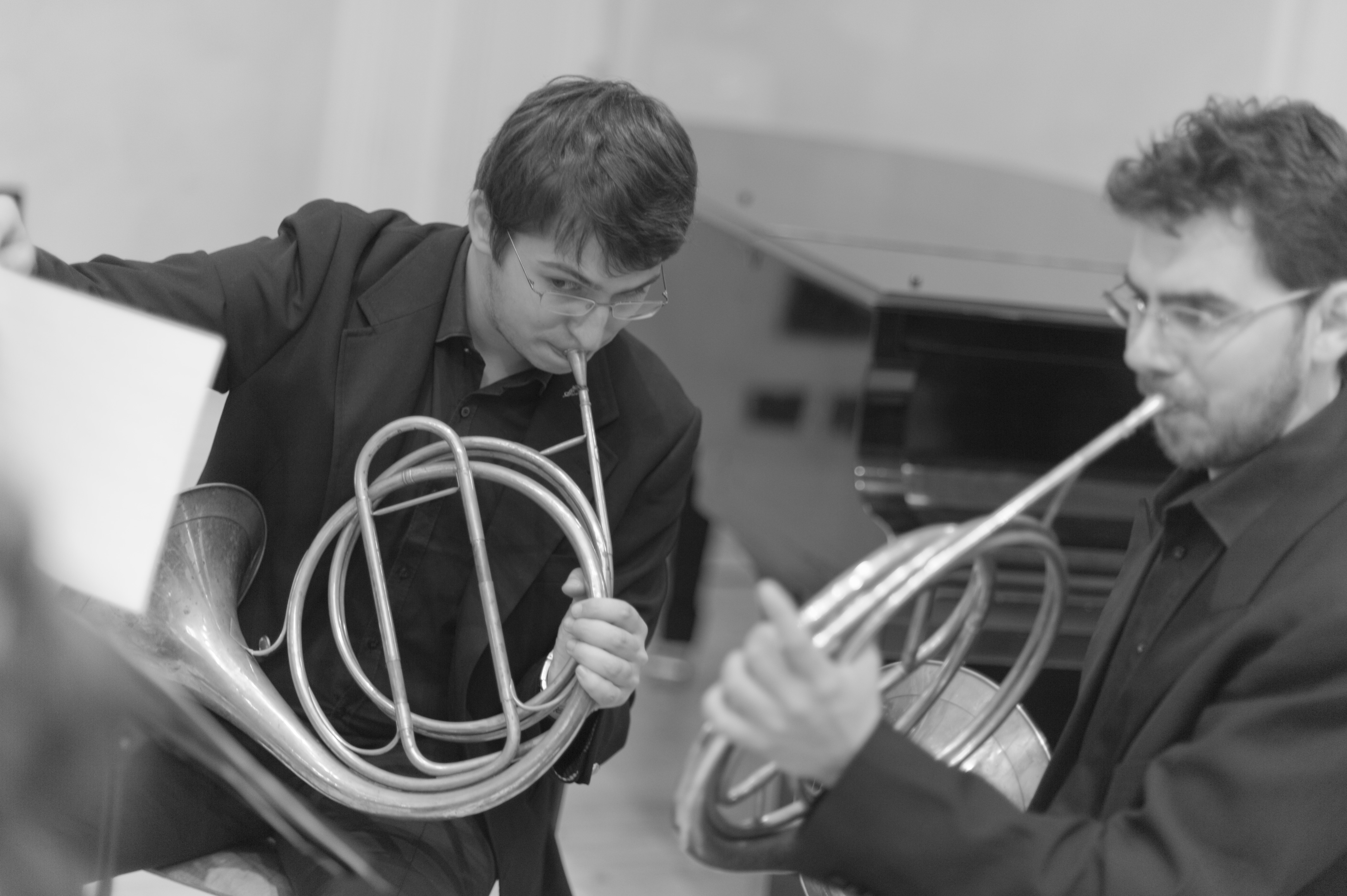
– horn

ADMISSION REQUIREMENTS
The audition is open to professional musicians (including advanced students) born after 1st January 1982.
In-depth knowledge of performance praxis on authentic instruments is a mandatory requirement.

APPLICATION
Participants shall send an email to *auditions@theresia-project.eu* containing:
– name
– surname
– date and place of birth
– nationality
– physical address
– email address
– phone number
– detailed CV
– scanned copy of passport or identity card.

DEADLINE
Applications must be sent to *auditions@theresia-project.eu* not later than Sunday 14 April 2013.

SELECTION COMMITTEE
Claudio Astronio, permanent musical director of TYBO.
Esther Crazzolara, first violin of TYBO.
Luigi Lupo, traverso player.
Mario Martinoli, founder and artistic director of TYBO.

AUDITION PITCH
The pitch for the audition is A=415 Hz.

SCORES
The candidates are warmly invited to bring with them the full scores, or piano reductions, of the pieces they intend to play in the auditions.

ADMISSION RULES
A maximum number of 45 musicians will be admitted to the audition.
In case of the reception of more than 45 applications, the 45 younges musicians will be admitted, provided that the audition shall include:
– At least 3 applicants per instrument
– All applicants resident in the regions Trentino, South Tyrol or Tyrol.

***PROGRAM OF THE AUDITION***

VIOLIN

1) W.A. Mozart, Symphony n. 41 in C major K 551 “Jupiter”, 4th movement

OR

W.A. Mozart, Symphony n. 39 in E-flat major major K 543, 3rd movement, Finale (first part only)

2) Two movements (in total) at choice and contrasting in character from F.M. Veracini, Sonate Accademiche and A. Corelli, Sonate a violino e violone op. 5

3) Two movements at choice from W.A. Mozart sonatas for violin and piano (cembalo).

4) Sight reading.

BAROQUE CELLO

1) F.J. Haydn, Concert for cello and orchestra in C major, 1st movement.

2) Two movements at choice and contrasting in character from F.S. Geminiani, Sonatas for cello and continuo op. 5.

CONTRABASS

1) J.S. Bach, Concerto in a minor for 2 violins BWV 1043, 1st movement

2) J.S. Bach, Matthäus Passion BWV 244, 1st movement, opening choir “Kommt ihr Töchter”.

3) W.A. Mozart, Symphony n. 35 in D major K 535 “Haffner”, 1st and 4th movement

TRAVERSO

1) J.S. Bach, Sonata in E major BWV 1035, 1st and 2nd movement

2) C.P.E. Bach, Two movements contrasting in character at free choice from any of the concert for traverso and orchestra

OBOE

1)J.D. Zelenka, Sonata n. 5 in F major ZWV181, 2nd and 3rd movement (first oboe)

OR

J.S. Bach, Brandeburg Concerto n. 2 in F major BWV1047, all movements.

2)L.A. Lebrun, Concerto n. 1 in d minor, 1st movement (pitch A=430 Hz allowed!)

OR

C.P.E. Bach, Two movements contrasting in character at free choice from any of the concert for oboe and orchestra

BASSOON

1) W.A. Mozart, Concerto in B-flat major KV191, 1st movement

2) J.D. Zelenka, Sonata n. 5 in F major ZWV181, 1st and 2nd movement

HORN

1) J.S. Bach, Brandeburg, Concerto n. 1 in F major BWV 1046, all movements

2) W.A. Mozart, Concert n.4 in E-flat major KV495, 1st movement

3) L. van Beethoven, Symphony n, 7 in A major op. 92, 1st movement (first horn)

INFORMATION
More information on TYBO and the auditions will be available at www.theresia-project.eu and on the TYBO Facebook page.
Theresia e Premio Ferrari su Tele Capodistria

By theresia - February 18, 2013
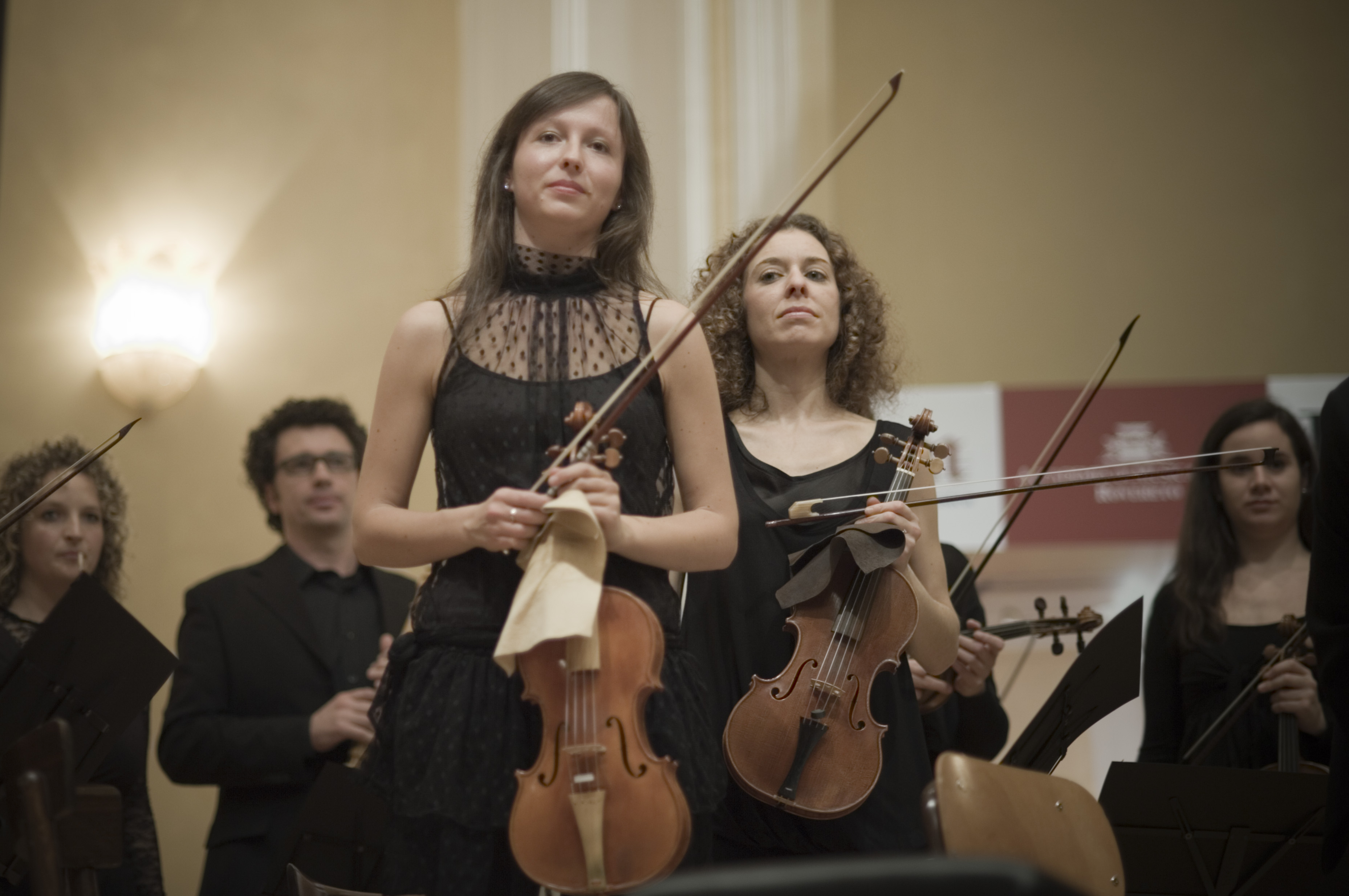
Vi eravate perso il lungo ed esauriente servizio che Luisa Antoni ha realizzato al Premio Ferrari? Ora lo potete rivedere a questo link! Buona visione da Theresia! Nel servizio interviste al fondatore Mario Martinoli, al direttore Claudio Astronio, alla spalla Esther Crazzolara e ad orchestrali e solisti che si sono esibiti con Theresia Youth Baroque […]

Vi eravate perso il lungo ed esauriente servizio che Luisa Antoni ha realizzato al Premio Ferrari? Ora lo potete rivedere a questo link! Buona visione da Theresia!

Nel servizio interviste al fondatore Mario Martinoli, al direttore Claudio Astronio, alla spalla Esther Crazzolara e ad orchestrali e solisti che si sono esibiti con Theresia Youth Baroque Orchestra

Coming soon: new auditions for TYBO

By theresia - February 7, 2013
20/21 April auditions will be published here! The auditions will be open to violin, cello, contrabass, oboe, traverso, bassoon, horns and trumpets. Stay tuned!

20/21 April auditions will be published here! The auditions will be open to violin, cello, contrabass, oboe, traverso, bassoon, horns and trumpets.

Stay tuned!

Meet Theresia!

By theresia - February 2, 2013
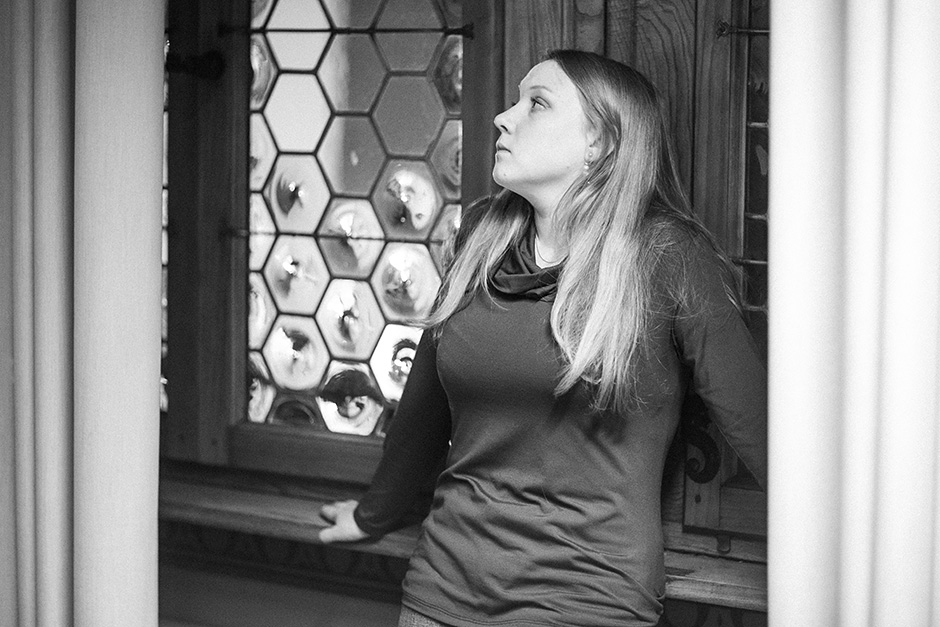
Theresia è giovane, brava e bella: scorrete le immagini realizzate dalla nostra fotografa Morgana Marchesoni e lo vedrete! (Cliccare sulle immagini per ingrandire)

Theresia è giovane, brava e bella: scorrete le immagini realizzate dalla nostra fotografa Morgana Marchesoni e lo vedrete! (Cliccare sulle immagini per ingrandire)

Theresia is looking for musicians!

By theresia - December 28, 2012
The THERESIA Youth Baroque Orchestra (TYBO) organises a series of auditions to recruit young musicians for the orchestra in preparation of the 2013-2015 productions and remunerated concerts. Core of the TYBO programs is the classical repertoire (1750-1800) played on period instruments (A=430Hz). VENUE AND SCHEDULE The auditions will be held in Bolzano (Italy) on Sunday […]

The THERESIA Youth Baroque Orchestra (TYBO) organises a series of auditions to recruit young musicians for the orchestra in preparation of the 2013-2015 productions and remunerated concerts.
Core of the TYBO programs is the classical repertoire (1750-1800) played on period instruments (A=430Hz).

VENUE AND SCHEDULE
The auditions will be held in Bolzano (Italy) on Sunday 3rd February 2013 from 11am to 5pm.
Detailed information on venue and performance timing will be notified to all participants in due time.

INSTRUMENTS
The audition is open to string instruments only:
– baroque violin
– baroque viola
– baroque cello
– contrabass
Auditions for wind and brass instruments will be held in April 2013.

ADMISSION REQUIREMENTS
The audition is open to professional musicians (including advanced students) born after 1st January 1982.
In-depth knowledge of performance praxis on authentic instruments is a mandatory requirement.

APPLICATION
Participants shall send an email to
contact@theresia-project.eu
containing:
– name
– surname
– date and place of birth
– nationality
– physical address
– email address
– phone number
– detailed CV
– scanned copy of passport or identity card.

DEADLINE
Applications must be sent to the above email address not later than Thursday 31 January 2013.

SELECTION COMMITTEE
Claudio Astronio, permanent musical director of TYBO, will chair the selection committee.

Other members of the selection committee will include
Esther Crazzolara, first violin of TYBO;
Mario Martinoli, founder and artistic director of TYBO.

PROGRAM OF THE AUDITION

BAROQUE VIOLIN

1) W.A. Mozart, Symphony n. 41 in C major K 551 “Jupiter” – 4th movement, Molto Allegro
OR
W.A. Mozart, Symphony n. 39 in E-flat major major K 543, 3rd movement, Finale (first part only)

2) Two movements at choice and contrasting in character from F.M. Veracini, Sonate Accademiche and A. Corelli, Sonate a violino e violone op. 5

3) Sight reading.

BAROQUE VIOLA

1) G.P. Telemann, Concert for viol and orchestra in G major, 1st movement

2) J. S. Bach, one movement at choice from the Sonatas and Partitas transcribed for viola.

BAROQUE CELLO

1) F.J. Haydn, Concert for cello and orchestra in C major, 1st movement.

2) Two movements at choice and contrasting in character from F.S. Geminiani, Sonatas for cello and continuo op. 5.

CONTRABASS

1) W.A. Mozart, Symphony n. 35 in D major K 535 “Haffner” – 1st movement

2) J.S. Bach, Matthäus Passion, 1st movement, opening choir “Kommt ihr Töchter”.

INFORMATION
More information on TYBO and the auditions will be available on the www.theresia-project.eu website and on the TYBO Facebook page.

Ferrari e Theresia sulla Televisione Slovena

By theresia - November 6, 2012
Vi segnaliamo che nell’edizione del 5 novembre del tg della Televisione Slovena è andato in onda un servizio sul Premio Ferrari e su Theresia Orchestra (a 19′ 50”) GUARDA IL VIDEO

Vi segnaliamo che nell’edizione del 5 novembre del tg della Televisione Slovena è andato in onda un servizio sul Premio Ferrari e su Theresia Orchestra (a 19′ 50”)

GUARDA IL VIDEO

Theresia premia Assen Boyadjiev

By theresia - November 5, 2012
Assen Boyadjiev, trentaduenne fortepianista bulgaro, si classifica terzo al Premio Ferrari ma sbaraglia tutti nell’esecuzione del Concerto K271 “Jeunehomme” di Wolfgang Amadeus Mozart. A lui infatti è andato il Premio Speciale che “Theresia” ha istituito per la migliore esecuzione del concerto mozartiano: Mario Martinoli, fondatore di Theresia – Project, spiega che “l’interpretazione di Assen è […]

Assen Boyadjiev, trentaduenne fortepianista bulgaro, si classifica terzo al Premio Ferrari ma sbaraglia tutti nell’esecuzione del Concerto K271 “Jeunehomme” di Wolfgang Amadeus Mozart. A lui infatti è andato il Premio Speciale che “Theresia” ha istituito per la migliore esecuzione del concerto mozartiano: Mario Martinoli, fondatore di Theresia – Project, spiega che “l’interpretazione di Assen è stata certamente la più aderente al testo ed allo spirito mozartiano del concerto. Assen, unico tra i finalisti, è inoltre riuscito a creare un dialogo molto convincente tra il solista e l’orchestra, qualità fondamentale per comprendere appieno la natura concertante, e non puramente solistica, di questa splendida partitura”. Particolarmente applaudita anche dal folto pubblico presente alla Finale la sua esecuzione, ricca di spunti vivaci e in forte intesa con la Theresia Youth Baroque Orchestra diretta da Claudio Astronio.

Assen Boyadjiev è nato a Sofia nel 1980: tra le sue affermazioni in concorsi internazionali si ricordano i premi al concorso “Giovani talenti in musica” (Sofia, 1989) e al concorso “J. S. Bach” (Lipsia, 2006).

Assen Boyadjiev durante le prove con Theresia Youth Baroque Orchestra ©MorganaMarchesoni

Olga Pashchenko e Theresia Orchestra

By theresia - November 5, 2012
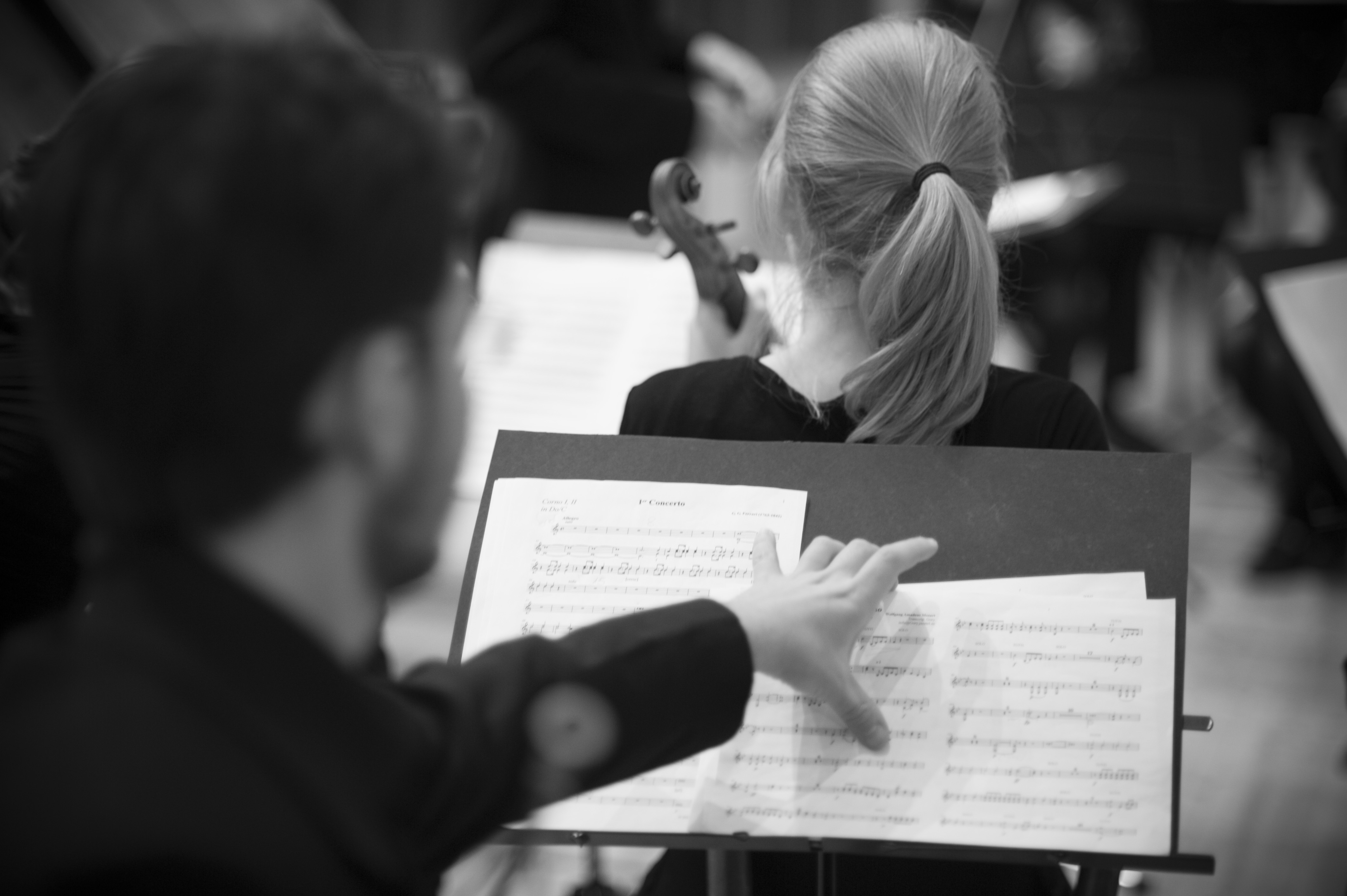
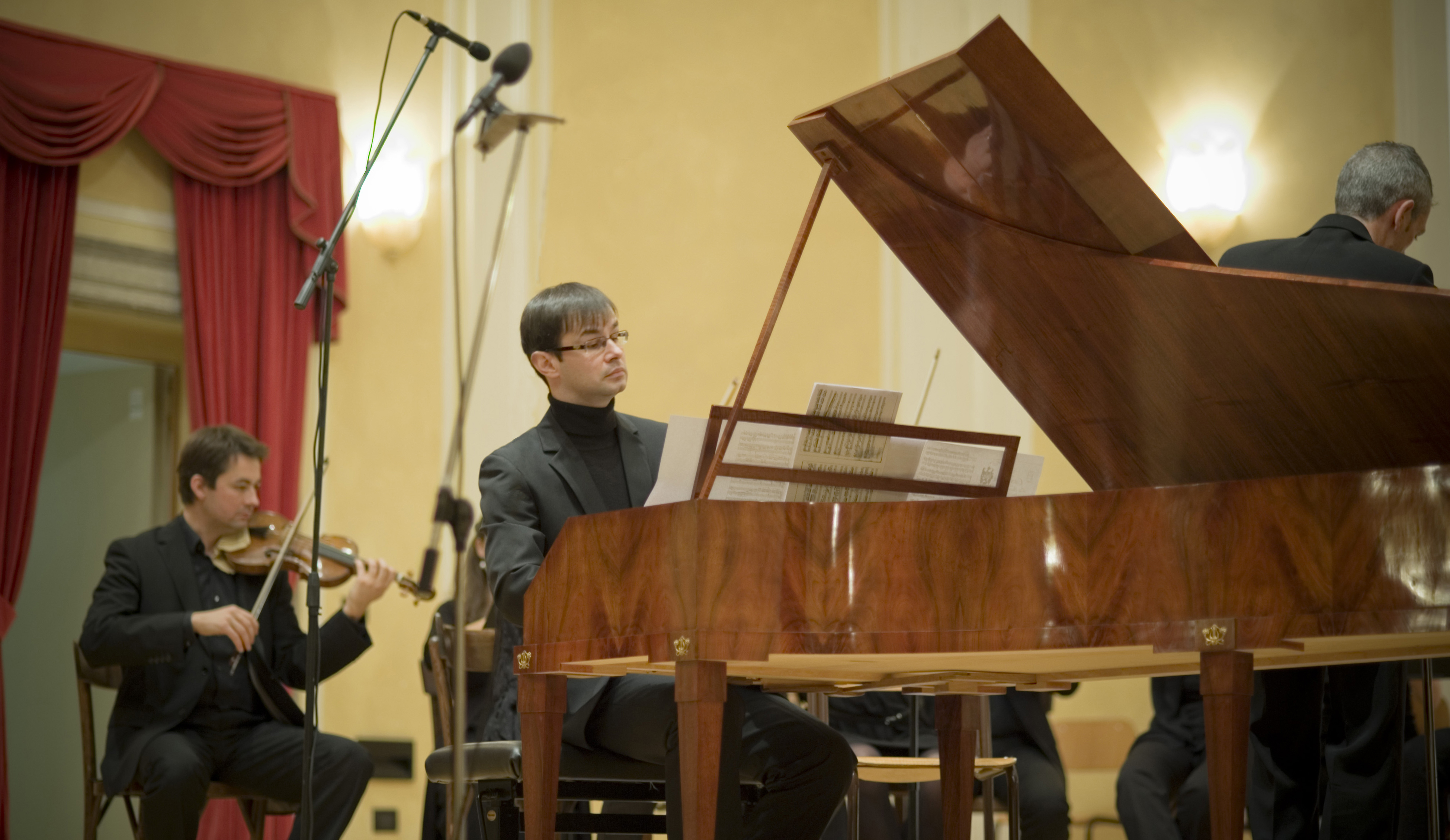
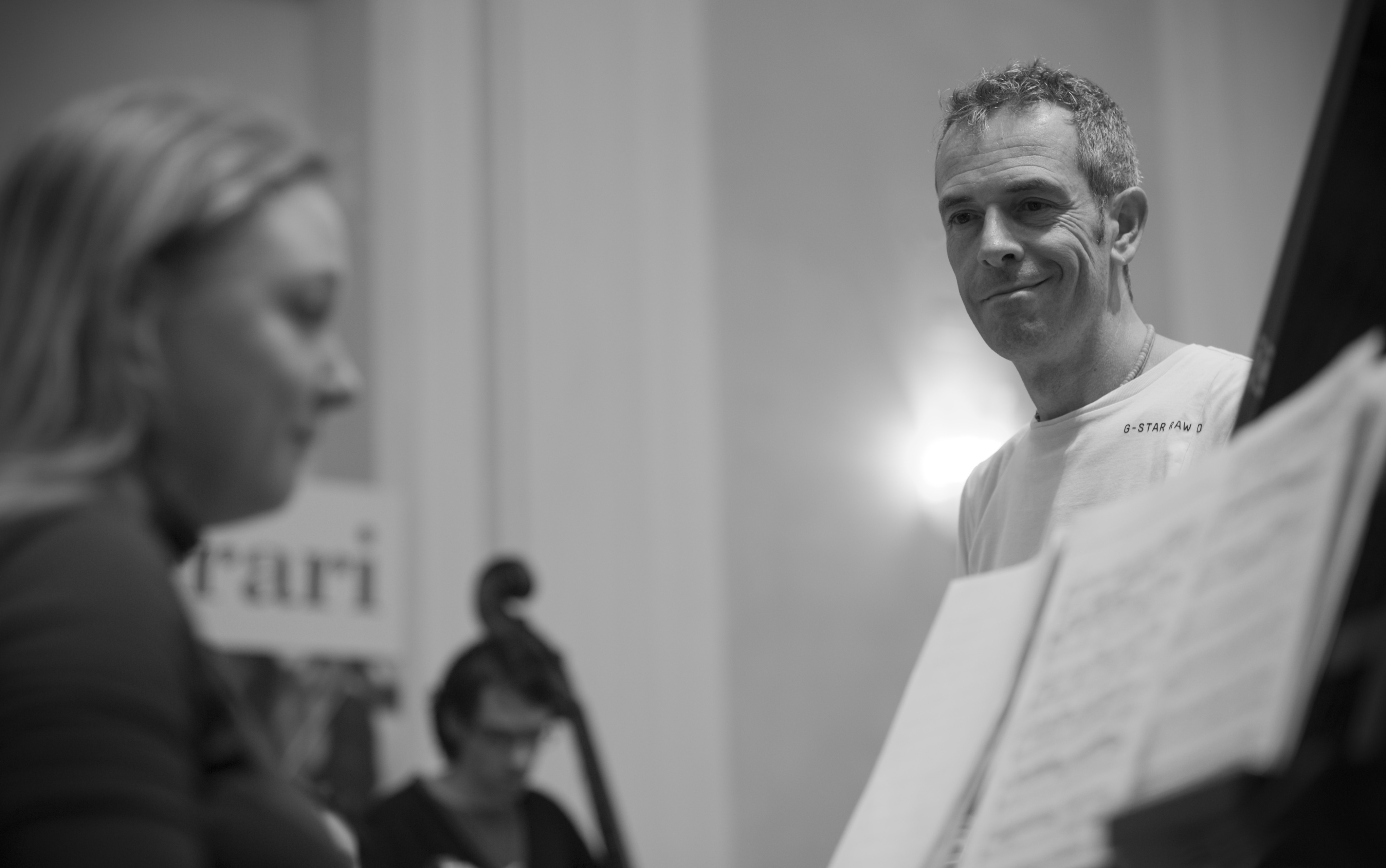
Ecco un’anteprima degli scatti realizzati dalla nostra fotografa Morgana Marchesoni durante la Finale e in alcuni momenti di prova dell’orchestra. Buona visione!

Ecco un’anteprima degli scatti realizzati dalla nostra fotografa Morgana Marchesoni durante la Finale e in alcuni momenti di prova dell’orchestra. Buona visione!

Olga Pashchenko vince il Premio Ferrari

By theresia - November 4, 2012
Olga Pashchenko è la vincitrice del Premio Ferrari. A lei anche il premio della Critica mentre gli altri premiati sono Elizaveta Miller (Secondo Premio), Assen Boyadjiev (Terzo Premio e Premio speciale “Theresia”) e Nicoleta Ion (Quarto Premio). Theresia Youth Baroque Orchestra e il suo direttore Claudio Astronio sono felici di aver accompagnato i finalisti del […]

Olga Pashchenko è la vincitrice del Premio Ferrari. A lei anche il premio della Critica mentre gli altri premiati sono Elizaveta Miller (Secondo Premio), Assen Boyadjiev (Terzo Premio e Premio speciale “Theresia”) e Nicoleta Ion (Quarto Premio).

Theresia Youth Baroque Orchestra e il suo direttore Claudio Astronio sono felici di aver accompagnato i finalisti del Premio Ferrari, in un lavoro intenso e di grandissima soddisfazione, in cui l’orchestra ha dato prova di grande coesione e professionalità!

Theresia e Premio Ferrari, “dedicati ai giovani”

By theresia - November 3, 2012
“Questa musica è antica, ma vive dell’entusiasmo e dell’energia di chi la suona”:  Mario Martinoli, direttore artistico del Premio Ferrari e fondatore della Theresia Youth Baroque Orchestra non nasconde la soddisfazione per una serata che suggella e corona un percorso tutto all’insegna della promozione dei giovani. La prima serata della Finale del Premio Ferrari è […]

“Questa musica è antica, ma vive dell’entusiasmo e dell’energia di chi la suona”:  Mario Martinoli, direttore artistico del Premio Ferrari e fondatore della Theresia Youth Baroque Orchestra non nasconde la soddisfazione per una serata che suggella e corona un percorso tutto all’insegna della promozione dei giovani. La prima serata della Finale del Premio Ferrari è occasione per ricordare le sedici passate edizioni del “Premio Bonporti” organizzato dall’Accademia di Musica Antica (guidata da Romano Vettori) che quest’anno, con il “Ferrari”, aggiunge un tassello importante alla propria attività. Più di 500 musicisti sono passati da Rovereto per partecipare ai concorsi organizzati dall’Accademia di Musica Antica, portando il nome della città nel mondo e facendo del “Premio Bonporti” (e, in futuro, del “Premio Ferrari”) l’evento musicale roveretano più conosciuto internazionalmente.

E la serata ha segnato anche un deciso successo per la Theresia Youth Baroque Orchestra al suo debutto assoluto: un lungo e caloroso applauso ha accompagnato le esecuzioni dell’orchestra. La compagine giovanile era guidata da Claudio Astronio, suo direttore musicale permanente, e affiancava i quattro finalisti del Premio Ferrari (il bulgaro Assen Boyadjiev, la rumena Nicoleta Ion, la francese Elizaveta Miller e la russa Olga Pashchenko) nell’esecuzione del Concerto K 271 di Mozart, e di Giacomo Gotifredo Ferrari il Concerto n. 1 op. 5 e il “Capriccio” op. 28.

Una prova impegnativa, per il debutto dell’orchestra, che si è misurata in parte con un repertorio pressochè inedito (il Concerto op. 5 di Giacomo Gotifredo Ferrari) ma soprattutto ha dato prova di notevole affiatamento e capacità di entrare in sintonia con i diversi tagli interpretativi dati dai concorrenti. Tante infatti le differenze di approccio (chi più teatrale, chi più brillante, chi ha dato maggior peso all’espressività) che il pubblico ha potuto cogliere, motivo di particolare interesse nell’articolazione della Finale.