Get ready for the next auditions!

By Emilia Campagna - December 1, 2023
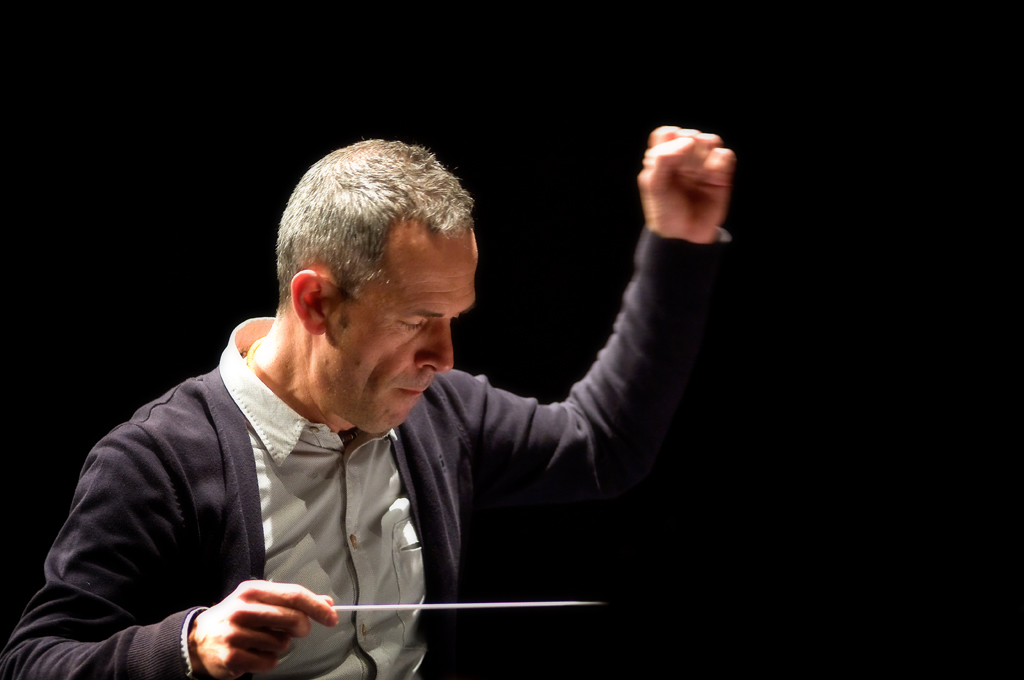
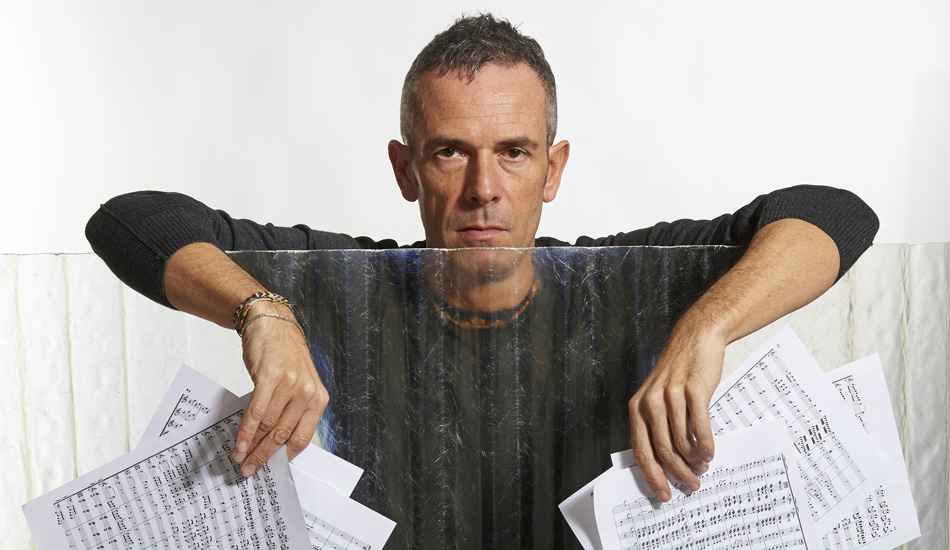
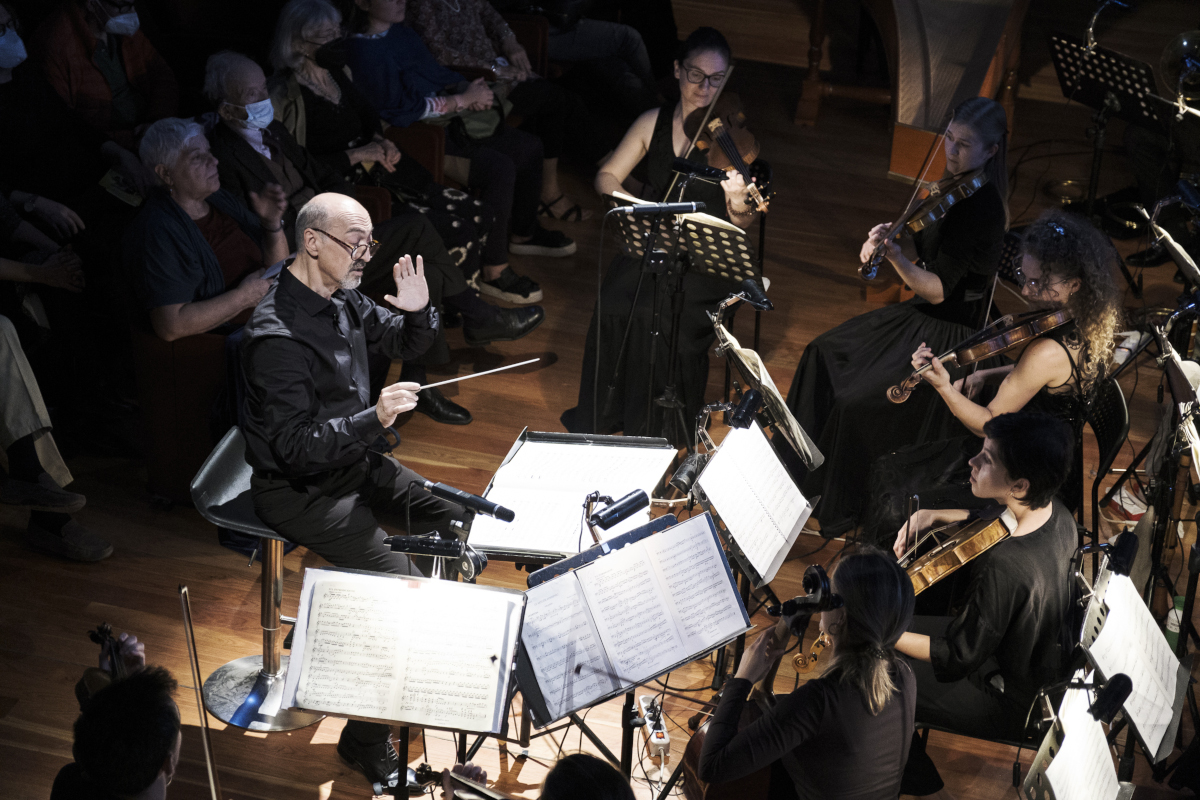
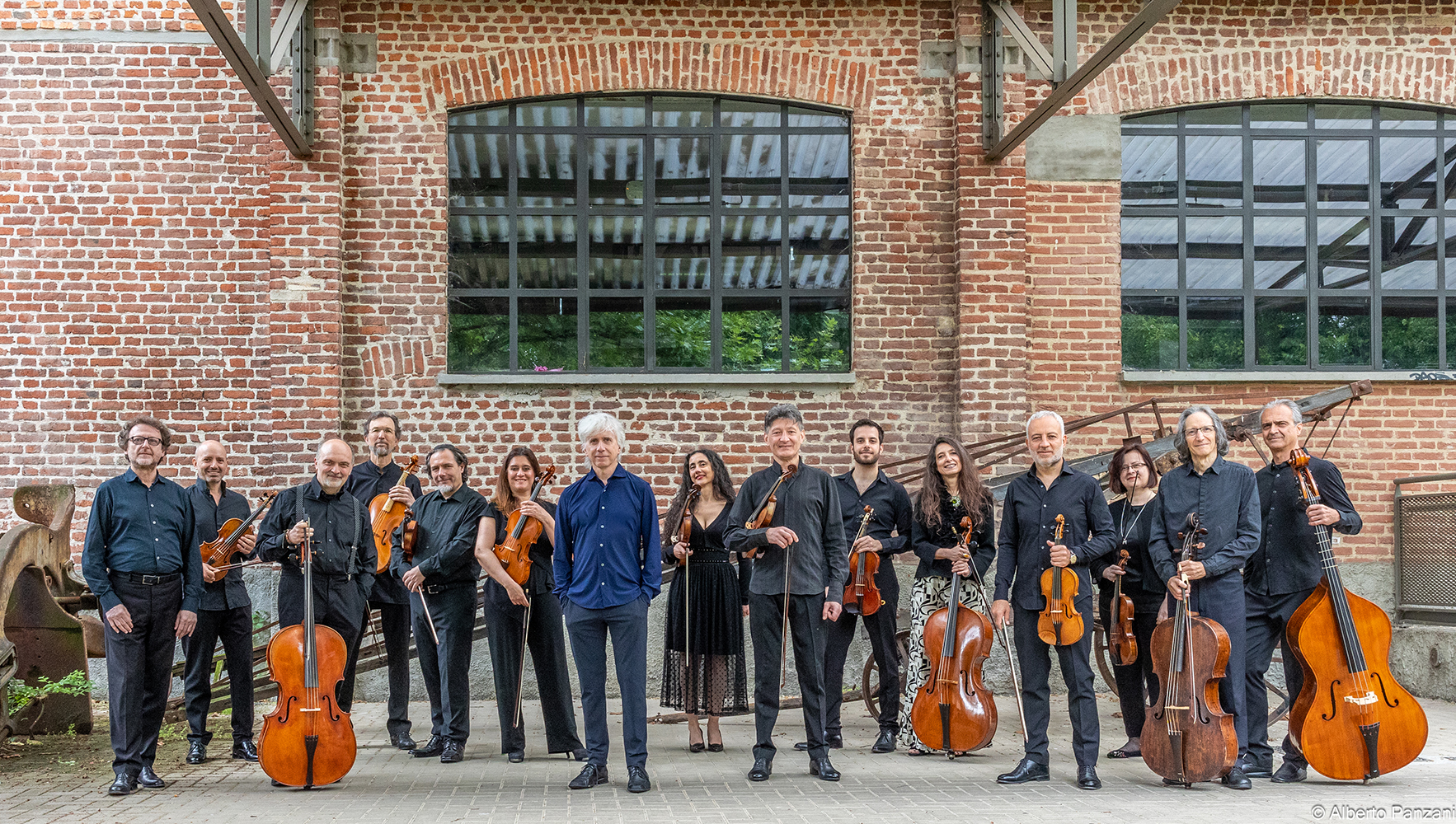
Theresia is organising new auditions that will take place in Paris on January 19 and 20 and will focus on string instruments, with conductor Giovanni Antonini joining the examining board.

New year, new opportunities!

Theresia has launched a new set of auditions that will take place in Paris on January 19 and 20 and will be dedicated to string instruments: we are particularly looking for violin, viola and double bass players to join our orchestra for the period between March 2024 and September 2025.

As a youth orchestra, we are always on the lookout for talented young musicians who we can offer the chance to gain real professional experience in a classical orchestra that plays according to historical practice.  For the second time round, auditions will be held in Paris thanks to the partnership with the Conservatoire à Rayonnement Régional de Boulogne-Billancourt, which is both a prestigious and convenient location from a logistical point of view. The deadline for the submission of applications is Thursday 14 December 2023.

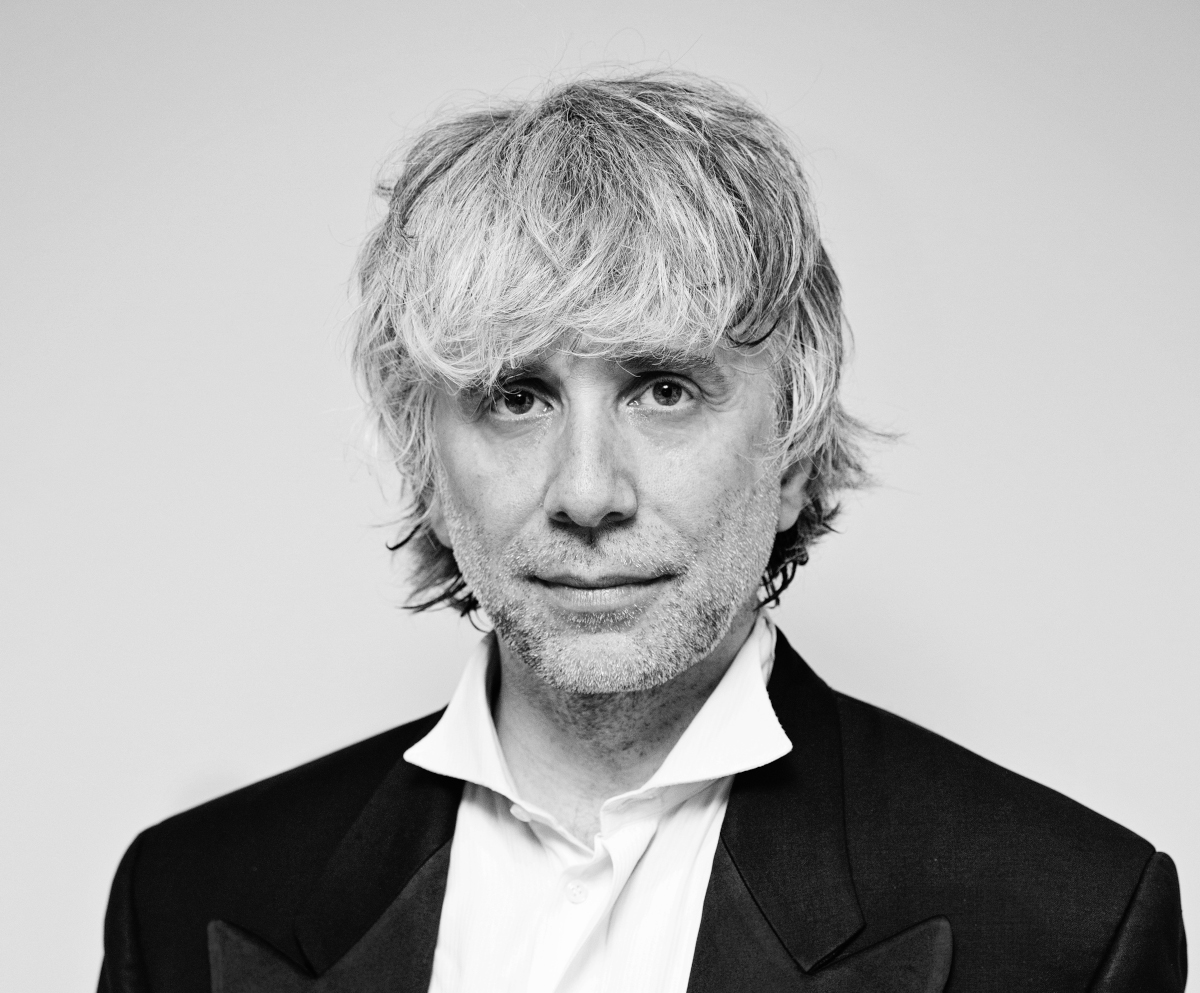
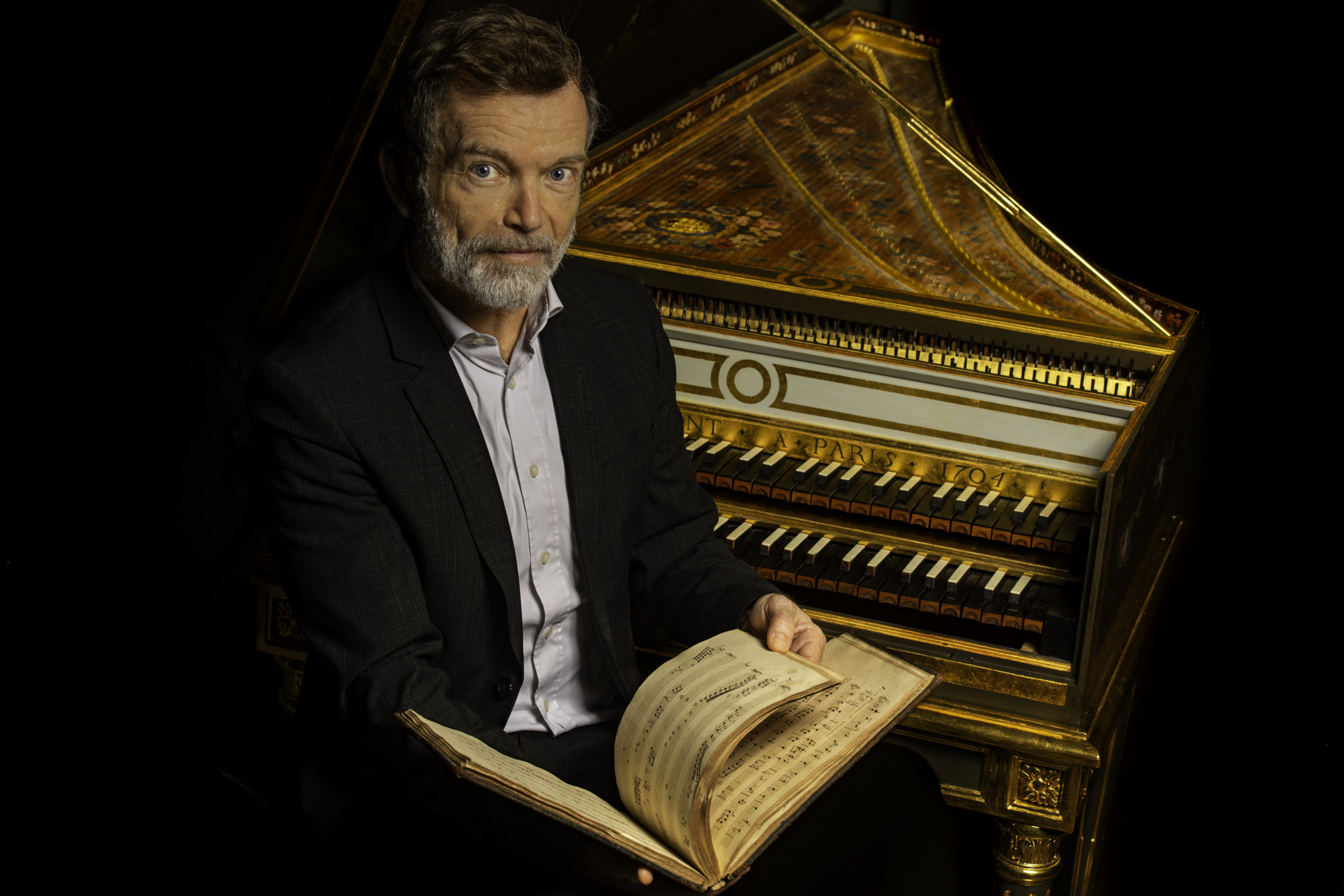
An exciting addition to this round of auditions is the presence among the examiners of conductor Giovanni Antonini, one of the most highly regarded conductors on the international scene. Antonini conducted Theresia for the first time in this year’s initial residency as the start of a new partnership. Thanks to his confidence in our project, four of our musicians recently joined Il Giardino Armonico on a European tour.

Download the full audition guidelines here

Who can apply?

First of all, you have to meet some mandatory requirements: you need to be born after 1 January 1996 (we are a youth orchestra, folks!), and be a citizen of one of the Countries of the European Union or of the European Economic Area. Non-EU citizens can apply if they have a residence permit for study in one of the Countries of the European Union. As a HIP orchestra, we require in-depth knowledge of performance practice on authentic instruments, the use of a classic bow and a period instrument (or a copy).

How to apply?

Simply fill out the application form and send it along with a video of a live performance: due to the high number of expected applications, the Board of Examiners might make a pre-selection on the basis of the CV and the video recording. Only a limited number of musicians will be invited to the audition sessions in Boulogne-Billancourt.

What to expect during the auditions…

These are not the classic “make it or break it” auditions: in recent years we have perfected a method that allows us to get to know the candidates not only through solo performances, but also to test their ability to work with colleagues through ensemble rehearsals: the auditions will be held as chamber music workshops under the supervision of the Board of Examiners; as a consequence, candidates are required to attend the entire event. We also try to understand motivation and attitude towards teamwork through an interview.

…and what to expect after.

Selected musicians will become part of Theresia: they will receive a grant of 3500 euros to take part in five orchestral or chamber music projects during the period March 2024 – September 2025. This means participating in in the scheduled concerts and recording activities, but also in the learning and artistic activities of the Theresia Academy, including capacity building sessions, soft skills development, and co-creation workshops.

Those who won’t get selected may still have a second opportunity: a candidate may qualify for the Theresia Orchestra talent pool reserve list without receiving one of the full scholarships, if the jury evaluates him/her positively after the audition. The qualified candidates will be placed on a reserve list of musicians who may receive a scholarship for their instrument in the event a grantee drops out or withdraws. In addition, eligible musicians will be added to a list of candidates who may receive invitations to join Theresia for specific productions. They will also have the opportunity to participate in online activities related to Theresia Orchestra’s learning cycle, including musicological webinars and other educational activities designed for young professional musicians.
Download the full audition guidelines here

Meet Theresia: Guillermo Santonja di Fonzo

By Emilia Campagna - November 30, 2023
Guillermo Santonja di Fonzo is a young talented musician from Spain who plays in the ranks of Theresia's violins: his skill and dedication were recently rewarded when he was chosen, along with three other grantees, to take part in a major European tour of the famous period-instrument ensemble Il Giardino Armonico as a Theresia apprentice.

Guillermo Santonja di Fonzo is a young talented musician from Spain who plays in the ranks of Theresia’s violins: his skill and dedication were recently rewarded when he was chosen, along with three other grantees, to take part in a major European tour of the famous period-instrument ensemble Il Giardino Armonico as a Theresia apprentice. We’re happy to introduce you to him through this enjoyable interview.

Guillermo, tell us about your musical upbringing, your training and your decision to focus on the historical instrument: how did it all come about?

I started playing the violin when I was 5 years old and went through the whole Conservatorio in Madrid with a wonderful teacher, Farid Fasla. I went to the German School in Madrid, so when the time came, it was natural for me to try to study in Germany. I ended up studying modern violin at the Hochschule für Musik und Theater in Hamburg with a fantastic teacher, Tanja Becker-Bender, to whom I owe so much. My interest in early music and historical performance practice was already there, mainly because my mother is a trained recorder player, so I had heard and played a lot of baroque music growing up. During my studies I gradually realised that the historically informed approach came natural to me, I felt much more at home with it. When I tried playing with gut strings for the first time, it was a moment of true epiphany. I told myself: “This is what I want to do in my life.”

What do you consider to be the most important moments in your musical and professional development?

As I mentioned, my first great musical influence was my mother. Our home was always very musical; from a very early age, we would organise house concerts where we would play baroque chamber music with my mother on the recorder and my brother on the cello. These early experiences certainly shaped my approach to music, which is an intimate one where listening to others is essential. During my studies in Hamburg, also Professor Gerhart Darmstadt, who had been a cello student of Harnoncourt and was in charge of the school’s small early music department, had a great influence on me. I attended his classes for most of my studies and always felt that he had new insights and information to share with his students. He made me discover the orchestra in a new way and gave me some performance opportunities that I will cherish forever and that were important in my development as a violinist. More recently, I took part in a summer academy (my first project with solo repertoire on gut strings) with Johannes Pramsohler of Ensemble Diderot, who generously lent me one of his baroque violins for the whole project. We performed Vivaldi’s entire Estro Armonico. If I had any doubts at all about going down the HIP route, that was the moment when I felt most clearly that it is the right path for me.

When and how did your journey with Theresia begin?

I auditioned for Theresia in July 2022, about which I had heard from a friend. I didn’t know much about the orchestra at first, but I thought it sounded great because I’ve always loved playing classical repertoire. Right from the start of my first project (an opera project with Alessandro de Marchi in Rieti and Rome, where we performed Le Astuzie femminilli by Domenico Cimarosa) I felt that I was experiencing something unique. Theresia Orchestra brings together many wonderful musicians, who happen to also be really good-hearted and hard-working people, and the musical result of our joint efforts to deliver high quality performances, as well as the time spent together on each and every project, is something I hold very dear. I think we-Theresians should be very grateful and I am proud to have been a part of it.

You recently toured with the ensemble “Il Giardino Armonico” with three other musicians of Theresia: how was that experience?

The recent tour with Il Giardino Armonico (IGA) with my colleagues and friends Lucas Bernardo da Silva, Matylda Adamus and Natascha Pichler was an unforgettable experience to conclude our learning path with Theresia through this apprentice project. I think I can speak for all of us when I say that we grew up listening to the recordings of IGA and Giovanni Antonini, so to be part of the orchestra was a huge honour.

What was your favourite moment?

I am not sure I can pick just one moment, but it was very special to spend a week in Wroclaw, Matylda’s hometown, and for her to show us her favourite bars, spots and such. Also, the fact that we got standing ovations at each of our concerts made us feel that the music really resonated with the audience, which is a really rewarding feeling.

You have played at important music venues: which one impressed you the most?

In terms of venues, my favourites were definitely the first and the last: KKL Lucerne because of its beautiful location and amazing acoustics, and Bucharest because of the excitement it meant playing at the Enescu Festival in such a historical theatre as the Ateneul Român.

What are your plans now? Where do you see yourself in ten years?

I prefer not to think that far ahead; I just want to be able to continue making great music with inspiring colleagues and conductors, and to share these experiences with dear friends, among whom I hope to find many fellow Theresians along the way!

What are your passions besides music?

I really enjoy literature and cinema, not only as entertainment but also as a source of inspiration. I think it helps to connect with different emotions and develop empathy, which I think is essential for any musician. I also enjoy swimming and running, which helps me maintain a consistent level of energy to cope with my work and travel schedule.

Theresia Academy, a training scheme for professional development skills

By Emilia Campagna - November 21, 2023
Ready for the Theresia Academy? Our capacity building programme, a series of seminars implemented as part of the EU funded EMPOWER project, is off to its second run and we are looking forward to it.

Ready for the Theresia Academy? Our capacity building programme, a series of seminars implemented as part of the EU funded EMPOWER project, is off to its second run and we are looking forward to it.

In today’s music industry, and especially in the freelance-heavy HIP world, musicians face numerous challenges. In response, we launched this comprehensive training initiative in 2022 with the aim of enhancing our ability to foster the development of the young talents who join our orchestra. We strongly believe that for emerging musicians to flourish, progress, and acquire the indispensable skills needed for a successful professional career, it is imperative to not only provide valuable opportunities for studying and performing music in both orchestral and chamber settings but also to provide training in communication, well-being, and management.

A glimpse into the new catalogue unveils a wealth of offerings, incorporating 14 seminars that cover excellence in artistic performance, organizational proficiency, economic and managerial acumen, digital and technological expertise, personal growth and well-being, and a special focus on ecological transition.

Participants provided positive feedback after the inaugural year of implementing this training scheme, which is led by experts associated with ICONS, the foundation overseeing and supporting Theresia. We have leveraged all the feedback received in order to improve our offerings and now present a series of courses designed for both online and in-person engagement, featuring practical tutorials and opportunities for meaningful dialogue with teachers. The improved training modules now include additional learning aids to better suit the different learning styles or our students. We provide full support to the learning experience through interviews and coaching, accompanying our students in building a complete professional profile and choosing choosing the courses that align best with their individual needs.

In short, we tried to put ourselves as much as possible in the shoes of a young musician at the start of their career, and this is what we have in store for them: a digital learning environment that allows musicians to learn at their own pace, with individual learning paths designed in response to individual needs, and there’s lots of room for one-to-ones with tutors during dedicated sessions within small groups.

Musical knowledge

The lectures focusing on musical competence and knowledge span from deepening “Specific aspects of organology of the classical period” and “How to read the ancient literary musical sources” to an in-depth analysis of Traetta’s Rex Salomon, and the influence of the Neapolitan opera on the Classical Instrumental Style. The teachers in this module are musicologists Simone Laghi, Vanni Moretto and Guido Olivieri.

Organizational, economic and managerial skills

These modules will focus on developing organizational, economic and managerial skills and includes personalised coaching on musical business ideas: for example, how to develop a creative project, or how to go about setting up your own ensemble. find performing opportunities and develop your artistic ideas. Creating a budget can be daunting: this economic management module will get you on your way with the help of Business Strategist Claudia Crippa.

Digital skills and communication

Communicating about what we do is essential to find new performance opportunities, to network and to widen our collaborations:  how can you differentiate your online presence in a way that is true to yourself and your style? The communication workshops offer hands-on tips and tricks, whether you want to improve on the management of your social media presence, increase your follower and fan-base, or share your experiences in a visual or narrative form on a blog. Communication experts Charlotte Michi, Oyku Dogan and journalist Emilia Campagna can get you going.

Well-being

What about physical and mental wellness? It is often neglected in favour of multiple commitments, but only with a fit body and mind the challenges of a demanding career in terms of physical commitment, travel, and tension can be met. Training is provided in postural techniques and Gyrokinesis© classes specifically designed for musicians.  There’s also a class exploring the relation between emotional intelligence and individual performance, which can evolve into a personalized coaching track if desired.  Human Resources specialist and professional coach Alessandra Calzarossa and soprano and Gyrokinesis trainer Laura Catrani are teaching in the well-being module.

Ecological transition

Speaking of travel, this can be an issue in terms of carbon footprint: in our times we need to ask ourselves how we can adopt behaviours that are as sustainable as possible, but might not well know how to bring these into a professional context. With ICONS’ Corporate and Social Responsibility Manager Veronica Meneghello, we have developed a module specifically designed to explore environmental awareness and encourage behavioural change.

In short, we tried to put ourselves as much as possible in the shoes of a young musician embarking on their career, and the Theresia Academy is our dedicated answer tailored to their professional development

With this wealth of content, we are confident to empower our musicians with the skills and tools necessary for a freelance musician of today by leaving a positive impact on the shaping of their careers. Ready to get started? Follow us on our channels for more news or head over to the training section on our website.

“My love for Kraus is well-known”: Claudio Astronio about Theresia’s new album

By Emilia Campagna - November 10, 2023
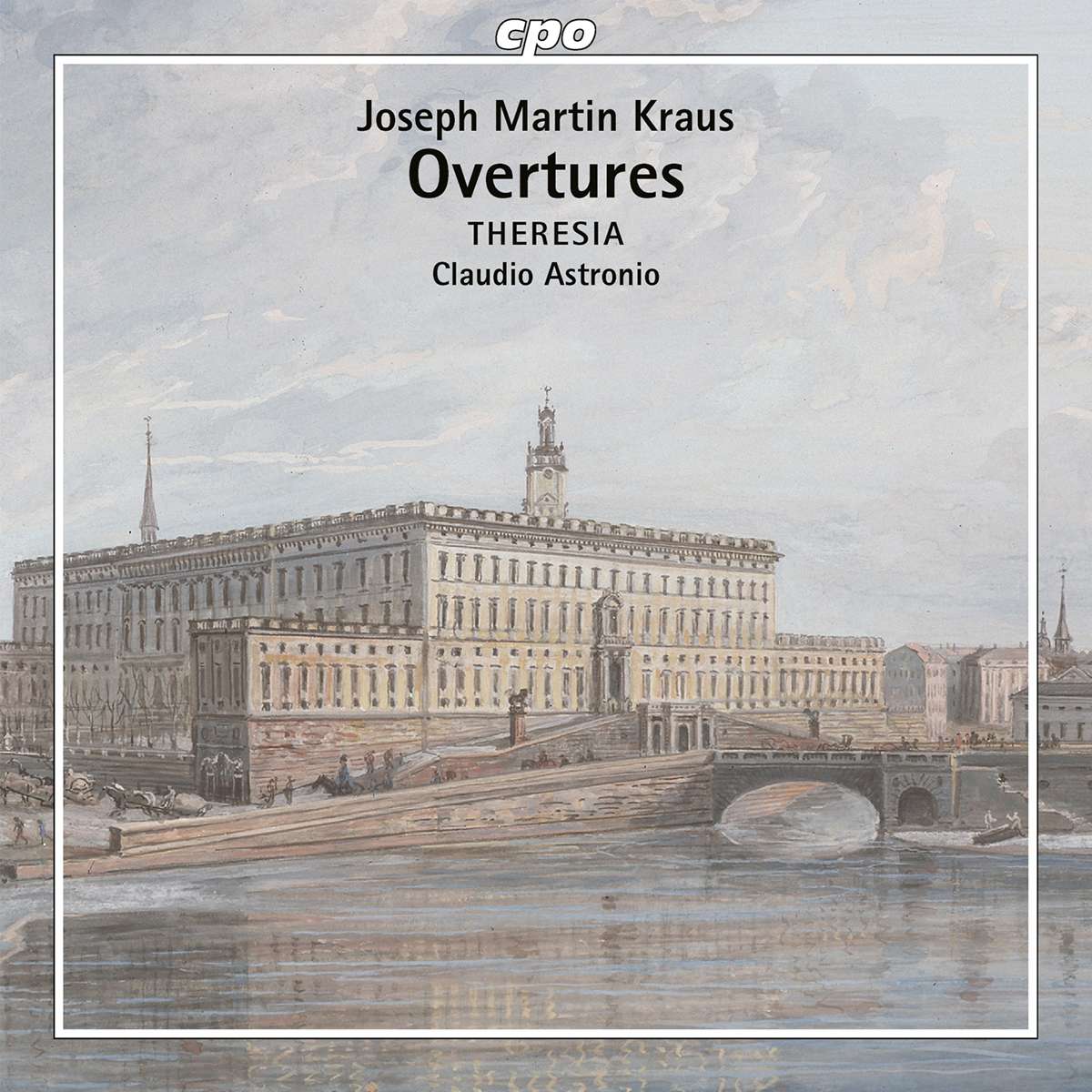
Claudio Astronio, who leads Theresia on our latest album released on the CPO label, talks about the joy of performing the complete Kraus Overtures.

The recent release of the album “Kraus’s Overture” fills us with great satisfaction, marking the start of a significant collaboration, a wide-ranging recording project with the CPO label. Leading our orchestra on this recording endeavour is Claudio Astronio, the conductor who has directed Theresia in numerous performances since its early days. We caught up with him over the phone to get the conductor’s insights on our latest album release.

Maestro Claudio Astronio, how did the idea for a disc of Kraus’ Overtures come about?

When we were thinking of future projects with Artistic Director Mario Martinoli, we realised that a complete recording of this wonderful music wasn’t existing. We embarked on this adventure, which meant a significant amount of effort, particularly for the orchestra. However, the outcome is a product of exceptional quality that has garnered enthusiastic support from CPO. This is not only due to the high quality, but also because this new recording shines a light on music that is rarely performed nowadays. 

How did you experience working on this music? What did it mean to you?

My love for Kraus is well-known: I already performed his music with Theresia back in 2016, especially some symphonies and the stunning Chaconne. And I would love to record all the symphonies one day. The symphonies are remarkable, but working on the overtures was almost more interesting. They are such unique pieces, when placed side by side, they form a narrative of which each one is a part.

Does this have to do with the fact that Kraus composed his Overtures not only for melodramas but also for other occasions?

Exactly. There are overtures for operas, ballets, plays, but also for birthdays and funerals. The variety of musical renditions on such different occasions is great, and those who listen to the disc will enjoy this richness.

Apart from the world of historically informed performance, Kraus is not a well-known composer: do you think this recording will help to put his name back on the musical map?

I hope this is a start, opening a door. Reflecting on the symphonies, some have been recorded and these recordings are quite well known, but they are sporadic. Certainly a complete recording is still missing. If one day a complete edition of the symphonies were to appear, it would be a breakthrough. Kraus’s symphonies precede Beethoven and display a style and orchestral technicalities, which cannot be found in Mozart either. We must always bear in mind that Kraus, although a contemporary of Mozart, was not influenced by classical music; on the contrary, we hear a particularly advanced language in his compositions.

You conducted Theresia during its debut performance in 2012. How has the orchestra changed over the last decade?

It has changed a lot: in the beginning it was an orchestra of young musicians that we contacted directly and invited to participate in Theresia. Then we launched the grant programme, which allowed us to have musicians from abroad and to overcome the problem of not having enough musicians to realise our musical ideas. The level has also grown thanks to the organizational leap that the orchestra took by becoming part of the ICONS foundation. It is now definitely a solid organisation, run with great professionalism.

Claudio Astronio conducts Theresia on our latest album released on CPO: Kraus’ Overtures

Future releases of Theresia on CPO are planned for 2024 featuring various seldom-performed orchestral pieces and opera rarities. The next album will be released in February featuring the first three symphonies by Ernst Eichner, one of the early masters of symphonic compositions, in which Theresia is conducted by Vanni Moretti. May and September will see the release of two opera recordings: Le astuzie femminili by Domenico Cimarosa and Rossini’s L’inganno felice, both conducted by Alessandro De Marchi. August will mark the world premiere recording release of Traetta‘s oratorio Rex Salomon.

Kraus’ Overtures is available to buy and listen here.

Happy listening!

Theresia starts new recording collaboration with CPO

By Emilia Campagna - November 7, 2023
Our new CD featuring Kraus Overtures conducted by Claudio Astronio, is out! This is the first album in a series of recordings we are producing in collaboration with the CPO record company.

Our new CD featuring Kraus Overtures conducted by Claudio Astronio, is out! This is the first album in a series of recordings we are producing in collaboration with the CPO record company.

We are always happy to bring you good news at our blog, and this particular announcement fills us with great pride. We have just released a new recording that represents the culmination of a long-term project that has always held a special place in our hearts – our deep-rooted passion for the works of the Swedish-German composer Joseph Martin Kraus. This album release marks the start of a significant partnership with a renowned international record company CPO to release numerous recordings with the aim to bring lesser-known classical repertoire to the forefront. This long-term collaboration represents a truly extraordinary opportunity for our orchestra of young professionals. In addition to the performing opportunities we create for them to play in various concert halls, this new collaboration also provides Theresia grantees with the unique experience of participating in recording sessions for a major international label.

CPO (Classic Produktion Osnabrück) is a German record label founded in 1986. Their mission is to fill niches in the recorded classical repertoire. To achieve this, the label is committed to producing comprehensive recording cycles, such as complete sets of symphonies, concertos, chamber music, and more. It was therefore with great enthusiasm that the label welcomed our idea to record the complete Overtures of Joseph Martin Kraus, repertoire which is only sporadically explored by classical orchestras. The initial collaboration with CPO stems from recording our opera performances of Mattheson’s Boris Goudenow during the 2021 Innsbruck Festival for Early and has now evolved into more extensive discographic journey.

Future releases of Theresia on CPO are planned for 2024 featuring various seldom-performed orchestral pieces and opera rarities. In February the next album will be released featuring the first three symphonies by Ernst Eichner, one of the early masters of symphonic compositions, in which Theresia is conducted by Vanni Moretti. May and September will see the release of two opera recordings: Le astuzie femminili by Domenico Cimarosa and Rossini’s L’inganno felice, both conducted by Alessandro De Marchi. August will mark the world premiere recording release of Traetta‘s oratorio Rex Salomon.

Speaking in more detail about the music, this new album presents the very first complete rendition of Joseph Martin Kraus‘s Overtures on disc. Kraus is an extraordinary composer who has held a special place in the orchestra’s repertoire since its inception. Similarly, conductor Claudio Astronio, who leads Theresia in this recording, has been with us from the very beginning. Astronio is the conductor who witnessed the birth of Theresia, leading orchestra with immense dedication in its early days.

Kraus’ Overtures is available for purchase here

Alessandro De Marchi: “Rossini is a matter of balance between historical research and tradition”

By Emilia Campagna - October 20, 2023
Only a few days away from our next performances, we caught up with conductor Alessandro De Marchi who conducts Theresia in our annual opera project just like last year. We will make our return to the Reate Festival for belcanto opera to accompany a talented cast of emerging singers. And this time we'll be challenged by adding something entirely new to our repertoire: Gioacchino Rossini and one of the first opera's he wrote "L'inganno felice".

Only a few days away from our next performances, we caught up with conductor Alessandro De Marchi who conducts Theresia in our annual opera project just like last year. We will make our return to the Reate Festival for belcanto opera to accompany a talented cast of emerging singers. And this time we’ll be challenged by adding something entirely new to our repertoire: Gioacchino Rossini and one of the first opera’s he wrote “L’inganno felice”.

Find out the details in this interview with conductor Alessandro de Marchi.

Maestro De Marchi, tell us about this Rossini opera “L’inganno felice”: where does it fit within the composer’s body of work?

It is a  so-called “opera farsa” which Rossini composed in 1812 for the Teatro San Moise in Venice to a libretto by Giuseppe Maria Foppa. The term ‘farce’ is misleading, because the plot is anything but comic as it tells about the misfortune of a young bride who is sent to her death by her husband, who unjustly accuses her of infidelity. This characterisation only refers to the one-act structure and some of the typical formal characteristics of the work. The only ‘buffo’ element is the duet of the two basses, which is full of cynicism and irony. The opera was written by a young Rossini at the young age of 19 and clearly shows that he had already mastered the expressive skills typical for his style; above all, the work shows the composer’s mastery of instrumentation (learnt by studying the scores of Haydn and Mozart) that had already earned him the nickname “tedeschino” during his conservatory years.

Can you tell us about the vocal cast involved in this production? Are they singers you have worked with before?

I always enjoy working with talented young singers, and some of the discoveries of recent years have come from the prestigious Cesti Competition in Innsbruck, which I created in the Tyrolean capital in 2010. These artists include Miriam Albano and Matteo Loi, who are now established soloists on the international stage. A long collaboration connects me with the bass Luigi De Donato, who in recent years has given memorable interpretations alongside me of many baroque and bel canto roles. Tenor Antonio Gares and baritone Giuseppe Toia are excellent artists who have more recently been discovered through auditions and with whom I am happy to work with for the first time.

What is your relationship to Gioacchino Rossini?

Rossini has been with me throughout my professional life and even before then. In fact, I come from a family whose female side, the Neapolitan side, was made up of melomaniacs. My mother, aunts and my grandmother listened to opera records at home, and although in the best Italian tradition Verdi and Puccini topped the bill, Rossini also had his place. Even as a child, I loved to accompany singers on the piano, so I often played the most famous arias of the Pesaro composer to great pleasure. However, my affinity with the composer on a conducting level, was three decades ago, at the beginning of my contract as pianist at the Staatsoper Unter den Linden in Berlin. There, I was asked to conduct the Barber of Seville for the first time, “jumping” in the orchestra pit at the last minute without any previous rehearsal. It went very well, and after that fortunate occasion, Rossini engagements became more and more frequent, and so this composer has kept me company for more than 30 years now.

How does the approach to this composer change when performing according to historically informed practice?

My approach is similar with both modern and historical instruments. However, the result changes a lot when you change the instruments as well as the mind-set of the instrumentalists. Certainly, authentic instruments give us completely different sonorities, very fascinating sound mixtures, soft, but also scratchy when needed; also, as in the striking case of the horns, a fusion in the woodwind group that is unthinkable in a modern orchestra. There are many techniques and many aesthetic principles of Rossini’s time that have been lost and that can be reconstructed by studying the sources. On the other hand, there are just as many that have remained in the tradition and are still present today in performances with modern instruments, and which must be preserved as witnesses to practices that have never become extinct. I would say that creating a balanced and historically acceptable interpretation of this music means finding a balance between historical research and tradition.

The historically informed approach originates from the performance of Baroque repertoire, and was then extended to the Classical repertoire, as is the case with Theresia Orchestra. This Rossini project shows that one can go further: what sort of historical limits (if any) are there to perform his music?

Personally, I went as far as Bellini’s Sonnambula, an opera from 1831. And actually there are no time limits: in Germany they already play Wagner with historical instruments, in France they perform Ravel and Debussy on period instruments…

Theresia is performing Rossini for the first time: what can audiences and former collaborators who are familiar with the orchestra’s path and approach expect from this “encounter”?

The usual quality and energy of these young musicians, and above all the joy of making music together.

Theresia performs “L’inganno felice” by Gioacchino Rossini under the direction of Alessandro De Marchi on 21 and 22 October in Rieti (Auditorium di Santa Scolastica) and on 24 and 25 October in Rome (Teatro Palladium).

Our places: the Krzysztof Penderecki European Centre for Music

By Emilia Campagna - September 14, 2023
Theresia is making its debut visit to Poland, the most easterly European country we have ever travelled to. The orchestra players will be hosted at a true temple of music, the European centre named after the great 20th century Polish composer Krzysztof Penderecki.

Theresia is making its debut visit to Poland, the most easterly European country we have ever travelled to. The orchestra players will be hosted at a true temple of music, the European centre named after the great 20th century Polish composer Krzysztof Penderecki.

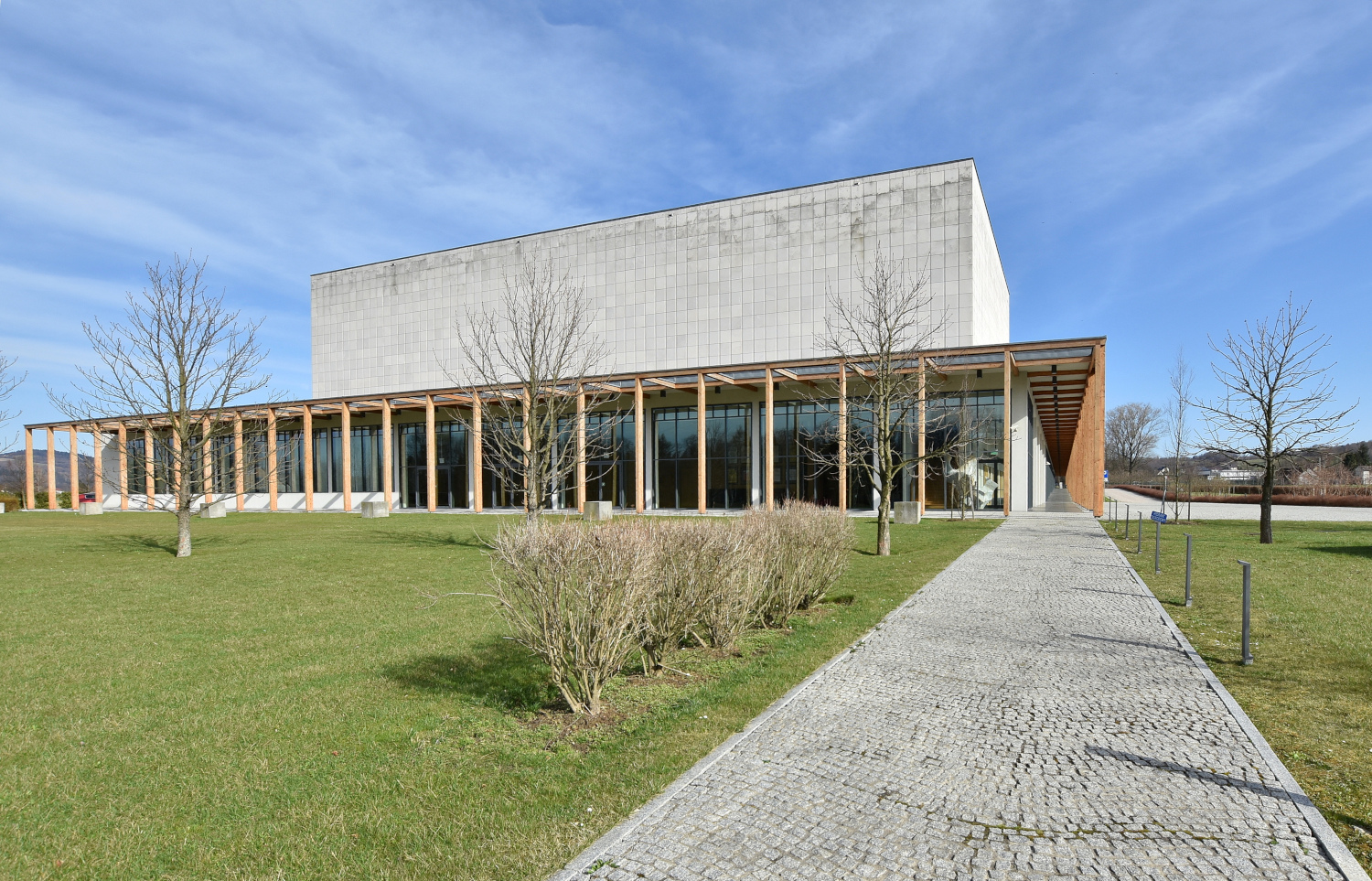
Our next residency will take place at the Krzysztof Penderecki European Centre for Music, an institute dedicated to music that organises and hosts more than hundred artistic and educational events a year, including concerts, art exhibitions, lectures, chamber and symphonic music workshops, and instrumental master classes.

The centre is housed in a large, modern architectural structure that officially opened in 2013 and is located near Lusławice, a village in southern Poland which Penderecki had chosen as his home and workplace since the 1970s.

We have to thank the creation of the Centre to the composer himself, who sadly passed away in 2020, who said at the opening press conference: “Here, in the small town of Lusławice, an important place has been created that will have a cultural influence on the entire region.”

The first seed of what Penderecki saw as a “musical campus” was his own residence, a mansion abandoned after World War II, which the composer bought in the 1970s when it was dilapidated and in ruins, and which he completely renovated. Amidst acres of undulating farmland and Penderecki’s arboretum of rare trees, the site was frequently visited by Polish and international artists.  Penderecki once said: “It is actually like a campus, and these exist throughout the world, and especially in the United States, where I travelled numerous times as a lecturer. I think that there is a great need for this kind of places here in Poland, too.”

Penderecki Manor in Lusławice

Penderecki Manor in Lusławice

The mission of the Krzysztof Penderecki European Centre for Music is to inspire the most talented young musicians to develop their skills in pursuit of genuine artistic excellence. The Centre’s campus is a meeting place for young musicians with composers and seasoned artists, as well as with outstanding personalities in the cultural field. It is an extensive education hub at all artistic stages from the development of practical performing and interpretation skills, to the history of the styles, forms and genres of European music, to attributing aesthetic qualities of a piece and placing it in a cultural context.

Aside from its educational mission, the Centre also organises concerts and festivals with a strong emphasis on the next generation of artists. So, it was with great honour that we accepted the invitation to take part in the All’Improvviso Festival who set up this residency. The invitation came from Artistic Director Artur Malke, whom we met through REMA, which is proving to be an excellent network for the promotion of historically informed musical performances in Europe. (On a side note, the REMA network is currently open to new members, so we highly recommend all types of early music organisations to apply.)

This project includes three concerts in which the orchestra will be conducted by Dirk Vermeulen. The music programme features two works by Mozart (Eine kleine Nachtmusik KV 525 and Violin Concerto No. 3 in G major KV 216), Haydn‘s Symphony No. 8 in G major Hob. I:8 Le Soir, and Lipiński‘s Symphony in B flat major Op. 2 No. 3. The soloist in Mozart’s Violin Concerto will be the young and talented Sulamita Ślubowska.

Following a rehearsal period of five days at the Penderecki Centre, our Polish tour stops at the Ruins of the Victoria Theatre on 22 September in Gliwice, a second concert at the Penderecki Centre on 23 September in Lusławice, and finally at the National Theatre and Opera in Warsaw on 24 September as part of the ‘La Folle Journée de Varsovie’, the cities annual music festival, this year aptly themed around ‘the night’.

We are hugely looking forward to exploring these places and meeting new audiences!

Four Theresia members join Il Giardino Armonico on major European tour

By Emilia Campagna - August 24, 2023
An exciting new opportunity awaits the musicians of Theresia! We are delighted to announce that, thanks to a new collaboration with Il Giardino Armonico, a group of Theresia Orchestra members will be joining the ensemble on a major European tour.

An exciting new opportunity awaits the musicians members of Theresia!

We are delighted to announce a new collaboration with Il Giardino Armonico, one of the world’s leading period instrument ensembles. A group of Theresia Orchestra members have been invited to join Il Giardino Armonico on a major European tour: this is the centerpiece of a remarkable fellowship project designed to give young period instrument players a unique opportunity to gain professional experience on the grand stage of Europe.

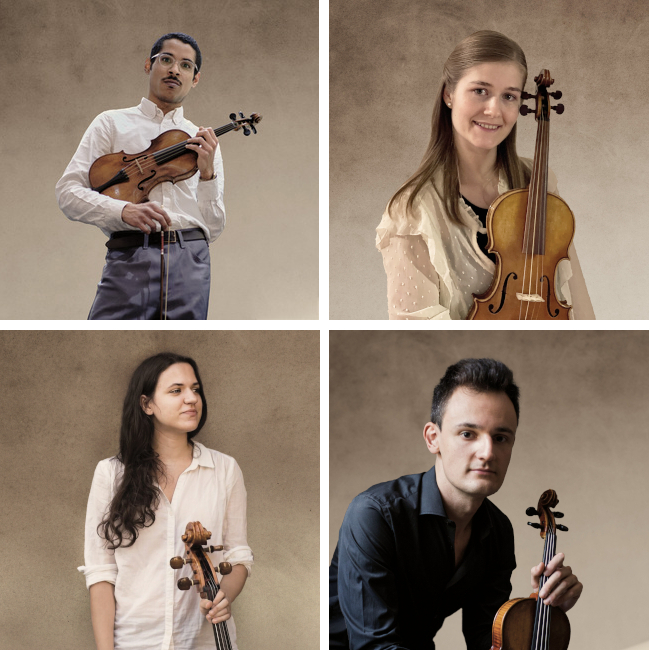
The lucky four are violinists Lucas Bernardo da Silva, Guillermo Santonja Di Fonzo, and Natascha Pichler, and cellist Matylda Adamus. They embark on a tour across Europe to perform Haydn’s Die Jahreszeiten under the baton of Giovanni Antonini at prestigious venues in Lucerne, Bonn, Bremen, Wroclaw, Antwerp, Bucharest. Three of the performances will be broadcast on national radio, and the Wroclaw performance will also be filmed for MezzoTV, reaching an even wider audience.

As Giovanni Antonini, founder and artistic director of Il Giardino Armonico, stated, “This fellowship project exemplifies our commitment to innovation and excellence, nurturing an environment for aspiring instrumentalists to excel and display their musicianship on an international stage. We look forward to sharing the stage with these exceptional young players and fuel their artistic growth.”

Ready to go! Violinists Lucas Bernardo da Silva, Natascha Pichler and Guillermo Santonja Di Fonzo, and cellist Matylda Adamus to join Il Giardino Armonico on major European tour

This collaboration represents a new milestone in our work to develop young talent, and it is a source of great pride to receive such recognition from an artist such as Giovanni Antonini, who conducted Theresia in a recent project with great artistic success: read the interview that was published on the blog earlier this year.

Giovanni Antonini

“This fellowship project exemplifies our commitment to innovation and excellence, nurturing an environment for aspiring instrumentalists to excel and display their musicianship on an international stage. We look forward to sharing the stage with these exceptional young players and fuel their artistic growth.”

Theresia’s artistic director, Mario Martinoli, was also very pleased: “At Theresia, we are entirely dedicated to forwarding our objective of advancing young period instrument players and couldn’t be more excited about such a valuable opportunity for our musicians to gain real-life performance experience.”


European Tour

Die Jahreszeiten, HobXXI:3
JOSEPH HAYDN

Il Giardino Armonico
Giovanni Antonini, Musical Direction

Anett Fritsch, Soprano
Maximilian Schmitt, Tenor
Florian Boesch, Bass

NFM Choir
Lionel Sow, artistic direction

Sun 3 September, 18:30 – Lucerne Festival, KKL Luzern
Tue 5 September, 19:30 – Beethovenfest Bonn, Kreuzkirche
Thu 7 Sept, 20:00 – Musikfest Bremen, Dom zu Verden
Sat 9 Sept, 19:00 – Wratislavia Cantans Festival, National Forum of Music Wroclaw
Tue 19 Sept, 20:00 – De Singel, Antwerp
Thu 21 Sept, 17:00 – George Enescu Festival, Romanian Atheneum Bucharest


Christophe Rousset: music as an endless discovery

By Emilia Campagna - August 10, 2023
For our next project, Christophe Rousset will conduct Theresia in Traetta's oratorio 'Rex Salomon' at the Innsbruck Early Music Festival. We spoke to him about his passions, his commitment to work and his dedication to music. Truly inspiring!

For our next project, we are about to work with a great musician, an artist with a really impressive career who has interpreted an extensive repertoire including many rediscoveries: Christophe Rousset. He is an award-winning harpsichordist, renowned conductor, and founder of the French period instrument ensemble Les Talens Lyriques. Rousset will conduct Theresia in Traetta’s oratorio ‘Rex Salomon’ at the Innsbruck Early Music Festival. We spoke to him about his passions, his commitment to work and his dedication to music. Truly inspiring!

Maestro Christophe Rousset, you will conduct Theresia in Rex Salomon, the first modern performance of this oratorio: what are the most interesting aspects of this score?

First of all, it is music by Traetta, a composer that has always fascinated me. I have conducted and recorded Antigona and performed a wonderful Stabat Mater by him. This work has a strong Neapolitan flavour, develops the most delightful melodic lines, the orchestration is very well written, and the virtuosic elements  leave a strong seductive impact. Although this piece was written around 1765, its music seems to date from 1780. Traetta was very well known, respected and acclaimed throughout Europe during his lifetime. This oratorio has been written for the Conservatorio dell’Ospedaletto in Venice, therefore only for female voices, in all genres.

It is not uncommon for a player in historically informed performance practice to discover music that has long been forgotten: how does the process of preparation and interpretation change, and how did you approach this particular score?

I must say that bringing to life forgotten pieces is my specialty. What I like in this process is that I can obtain something closer to what I imagine in my head. When performing a repertoire piece, you always have singers knowing the piece better than you do, somehow the inheritance of other interpretations is inevitable. Virgin territory is much more stimulating to me, a challenge where I should be the leader of a good (in this case excellent!) team of singers.

Do you often conduct youth orchestras? Is there any difference in the way you work when you are dealing with young professionals as opposed to mature, more established musicians?

I have indeed conducted quite a few times youth orchestras. I don’t see any differences with a professional orchestra and my exigence is exactly as high. Young people are often more eager to do well and to learn new ways: that’s good, isn’t it?

Is teaching an important part of your work as a musician?

I have always taught from an early age. It is something very inspiring. You have to put words to the insights, the habits, the tricks you’ve discovered. Also, confrontation with different points of view can be very challenging.

Theresia’s musicians are about 25, and are gaining their first professional experiences in the music world: what is your advice to them?

Be open to new paths, new views, other ways of conceiving music.

You founded Les Talens Lyriques ensemble in 1991: now more than thirty years ago; how has the ensemble changed since its early days?

I couldn’t answer that question: I’ve changed; I’ve matured. I have the feeling that I am still polishing the same diamond over all these years. My intuitions are stronger, perhaps more solid. This is the reason why I don’t let anything get in the way of what I try to achieve. In fact, musicians like to be challenged, they like saying “I can do it!” and there is no reason for me not to insist on getting as close to my vision as possible.

In the 90s… A younger Christophe Rousset in a recording session with Les Talens Lyriques

You have achieved a lot and your discography and repertoire are definitely endless: do you still have plans and ideas up your sleeve? Is there any musical territory you would still like to explore?

Actually, what’s important is to keep enthusiasm. Every piece becomes new again when the team changes. My white beard gives me more authority and people listen more to me in general, and that’s very rewarding. I think the worse danger is ROUTINE! I have recently conducted my first Matthew Passion, and it was quite remarkable to lead my players, singers and choir in a fresh interpretation (yet very respectful!) of this masterpiece. They all had the tendency to “reproduce” what they had done with others, which was exactly what I didn’t want to happen: the copy/paste effect. That is killing the work of art. My goal has never been to make something “different”. But I suppose I am different from other conductors and as my attitude is true, I think this should be enough. In short, my dream is to have still many years ahead of me in which I will be able to express myself through music!

“Always keep up the enthusiasm” – Christophe Rousset and Les Talens Lyriques in a recent picture

Theresia Orchestra will perform “Rex Salomon” on 18 August in Innsbruck as part of the Innsbrucker Festwochen der Alten Musik with female soloists Suzanne Jerosme, Marie-Eve Munger, Eleonora Bellocci, Grace Durham, Magdalene Pluta and the Tyrolean vocal ensemble NovoCanto.

Welcome, new members!

By Emilia Campagna - July 26, 2023
After the summer auditions held in Salzburg, we are happy to welcome six new members to Theresia Orchestra.

Summer is a very busy time for us: not only do we have two important residencies coming up in Geneva and Innsbruck. We have also just returned from auditions as usually in Salzburg, and are looking forward to welcoming the new members chosen to join our beloved Theresia Orchestra.

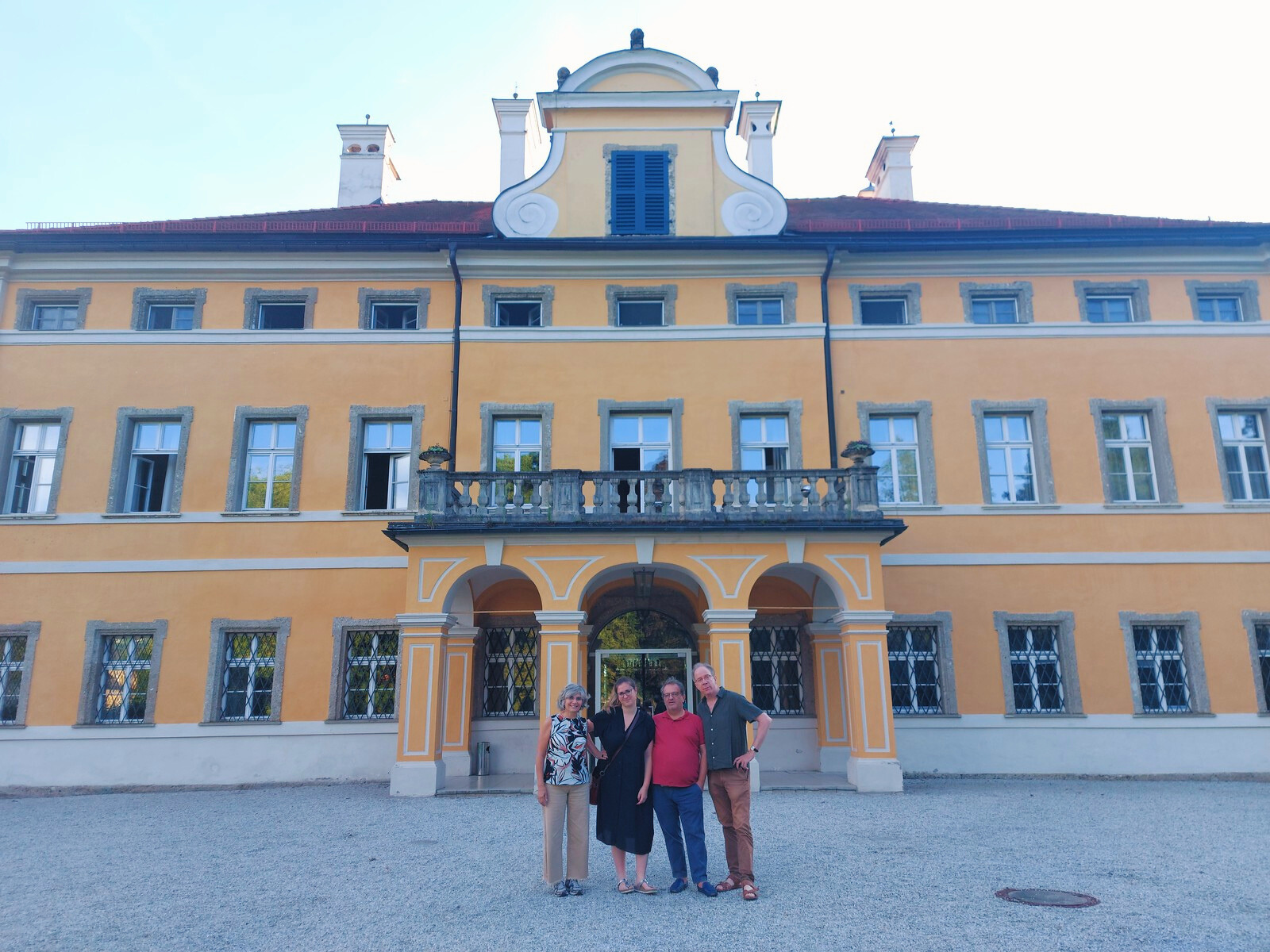
As always, these have been intense days for both the participants and the members of the jury: we try to get to know our candidates in depth, to assess their individual musical abilities, their ability to work in a group and their motivation to pursuing a career path towards becoming independent professional musicians. We strongly believe in the importance of this moment, which cannot be simply assessed by a solo performance of a few minutes: we want to give all candidates a meaningful training opportunity, so that even those who are not selected can go home with a valuable experience. And for this to be a positive experience, the location also matters which is why our auditions are held at the Schloss Frohburg in collaboration with the Mozarteum in Salzburg.

Let’s take a closer look at this year’s figures: there were 52 candidates from 18 different countries. Auditions took place from 13 to 15 July and they were focused on trumpets, timpani, oboes, horns, bassoons, and string instruments. The Examining Committee consisted of Alfredo Bernardini – Principal Conductor, Gemma Longoni – Concertmaster, Mario Martinoli – Artistic Director, and Elena Gaboardi – Trustee of Fondazione ICONS.

We are pleased to announce that the following players will join Theresia for its upcoming orchestral and chamber music projects as new members: Paula Pinn, bassoon (Germany); Marta Jiménez Ramírez, cello (Spain); Helena Reguera Rivero, viola (Spain); Begoña Hernández Gallardo, violin (Spain); Janire de PazRivas, horn (Spain); Maria Plucińska, oboe (Poland).

The auditions also serve to complete the talent pool of musicians on our reserve list, who might be called upon for individual projects and are invited to participate in the EMPOWER capacity building workshops.

A warm welcome to all of you: we look forward to seeing you join the ranks of our orchestra!