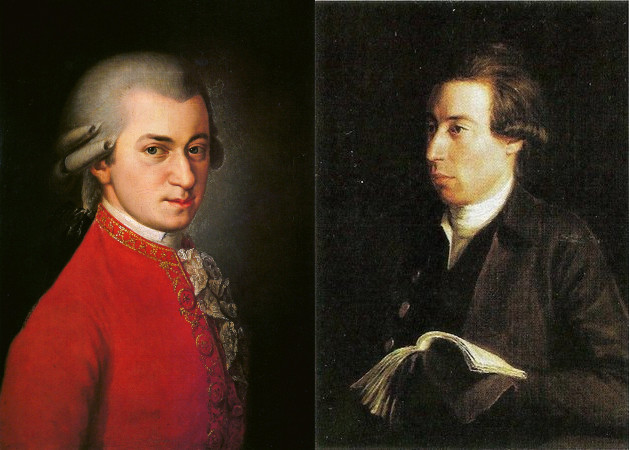
A mystery in music history, or the meeting of Mozart and Kraus in Vienna

By Emilia Campagna - May 8, 2015
Mozart and Kraus were born the same year (1756) and died a year apart from each other. Mozart lived mostly in Vienna, Kraus spent the whole life in Sweden. But did they ever meet? Did they know each other?

Do you know that Joseph Martin Kraus is called “the Swedish Mozart”? Well, as a matter of fact, it is primarily due to the fact that the two composers were born the same year (1756) and died a year apart from each other, Mozart in 1791 and Kraus in 1792: actually, besides the journeys that both of them did when they were young, they were really far away from each other; Mozart lived mostly in Vienna, Kraus spent the whole life in Sweden.

kraus2But did they ever meet? Did they know each other? The musicologist Bertil Van Boer, who is the author of the complete catalog of Kraus’s works, investigated this aspect to find out if really a metting occurred. In his essay “The case of the circumstantial meetings – Wolfgang Amadeus Mozart and Joseph Martin Kraus in Vienna” he explains that “one of the joys of compiling a thematic catalogue is that a number of small mysteries crop up as one evaluates biographical and source material for the composer concerned. The journey often requires delving into the private life and works in intimate detail, and brings to light important information that in turn raises questions about the various influences or connections affecting the composer or style. But when this information is lacunar or based primarily upon circumstantial evidence, it provides only plausible suppositions that, while not entirely provable as incontrovertible fact, nonetheless dare the scholar to prove otherwise. Such is the circumstantial case for the meeting of two of the more remarkable composers of the second half of the eighteenth century, Wolfgang Amadeus Mozart and Joseph Martin Kraus, who share nearly identical life spans and dates.”

Indeed, Mozart and Kraus do had something in common, besides the dates. According to Bertil Van Boer “first, there is their development as composers. Both showed considerable talent in musical composition during childhood, with substantial works being written during their teenage years. Both were adept at writing in the various styles of the period, and both were well travelled internationally.” Besides he differences in education (Mozart was essentially home—educated and achieved a professional career early on in his life, while Kraus was university— educated in philosophy and law and became Kapellmeister at the Swedish court only after considerable difficulty “they have much in common in terms of their creative process. Both were well known for the ability to craft new works of some substance quickly and without a laborious compositional process, and both achieved some reputation for innovative orchestration. Both have been seen as being a qualitative step above their contemporaries and this comparison was first proposed by a well known contemporary, Joseph Haydn, who said ‘Kraus was the first great composer of genius that I ever knew; . . . pity about him and Mozart, both were so young when they died’!”

The question whether the two composers knew or knew about each other is still open, because mozart there is no biographical documentation on this subject, at least as regards Mozart: we can find some evidence on Kraus’s part, in the form of both correspondence and music. “From November 1782 until December 1786 Kraus embarked upon a grand tour of Europe at the expense of Swedish King Gustav III in order to further his own education, observe the latest trends in music and theatre, and meet with as many leading figures in the eighteenth-century musical world as possible. As a result, the route of his journey allowed him to come into contact with most leading composers of the day, including Gluck, Haydn, Salieri and numerous others. While Mozart’s name is clearly missing from this list of notables, it is not necessarily an indication that no meeting took place.”

This doesn’t mean that Kraus and Mozart never met each other, even if we have no evidence: for example, we know for sure that Kraus “was familiar with his colleague and his music”: he wrote about Mozart’s works in letters to his familiars and composed an adaptation of a movement from the opera Idomeneo, and “had inside information on the latter’s latest operatic efforts of Mozart”. Considering the admiration that Kraus had for Mozart “to have avoided him entirely would seem contradictory to the very purpose of Kraus’s goals for his journey.” If they met, it should have happened in 1783:  “Kraus arrived in Vienna on 1 April 1783 and departed in October of that same year. Mozart, newly married and enjoying the first success of Entfflhrung, was in residence until July, when he took his new bride back to Salzburg to meet his family. Thus there was a span of about four months where, if nothing else, both were in the same city at the same time.” Vienna was a capital, but even a small city, and the two of them had to have acquaintance in common!

However, the mistery remains: maybe we’ll never know if the two met. We just know that there is a special link between the two composers. In modern times, Kraus is not so known as Mozart, of course, neither so performed: especially for this reason we are particularly proud to have his music repertoire. Besides the fact, of course, that it is wonderful music!

***************************

Bertil Van BoerBertil Van Boer is an active musicologist, having published articles in the International Brass Society Journal, Journal of Musicology, Journal of Musicological Research, Svensk tidskrift för musikforskning, and a host of Festschriften and symposium reports. He has regularly contributed to the Grove Dictionary of Opera and Grove Dictionary of Music. He is also the author of several books and numerous musical editions. His specialty is music of the 18th century, particularly in Scandinavia, with focus on the composer Joseph Martin Kraus. He serves as a musical consultant for Naxos Records, and has been involved with the Royal Opera and Royal Swedish Academy of Music on various projects. He has also been conductor with Opera Kansas and performed professionally in Austria, Nicaragua, Sweden, and the United States.
Bertil van Boer has published “The Musical Life of Joseph Martin Kraus: Letters of an Eighteenth-Century Swedish Composer,” containing the collected edition of the letters by Joseph Martin Kraus (1756-1792) translated from the Swedish and German, along with extensive commentary, as well as appendices featuring documents, a travel diary, and letters from family and friends. The book was published by Indiana University Press.
Mozart and Lodi: a short but remarkable stay

By Emilia Campagna - May 8, 2015
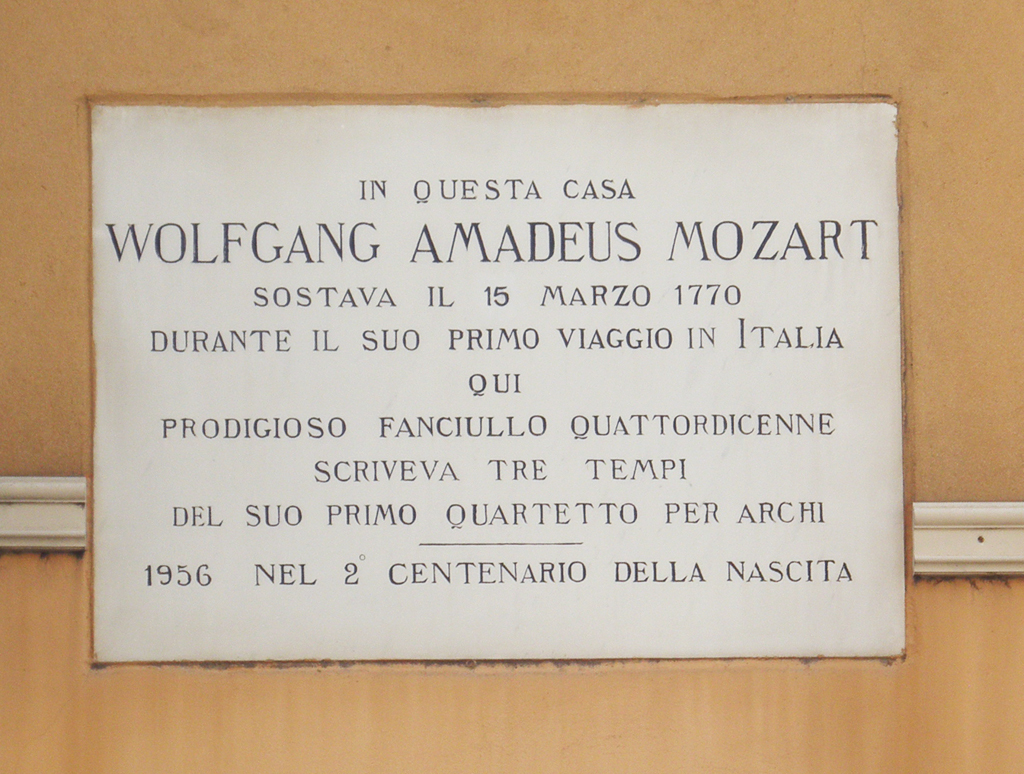
15th march 1770 Leopold and Wolfgang Amadeus Mozart spent a night in Lodi: it was just a night, but a remarkable one, as the young Mozart composed the first three movement of his very first string Quartet

As a child, Mozart travelled to Italy three times with his father Leopold and this country gave Mozart a wealth of ideas and strongly influenced his taste in art. The first trip to Italy (December 1769 – March 1771) was both pleasant and honourable. It inspired Mozart with new impressions and ideas, adding more experience and diversity to his art. Mozart was introduced in the Italian art scene, met the Italian upper class, the noblesse, the higher nobility and church dignitaries and even the Pope. He met an old friend from London, the castrate Manzuoli, and met another wunderkind his own age in Florence: Thomas Linley. The two boys developed a close friendship. Pope Clement XIV conferred on W. A. Mozart the Order of the Golden Spur, making the composer “Sir Wolfgang, Signore Cavaliere Mozart”. In Bologna Mozart studied counterpoint with the Franciscan Padre Martini. He conducted his opera Mitridate, Re di Ponto at the opera in Milan.

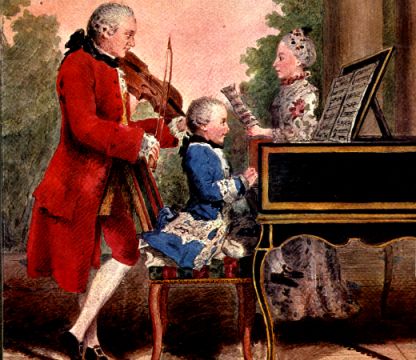
The two Mozart father and son playing together

Father and son set off again for Milan in August 1771. Mozart wrote the festive opera “Ascanio di Alba” as a wedding gift for Archduke Ferdinand to the Princess Beatrice of Modena¸ which was received with thunderous approval. The Mozarts returned to Italy from October 1772 to March 1773. Mozart had been commissioned by Milan to write another opera namely “Lucio Silla”, that premiered on 26 December 1772 in the presence of Archduke Ferdinand and his wife at the Teatro Regio Ducal.

A night in Lodi

The stay in Lodi dates from the first trip to Italy: after father and son left Milan on 15th March 1770, they headed to Parma. Lodi was a convenient stop on the way to Parma, so they spent the night in the town: it was just a night, but a remarkable one, as the young Mozart composed the first three movements of his very first string Quartet! Mozart was just fourteen when he composed the String Quartet, that in the original conception consisted of three movements: yet a fourth movement was added later, in 1773. In his writing, Mozart was probably inspired by Concertini a 4 istromenti soli by Giovanni Battista Sammartini, an Italian composer that Mozart met during his stay in Milan, but we can find also influences by other contemporary composers like Luigi Boccherini and Baldassarre Galuppi. However, today the Quartet K 80 is still remembered as “The Lodi Quartet”: not bad for a one-night-stay, is it?

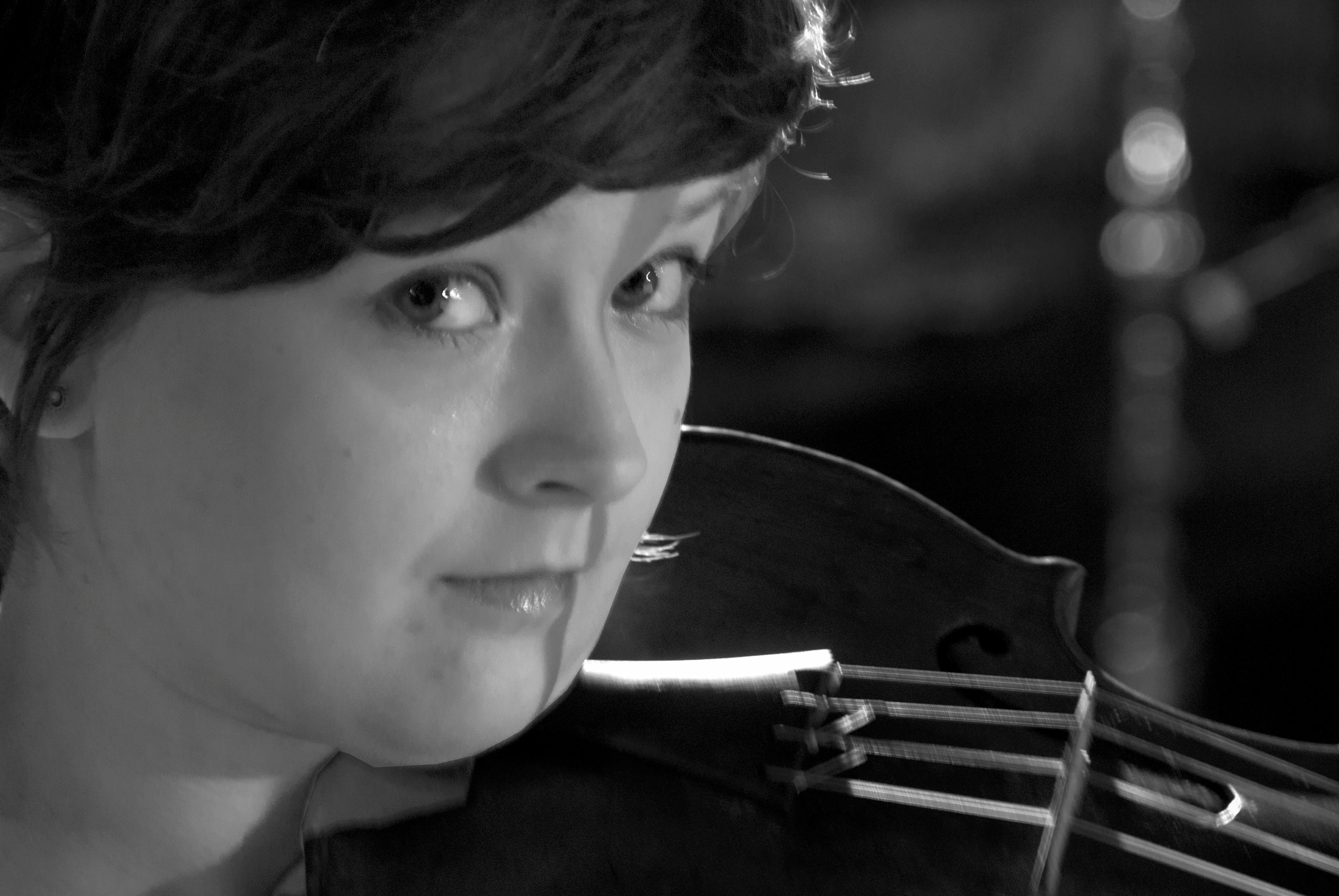
Meet Theresia: Klaudia Matlak

By Emilia Campagna - May 5, 2015
"Theresia è giovane, fresca, flessibile. Per me è importante lavorare con persone dalla mente aperta, curiose, pronte a sperimentare e mettersi in gioco e qui trovo tutto questo."

La spalla di Theresia nei concerti 2015 è Klaudia Matlak: polacca, 26 anni, è con Theresia dal 2013 e si è subito imposta come uno degli elementi più importanti dell’orchestra. Quest’anno la direzione artistica l’ha scelta per il ruolo di primo violino e oggi che sono iniziate le prove dello stage a Lodi le abbiamo subito chiesto un commento “a caldo”: allora, com’è fare la spalla di Theresia? Cosa cambia nel suonare in orchestra? “Oggi è stato proprio il mio debutto come spalla qui in Theresia! L’esperienza di primo violino non è del tutto nuova per me, ma è sempre una bella responsabilità, un impegno importante: suonare come spalla chiede un tipo di energia e un tipo di ascolto che non è esattamente lo stesso di quando si suona come violino di fila. Si è in un certo senso il collegamento tra il direttore e gli altri musicisti dell’orchestra: e si devono anche incoraggiare, trascinare i propri compagni dando tutta l’energia che si ha. E’ una bella responsabilità e una grande soddisfazione, ecco.”
TYBO2014_JJMR_KlaudiaMatlakCon Theresia hai già suonato più volte: questo facilita le cose? “Sì, decisamente. Conoscersi a vicenda aiuta nel capirsi quando si suona, tante cose si semplificano, sono più immediate. Inoltre in orchestra tra le prime parti ci sono due colleghe, le mie amiche polacche, con cui ho suonato tantissimo: sono Agnieszka Papierska, che è primo dei secondi violini, e Maria Misiarz, primo violoncello. Abbiamo suonato molte volte in orchestra ma soprattutto in formazione da camera, quindi abbiamo un’intesa fortissima.”
Il tuo curriculum è ricco di corsi importanti: hai studiato a Verona con Stefano Montanari e Enrico Parizzi, in Polinia con Martyna Pastuszka, sempre approfondendo la prassi esecutiva sul violino barocco: lo strumento moderno ha spazio nella tua attività? “Il violino moderno l’ho studiato da quando avevo 8 anni e l’ho abbandonato a 20: quando ho iniziato a suonare barocco ho capito che il mio mondo era quello. Il repertorio, prima di tutto, ma poi soprattutto il suono, che con le corde antiche è tutto un’altra cosa: è qualcosa che va oltre il repertorio barocco, tanto che adesso mi sto spingendo a esplorare repertori meno antichi eseguendoli con strumenti con le corde di budello e sto studiando le Sonate di Brahms!”
Tre aggettivi per Theresia: “Giovane, fresca, flessibile! Per me è importante lavorare con persone dalla mente aperta, curiose, pronte a sperimentare e mettersi in gioco e qui trovo tutto questo.”
Quando non suoni il violino cosa ti piace fare? “Sono una sportiva, mi piace nuotare e andare in montagna – ma mi mancano le mie montagne polacche!”

Our places: L’Aquila and Auditorium del Parco

By Emilia Campagna - May 5, 2015
This post begins with a sad story:  the third step of our tour will be in the city of L’Aquila, in a really special place, literally born on the rubble and intended to help struggling people through music. On April 6, 2009, an earthquake of 6.3 magnitude struck central Italy with its epicentre near L’Aquila. […]

This post begins with a sad story:  the third step of our tour will be in the city of L’Aquila, in a really special place, literally born on the rubble and intended to help struggling people through music.

On April 6, 2009, an earthquake of 6.3 magnitude struck central Italy with its epicentre near L’Aquila. Initial reports said the earthquake caused damage to between 3,000 and 10,000 buildings in L’Aquila. Several buildings also collapsed. 308 people were killed by the earthquake, and approximately 1,500 people were injured. Twenty of the victims were children. Around 65,000 people were made homeless. There were many students trapped in a partially collapsed dormitory. The April 6 earthquake was felt throughout Abruzzo; as far away as Rome, other parts of Lazio, Marche, Molise, Umbria, and Campania.

It was a disaster of enormous proportions and music and culture weren’t safe too: in a town rich of music like L’Aquila, with a big and lively Music Conservatory and many musicians performing in local concert seasons, the
grave damage of the Castello Spagnolo concert hall seemed to be a hopeless wound.

The famous architect Renzo Piano was one of the first people to realise that it could be a very long time before the city would be back to normal and that building a place to protect musical traditions would be a positive way to start the healing process. He made himself available to design a new concert hall, with the moral support of the conductor Claudio Abbado, that proclaimed that the new auditorium was a “a building of great symbolic value”.

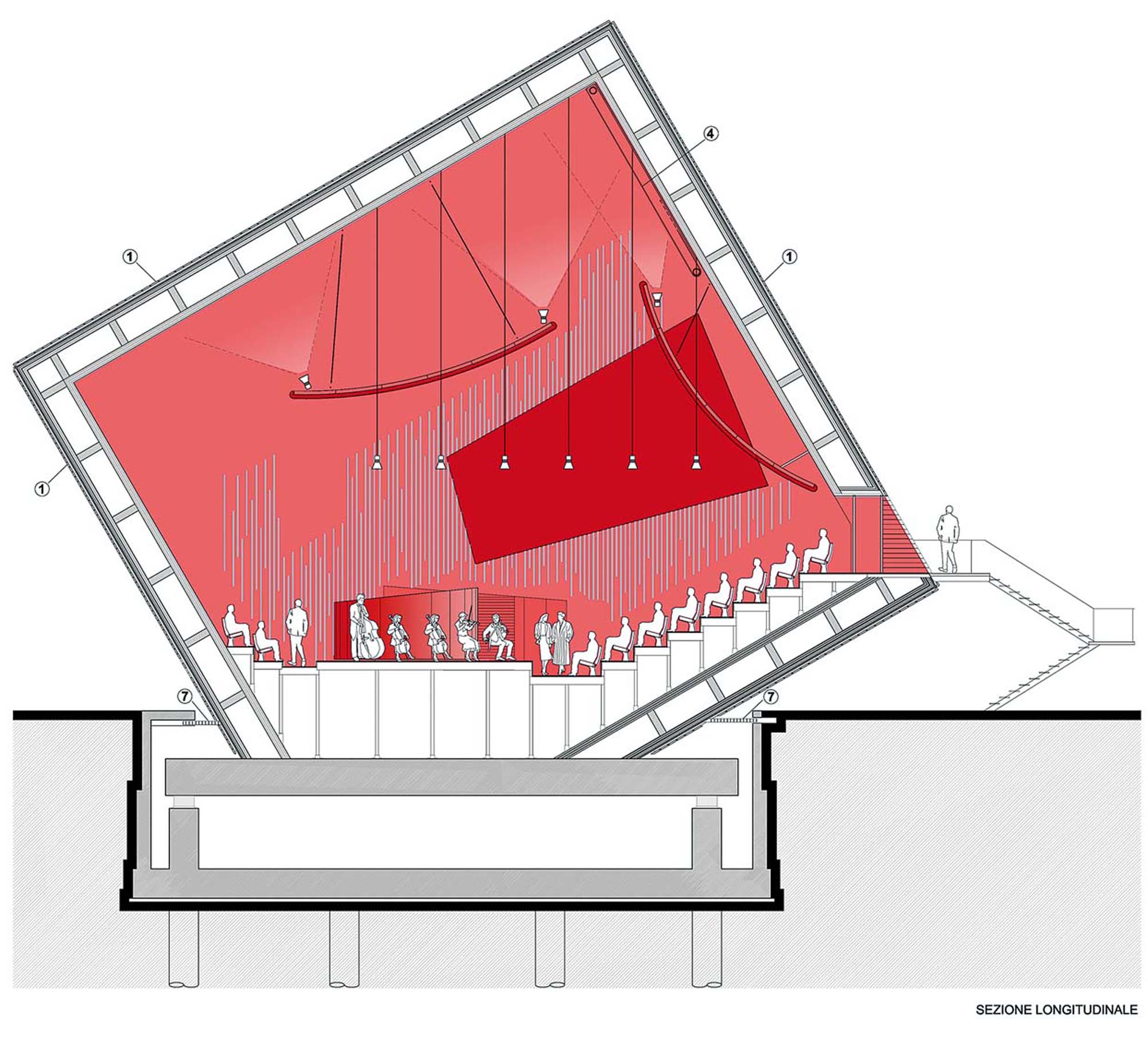
The Auditorium del Parco in L’Aquila was built as a temporary substitute to replace the Castello Spagnolo concert hall and was inaugurated in October 2012 with the Orchestra Mozart conducted by maestro Claudio Abbado. It is an ensemble of three pure volumes – a trio of cubes set at seemingly random angles, a bit like dice thrown on an uneven surface – housing the 238-seat concert hall, the foyer and dressing rooms. The separation of the various segments and the flow of movement through simple, adjacent and connected structures was at the root of the design of these square wooden boxes. Wood was chosen for its acoustic properties, but also because it is flexible, more resistant to earthquakes, less invasive and can be easily prefabricated and quickly assembled. The Auditorium construction site was also turned into an educational opportunity by Renzo Piano Building Workshop and the Foundation, a chance for graduating engineering students from the universities of L’Aquila and Trento to get some real hands-on experience. Their involvement in the construction was a clause in the job bidding process, a first in Europe.

Renzo Piano exlpained: “We used the wood of Val di Fiemme in Trentino, the preferred wood by the great violin makers since the time of Stradivari. All three blocks of the auditorium (concert hall, rehearsal room and restaurant) are made of wood, in order to be disassembled and rebuilt elsewhere. I was inspired by the many buildings and wooden temples built in Japan, which is the most seismic country in the world.”

Theresia’s concert in Autorium del Parco is scheduled for Sunday 10, at 18th: we are sure it will be a great emotion. Stay tuned for our photos!

Our places: Rome and Palazzo del Quirinale

By Emilia Campagna - May 3, 2015
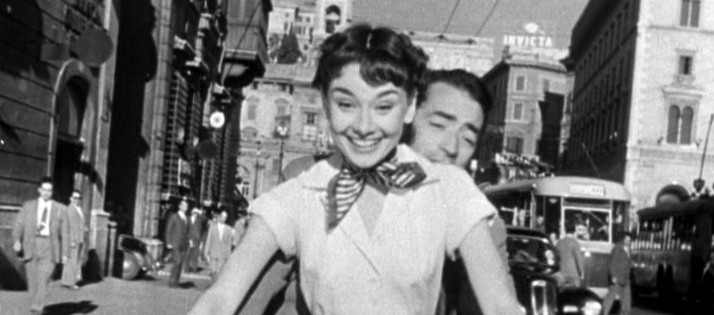
Do you remember “Roman Holiday”? It’s a 1953 american romantic movie with a young Audrey Hepburn in the role of a princess in tour among European capitals. During her stay in Italy, frustrated with her tightly scheduled life, she escapes from her country’s embassy to experience Rome on her own. Obviously, she meets an handsome […]

Do you remember “Roman Holiday”? It’s a 1953 american romantic movie with a young Audrey Hepburn in the role of a princess in tour among European capitals. During her stay in Italy, frustrated with her tightly scheduled life, she escapes from her country’s embassy to experience Rome on her own. Obviously, she meets an handsome american (Gregory Peck), and she has a great time enjoying her freedom and going around visiting the most beautiful places of the city: Pantheon, Castel Sant’Angelo, Fontana di Trevi, Piazza di Spagna, Trinità dei Monti, Colosseo…

Well, yes, we know: it won’t be the same for Theresia in its two-days-stay in Rome. At least, we hope our musicians aren’t going to leave with some handsome stranger. But we are sure that some of the romantic and fascinating air of Rome will thrill some of them.

First of all, on 10th May at noon we are going to perform in one of the most  important places in Italy, Palazzo del Quirinale, the current official residence of the President of the Italian Republic. The palace was built in 1583 by Pope Gregory XIII as a papal summer residence. The palace is composed of the main building, which is built around the majestic courtyard, and of the Quirinal Gardens: famous for their privileged position that they are almost like “island” elevated on Rome, they were over the centuries changed depending on the tastes and needs of the papal court.

Take a look at the beauty of Palazzo del Quirinale enjoying this virtual tour

And  now you all are asking the same thing: why Theresia is going to perform inside Palazzo del Quirinale (more precisely, in Cappella Paolina, at the hearth of the palace)? Well, we have been invited to perform as part of the concert season “I concerti del Quirinale di Radio3” which is really quite peculiar: almost every Sunday from October to May, the tourists that visit the Palace (opened for tourist tours only on Sunday) can attend a concert in the amazing Cappella Paolina. It is something halfway between a radio show and a concert, because it is live broadcasted by italian national radio (Rai – Radio3) all over Europe (and you all can hear to the concert, thanks to the streaming).

The orchestra will be conducted by Claudio Astronio: you find the program on this page . We hope to meet you in Rome, at Quirinale Palace!

Our places: Lodi and St. Agnese Church

By Emilia Campagna - May 2, 2015
Lodi is a beautiful town: enjoyable and not too big, it is a stone’s throw from Milan, where in these days they are inaugurating Expo 2015. The town has a wonderful richness of medieval palaces and churches: the town that we see today was founded in 1183 and for a long period it used to […]

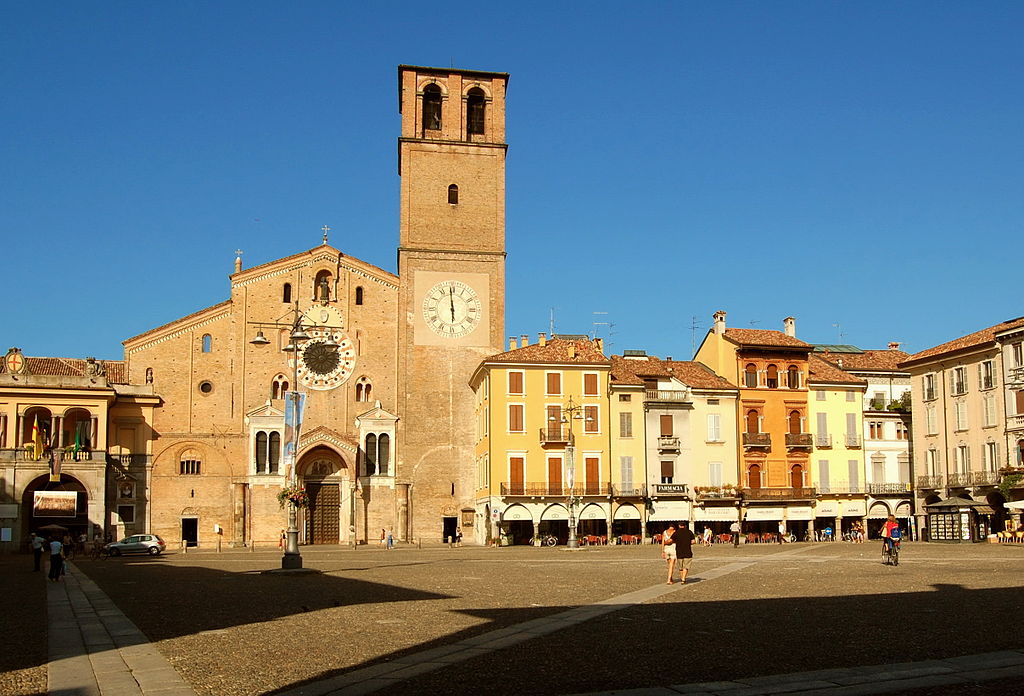
Lodi is a beautiful town: enjoyable and not too big, it is a stone’s throw from Milan, where in these days they are inaugurating Expo 2015. The town has a wonderful richness of medieval palaces and churches: the town that we see today was founded in 1183 and for a long period it used to be one of the most important towns in Northern Italy.

Formerly Lodi was a Celtic village; in Roman times it was called in Latin Laus Pompeia and was known also because its position allowed many Gauls of Gallia Cisalpina to obtain Roman citizenship. It was in an important position where a vital Roman road (via Emilia) crossed the River Adda. In Medieval era, it became a free commune and it fiercely resisted in a war against Milan, but it was completely destroyed in 1111 ad rebuilted a few decades later by Federico Barbarossa.

Today Lodi is a town that every tourist should visit: Piazza della Vittoria, its major square, has been listed by the Italian Touring Club among the Most Beautiful Squares in Italy. Featuring porticoes on all its four sides, it includes the “Basilica della Vergine Assunta” and the Broletto (Town Hall). Lodi retains its mostly Medieval layout; moving on through Piazza della Vittoria the visitor arrives at the Church of Sant’Agnese, where Theresia Youth Baroque Orchestra will held he first concert of its vernal “Quirinale Tour”. In its austere, Medieval appearance, the Church of Sant’Agnese dates from the 14th century: the church is a spectacular example of Italian Gothic architecture, with typical terracotta cladding of the precious facade, a large rose window, a portal framed by floral motifs; semi-columns in brick are the typical elements of verticality of the facade.
The interior has three naves with robust cylindrical pillars supporting ogival arches, with non-rib vaulted cross vaults, which end with a polygonal apse, with a vault with arches with toroid rib vaults.
In the first altar to the right note the large polytich “Galliani” by Alberto Piazza; while the central apse houses a valuable Crucifix of the XV century.

Maybe our musicians will find the time for a walk in the beautiful streets of Lodi: they will stay in town from 5th to 8th May, thanks to the partnership with Comune di Lodi, Amici della Musica and Collegio San Francesco.The partnership is very important for the orchestra, as Mario Martinoli, our Founder and Artistic Director, explains: Lodi, through its cultural institutions, has joined our project, sharing the international nature of training and promotion of young talents: our musicians come from all over Europe, someone even from Japan. They study in the major music schools in Europe, and we select them through annual hearings. Having the opportunity of a residence in Lodi, which is also so easy to reach, is therefore an important support to our work: we are grateful to our partners.

We hope you will come to the town and hear our concert in Chiesa di Sant’Agnese on 8th May. By the way, we’ll let you know how the sound of the orchestra will be inside such an ancient beauty!

Martinoli: “Theresia, un progetto che cresce”

By Emilia Campagna - October 9, 2014
Dopo Kraus a Bolzano, Boccherini e Haydn a Lodi: il nuovo progetto sinfonico di Theresia Youth Baroque Orchestra ha anche una nuova casa, perché l’orchestra a ottobre sarà in stage per la prima volta a Lodi e terrà due concerti, a Lodi il 23 ottobre e a Milano il 24, guidata da una musicista d’eccezione, […]

Dopo Kraus a Bolzano, Boccherini e Haydn a Lodi: il nuovo progetto sinfonico di Theresia Youth Baroque Orchestra ha anche una nuova casa, perché l’orchestra a ottobre sarà in stage per la prima volta a Lodi e terrà due concerti, a Lodi il 23 ottobre e a Milano il 24, guidata da una musicista d’eccezione, la violinista svizzera Chiara Banchini.

Per il direttore artistico Mario Martinoli è motivo di particolare orgoglio è “la collaborazione con una musicista importante come Chiara Banchini. Non dirige da tre anni perché si è ritirata, ma ha accettato di lavorare con noi perché crede nel nostro progetto e averla con Theresia è dunque un privilegio e un onore. Rientra nelle finalità di Theresia quella di dare l’opportunità ai nostri giovani talenti di lavorare con musicisti che rappresentano l’eccellenza a livello internazionale.”
Quali sono gli altri aspetti di novità legati a questo progetto? “Innanzituttto il fatto che presentiamo al pubblico il nostro primo cd: si tratta della registrazione di un concerto che abbiamo tenuto a Bolzano nell’agosto 2013, quindi una registrazione live, che proponiamo al pubblico di appassionati ma anche ai professionisti del settore per far conoscere Theresia Youth Baroque Orchestra.”
Anche la sede dello stage è una novità: “Sì, saremo a Lodi per una settimana e questo è per noi un ulteriore tassello di attività che amplia il raggio di azione del concerto: l’orchestra è formata da giovani talenti, studenti provenienti dalle maggiori scuole di musica d’Europa, da noi selezionati tramite audizioni annuali e opera secondo una logica di stage con concerti. Avere l’opportunità di una residenza a Lodi è dunque un sostegno importante al nostro lavoro, di cui siamo grati ai nostri partner. Dobbiamo in particolar modo ringraziare l’Associazione “Amici della Musica”, il Collegio San Francesco e il Rotary: parte degli incassi dei due concerti (per cui non è previsto un biglietto di ingresso ma un’offerta libera) saranno devoluti a sostegno dell’iniziativa benefica del Rotary “End polio now”, sulla lotta alla poliomelite, di cui il 24 ottobre ricorre la giornata mondiale. In più, suonare a Milano (in questo caso grazie alla collaborazione con le Serate Musicali) ci permetterà sicuramente di raggiungere un pubblico che ancora non ha avuto modo di conoscerci: l’interesse attorno a Theresia è comunque alto, tanto che proprio in Lombardia abbiamo già in cantiere una serie di progetti per l’anno prossimo.”
Cosa ci dice del programma del concerto? “Dico che ancora una volta corrisponde alla nostra vocazione, che è quella di valorizzare il repertorio del Settecento riproponendo autori o pagine di non frequente ascolto. Prendiamo Boccherini: è uno di quei compositori che, a dispetto della sua importanza, non è tra i più frequentemente eseguiti e noi ne proporremo due pagine, l’Ouverture in re maggiore op. 43, G521 e la Sinfonia in do minore op. 41, G519. L’altro autore in programma, Haydn, è invece sicuramente da annoverare tra i più saldamente radicati nel repertorio orchestrale, anche se della sua immensa produzione ci sono alcune chicche meno conosciute: è il caso dell’Ouverture dall’opera “L’isola disabitata”, che proponiamo anche per la sua potente ispirazione sturm und drang, in cui Theresia si rispecchia volentieri, accanto alla Sinfonia n. 15 in re maggiore, Hob. I/15.”
Theresia Youth Baroque Orchestra nasce da un progetto di mecenatismo culturale nel 2012: a due anni dalla sua nascita, qual è il bilancio? “E’ sicuramente positivo: in questa crisi di orchestre che si sciolgono e chiudono noi ci sentiamo portatori di un messaggio alternativo, di un modello diverso di promozione della cultura e della formazione dei giovani talenti. Certo, l’investimento come privati cittadini è imponente e va pensato “a lungo termine”: nell’immediato, la soddifazione principale sta nella crescita artistica che abbiamo visto nei nostri orchestrali, nel successo che l’orchestra ha avuto nei Festival di cui è stata ospite, nell’interesse crescente che si manifesta via via attorno al nostro progetto artistico e culturale.”

Meet Theresia: Juanjo Molero Ramos

By Emilia Campagna - August 15, 2014
Viene da Linares, nell’assolata Andalusia: sotto la pioggia e le nubi di una Rovereto novembrina per le pazzie dell’estate 2014 sembra portare un po’ del caldo della sua Spagna. Ventisette anni, Juan Josè Molero Ramos è clarinetto solista nel Kraus Tour di Theresia Youth Baroque Orchestra. Suona il clarinetto barocco dal 2007, e, ci racconta […]

Viene da Linares, nell’assolata Andalusia: sotto la pioggia e le nubi di una Rovereto novembrina per le pazzie dell’estate 2014 sembra portare un po’ del caldo della sua Spagna. Ventisette anni, Juan Josè Molero Ramos è clarinetto solista nel Kraus Tour di Theresia Youth Baroque Orchestra. Suona il clarinetto barocco dal 2007, e, ci racconta “mi ricordo il giorno preciso in cui decisi di studiarlo: avevo sentito delle registrazioni di musica barocca e volli provare a suonare lo strumento antico. Ne trovai uno da un amico studente che me lo prestò. I primi corsi li ho fatti a Granada, dove fino a un paio di anni fa c’era una scuola estiva di musica antica che funzionava molto bene. La crisi però ha spazzato via tutto…”
Come la maggior parte dei tuoi colleghi, tu hai iniziato gli studi con lo strumento moderno, ti sei diplomato e poi hai iniziato lo studio dello strumento antico: com’è stato il passaggio?
Non facile! Non è mai semplice passare dallo strumento moderno a quello antico, ma con il clarinetto ci sono delle difficoltà particolari: non è solo il tipo di materiale con cui è costruito, la dimensione, il suono… è proprio fatto in maniera diversa, tanto che anche le diteggiature da usare per produrre le stesse note sono diverse. In un certo senso si parte quasi da zero.”
Continui a suonare anche il clarinetto moderno?
No, solo quello barocco, a cui ho affiancato lo studio dello chalumeau. Come dicevo le differenze con lo strumento moderno sono troppo grandi e quello che mi fa amare il clarinetto barocco è il suo suono e il modo in cui deve porsi l’esecutore con lo strumento: ci vuole morbidezza, attenzione all’intonazione, un controllo dell’emissione del fiato che non deve essere mai troppo veloce. Quando un “moderno” prova a suonare un clarinetto antico, di solito la prima volta non riesce nemmeno a produrre il suono, perché ha la tendenza a soffiare troppo forte, e lo strumento barocco semplicemente non risponde.”
Come sei arrivato in Theresia e com’è questa prima esperienza con l’orchestra?
Ho saputo delle audizioni in gennaio, e mi sono precipitato a farle: il clarinetto non è molto richiesto dalle orchestre con strumenti antichi che solitamente suonano repertorio del Seicento e del primo Settecento. E’ uno strumento presente nel repertorio classico, proprio quello che suona Theresia. Mi sono presentato con il Concerto di Stamitz, richiesto nel bando delle audizioni: ero lì con la speranza di entrare in orchestra e mi è stato detto che mi avrebbero ingaggiato come solista! E’ stata una sorpresa e una soddisfazione grandissima. Il lavoro con l’orchestra mi piace, con gli altri musicisti e lo staff c’è una bellissima atmosfera.”
Parliamo del Concerto di Stamitz che eseguirai sabato sera come solista:
Intanto devo dire che è il mio debutto come solista, e sono molto felice di questa occasione. Il concerto è molto bello ed è sostanzialmente il primo concerto veramente classico, molto avanzato per il periodo in cui fu composto. Il fatto è che nell’orchestra di Mannheim, per cui Stamitz scrisse il concerto, si usavano già i clarinetti a cinque chiavi, mentre in Francia o in Italia, ad esempio, erano ancora a tre, ben lontani dal suono cui siamo abituati oggi: in particolare il registro usato era quasi esclusivamente quello acuto perché il suono del registro grave era troppo debole. Stamitz invece grazie al clarinetto a cinque chiavi può spaziare su un registro molto più ampio: la scrittura per il solista è molto virtuosistica, ma trovo anche particolarmente interessante e degno di nota il dialogo tra solista e orchestra, che non potrebbero avere senso separatamente.”
Dove ti vedi tra dieci anni? Solista, in orchestra, insegnante?
Chi lo può sapere? Se riuscirò a suonare in orchestra sarò sicuramente felice, è una cosa che mi piace molto. Anche l’insegnamento mi attira, e in particolare l’idea che potrei – se passa questa crisi – insegnare clarinetto barocco in Spagna: ad oggi nel mio paese c’è un unico corso di clarinetto barocco, a Barcellona, tenuto dall’italiano Lorenza Coppola, ma è una scuola privata, sarebbe bello se anche i Conservatori pubblici offrissero questo insegnamento. E riguardo all’attività solistica, beh… vediamo intanto come va con Theresia!”

“Pronti per il Kraus Tour”

By Emilia Campagna - August 15, 2014
Giorni intensi per Theresia, che si prepara ai quattro concerti del Kraus Tour. Tra una prova e l’altra, abbiamo incontrato il Maestro Claudio Astronio, per chiedergli di parlarci del repertorio che affronta l’orchestra in questa tournée. “Innazitutto va detto che quest’anno siamo in residenza al Festival Mozart di Rovereto, abbiamo dunque cercato di aderire il […]

Giorni intensi per Theresia, che si prepara ai quattro concerti del Kraus Tour. Tra una prova e l’altra, abbiamo incontrato il Maestro Claudio Astronio, per chiedergli di parlarci del repertorio che affronta l’orchestra in questa tournée.
“Innazitutto va detto che quest’anno siamo in residenza al Festival Mozart di Rovereto, abbiamo dunque cercato di aderire il più possibile al tema del Festival che in quest’edizione è dedicato al viaggio: è nato così il programma del primo concerto, quello di sabato 16: in Stamitz, Kraus e Mozart abbiamo trovato la suggestione di un viaggio ideale nell’Europa del Settecento, attraverso le città di Mannheim, Roma e Salisburgo cui sono rispettivamente legati il Concerto per clarinetto, la Sinfonia di Kraus e il Divertimento di Mozart. Saremo poi a Bolzano il 21, con un concerto interamente dedicato a Joseph Martin Kraus, compositore che quest’anno abbiamo studiato in modo approfondito. Il programma del secondo concerto a Rovereto, il 22 aderisce nuovamente al tema del viaggio nel suo guardare verso Nord, verso la Svezia dove operò Kraus, cui abbiamo affiancato la Haffner di Mozart in omaggio al Festival. Un programma simile lo porteremo poi a Baselga di Pinè per il concerto conclusivo di questo Kraus Tour.”
In Stamitz si esibirà come solista lo spagnolo Juan Josè Molero Ramos: come nasce questa collaborazione?
“Ramos è clarinettista di Theresia: l’abbiamo selezionato nelle audizioni svolte nel gennaio di quest’anno e ci è piaciuto a tal punto da decidere di valorizzarlo ulteriormente dandogli un ruolo solistico, così come l’anno scorso avevamo in programma un Concerto di Mozart con solista la spalla di Theresia, Esther Crazzolara e il concerto di Haydn affidato al nostro primo violoncello, Magdalena Rosa Dur. La politica dell’orchestra è infatti quella di valorizzare i propri musicisti, invece che invitare solisti prezzolati. Questo fa crescere moltissimo tutta l’orchestra, è elemento di motivazione e orgoglio per tutti i musicisti di Theresia.”
Cosa del vasto repertorio che state affrontando rappresenta il maggior impegno?
“Sicuramente la musica di Kraus: è la più difficile dal punto di vista collettivo, l’orchestrazione è spesso a strati, beethoveniana, e per suonarla bene ci vuole un gruppo molto affiatato, in cui non ci siano individualismi: un gruppo che punti compatto allo stesso scopo.”Lei ha portato l’orchestra in tournée la scorsa estate, e ora torna a dirigerla dopo la parentesi dello stage di perfezionamento primaverile per gli archi: come ha ritrovato Theresia?
“Molto bene: l’organico è stato ampliato perché in Kraus serve una pattuglia di fiati davvero nutrita, fino a quattro corni. Negli archi ci sono tre violini e due violoncelli nuovi; abbiamo acquistato anche una nuova viola, la bravissima Maria Bocelli che infatti guida la fila, e abbiamo aggiunto un contrabbasso: il giovane Adrien Alix affianca Shuko Sugama, che l’anno scorso era da sola: è un gruppo già molto affiatato, con ottime potenzialità.”

Chiara Banchini: la musica è canto

By Emilia Campagna - August 14, 2014
Prendere venti giovani musicisti, ciascuno con la propria formazione, la propria storia, le proprie esperienze, e farne un’orchestra: un unico suono, un’unica tecnica, per eseguire la musica veramente “assieme”. Questo il compito più difficile e importante secondo Chiara Banchini, la celebre violinista e direttrice d’orchestra che ha lavorato in un’intensa master class di due giorni […]

Prendere venti giovani musicisti, ciascuno con la propria formazione, la propria storia, le proprie esperienze, e farne un’orchestra: un unico suono, un’unica tecnica, per eseguire la musica veramente “assieme”. Questo il compito più difficile e importante secondo Chiara Banchini, la celebre violinista e direttrice d’orchestra che ha lavorato in un’intensa master class di due giorni con gli archi di Theresia Youth Baroque Orchestra. L’abbiamo incontrata per farci raccontare com’è andata e come si è svolto il lavoro: “La masterclass era rivolta principalmente ai violinisti ma in realtà abbiamo coinvolto tutti gli archi dell’orchestra: infatti il primo giorno erano previste lezioni individuali in cui gli studenti erano chiamati a eseguire Sonate o Concerti di Tartini e Bach e ho chiesto loro di prepararsi e farsi accompagnare dai loro colleghi: da un violoncellista nel caso di sonata con basso continuo, da un quartetto d’archi nel caso dei concerti. Il secondo giorno invece abbiamo lavorato sul Divertimento di Mozart, che Theresia eseguirà senza direttore, guidata dalla bravissima spalla Esther Crazzolara.”

Quali suggerimenti ha dato ai musicisti dell’orchestra? “Ho cercato in primo luogo di dare degli stimoli su cui riflettere, innanzitutto sul concetto di “canto” ed espressione: ho letto loro passi dei trattati di Carl Philip Emanuel Bach e Bailleux: Bach dice che bisogna sapere cosa raccontare al pubblico, altrimenti il pubblico non segue la musica. Inoltre che la musica va sempre “cantata” prima che suonata. Questo è un concetto caro a Tartini, secondo cui un violinista che non sa cantare non è un bravo violinista.”

Quali sono gli aspetti che l’hanno colpita favorevolmente del gruppo e quali quelli su cui secondo lei si può ancora lavorare? “Questi giovani musicisti sono molto preparati, seri, determinati. Inoltre hanno un’ottima spalla: Esther Crazzolara è preparatissima, autorevole e molto rispettata dall’orchestra. Come gruppo, si può lavorare ancora sul suono: quando le provenienze di scuola sono diverse, questo si può sentire, nel suono, nell’emissione, nell’uso dell’arco: ciò che fa di un gruppo una vera orchestra è appunto appianare queste differenze. Le mie precedenti esperienze a capo di orchestre giovanili da questo punto di vista sono state più semplici, perché dirigevo il gruppo dei miei allievi a Basilea, la scuola di provenienza era quindi la stessa per tutti”.

Quali saranno le prossime tappe della sua collaborazione con Theresia? “Ritroverò l’orchestra a ottobre a Lodi, per uno stage di cinque giorni seguito da alcuni concerti: lavoreremo in particolar modo su Sinfonie e Ouverture di Boccherini e naturalmente approfondiremo i discorsi iniziati a Rovereto.”