The Venice Workshop: among lectures and performances

By Emilia Campagna - April 28, 2016
The intense and rich program of the Tybo days in Venice

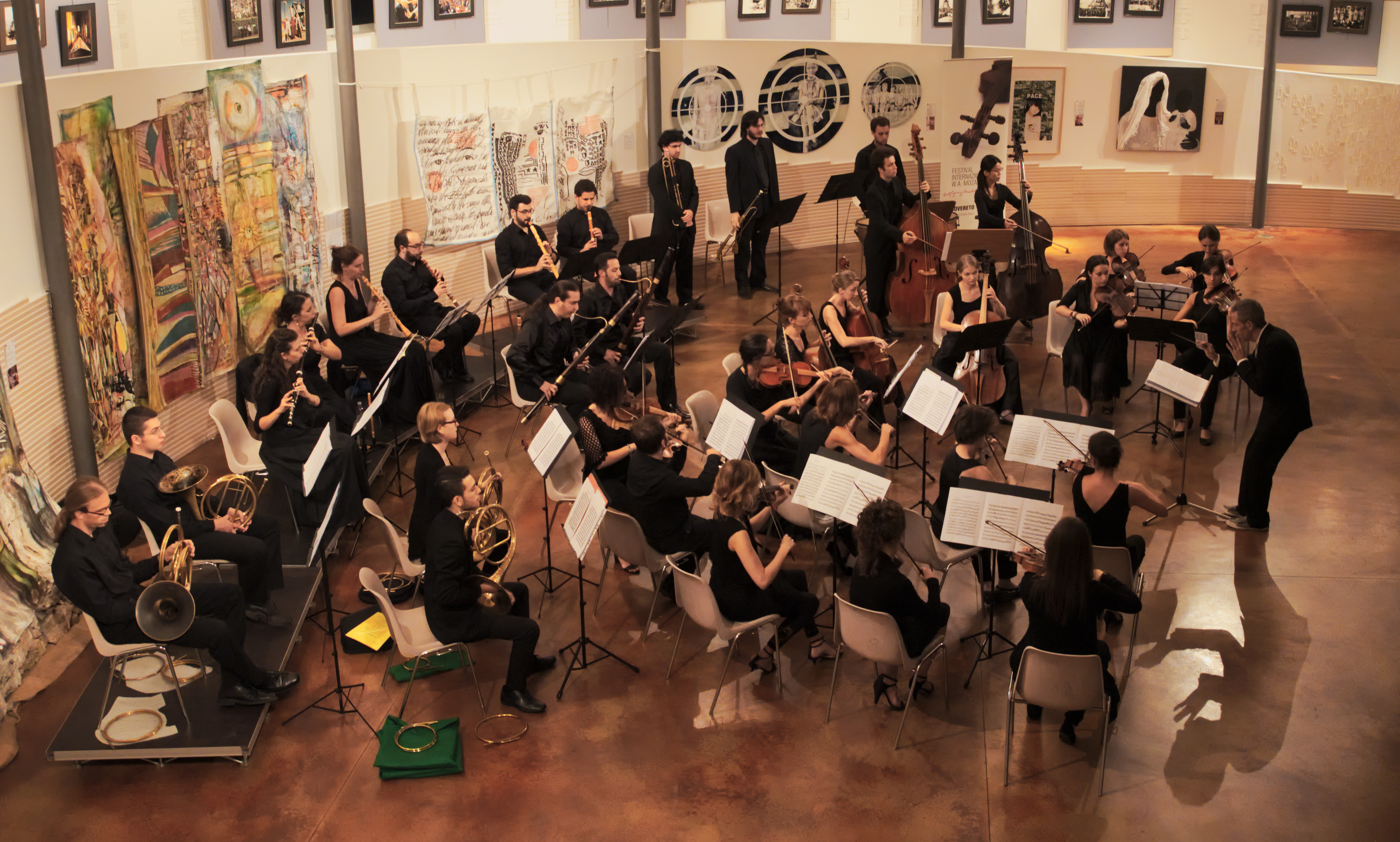
During the Tybo’s days in Venice, musicians admitted to the workshop will live a total immersion in music and in study, either through performance under the guidance of our conductors, whether through lectures given by three important musicologists.

Every day candidates will rehearsal both in orchestra (with Claudio Astronio), both in wind or string ensembles (with Alfredo Bernardini and Chiara Banchini): each director has chosen to work on a specific repertoire. So, orchestral rehearsals will be dedicated to Symphony in Eb Vb144 by Joseph Martin Kraus, one of TYBO’s favourite composers. Chiara Banchini will work on Sestetto in Eb Op. 23 n. 1 by Luigi Boccherini, in continuity with the work that the Swiss violinist carried out in recent TYBO tours. Wind players will rehearsal under the guidance of Alfredo Bernardini on Mozart’s Divertimento in F KV 213 and Haydn’s Divertimento in F Hob II:23; Bernardini will also work with winds and strings together: Bach’s Quintetto in D Op. 11 n. 6, Boccherini’s Notturno in Eb Op. 38 n. 1 and Pleyel’s Quintetto in Eb Op. 18 n. 3 are scheduled.

Besides rehearsals and performances we’ll have music lectures too: Christine Siegert (Professor at Beethoven Haus, Bonn) will give a lecture about “Beethoven’s symphonies as chamber music”; Marco Mangani (Professor at Università di Ferrara) about “The symphonic cycle of movements in German and Austrian music, and the question of menuet”; the last lecture will be given by Gabriele Rossi Rognoni (Professor at Royal College of Music, London): “From Pre-Classical to Classical orchestra in German countries: an organological perspective”.

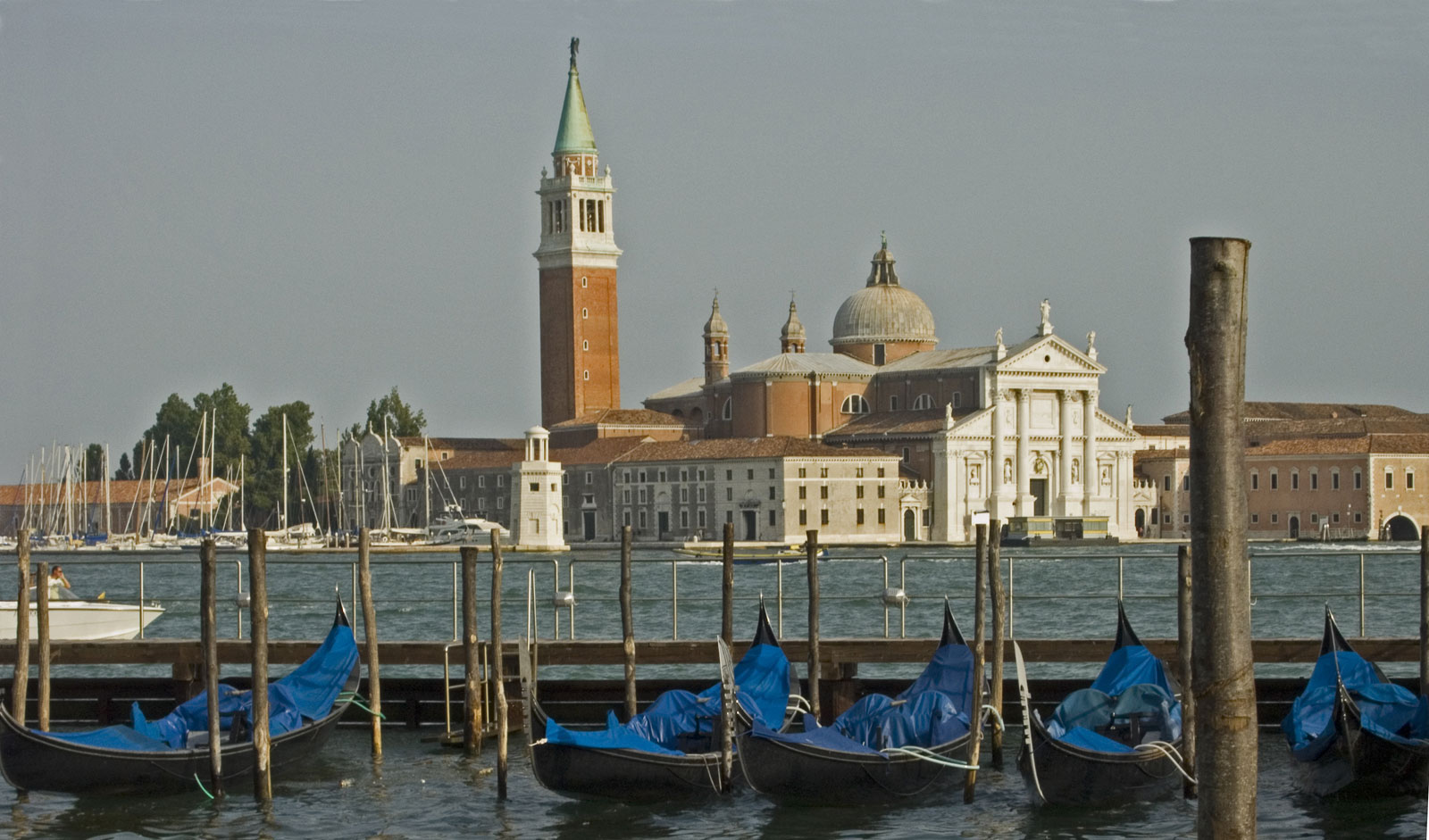
This rich program of lectures will take place thanks to the collaboration with Fondazione Giorgio Cini and Istituto per la Musica (Institute for Music): the director Gianmario Borio has explained us that “the Institute pays a special attention to the so-called ‘artistic research’, i.e. the range in which performance and musicological research meet, and where the practice of music itself is already understood as an embryo research.”

About the collaboration of Istituto per la Musica with Theresia Youth Baroque Orchestra, Gianmario Borio says that “as a matter of fact, the project with Theresia is one of the moments when I try precisely this kind of meeting, and I am confident that it will be a success. The three musicologists invited to give the lectures are well aware of the kind of audience they will face; on the other hand, the Theresia musicians have already been channeled within a certain frame of mind: as well as being performers of considerable level, they know the importance of the study of the sources, the survey on historical instruments, the knowledge of the notation. In short, I am confident that there will be a great mutual willingness and I am happy that the structure in which the workshop will take place encourages this sort of encounter.”
Gianmario Borio e i volti della Musica

By Emilia Campagna - April 26, 2016
Il Direttore dell'Istituto per la Musica della Fondazione Giorgio Cini Gianmario Borio racconta le attività di ricerca dell'Istituto e la collaborazione con Theresia

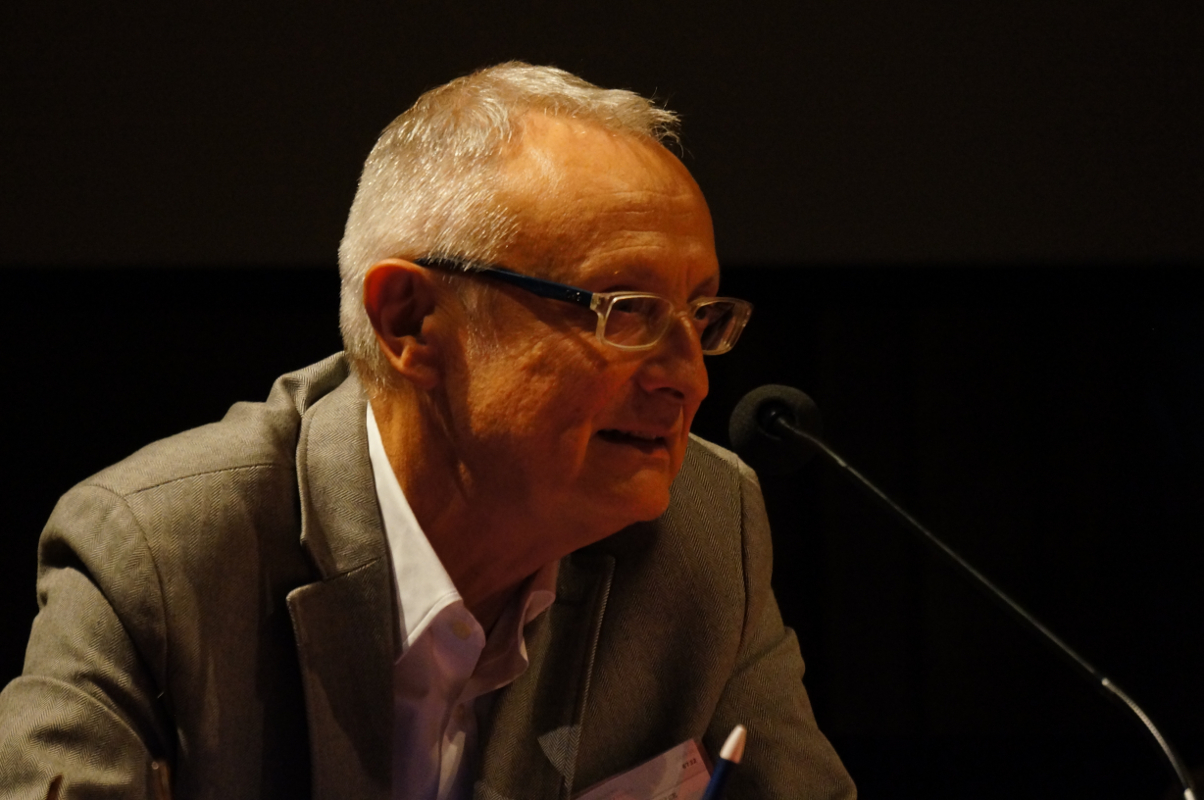
Il workshop che Theresia Youth Baroque Orchestra terrà tra pochi giorni sull’Isola di San Giorgio Maggiore a Venezia è realizzato in collaborazione con la Fondazione Giorgio Cini e con l’Istituto per la Musica che della Fondazione è parte integrante: abbiamo raggiunto telefonicamente il musicologo Gianmario Borio, per farci raccontare le attività dell’Istituto e capire le implicazioni di questa nuova importante collaborazione.

Professor Gianmario Borio, Lei è direttore dell’Istituto per la Musica della Fondazione Giorgio Cini: quali sono le attività principali dell’istituto?

“L’Istituto per la Musica è stato fondato nel 1985, io ne sono direttore dal 2012. Definirei l’Istituto come un Giano bifronte. Da un lato c’è l’archivio, che raccoglie fondi relativi a una ventina di compositori del XX secolo, e dunque l’Istituto si occupa di schedatura e inventariazione di questi materiali. Senza false modestie, ci collochiamo all’avanguardia in questo settore: un paio di anni fa in un convegno degli archivi europei è emerso con chiarezza il livello di eccellenza che l’Istituto per la Musica ha raggiunto nella schedatura e nelle modalità di gestione archivistica. Dall’altro lato c’è la ricerca, che naturalmente si aggancia all’archivio e lo valorizza. Per non far torto a nessuno dei “miei” compositori, il nostro programma di ricerca non è impostato in senso monografico ma si articola per “cluster” nei quali si possono stabilire relazioni tra diversi stili e tendenze. In quest’ambito abbiamo di recente prestato un’attenzione particolare alla cosiddetta ‘artistic research’, ovvero a quell’area in cui performance e indagine musicologica si incontrano, e in cui la pratica della musica è intesa già come un embrione della ricerca.”

Questo è molto interessante, perché musicologia e performance vengono talvolta giudicate distanti: i musicologi vengono accusati di troppo accademismo e gli strumentisti di scarsa conoscenza della storia della musica. Sono solo stereotipi? Qual è il punto di contatto tra questi due approcci alla musica?

“Ci sono effettivamente dei problemi nella relazione tra ricerca ed esecuzione: un primo grande problema è quello dei rapporti tra Conservatori ed Università, rapporti tesi e problematici. Io sono un accademico, quindi non darò in questa sede la mia versione dei fatti, che potrebbe essere giudicata di parte. Ma che ci siano delle problematiche – in tutto il mondo, in realtà, ma in Italia in modo particolare – è un dato di fatto. Poi c’è da dire che negli ultimi decenni la ricerca musicologica si è molto raffinata e chi dedica sei, sette ore allo studio di uno strumento – impegno minimo per un professionista – non ha sicuramente la testa e il tempo per praticare la ricerca ai livelli che ormai sono lo standard, e quindi l’esecutore rischia di fare una ricerca annacquata. Di fronte a questi problemi il mio atteggiamento è quello di non tirarsi indietro: sono sfide da affrontare perché la necessità di un raccordo tra i due mondi è importante. Una delle risposte possibili è quella di progetti mirati grazie ai quali mettere in relazione ricerca e performance. Su questo verteranno ad esempio due manifestazioni in programma nei prossimi mesi: un workshop sulla chitarra nelle composizioni di Mauricio Kagel, Giacomo Manzoni e Fausto Romitelli e un convegno internazionale, organizzato insieme all’Istituto Interculturale di Studi Musicali Comparati, che ha come oggetto la performance in diversi ambiti musicali (jazz, musica etnica, contemporanea, barocca).”

Nella collaborazione dell’Istituto con Theresia Youth Baroque Orchestra si realizzerà questo raccordo?

“Sì: il progetto con TYBO è in effetti uno dei momenti in cui io cerco proprio questo tipo di incontro, e sono fiducioso che avverrà positivamente. Innanzitutto abbiamo invitato tre musicologi a tenere alcune lezioni, e sono ben consapevoli del tipo di platea che avranno di fronte; dall’altro lato, i musicisti di Theresia sono già incanalati entro una certa forma mentale: oltre a essere esecutori di notevole livello, conoscono l’importanza dello studio delle fonti, dell’indagine sugli strumenti storici, della conoscenza della notazione. Insomma, io sono fiducioso che ci sarà una grande disponibilità reciproca e ben felice che la struttura in cui il workshop avrà luogo favorisca questo tipo di incontro.”

La collaborazione dell’Istituto all’organizzazione del workshop e audizioni di Theresia Youth Baroque Orchestra: è un’iniziativa che rientra nelle normali attività o rappresenta una novità?

“Dicevo prima che l’Istituto per la Musica ha una doppia identità: l’archivio e la ricerca. E’ apparentemente assente la performance, ma non è una scelta ideologica, è invece una necessità legata alle limitazioni del budget. In questo senso è preziosa la collaborazione con altre realtà: da anni la Fondazione Giorgio Cini ospita le masterclass dell’Accademia Georg Solti; il progetto con TYBO si inserisce in questo filone.”

Theresia Youth Baroque Orchestra nasce all’interno di un progetto di mecenatismo privato: alla luce del panorama attuale dell’organizzazione culturale in Italia lei come valuta questo progetto?

“E’ chiaro che il modello del sostegno statale non è destinato a durare. Io non so se sia un bene o un male; ho imparato ad essere pragmatico e quindi prendo atto di questo processo. Del resto conosco bene gli Stati Uniti, dove il finanziamento privato alla cultura è essenziale: uno dei vantaggi è il fatto (e la necessità) di conoscersi, di instaurare un rapporto personale tra chi mette a disposizione denaro e chi lo usa. E’ chiaro che entrambe le parti sono tenute a un maggiore impegno e che in un certo senso questo sistema può essere faticoso. Il finanziatore deve avere uno spiccato interesse, una passione per gli eventi culturali, ritenere la cultura una componente fondamentale per la propria immagine; chi invece impiega tali finanziamenti deve avere la piena consapevolezza e sentire la responsabilità per l’efficacia e le ripercussioni sociali delle proprie azioni.”

“Zoroastro”, the teaser has been released

By Emilia Campagna - April 21, 2016
Waiting for theatrical release, enjoy the teaser of Zoroastro

BLIQ Film has finished the post production of “Zoroastro. Io, Casanova”, the movie in which Tybo is among the players performing Rameau’s music conducted by Claudio Astronio.

As Kublai film, associated to the production, writes on its Facebook page, “here it is the teaser of the concert-movie ‘Zoroastro. Io, Casanova’ produced with BLIQfilm. Enjoy this short tasting, waiting for theatrical and TV release. Without false modesty, this time we have truly overcome ourselves: this complex and ambitious productions has come out in the best way. It is definitely an important step in our growth path and in our relation with our favourite director, Gianni Di Capua. It has been a huge team work, with an exceptional photography director, Giovanni Andreotta, and a group of players beyond description: Galatea Ranzi, Carlotta Plebs and Theresia Youth Baroque Orchestra. And the Cinema Room equipments are a guarantee.

Theatrical release is scheduled for autumn 2016. In the meantime, enjoy the trailer and stay tuned!

With Theresia, with passion

By Emilia Campagna - April 4, 2016
Many aspiring to access to the workshop of Theresia: aftermath the subscription deadline, have a look at some numbers

[highlighted_p boxed=”false” center=”false”]translation by Charlotte Michi[/highlighted_p]

122 subscribers willing to take part to the workshop, only 35 places available: these are the numbers the day after the deadline for submitting to the auditions & workshops that Theresia will organize in Venice from the 4th to the 7th of May. There is hunger for orchestra, there is hunger for Theresia. Of course we expected a higher number of registrations compared to the number of places available, but those figures have surprised us – positively.

The candidates come from 30 different countries: Italy ahead (32 subscribers), followed by Spain (18), France (16), Poland (11) and United Kingdom (5); and then a series of mostly non-European nationalities: we received subscriptions from Brazilian musicians, Canadians, Chileans, Taiwanese, Indonesians and Australians! Finally, the average age is 24 years (the subscriptions where open to musicians younger than 28 years old).

Now it’s up to the three conductors – Claudio Astronio, Chiara Banchini and Alfredo Bernardini – and to the artistic director Mario Martinoli to identify, according to the curriculum and the video received, the 35 musicians that will take part to the stage: there they will prove themselves in the orchestral and chamber workshops and then be selected for the next productions of Theresia Youth Baroque Orchestra.

thank you - auditions 2016

Con Theresia, appassionatamente

By Emilia Campagna - April 4, 2016
Molti gli aspiranti ad accedere al workshop di Theresia: all'indomani della scadenza delle iscrizioni, vi diamo qualche numero

122 iscritti al workshop su 35 posti disponibili: questi i numeri il giorno dopo la deadline delle iscrizioni per partecipare allo stage con audizioni che Theresia organizza a Venezia dal 4 al 7 maggio. C’è fame di orchestra, c’è fame di Theresia. Certo, ci aspettavamo un numero di iscrizioni superiore ai posti disponibili, ma queste cifre ci hanno colto – molto positivamente – di sorpresa.

I candidati provengono da 30 paesi diversi: in testa l’Italia (32 iscritti), seguita da Spagna (18), Francia (16), Polonia (11) e Inghilterra (5); e poi una sfilza di nazionalità in maggioranza extraeuropee: sono arrivate iscrizioni di musicisti brasiliani, canadesi, cileni, taiwanesi, indonesiani e australiani! Infine, l’età media è di 24 anni (le iscrizioni erano riservate a minori di 28 anni).

Ora spetta ai tre direttori – Claudio Astronio, Chiara Banchini e Alfredo Bernardini – e al direttore artistico Mario Martinoli individuare, sulla base dei curriculum e del video inviato, i 35 musicisti che parteciperanno allo stage: lì potranno dimostrare quanto valgono nei workshop orchestrali e cameristici ed essere in seguito selezionati per le prossime produzioni di Theresia Youth Baroque Orchestra.

thank you - auditions 2016

Claudio Astronio: “Auditions for Theresia, a wonderful opportunity”

By Emilia Campagna - March 24, 2016
translation by Charlotte Michi Claudio Astronio is the conductor who better knows Theresia: with him the orchestra made its debut in November 2012; with him the orchestra has grown in this years thank to many orchestral workshops, until the last wonderful effort, the film-concert “Zoroastro”, which will soon be presented to the public. Beside to […]

translation by Charlotte Michi

Claudio Astronio is the conductor who better knows Theresia: with him the orchestra made its debut in November 2012; with him the orchestra has grown in this years thank to many orchestral workshops, until the last wonderful effort, the film-concert “Zoroastro”, which will soon be presented to the public. Beside to the many productions, Astronio has participated to all the auditions to select TYBO’s musicians in these years: of course he will be there also this year, to kick off the new workshop’s formula in which the applicants will be selected not through a simple audition but during three days of intense orchestral and chamber music work.

What do you think about this formula?

All the best: it’s an extreme positive thing for all of us, and it contains in itself many elements that help to further develop the Theresia educational project. We avoid the short classical auditions and we connect all the candidates with their colleagues, with musicians who have already been part of the orchestra and with the conductors: with me there will be Alfredo Bernardini, starting his collaboration with Theresia, and Chiara Banchini, who has already done some projects with the orchestra. 

What will the program of the orchestra rehearsals be? From the conductor’s point of view what are the positive sides of this formula?

I will work mainly on the music of Martin Kraus, a very important composer for the repertoire of Theresia. For me it will be very important to see the musicians at work, in interaction with each other. There will be orchestral rehearsals but also section rehearsals, for strings alone and for winds alone.

The workshop will be a “virtual” orchestral stage, meaning that the study won’t be aimed at preparing the concert: will this change the way you work and your expectations?

Only partially: for sure there will be less stress, at least as far as I am concerned, in any case every time that we will be together to rehearse I expect the best from the musicians. That’s what a good football coach would say: we go forward match by match, and when we go on stage the work starts, the most important thing. And it doesnt’ matter if there is to prepare a concert or not.

What is more important, the individual technique or the ability to play together?

Both things are necessary but in a team the ability of working together is fundamental: I don’t search for a soloist attitude that creates problems in the group. On the other side, Theresia gives value to individual talents: all he soloists that have performed with Theresia come directly from the orchestra, they have worked with great humility, using individual talent to serve the group.

Which suggestions would you give to a candidate of the auditions?

First of all to be very well prepared, because the level of the young musicians that study in European schools is very high. And to be prepared to work in team, to networking, to seize the opportunities: joining Theresia Youth Baroque Orchestra means to start working seriously, not only for the excellent professional training achieved in orchestra but also for the encounters that can occur and from which further opportunities can arise. In conclusion, the suggestion that I give to everybody is: study a lot and play happily.

[button url=”/orchestra/auditions” new_tab=”false” size=”medium” style=”solid” color=”false” light=”false”]WORKSHOPS AND AUDITIONS[/button]

Claudio Astronio: “Audizioni per Theresia, una splendida opportunità”

By Emilia Campagna - March 18, 2016
Claudio Astronio parla delle audizioni di Theresia in programma a maggio a Venezia

Claudio Astronio è il direttore che meglio conosce Theresia: con lui l’orchestra ha debuttato nel novembre del 2012, con lui è cresciuta in questi anni in numerosi stage, fino all’ultima splendida fatica, quella del film-concerto “Zoroastro” che sarà presto presentato al pubblico. E oltre alle numerose produzioni, Astronio ha partecipato a tutte le audizioni che in questi anni hanno selezionato i musicisti di TYBO: naturalmente ci sarà anche quest’anno, per inaugurare la nuova formula di workshop in cui i candidati saranno selezionati non attraverso una semplice audizione ma durante tre giorni di intenso lavoro orchestrale e cameristico.

Cosa pensa di questa formula?

“Tutto il bene possibile: è una cosa estremamente positiva per tutti, e contiene in sè molteplici elementi che contribuiscono a sviluppare ulteriormente il progetto di formazione di Theresia. Evitiamo l’audizione secca e mettiamo in contatto tutti i candidati con i loro colleghi, con musicisti che già fanno parte dell’orchestra e con i direttori: con me ci saranno Alfredo Bernardini, che inizia la sua collaborazione con Theresia, e Chiara Banchini, che ha già fatto alcuni progetti con l’orchestra.”

Quale sarà il programma delle prove d’orchestra? E dal punto di vista del direttore quali sono i lati positivi di questa formula?

“Lavorerò principalmente su musiche di Martin Kraus, che è un compositore molto importante nel repertorio theresiano e per me conterà molto il fatto di vedere i musicisti all’opera, al lavoro, nell’interazione gli uni con gli altri. Ci saranno prove d’orchestra ma anche di sezione, per soli archi e soli fiati.”

Il workshop sarà uno stage orchestrale “virtuale”, nel senso che lo studio non sarà finalizzato a preparare il concerto: questo cambierà il suo modo di lavorare e le sue aspettative?

“Solo in parte: è vero che ci sarà meno stress, almeno per quello che mi riguarda, ma in ogni caso ogni volta che ci si trova assieme per provare mi aspetto il massimo dai musicisti. E’ quello che direbbe un bravo allenatore di calcio: si va avanti partita per partita, e nel momento stesso in cui salgo sul palco quello è lavoro, è la cosa più importante, che ci sia da preparare un concerto oppure no.”

E’ più importante la tecnica individuale o la capacità di suonare assieme?

“Servono entrambe ma in una squadra è ovvio che il lavoro di assieme è fondamentale: ciò che non cerco è un certo atteggiamento da solisti che nel gruppo poi crea problemi. Non che Theresia non valorizzi i talenti individuali, anzi i solisti che ha avuto escono direttamente dalle sue fila, da un lavoro di grande umiltà in cui si mette il proprio talento al servizio del gruppo.”

E quali consigli darebbe a un candidato a queste audizioni?

“Innanzitutto di essere molto preparati, perchè il livello dei giovani che escono dalle scuole europee è molto alto. E poi di essere pronti al lavoro di squadra, a fare rete, a cogliere le opportunità: entrare in Theresia vuole dire iniziare a lavorare sul serio, non solo per l’ottima formazione professionale che si ha in orchestra ma anche per gli incontri che si possono fare e da cui nascono ulteriori occasioni. Insomma, il consiglio che do a tutti è: studiare tanto, suonare felici.”

[button url=”/orchestra/auditions” new_tab=”false” size=”medium” style=”solid” color=”false” light=”false”]WORKSHOP E AUDIZIONI[/button]

Meet Theresia: TYBO faces!

By Emilia Campagna - March 16, 2016
What does it mean to be a TYBO face?

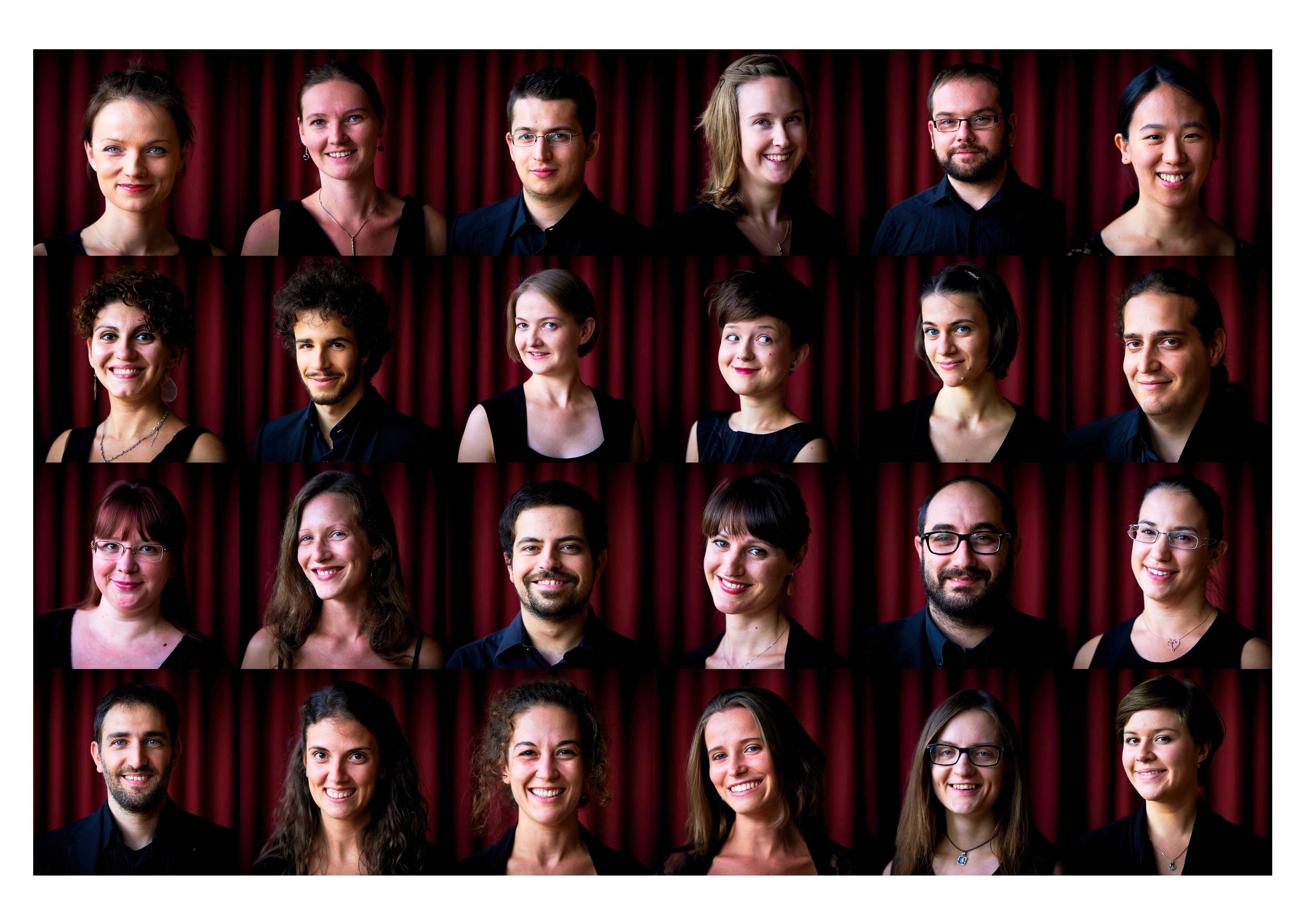
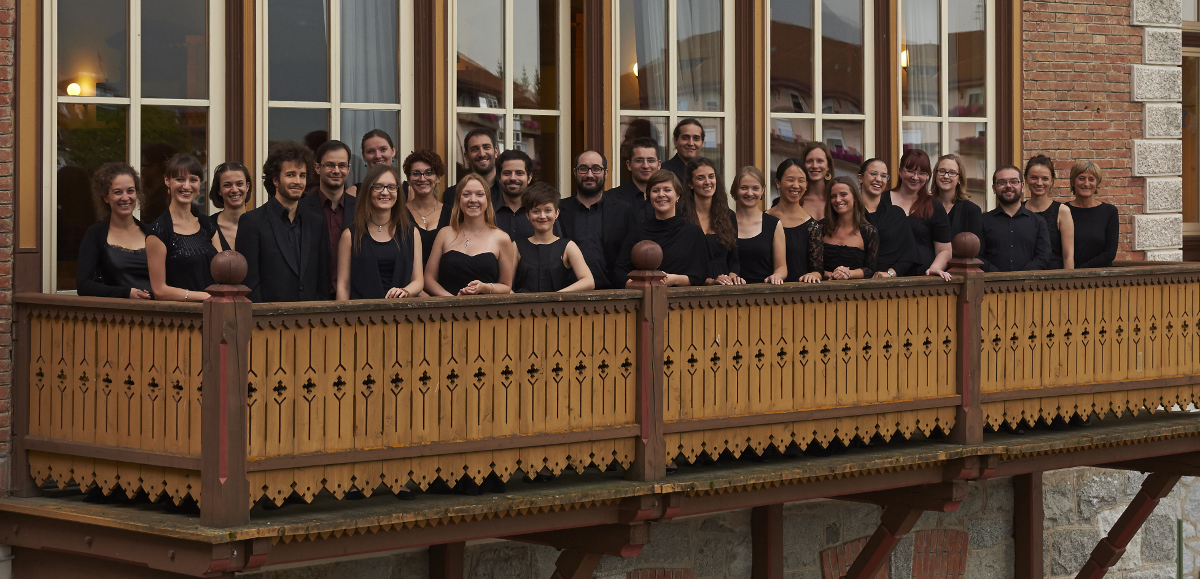
What does it mean to be a TYBO face? Well, you can find it out watching our video, or browsing the interviews in the “Meet Theresia” series: anyhow, being a Tybo face means being part of a beautiful and unique cultural and musical project.

Theresia Youth Baroque Orchestra is a professional symphonic orchestra open to young musicians under 30 years of age coming from the major European early music schools and institutes: our double aim is to help young musical talents to grow professionally and to promote the performance of Classic repertoire on period instruments.

Every year Theresia looks for new musicians: now we are going to select new musicians that will take part in TYBO’s musical stages and orchestral projects in 2016-2019. Workshops and auditions are scheduled in May in Venice: find more informations following the link below.

[button url=”/orchestra/auditions” new_tab=”false” size=”medium” style=”solid” color=”false” light=”false”]WORKSHOPS & AUDITIONS[/button]

TYBO face


Theresia calls for musicians!

By Emilia Campagna - March 15, 2016
2016 AUDITIONS AND WORKSHOPS If you haven’t done it yet, there is still time for applying Theresia auditions & workshops. We are going to select new musicians that will take part in TYBO’s musical stages and orchestral projects in 2016-2019. So, what are you waiting for? If you play VIOLIN, VIOLA, CELLO, DOUBLE BASS, FLUTE, […]

2016 AUDITIONS AND WORKSHOPS

If you haven’t done it yet, there is still time for applying Theresia auditions & workshops. We are going to select new musicians that will take part in TYBO’s musical stages and orchestral projects in 2016-2019.

So, what are you waiting for? If you play VIOLIN, VIOLA, CELLO, DOUBLE BASS, FLUTE, OBOE, HORN, BASSOON, CLARINET or TRUMPET, have a depth knowledge of performance praxis on authentic instruments and use an authentic instrument or a copy of an authentic instrument, Theresia is the right place for you.

Download the regulation now!

Tutti pazzi per il crowdfunding

By Emilia Campagna - March 11, 2016
Sono sempre di più le realtà del mondo musicale che si affidano al crowdfunding per sostenere le proprie attività

In Italia il caso più recente è quello dell’Orchestra Mozart, che si affida al crowdfunding per risollevarsi dall’oblio in cui era caduta due anni fa dopo la morte del suo fondatore Claudio Abbado. Ora la Mozart vuole “risuonare” e lo fa con una campagna di crowdfunding in cui chiede ai propri sostenitori un investimento per un futuro ancora tutto da disegnare: in programma, per ora, un unico concerto barocco che, il 13 marzo, dovrebbe convogliare risorse e rilanciare l’attività dell’orchestra. Insomma, il messaggio è: “Aiutateci a ripartire”, perchè evidentemente i fondi messi a disposizione da sponsor pubblici e privati non sono sufficienti.

Di casi di istituzioni costrette a fermarsi o sull’orlo della bancarotta a causa del taglio dei fondi pubblici e salvate dal crowdfunding ce ne sono parecchi: vi avevamo raccontato della Danish National Chamber Orchestra, ripartita grazie al crowdfunding; e un paio di anni fa anche l’Opera di San Diego è riuscita a rimettersi in piedi con una raccolta di 1 milione di dollari.

Altrove le imprese sono meno da “o il crowdfunding o la morte”: nella ricca Svizzera c’è chi guarda ai privati per dotare l’orchestra di nuovi strumenti: è il caso dell’Orchestra della Svizzera Romanza che ha lanciato una campagna di raccolta fondi che è più un fundraising che un crowdfunding; ma la sostanza non cambia, come racconta la giornalista Sylvie Bonier su Le Temps. “Nel momento in cui le sovvenzioni pubbliche calano sempre di più, la raccolta fondi è diventata più essenziale che mai. Perché puntare sull’acquisto di nuovi strumenti? “Perché la qualità e l’identità di un’orchestra passano anche attraverso i suoi strumenti, e i musicisti non possono prenderli in prestito per tutta la vita. Da parte nostra, non abbiamo i fondi a disposizione per comprare gli strumenti, anche se sono indispensabili“, dice il presidente della Fondazione Florence Notter, iniziatore del progetto.”

C’è poi chi, nell’autentico spirito del crowdfunder, lancia progetti più piccoli e definiti: Abaco, un’orchestra giovanile con sede a Monaco di Baviera ha raccolto più di 13.000 Euro per affittare l’auditorium della Filarmonica di Monaco ed eseguirci la Seconda di Mahler; e l’Opera di Vancouver ha raccolto 10.000 dollari canadesi grazie ai quali ha portato l’opera contemporanea Stickboy in giro per le scuole. E c’è poi chi con il crowdfunding realizza progetti ancora più particolari: mai sentito parlare di un pub votato alla musica classica? Adesso esiste, merito del crowdfunding.