La Gran Bretagna ha votato “Brexit”: anche se la maggioranza è risicata, il voto è comunque netto, e molto realisticamente la conseguenza sarà – anche se si è trattato di una consultazione non vincolante – l’uscita dall’Europa della Gran Bretagna.
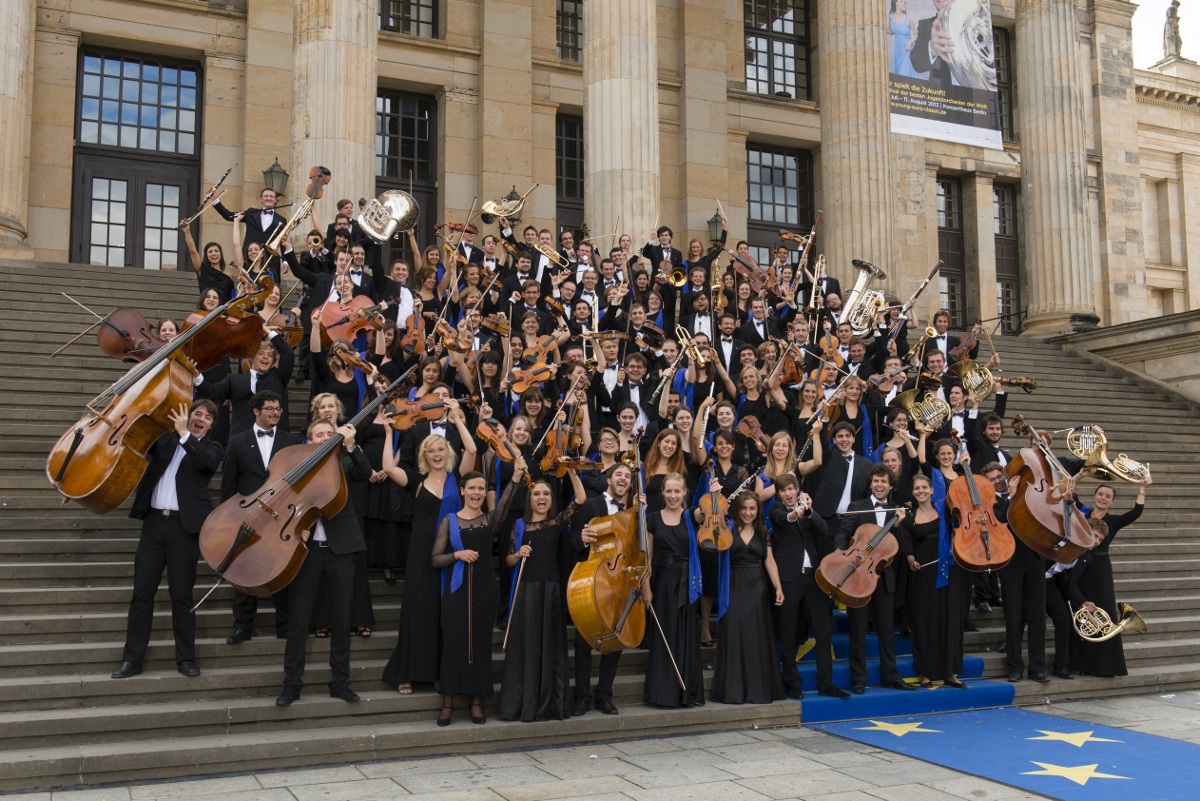
Si rincorrono le analisi politiche ed economiche del dopo referendum, ma quali saranno le conseguenze nel mondo della musica? A poche ore dal voto, lo staff amministrativo dell’Eubo, l’Orchestra Barocca dell’Unione Europea, ha emanato un comunicato, in cui Paul James, Emma Wilkinson e Noora Heiskanen dichiarano di essere “scioccati e tristi per il risultato del referendum nel Regno Unito, e preoccupati delle conseguenze che vi saranno per Eubo, per il mondo musicale e per l’Europa.” Al di là della caduta degli ideali culturali e politici comunitari che hanno animato Eubo (attiva da 30 anni) così come altre iniziative, lo staff si dichiara preoccupato di un probabile “fall-out per il nostro settore a causa della reintroduzione di visti, permessi di lavoro e normative doganali, che sarà dannosa per tutti i musicisti europei, limitando gravemente la loro capacità di muoversi e lavorare liberamente in tutta Europa.” L’attività dell’orchestra per i prossimi anni non è in forse: i finanziamenti dell’Unione Europea sono garantiti fino al 2018 grazie al progetto pan-europeo EUBO Mobile Baroque Academy (EMBA), ma che futuro avrà un’orchestra dei giovani dell’Unione Europea con sede in Inghilterra?
Il magazine Classic Fm riporta altri commenti preoccupati di esponenti del modo musicale inglese: per Stephen Maddock, Amministratore Delegato della Birmingham Symphony Orchestra “il problema principale è ciò che questo significherà per la libera circolazione degli artisti in tutta Europa. Come tutte le orchestre, abbiamo beneficiato del flusso bidirezionale di musicisti e del fatto che viaggiare in Europa è molto facile. Ci chiediamo se e come tutto questo cambierà.” E il Royal College of Music ha emanato una comunicazione ufficiale in cui rivendica l’internazionalità della propria comunità di studenti e docenti e auspica che non vi siano cambiamenti nei rapporti con studenti provenienti dai paesi EU e coinvolti nei progetti Erasmus.
Più in generale, tutto il music business inglese potrebbe subire grosse conseguenze dall’uscita dalla UE: le major e le etichette indipendenti inglesi da questo punto in poi non potranno godere, ad esempio, degli effetti della legislazione europea sul copyright. Non solo: l’Inghilterra con la Brexit non avrà più voce nella Commisiione Europea che si occupa a tempo pieno della regolamentazione dei diritti d’autore.
C’è chi però minimizza l’allarme: al post apocalittico di Norman Lebrecht che sul suo blog Slipped Disc tuona: “Ora i musicisti non inglesi se ne dovranno andare dalla Gran Bretagna” più di un commentatore ricorda i numerosi cittadini extraeuropei che lavorano nelle orchestre inglesi; inoltre, ci sono almeno due anni per negoziare l’uscita dalla UE, e in due anni tutto può succedere.

 Speaking of Rovereto, did you know that the city administration is considering the idea to dedicate a street to Maria Theresia?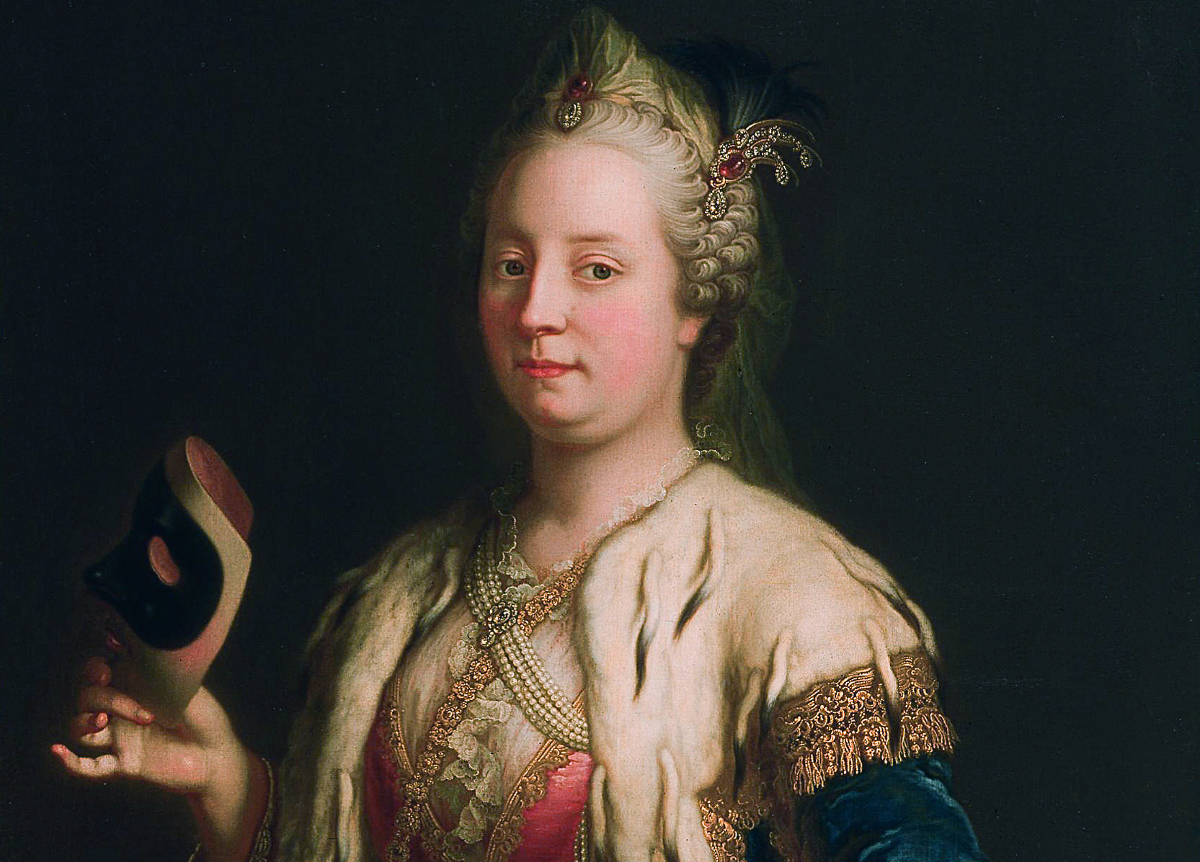

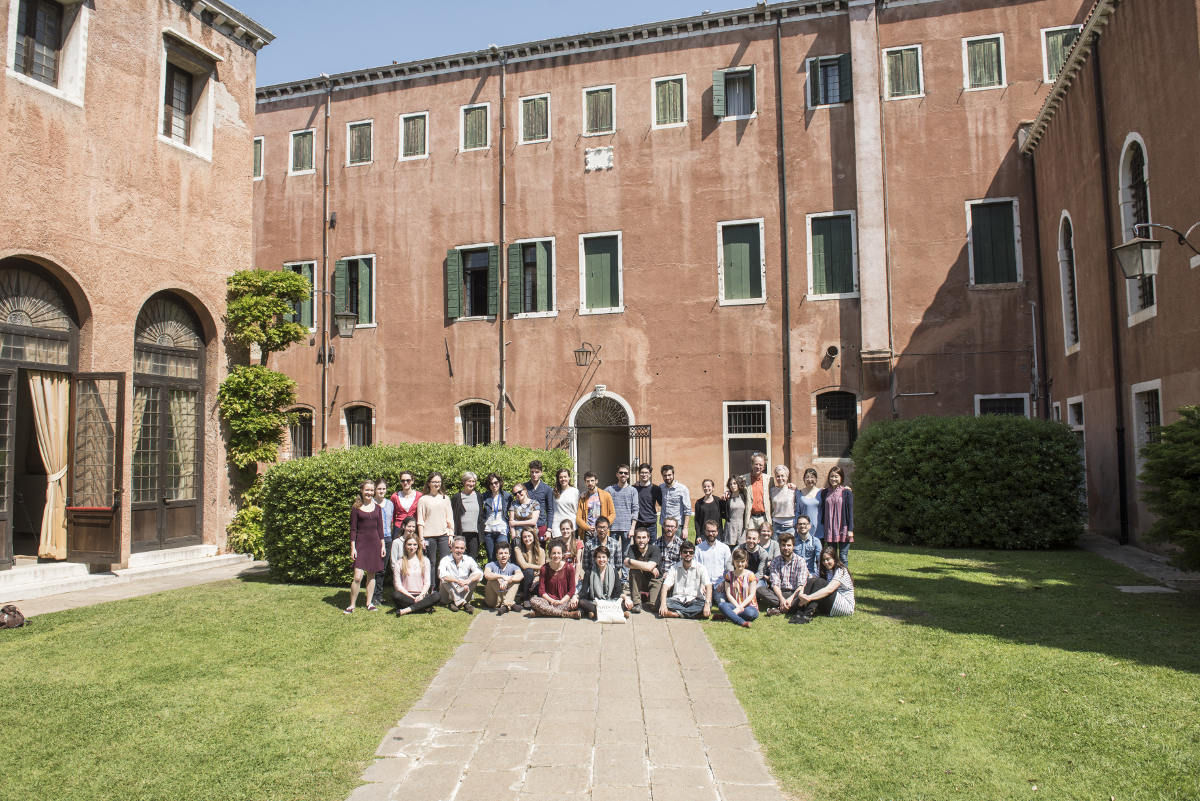
 It’s the first time that Taylor plays in a classic orchestra such as Theresia, where musicians perform the Eighteenth century’s repertoire on period instruments: “I have started to play natural horn two years ago: it all began during my Master course in Zurich, but unfortunately it couldn’t be part of my syllabus. So I had to move around looking for courses in Bruxelles and Germany. For this very reason I am so happy of being here.” Taylor knew about Theresia Youth Baroque Orchestra from a former school mate of his, our horn player Katryn Zevenbergen: “She’s from Colorado too: when we were youngest we were studying together for one year. Recently she told me about the orchestra and these very auditions: I applied and I think that for me it’s a good thing just to be here: we are working so well with TYBO’s conductors, because they give us a lot of historical information and details about the way of playing the music that we are studying: it’s not just a matter of rehearsal after rehearsal, I feel that all we are growing thanks to this workshop.”
 Zaynab Martin is 27: from England (“but my mother is from Austria, so I am Anglo-Austrian”), she is a double bass player and she lives in Amsterdam where she had a Master degree in 2014. “Now I am a freelance musician, playing only the period instrument with gut strings: job’s opportunities are growing, but I play most of all Baroque repertoire. It doesn’t happen so often that I can perform Classic repertoire, this is the principal reason because I’m here.” Zayab is rehearsing with all the three conductors here in Venice: “With Chiara Banchini we work a lot on the bow technique, looking for the right sound, the right articulation; Claudio Astronio is more concerned of balance, dynamics and tuning of the whole orchestra; with Bernardini we deepen the role of each instrument in the wind and string ensembles.” The workshop is also an audition: the best musicians will be chosen for next TYBO’s productions, but Zaynab doesn’t care too much: “First of all I am here because I wanted to have an experience in a Classic orchestra and I wanted to be coached again: I finished studying, I am a freelancer pro, it is good for me to be a learner again sometimes.”