Meet Theresia: #Archetybo testimonials

By Emilia Campagna - October 10, 2016
Here it is what our musicians think about #Archetybo

Leggi la versione italiana


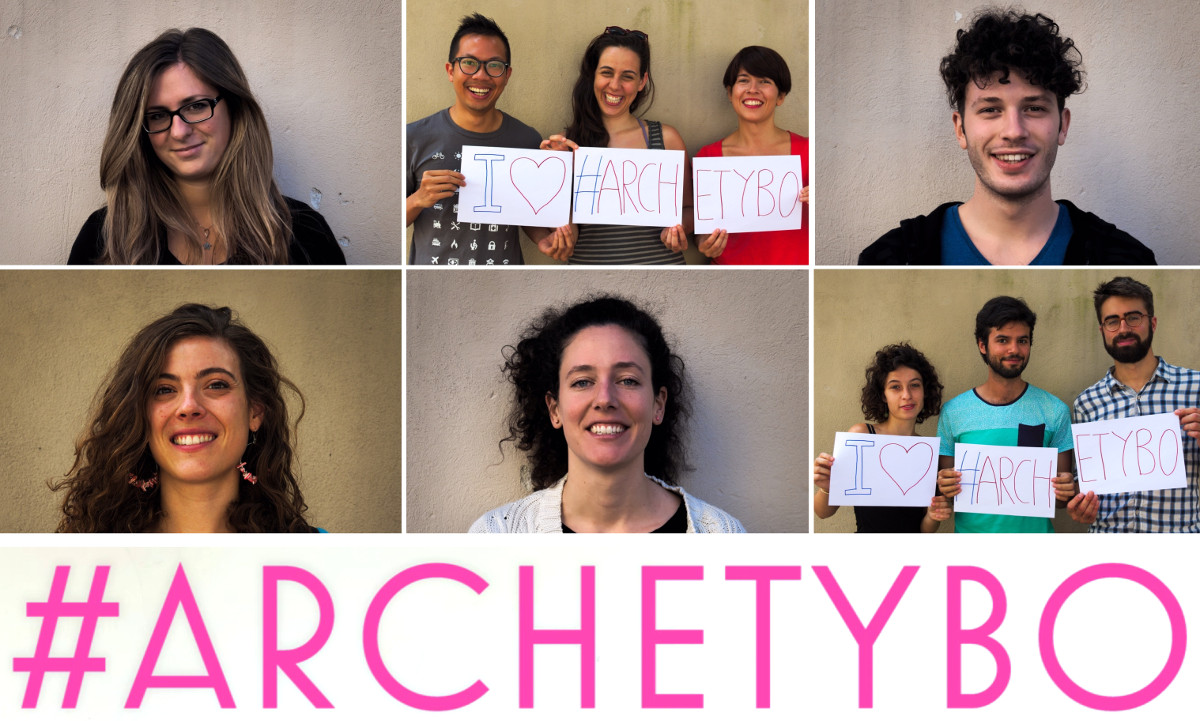
They are our best testimonials: the talented young musicians who play in Theresia know well the importance of #Archetybo, our crowdfunding campaign, and the meaningful goal of buying classic bows for the orchestra.

Let them explain you the importance of #Archetybo!

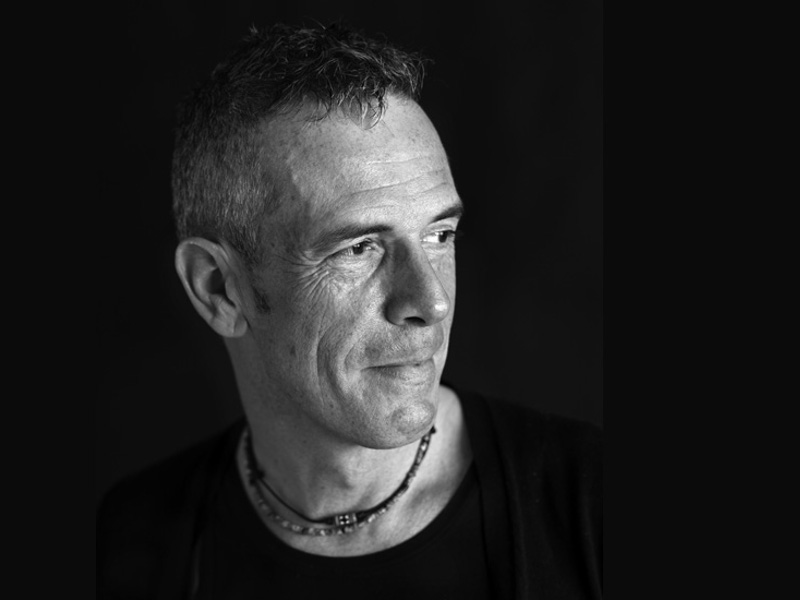
Simone Pirri

Simone Pirri: “Hello! I want to talk about #Archetybo! #Archetybo is a really important project, and it is important to keep supporting this initiative, because I think for musicians like us, that we play on period instruments: we think that period instruments are always related to baroque bows, but it’s so important to have classical bows, especially when we have to play this specific repertoire, which is the classical area. And we think the instrument is only the violin, but actually, the violin, or whatever string instrument, doesn’t play without a bow. And, you know, it’s really important to have a good quality bow, and I think because this crowdfunding project, #Archetybo, we hope we can have enough bows to try within the orchestral project.”

Noemy Gagnon-LafrenaisNoemy Gagnon-Lafrenais: “I think that the concept of funding bows, in order to have the members of the orchestra experience playing with a classical bow, makes a huge difference, so a project like #Archetybo will allow people who do not necessarily have the means to afford a classical bow, to come and play and get a really full experience of what it means to do historical performance.”

Gemma LongoniGemma Longoni: “#Archetybo is a project born in order to allow every member of this orchestra, which is a youth orchestra playing on period instruments, to have the most philological means according to the repertoire we play. In particular, classical bows are much more flexible, lissome and handy than the modern one, which is heavier and intended to have a very strong sound lunge. On the other hand, classic bows are longer and produce a deeper and bigger sound than the baroque ones, so they are the perfect middle way to perform preclassic and classic repertoire; having the most possible in orchestra makes easier to realize dynamics, articulations and phrasings that with a certain sort of bow come out naturally and in an instinctive way.”

Clara Rada GomezClara Rada Gomez: “#Archetybo is a very nice initiative of Theresia Youth Baroque Orchestra; this idea of the team of TYBO is to bring the possibility to the students who are here playing, to play with a classical bow because not everybody can pay and have a classical bow!”


[custom_heading center=”true”]Cosa pensano i Theresiani di #Archetybo?[/custom_heading]

Simone Pirri: “Ciao! Voglio parlarvi di #Archetybo, un progetto veramente importante, che è importante continuare a sostenere, pensando a musicisti come noi che suonano su strumenti originali: si pensa che suonare su strumenti originali voglia dure usare l’arco barocco, ma è altrettanto importante avere l’arco classico, specialmente quando si esegue questo specifico repertorio, quello del periodo classico. E spesso si pensa che lo strumento sia il violino e basta, ma in realtà il violino, così come gli altri strumenti ad arco, non suonano senza un arco. E quindi è importante avere un arco di buona qualità e penso che grazie a questo progetto di crowdfunding, #Archetybo, potremmo avere abbastanza archi in orchestra.”

Noemy Gagnon-Lafrenais: “Penso che l’idea di finanziare l’acquisto di archi per permettere ai membri dell’orchestra di suonare con un arco classico faccia davvero una grande differenza: un progetto come #Archetybo permetterà a persone che non hanno necessariamente i mezzi economici per procurarsi un arco classico di venire in Theresia a suonare e a fare un’esperienza davvero completa di cosa significhi suonare su strumenti originali.”

Gemma Longoni: “#Archetybo è un progetto che è nato per far sì che ogni persona di questa orchestra, che è un’orchestra giovanile su strumenti originali, possa avere dei mezzi il più possibile filologici per il repertorio che si affronta. In particolare gli archi classici sono archi molto più flessibili, duttili, e maneggevoli rispetto a quelli moderni che invece sono piuttosto pesanti e progettati per avere un affondo sonoro molto forte. Gli archi classici sono però più lunghi e con un suono più profondo e grande di quelli barocchi, quindi rappresentano una via di mezzo perfetta per affronare il repertorio preclassico e classico e il fatto di averne il più possibile in orchestra rende più efficace tutta una serie di dinamiche, articolazioni e fraseggi che con un certo tipo di arco vengono in maniera molto più naturale e istintiva.”

Clara Rada Gomez: “#Archetybo è una bellissima iniziativa della Theresia Youth Baroque Orchestra; l’idea dello staff di TYBO è di dare la possibilità ai giovani musicisti che suonano qui in orchestra di suonare con un arco classico, perchè non tutti hanno la possibilità di acquistarne uno!”
Our places: Sala Maffeiana

By Emilia Campagna - October 7, 2016
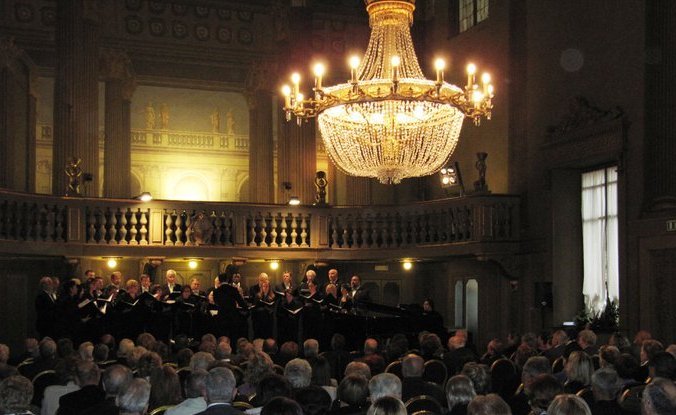
The concert in Verona will be held in the same venue where Mozart performed when he was fourteen, Sala Maffeiana

If Antiruggine, where we are going to play on Sunday, is an unconventional concert venue, the Sala Maffeiana (Maffeiana Hall), where we’ll play the day after, on the contrary, has been a concert venue for more than two centuries! In this very place on 5th January 1770, Mozart performed in front of all the members of Philharmonic Academy, and he astounded everybody with his amazing skill to the point that he was declared honorary Kapellmeister, even if he was just fourteen years old.

A portrait of the young Mozart, taken in 1770 during his stay in Verona

A portrait of the young Mozart, taken in 1770 during his stay in Verona

By the way, it is really a nice coincidence that we’ll perform Mozart’s Overture from Mitridate, whose first performance was in that same year in Milan. Musicians and audience may feel the spirit of the composer both in the place and in the music.

The Sala Maffeiana is part of the Teatro Filarmonico, and today it is the only intact part of the entire original building: it survived both the disasters that struck the Philharmonic: in 1749 the theater was almost destroyed by a fire, and on 23rd February 1945, during the II World War, it was severely damaged by bombing. But Sala Maffeiana luckily wasn’t damaged at all. The building is at the heart of Verona, in Piazza Bra and in front of the famous “Arena”.

As the Philarmonic Theater is the venue for the opera and the symphony concert season, the Sala Maffeiana hosts chamber music and, every year, the important “Settembre dell’Accademia” Festival, which this year in the main season has hosted the  London Symphony Orchestra, the Filarmonica della Scala, the Orchestra Filarmonica di Santa Cecilia, besides other exceptional musicians.  Theresia’s concert in Verona will be the last of this edition, so we are very proud of this new and prestigious collaboration.

Our places: Antiruggine

By Emilia Campagna - October 4, 2016
A former industrial shed, "Antiruggine", will host the next concert of Theresia in Castelfranco Veneto. A special place with a special name because, as Antiruggine's founder says "as antirust removes encrustations from the iron, so the music should remove the mental ones."

The name is anything but usual, and at the same time it is full of meaning: Antiruggine, i.e. rust preventer, is the name of the place in which Theresia will perform its concert on Sunday 9th October. It is a new venue, and as it often happens to us, a place whose importance goes beyond the music.

Antiruggine is a former industrial shed in which for the last ten years the celebrated Italian cellist Mario Brunello and his wife have been hosting expositions, concerts, lectures: its name is “Antiruggine” because – as the “Manifesto” says on its website – “in the “shed”, place that we will use to create thoughts and ideas, once they used to work iron. It was hard work, made of fire and earth, that tenacity, passion, intelligence could bend and shape.” In the same way “we do not leave our minds to rust.” As Brunello often says, “as antirust removes encrustations from the iron, so the music should remove the mental ones.”

Being an unconventional venue for cultural events, Antiruggine doesn’t have an established calendar of initiatives; the events are programmed from time to time, and, above all, the organizers try to put together different languages: pairing a lecture with a concert, an exposition with a film projection, and so on. Everything is open and addressed to open minds. The relation with the public is just like that: there is no entry ticket, but it doesn’t mean it is free entry: it is a “responsible entry“, which means that everybody has the responsibility to decide how much to pay for each event.

In these days Antiruggine is hosting a photography exposition, “Delle civiltà al limite” (“Civilizations on the edge”), that can be visited on Saturday and Sunday till 12 November: it is an exposition with pictures by Massimo Branca, Igor Marchesan ed Emanuele Confortin. Massimo Branca and Igor Marchesan reportage shows how people in Bucarest live in underground houses, inside the manhole covers, along with street tribes of Gara de Nord. A small parallel society to the greatest, who created it and then forgotten it. The images by Emanuele Confortin document his reporting on the route of the migrants, from the Syrian border through Turkey, Greece along the Way of the Balkans. He lived in Idomeni Purgatory , the refugee camp “Shame of Europe”.

For those who are coming to the concert, it will be a very strong contrast: a mental shake perfectly in line with the aims of Antiruggine.

mostra-antiruggine

Theresia will perform at Antiruggine on Sunday 9 October at 9 p.m.: find more about the program reading the interview with conductor Claudio Astronio.

Claudio Astronio tra Mozart e Kraus

By Emilia Campagna - October 3, 2016
Il direttore di Theresia, Claudio Astronio, racconta un programma in cui nuovamente si incontrano le musiche di Mozart e Kraus, grandi compositori vissuti negli stessi anni

Read the english version

Da Vienna a Stoccolma, da Mozart a Kraus: nel suo nuovo stage, Theresia punta su un’abbinata di compositori che il pubblico dell’orchestra ama molto. Nei concerti in programma a Castelfranco Veneto e Verona si potranno ascoltare due Sinfonie e due Ouverture di entrambi i compositori, accomunati dall’anno di nascita (entrambi nacquero nel 1756 – Mozart a Salisburgo, Kraus a Miltenberg, in Germania; e curiosamente morirono a un solo anno di distanza), distanti nella “geografia” delle loro vicende professionali: quella di Mozart ebbe il suo centro a Vienna, mentre Kraus operò a Stoccolma, alla corte di Re Gustavo III.

L’accostamento non è nuovo per Theresia e soprattutto per il direttore Claudio Astronio che ci dice di avere “una vera passione per Kraus. A causa della coincidenza di date viene chiamato il Mozart svedese, a me invece piace chiamare Mozart il Kraus di Salisburgo.” Il programma è diviso esattamente a metà tra i due compositori, con un’Ouverture e una Sinfonia a testa, pagine che ben rappresentano lo stile e la personalità degli autori e che ci raccontano anche momenti importanti delle loro vite: “Di Mozart eseguiremo l’Ouverture dal Mitridate: si tratta di un’opera giovanile, che Mozart scrisse nel 1770, quindi era proprio un ragazzino. La prima esecuzione avvenne a Milano, al Teatro Ducale, e l’opera è su testo di Racine tradotto da Parini. Anche la Sinfonia K 201 è una pagina giovanile: è limpida, luminosa, ma anche straordinariamente articolata, con passi anticonvenzionali per i fiati.”

La parte dedicata a Kraus si apre con l’Ouverture della Proserpina: “Qui siamo nel 1781, a soli dieci anni di distanza dal Mitridate di Mozart: dieci anni che possono sembrare pochi e invece sono tantissimi, e infatti il linguaggio di Kraus qui è molto più avanti. Quest’opera gli valse la celebrità e anche il titolo di compositore di corte presso Gustavo III, che, come sappiamo, partecipò alla stesura del libretto. Anche la Sinfonia in programma (quella in mi minore) presenta un linguaggio molto avanzato, che prefigura lo stile di Beethoven, in una scrittura complessa e travolgente; in questo caso è difficile attribuire una data di composizione.”

La Sinfonia in minore di Kraus è saldamente nel repertorio di Theresia, che l’ha già eseguita sotto la direzione di Claudio Astronio e incisa nel cd “Live in Bolzano”: “Ricordo di quell’esecuzione che il pubblico fu molto complito da questa sinfonia: è uno dei pezzi meno eseguiti di Kraus, a differenza della Sinfonia in do minore o di quella in do diesis minore, ma ha sempre un grande impatto. Questo perchè Kraus era un orchestratore straordinario, e sapeva “macinare” la musica in modo mai uguale, con sorprendenti passaggi armonici e un continuo piroettare sull’armonia, capace di tenere sempre desta l’attenzione dell’ascoltatore.”

Lo stage residenziale in preparazione dei concerti inizia domani a Rovereto: in orchestra ci saranno alcune facce nuove, musicisti selezionati nelle audizioni di quest’anno e che per la prima volta siedono tra le file dell’orchestra: per vecchi e nuovi componenti, un’immersione di quattro giorni sotto la guida attenta di Claudio Astronio. E domenica e lunedì, i concerti. Nel nome di Mozart e Kraus.


[custom_heading center=”true”]Claudio Astronio between Mozart and Kraus[/custom_heading]

From Wien to Stockholm, from Mozart to Kraus: in its new project, Theresia focuses on a pairing of two composers that the orchestra’s audience loves very much. In the concerts scheduled in Castelfranco Veneto and Verona Theresia will perform two Symphonies and two Ouvertures by both composers, who share much in terms of dates: first of all the very same year of birth, because both were born in 1765 (Mozart in Salzburg, Kraus in Miltenberg, Germany); and curiously they died at few distance, Mozart in 1791 and Kraus one year after. But, they were almost distant as concerns their profession: Mozart was mostly in Wien, Kraus was court composer in Stockholm, under King Gustav III.

The pairing isn’t new for Theresia and for the conductor Claudio Astronio that, as he confessed us, has “a real passion for Kraus. Due to the coincidence of dates he is called the Swedish Mozart. But I prefer to call Mozart the Austrian Kraus.” The program is perfectly shared by the two composers, with a Symphony and an Overture by each of them: these are pages that represent very well the personal style of their authors and that also tell us some important moments of their lives. “We will perform the Overture from Mozart’s Mitridate: it is a youth opera, that Mozart wrote in 1770, so he really was a young boy. The first performance was in Milan, at Ducal Theater, and the opera was written on a text by Racine, translated by Parini. The Symphony K 201 is a youth work too: it is bright and clear but also extraordinarly articulated, with unconventional passages for winds.”

The part of the program devoted to Kraus will start with the Overture from Proserpina: “Here we are in 1781, just 10 years later than Mitridate by Mozart: one may think that ten years are a very short time, but on the contrary they are so many, and in fact, Kraus’s language here is much more innovative. This opera gave him the fame and the title of court composer under Gustav III that, as we know, joined the writing of the libretto. The Symphony in e minor has a very modern language too, that forecast Beethoven’s style, a very complex and overwhelming musical style. In this case we do not know the date of composition.”

The part of the program devoted to Kraus will start with Overture from Proserpina: “Here we are in 1781, just 10 years later Mitridate by Mozart: one may think ten years are a little time, but they are so many, and as a matter of fact Kraus’s language here is much more innovative. This opera gave him the fame and the title of court composer under Gustav III that, as we know, joined the writing of the libretto. Also the Symphony in e minor has a very moder language, that forecast the Beethoven’s style: a very complex and overwhelming style. In this case we do not know the date of composition.”

The Symphony in e minor by Kraus is firmly in Theresia’s repertoire: the orchestra has already played it under the direction of Claudio Astronio and it was recorded in the cd “Live in Bolzano”: “I remember that on that very occasion the audience was really impressed by this symphony: it is one of the less performed music by Kraus, unlike the symphony in C minor or the C sharp minor one, but it has always a great impact. This happens because Kraus was an extraordinary orchestrator, and he knew how to “mill” the music always in a different way, with surprising passages and “twirling” on the harmony: he can really always keep alive the attention of the listener.”

The residential workshop starts today in Rovereto: in the orchestra there will be some new faces, musicians selected in this year’s hearings and that for the first time join the orchestra: for old and new members, it will be an immersion of four days under the careful guidance of Claudio Astronio . And on Sunday and Monday, the concerts. In the name of Mozart and Kraus.

Autumn in Theresia

By Emilia Campagna - September 29, 2016
A rich season is opening: two different project and new partnerships for Theresia

Forget the summer. Autumn is the new black.  Ours will be thrilling, with two residencies, one in Rovereto again, one in Turin, and four concerts, three of them in totally new venues!

First, the new Wien and Stockholm project: we meet again two great composers curiously born in the same year, Wofgang Amadeus Mozart and Joseph Martin Kraus. Theresia has a real passion for the music of Martin Kraus (1756-1792), who was particularly appreciated by Haydn: his music is unique and innovative under many aspect, with visionary orchestration that foreshadows Beethoven’s and Mendelssohn’s style.

The conductor will be Claudio Astronio, who has already performed Kraus with Theresia in these years, especially during the 2014 “Kraus tour”. And here it is the program: in the first part, Theresia will perform Mozart’s Ouverture from “Mitridate re del Ponto” and Symphony K201, the second will be entirely devoted to Kraus (Ouverture from “Proserpin” and Symphony VB141). The concerts will be held in Castelfranco Veneto (9th October, Antiruggine, 9 pm) and in Verona (Sala Maffeiana, 10th October 8.30 pm). We are going to tell you more of both places (especially about Antiruggine, a very peculiar project) in the next posts.

For the second project we will have Chiara Banchini as conductor again: the orchestra will work in Turin, hosted by Orchestra Polledro, a youth orchestra that, just like Theresia, was born and operates thanks to a private cultural patronage project. We are very happy of this new partnership. The concerts will be held in Milan (24th November, Conservatory) and Turin (25th November, Auditorium Vivaldi). More information about the program in the next posts, stay tuned!

Last but not least, in this very first part of the season we are following carefully our beloved crowdfunding project, #ARCHETYBO: we have alredy reached a good result (41% of the total aomunt of the sum we need), but it’s not still enough. So we ask everybody to help us to reach our goal of 10000 Euros. The deadline is in 19 days: hurry up and donate!

[row padding_top=”” padding_bottom=”” bg=”” bg_light=”true” appear=”false”]

[button url=”http://www.ulule.com/archetybo/” new_tab=”false” size=”medium” style=”solid” color=”false” light=”false”]JOIN #ARCHETYBO AND DONATE[/button][/row]

Theresia in Bolzano: the photogallery

By Emilia Campagna - August 26, 2016
Enjoy the photogallery of our concert at Maretsch Castle! Photo credit Gregor Khuen-Belasi

Enjoy the photogallery of our concert at Maretsch Castle!

Photo credit Gregor Khuen-Belasi

Meet Theresia: Austro Ensemble

By Emilia Campagna - August 25, 2016
Si sono incontrati grazie a Theresia e hanno fondato un quintetto di fiati: Austro Ensemble.

Si sono conosciuti suonando in Theresia e hanno deciso di fondare un quintetto di fiati: la flautista Ida Febbraio, l’oboista Antonello Cola, il clarinettista Juan Molero Ramos, il cornista Alessandro Orlando e il fagottista Stefano Sopranzi sono i musicisti dell'”Austro Ensemble”, che debutta sabato nell’ambito della rassegna Gartenmusik.

Ida Febbraio
, 31 anni, è nata a Caserta e attualmente vive a Milano, dove insegna flauto (moderno), mentre Antonello Cola, di Roma, 33 anni, sta completando il suo Master alla Hochschule di Francoforte. Poi c’è il palermitano Alessandro Orlando, 26 anni: lui studia a Parigi, al Conservatorio Superiore di Musica; Stefano Sopranzi, 30 anni, è nato a Rovigo ed è tornato nella sua regione (vive a Padova, dove insegna) dopo anni di studio all’estero, a Ginevra; e infine Juan Molero Ramos, che ha 28 anni, è nato a Linares, in Spagna ed ora vive a L’Aja, dove ha appena finito il Master.

In questi giorni sono tutti e cinque a Rovereto per lo stage estivo di Theresia sotto la guida di Alfredo Bernardini e in una chiacchierata a cinque voci mi raccontano che l’idea di fondare l’ensemble è nata in primo momento da Ida e Antonello: “L’idea ci è venuta durante lo stage dell’estate scorsa: noi due siamo i più ‘grandi’ e infatti lo stage in corso è l’ultimo a cui parteciperemo. Ma volevamo continuare l’esperienza, fare tesoro di quanto imparato in Theresia, così abbiamo pensato di suonare in quintetto.” Ida e Antonello sono in Theresia dal 2013, “entrati in orchestra con le prime audizioni”, Alessandro, Juan e Stefano, dal 2014. Juan, clarinettista ha fatto una sola produzione, il Kraus Tour dell’agosto 2014: “Ma ha suonato da solista”, sottolineano gli altri, “quindi vale triplo!”

Ma come ci si organizza abitando sparsi per l’Europa?

“Ci incontriamo a Milano, lavoriamo in maniera intensiva per più giorni: non è sempre facile ma finora siamo riusciti a dedicare il tempo necessario allo studio assieme.”

E come funzionano le prove? Ci sono delle gerarchie tra gli strumenti?

“Il quintetto di fiati è totalmente democratico, a differenza ad esempio del quartetto d’archi in cui si può dire che il primo violino è un po’ il leader. Naturalmente ci sono delle dinamiche interne al gruppo, ad esempio Alessandro e Stefano parlano più di tutti gli altri, ma non è detto che per questo siano loro a comandare… Ma per quanto riguarda la scrittura musicale, soprattutto nel repertororio che suoniamo noi i cinque strumenti hanno pari importanza, ciascuno con le loro caratteristiche: il flauto è lo strumento più acuto, ma non il più importante; il fagotto quello più grave ma non per questo meno protagonista. E a seconda dei brani, uno o l’altro strumento possono emergere: nel quintetto di Cambini, che eseguiremo a Cei, il clarinetto ha una parte molto interessante; così per l’oboe in quello di Danzi, l’altra pagina in programma.”

Il repertorio per questa formazione è ricco?

“Noi ci concentriamo su un repertorio che va dalla fine del Settecento al primo Ottocento: gli autori che si sono dedicati a questo ensemble non sono molti ma hanno scritto tantissimo, basti pensare a Reicha che ha composto 30 quintetti! Il repertorio dalla fine dell’800 fino alla contemporanea è ancora più ricco, ma si esegue su strumenti moderni.”

Il vostro nome, “Austro”, ha un significato particolare?

“In realtà ha un doppio significato: da un lato Austro è un vento del Sud, e l’abbiamo scelto perchè noi tutti proveniamo dall’Europa meridionale. Ma Austro richiama anche l’Austria, e in tal senso segna il nostro legame molto forte con il progetto Theresia, intitolato all’imperatrice Maria Teresa d’Austria.”

Nello stage di quest’estate avete lavorato con Alfredo Bernardini, direttore e oboista. Essere diretti da uno strumentista a fiato cambia il modo di lavorare?

“Sì, prima di tutto perchè come strumentista a fiato Bernardini conosce i problemi degli strumenti ed è esigente in maniera molto intelligente. Sa quanto chiedere e ci ha suggerito accorgimenti efficaci. La prova di sezione è stata massacrante – in senso buono – perchè non gli sfugge nulla. Con lui lavoriamo come si dovrebbe lavorare sempre.”

Ida e Antonello, allora possiamo dire che con l’ultimo stage l’esperienza in Theresia si chiude in bellezza?

“Sì, definitivamente. Nel migliore dei modi.”

Bolzano, Rimini, Rovereto: Theresia in tour

By Emilia Campagna - August 23, 2016
Dal 24 al 26 Agosto Theresia è in tour nelle tre città, ospite di importanti istituzioni

Rovereto, quarto giorno della residenza di Theresia Youth Orchestra: nella sala prove l’orchestra è schierata e il direttore Alfredo Bernardini lavora sui dettagli del bellissimo programma tutto dedicato allo Sturm und Drang. Insieme, equilibri, fraseggi: la concertazione sta nelle mani del direttore e nelle orecchie dei musicisti a cui Bernardini raccomanda: “Siate sempre in ascolto: di quello che suonate voi e di quello che succede attorno a voi.”

Sono le ultime rifiniture, perchè domani inizia il tour che porterà l’orchestra a Bolzano, Rimini e infine di nuovo a Rovereto. Il concerto di Bolzano è nel ricchissimo cartellone di Antiqua, nell’ambito del Bolzano Festival Bozen e si svolgerà in un luogo simbolo della musica antica a Bolzano, Castel Mareccio. Le info per i biglietti e le prenotazioni sono a questo link.

Il giorno dopo si parte per Rimini: Theresia Youth Orchestra torna al Teatro Galli dove qualche mese fa ha partecipato alla realizzazione del flm concerto “Zoroastro. Io, Casanova” con la regia di Gianni Di Capua. Il concerto è ospitato dalla Sagra Malatestiana e inserito nella rassegna “Rameau e dintorni”.

E l’ultimo concerto, venerdì 26 Agosto, segna un doppio ritorno: a Rovereto, dove si è svolto quest’anno lo stage in residence, e alla Campana dei Caduti, dove Theresia tenne un concerto due anni fa diretta da Claudio Astronio. Quella volta pioveva e il concerto si fece al chiuso, perdendo così lo strepitoso colpo d’occhio : contiamo nel bel tempo per un’esecuzione memorabile sotto la monumentale Campana!

Under the bell.
Our places: Campana dei Caduti

By Emilia Campagna - August 22, 2016
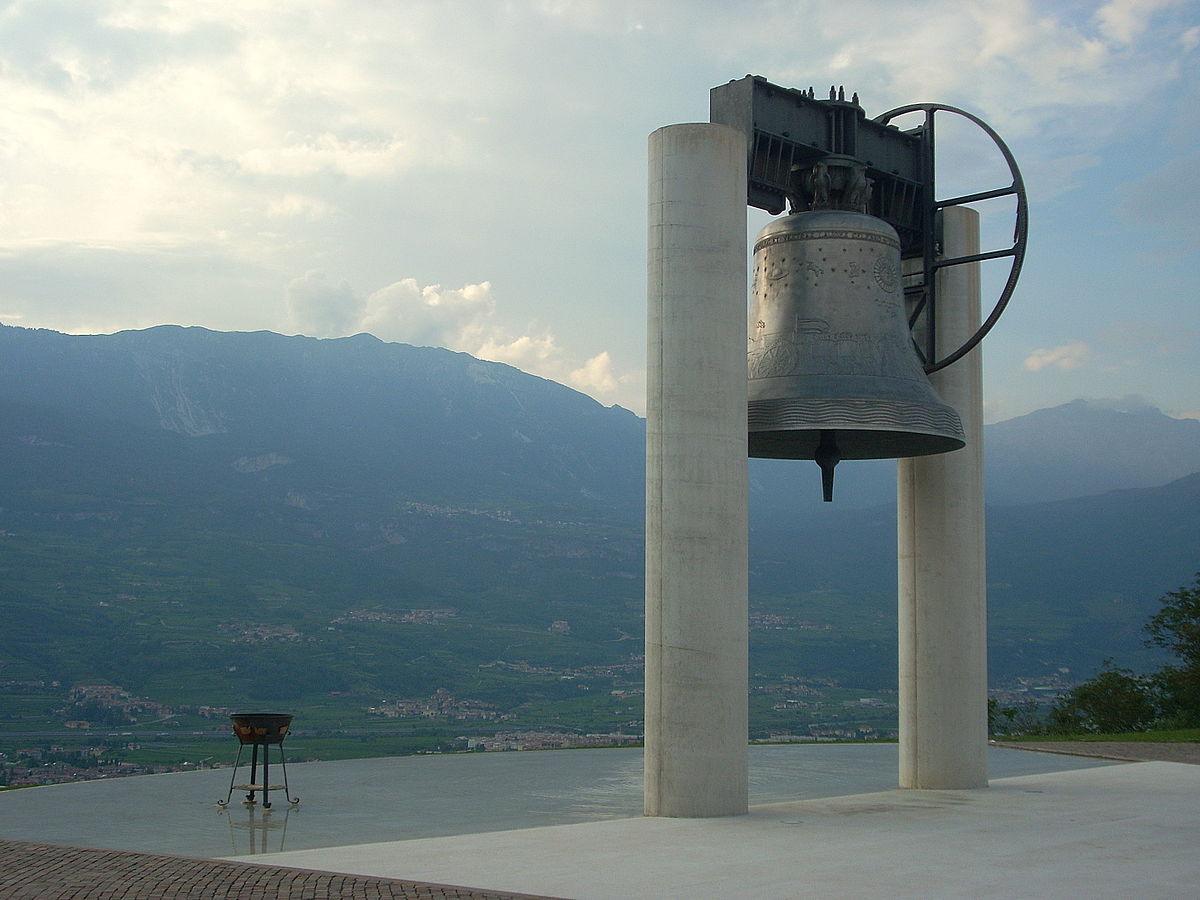
It is the largest bell in the world to sound at full peal ad it was cast with the bronze of the cannons of all the nations participating in World War I: it is the Bell of the Fallen (Campana dei Caduti) a monumental bell set on a hill overlooking Rovereto. Every day at twilight […]

It is the largest bell in the world to sound at full peal ad it was cast with the bronze of the cannons of all the nations participating in World War I: it is the Bell of the Fallen (Campana dei Caduti) a monumental bell set on a hill overlooking Rovereto.

Every day at twilight its hundred tolls are a testimony of world peace.

Born from an idea of Don Antonio Rossaro, Rovereto’s Campana dei Caduti was cast in Trento in 1924 with the bronze of the cannons of the participating nations of the First World War. Baptized with the name Maria Dolens (i.e. sorrowful Mary), it was first placed on the Malipiero tower of Castello di Rovereto.

The Bell, recast in Verona in 1939 was returned to Rovereto exactly one year later. In 1960, following a serious and irreparable crack, , Maria Dolens was recast at the Capanni foundries in Castelnovo Né Monti (Reggio Emilia). The current bronze, blessed by Pope Paul VI, was placed on the Colle di Miravalle on November 4, 1965, from where it continues to tower over the entire city of Rovereto.

Theresia Youth Orchestra will perform in this extraordinary place on August 26, for the last of the three concerts of the summer tour. But it is not the first time that Theresia performs at this venue: two years ago the orchestra was hosted here for a concert, but, unfortunately, due to the bad weather conditions the concert was held inside the expositive spaces of the Fondazione Campana dei Caduti.

Attending at the concert will be an intense and unforgettable experience: it is possible to book tickets writing us a mail.

In the meantime, enjoy some pictures of the 2014 concert:


A night at the castle. Our places: Maretsch Castle

By Emilia Campagna - August 19, 2016
In the heart of the town of Bolzano, a medieval castle hosts the concerts of Antiqua Festival

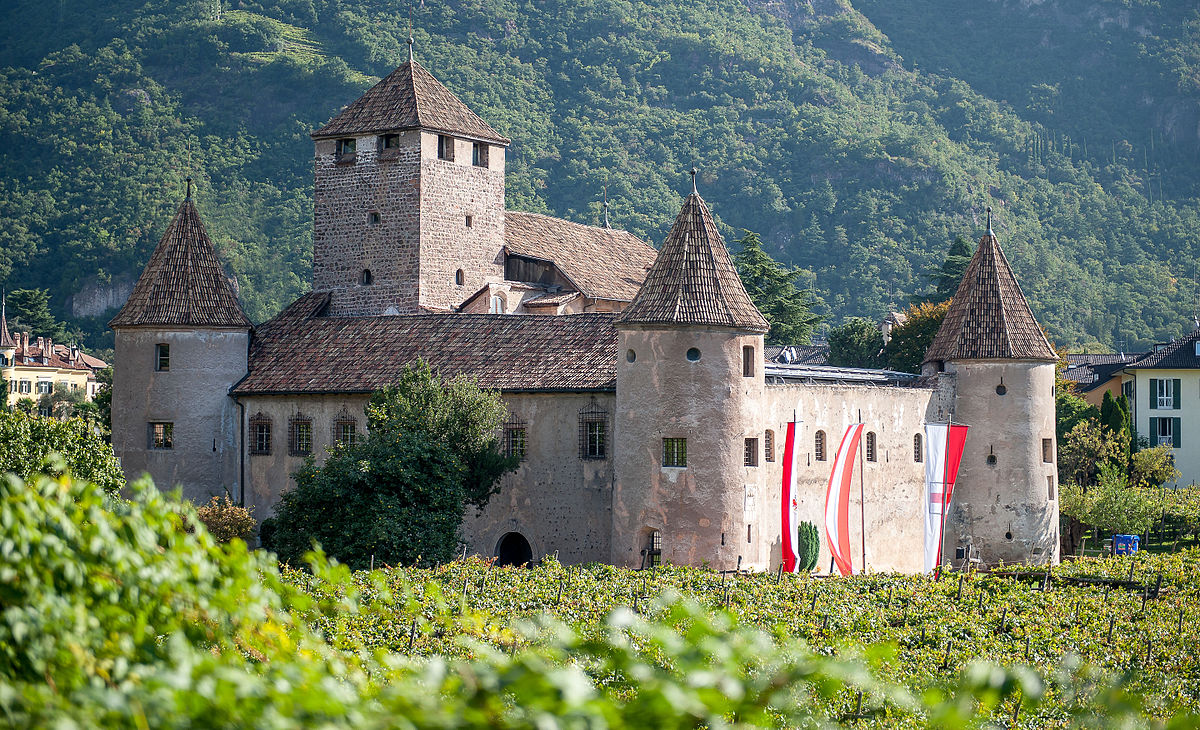
You’re walking through the streets of Bolzano: you’re surrounded by shops, restaurants, by the noise of cars and of modern stuff. And suddenly, everything changes: silence, a severe medieval building and green vineyards all around. It’s the magic of Maretsch Castle (Castel Mareccio), a castle at the very heart of Bolzano.

The oldest part of Maretsch Castle was built in the first half of the 13th century. The residents were the family of Maretsch, who were supporting the sovereign of Tyrol by extending his power in the basin of Bolzano. This area was indeed contendet by the bishop of Trento an the sovereign of Tyrol. Starting with the year 1477 the family of Römer amplified the castle and commissioned valuable wallpaintings according to the ideas of the italian Renaissance.

Among the other interesting paintings and vestiges of the past history, a very particular drawing may intrigue the visitor more than other things: it is a “Sator Square”, a word square containing a five-word Latin palindrome (sator arepo tenet opera rotas), that may be read top-to-bottom, bottom-to-top, left-to-right, or right-to-left. The oldest datable representation of the Sator Square was found in the ruins of Pompeii, but others were found in many other places in Europe, both in churches and palaces.

The Sator Square of Maretsch Castle

Today the castle is not a residency any more, but it offers the ideal frame for any type of event: congresses, weddings, business dinners among others. And, very interesting for us, in the summer it hosts many of the concerts of Antiqua Festival.

Among the others, Eubo performed here on 17th August, conducted by Lars Ulrik Mortensen in a beautiful concert all devoted to Handel and his London colleagues.

Eubo performing at Maretsch Castle

Eubo performing at Maretsch Castle

And Theresia Youth Orchestra is going to perform there too: it will be fascinating to listen to the strong contrast of “Sturm und drang” music in the charming courtyard of the castle. Alfredo Bernardini will conduct the orchestra for the very first time and the program consists of two Symphonies by Haydn and Mozart and two Suites by Gluck and Kraus. Concert is scheduled on 24th August at 20.30: you can buy the tickets here.