The new string project: Cambini, Kraus and Boccherini

By Emilia Campagna - January 16, 2019
The first Academy of 2019 is a string project with tutors Chiara Banchini and Roel Dieltiens. Let's find more!

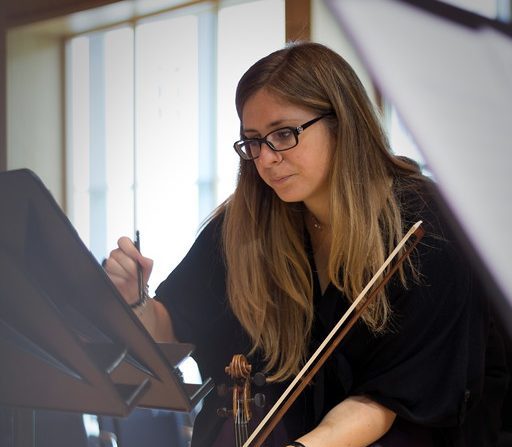
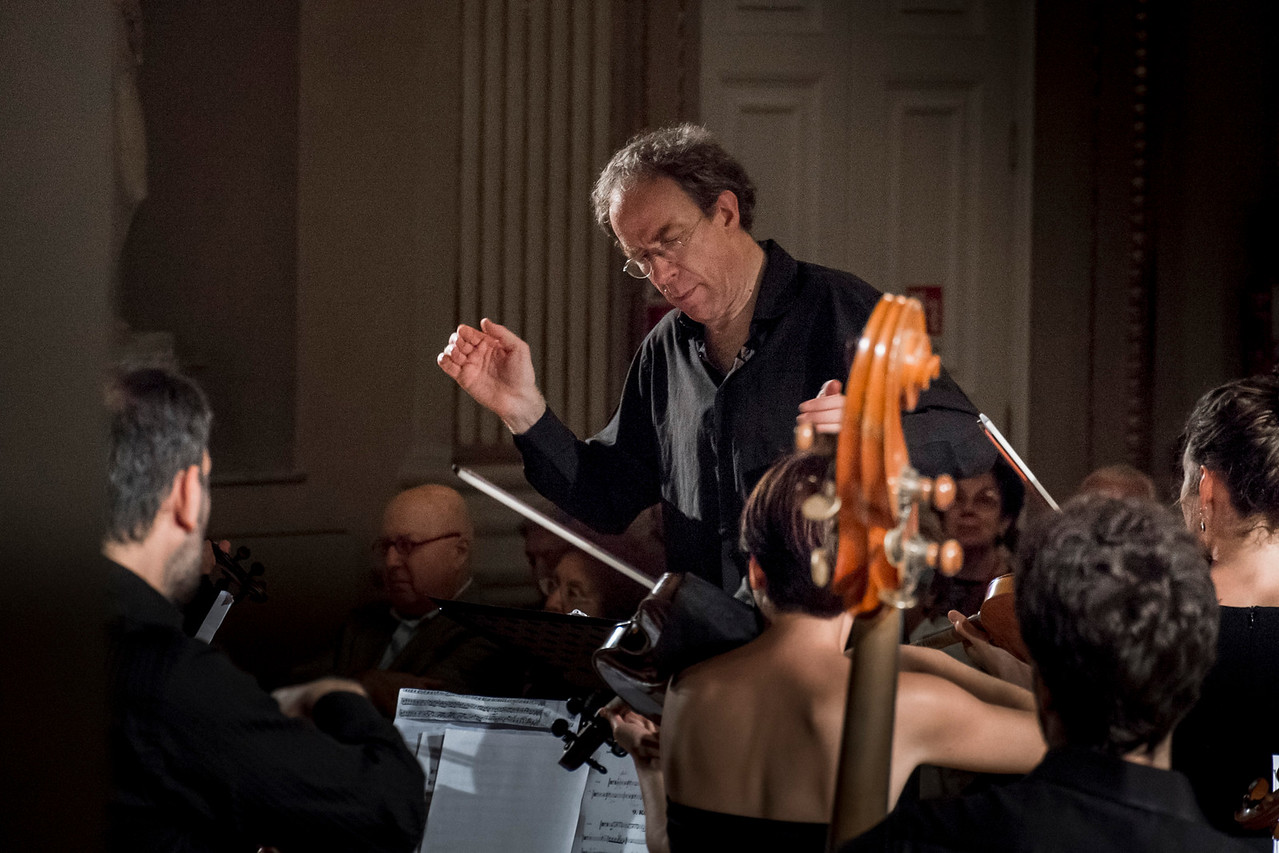
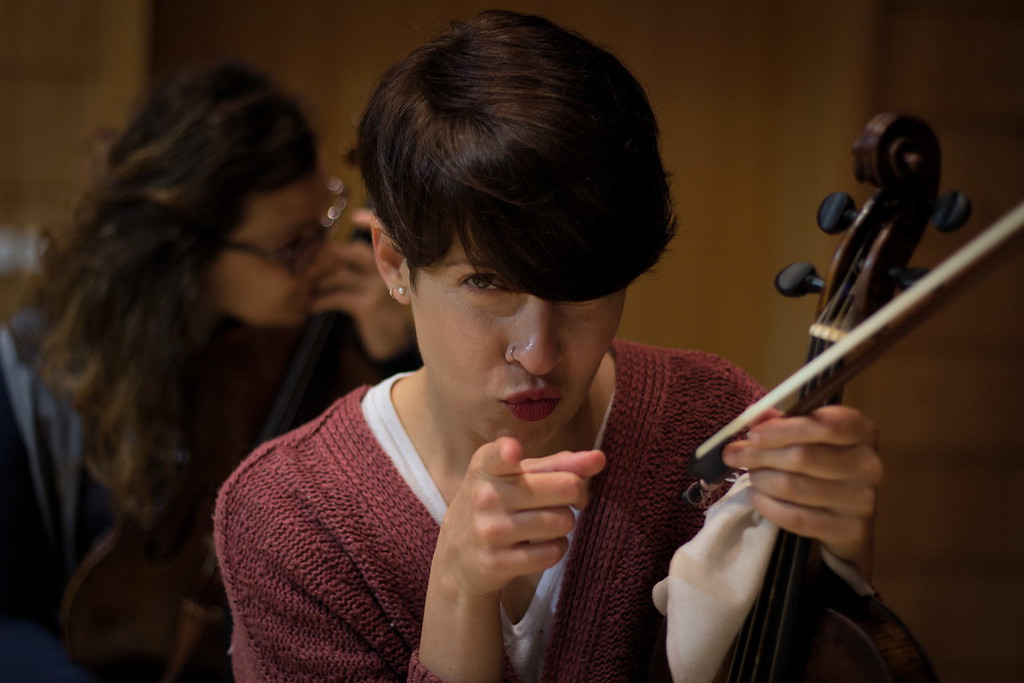
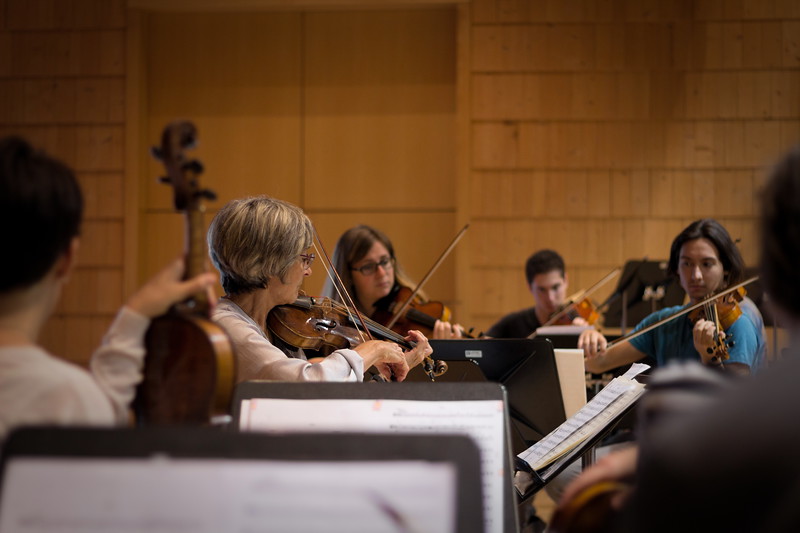
What’s better than an entire week of chamber music, working on classical Quartets and Quintets together with two renowned musicians? The new string project, i.e. the first Academy of 2019, is being an amazing experience: it started on Monday 14th and will go on till Friday, with tutors violinist Chiara Banchini and cellist Roel Dieltiens.

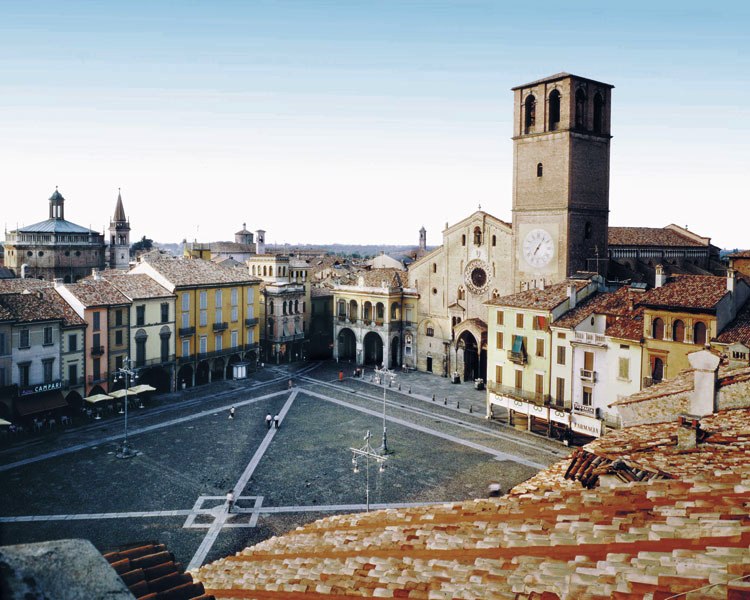
Our home for this week of study and music is the venue of Fondazione iCons in Lodi, the perfect place for focusing and working in small ensembles.

The musicians involved in this new project are sixteen, coming from six different countries: fourteen of them are string players, plus the flutists Simone Casale and Eva Ivanova Dyatlova.

The Academy will end on Saturday 19th with a concert at Sala Rivolta (Teatro alla Vigne) in Lodi. Our musicians will perform part of the program studied during the Academy: the first of three pieces will be the Quartet in D by Giuseppe Maria Cambini, performed by Samuel Casale (Italia) – flute, Gemma Longoni (Italia) – violin, Alaia Ferran (Spagna) – viola and Bartolomeo Dandolo Marchesi (Italia) – cello. Next will be the Flute Quartet by Joseph Martin Kraus, played by Eva Ivanova-Dyatlova (Russia) – flute, Abel Balazs (Portogallo) – violin, Gabriele Toscani (Italia) – violin, Ania Wieczorek (Polonia) – viola and Martyna Jankowska (Polonia) – cello. Last but not least, Luigi Boccherini’s Quintet G337 will end the concert, played by Gabriele Toscani (Italia) – violin, Sophie Simpson (UK) – violin, Elena Gelmi (Italia) – viola, Giulia Gillio Gianetta (Italia) – cello, Lino Mendoza (Messico) – double bass

Con una nuova residenza e un concerto si rinnova il legame tra Theresia e la città di Lodi

By Emilia Campagna - January 12, 2019
Cinque giorni di lavoro intensivo sul repertorio cameristico attendono gli archi di Theresia, attesi per un concerto al Teatro delle Vigne di Lodi

Gli archi di Theresia Youth Orchestra saranno protagonisti della prima “Accademia” del 2019 (nonché ventesima residenza dalla nascita dell’orchestra): dal 14 al 19 gennaio i giovani musicisti selezionati per prendere al progetto internazionale di formazione orchestrale della Fondazione iCons saranno in residenza a Lodi. Sotto la guida della violinista svizzera Chiara Banchini e del violoncellista Roel Dieltiens affronteranno un variegato programma cameristico con musiche del secondo Settecento, dal Quartetto op. 18 n. 1 di Beethoven al Quintetto G337 di Boccherini, al Quartetto per flauto e archi in Re di Mozart. Il programma dell’accademia comprende anche alcune opere di autori meno noti ma dal grande valore didattico come Eybler, Kraus, Cambini.

La residenza culminerà con un concerto che sarà ospitato dal Teatro delle Vigne di Lodi presso la Sala Rivolta, sabato 19 gennaio alle 16 e durante il quale verrà proposta al pubblico una parte del vasto programma studiato durante la residenza: il programma del concerto comprenderà il Quartetto per flauto e archi in Re di Cambini, il Quartetto per Flauto e archi di Joseph Martin Kraus e il Quintetto G337 di Boccherini.

Il concerto segna l’inizio di una importante collaborazione tra Theresia Youth Orchestra e il Teatro delle Vigne di Lodi, collaborazione che nel 2019 culminerà con un concerto orchestrale in programma il 3 maggio in cui l’orchestra sarà diretta da Alfredo Bernardini in pagine sinfoniche di Mozart e Michael Haydn.
Anche la scelta di Lodi come luogo di residenza dell’orchestra risponde al desiderio della Fondazione iCons di radicarsi maggiormente in una città che per dimensioni, posizione e atmosfera rappresenta un ideale luogo di studio per i giovani musicisti coinvolti e che più volte in passato è stata teatro delle attività di un ensemble dinamico e internazionale come Theresia Youth Orchestra.

Protagonisti dell’Accademia in programma a Lodi saranno quattordici musicisti ad arco, provenienti da sei diversi paesi e guidati come primo violino dall’italiana Gemma Longoni, più i flautisti Simone Casale (Italia) e Eva Ivanova Dyatlova (Russia)

What’s next: 2019 in one glance

By Emilia Campagna - December 17, 2018
2019 will be a rich year, with two big orchestral projects, a wind academy and three special projects for strings. Good for the newcomers that will join Theresia after the upcoming string auditions!

2019 will be a rich year, with two big orchestral projects, a wind academy and three special projects for strings. Good for the newcomers that will join Theresia after the upcoming string auditions!

Next year’s activity will start in January with a String Academy: Chiara Banchini and cellist Roel Dieltiens will be the tutors; string musicians will work in Lodi from 14 to 19 January studying chamber music by Mozart, Kraus, Boccherini, Rossini and Beethoven.

The second project (28 April – 5 May) will be devoted to the symphonic repertoire: Alfredo Bernardini will conduct the orchestra performing Mozart’s Symphony n. 36 in C major “Linz” KV 425 and Haydn’s Symphony n. 28 in C major.  Again, this project will take place in Lodi which, in addition to being iCons Foundations’ venue, is confirmed to be a perfect and friendly environment.  With regard to the music, this first orchestral project is especially interesting because it explores the roots of Jupiter Symphony, Mozart’s masterpiece: we will go deeper into the issue in a later post, now just know that our audience will be very surprised listening to the Finale of Michael Haydn’s Symphony n. 28, which includes all four themes of the Finale of the Jupiter, written four years later in 1788, and gorgeously elaborated. A true surprise, worth the discovery.

After a month, strings will get down to work again, for a project we are looking forward to: Theresia’s string will be guests of the exciting “Trame Sonore” Festival in Mantua, where we were for a successful orchestral project two years ago. The academy will take place from 28 May to 2 June, with music by Luigi Boccherini and Francesco Galeazzi.

In July, strings will be in Genoa, working with Chiara Banchini on music by Mozart: at the end of the residency, on 7th and 8th July, Theresia’s string will perform in a double concert in Geneva.

An ambitious project will be held during the summer: August residency will be devoted to the complete Ouvertures by Joseph Martin Kraus and includes the CD recording of the program for a major world label. The recording will be a world premiere on authentic instruments collecting all the overtures composed by Joseph Martin Kraus for his operas, ballets, theatre, politics and sacred music during his lifetime, plus his major symphonic output, the monumental Chaconne from the opera Aeneas I Cartago. This large-scale program will require Theresia in its largest scale setting (44 elements) and will include, besides a reinforced string and wind orchestra, Turkish music. The two-week project will also include seminars and other learning events linked to the profile and the music of Joseph Martin Kraus and its era.

The last project of the year will be a wind academy: back to Lodi, from 8 to 12 October Alfredo Bernardini will lead the wind players performing music by Beethoven, Danzi and others.

Check our calendar to find out where and when all our concerts will be held: new dates are to be confirmed, so stay tuned and don’t miss any.

Alfredo Bernardini, Chiara Banchini and Claudio Astronio

Alfredo Bernardini, Chiara Banchini and Claudio Astronio will be the conductors of 2019 productions

Meet Theresia: Gemma Longoni

By Emilia Campagna - December 13, 2018
"Fare la spalla d Theresia è stata un'esperienza nuova, che mi ha costretta a mettermi in gioco e mi ha fatto diventare più forte. Ora sono spesso chiamata a fare la spalla anche di altri ensemble orchestrali."

“Fare la spalla di Theresia stata un’esperienza nuova, che mi ha costretta a mettermi in gioco e mi ha fatto diventare più forte. Ora sono spesso chiamata a fare la spalla anche di altri ensemble orchestrali.”


La violinista italiana Gemma Longoni è la spalla di Theresia: 31 anni, in orchestra dal 2015, le abbiamo chiesto di raccontarci la sua esperienza:

“Ho un ricordo molto nitido della mia prima residenza: era una produzione orchestrale a Lodi, sotto la direzione di Claudio Astronio e con un repertorio molto bello, Ouvertures e arie per voce e orchestra di Rameau. Di quella prima esperienza mi è rimasto impresso prima di tutto il contatto umano: a parte una persona, non conoscevo nessuno, e mi sono trovata molto bene con i miei nuovi colleghi di cui soprattutto un paio sono tuttora tra le mie amicizie più intime. A livello invece strumentale, per quanto riguarda la mia crescita come musicista, per me il progetto ha cominciato ad essere molto stimolante quando ho cominciato a fare prima la spalla dei secondi e poi la spalla dell’orchestra.”

Pensi che dandoti questo ruolo Theresia ti abbia fatto crescere come musicista?

“Indubbiamente sì. Quando sono entrata non ero più alle prime armi, e avevo già fatto delle esperienze in diverse orchestre. Non che prima di fare la spalla il lavoro in Theresia non fosse interessante, anzi: avevo ricevuto molti stimoli e approfondito il repertorio, ma il vero “click” è scattato quando mi sono dovuta mettere in gioco in un ruolo di maggiore responsabilità, sia in orchestra che nei progetti cameristici.”

Cosa ha rappresentato per te ricoprire il ruolo di spalla dell’orchestra?

“E’ stata un’esperienza nuova, che mi ha costretta a mettermi in gioco e mi ha fatto diventare più forte. Ora sono spesso chiamata a fare la spalla anche di altri ensemble orchestrali.”

Parliamo degli stage cameristici, una caratteristica del progetto Theresia. Cosa rappresentano per te questi momenti nell’ambito di un percorso di formazione orchestrale?

“Penso che siano un grande regalo: la possibilità di concentrarsi su un repertorio cameristico, senza stress e col tempo necessario è qualcosa che a quanti di noi si dedicano molto all’orchestra non è comunemente dato. Il lavoro in orchestra di solisto è concentrato in pochi giorni in cui si punta molto al risultato. Avere l’agio, la calma e il giusto stato mentale per approfondire il repertorio è un privilegio, un momento di crescita e una bellissima esperienza.”

Pensi che Theresia ti abbia aiutato ad allargare la tua rete di conoscenze e ad aprirti la strada per nuovi progetti professionali?

“Indirettamente sì: lavorare con nuovi direttori, conoscere nuovi colleghi è sempre qualcosa che può portare ad esperienze che non si erano programmate, a nuove occasioni. Con alcuni musicisti di Theresia ad esempio stiamo pensando di fondare un ensemble da camera: è un progetto ancora all’inizio e mi attrae molto.”

Prossimamente si svolgeranno le nuove audizioni per archi: consiglieresti Theresia ai tuoi colleghi e perchè?

“Sicuramente lo consiglierei! Per un musicista giovane entrare in Theresia può essere un ottimo modo per acquisire pratica con l’esecuzione su strumenti originali a contatto con grandi direttori e maestri come quelli che abbiamo avuto in questi anni: Alfredo Bernardini, Chiara Banchini, Claudio Astronio. L’altro aspetto che rende preziosa l’esperienza è la presenza degli stage cameristici, sicuramente un valore aggiunto.”

Olga Pashchenko: “Theresia is real musical life”

By Emilia Campagna - December 10, 2018
Projects like Theresia give to young musicians the possibility to grow and develop their skills in a very lively environment. It is a great opportunity to get precious experience because this is actually real musical life."

Olga Paschchenko, harpsichordist and pianist who performed (and will perform) with Theresia Youth Orchestra in more than an occasion, is one of our favourite musicians: she’s a real pro in the musical field, with a huge experience as a concert player, as well as a contestant in international competitions and as a teacher of advanced students.

Olga, we met last in August 2015, when you played as a soloist with Theresia: what has happened during these three years?

“Life has been quite exciting all these years. For example, I started teaching keyboard instruments in the Conservatories of Amsterdam and Ghent and I issued several CDs; I have also played a lot of different programs on organ, harpsichord, fortepiano and modern piano.”

Your first partnership with the orchestra was in 2012, when you won the Premio Ferrari competition playing the fortepiano: what do you recollect of that experience, after six years?

“That was definitely a great experience back then, I have the most beautiful memories. The orchestra was very enthusiastic and played very well under the baton of the wonderful Claudio Astronio.”

In 2020 you will perform again with Theresia, playing Beethoven’s First Concerto under the baton of Alfredo Bernardini, which is one of our principal conductors together with Chiara Banchini and Claudio Astronio. Have you already worked with or met Alfredo Bernardini?

“I totally love Alfredo as a musician and as a person as well: we met at many different occasions and once we did a project with Bach’s Cantatas together.”

You are still playing both fortepiano, harpsichord and modern piano: how can you deal with the technical differences between these instruments? Do you manage to work in contemporary on different projects involving different instruments or do you focus on one at a time?

“My main idea is to play the pieces on the instrument that these pieces were composed for. So I decided to limit myself to keyboard instruments. Accordion is, unfortunately, missing at the moment… However, with all other keyboard instruments I meet on an everyday basis and very often play mixed programs.”

You are now a teacher, as well as a concert player: in your opinion, how much is it important for young musicians to join youth projects like Theresia? Would you recommend to string students to try the upcoming Theresia’s auditions?

“In my opinion, the presence of such projects has a very high significance. The young professionals get a possibility to grow and develop their skills in a very lively environment and to do exactly what they are aiming to do in life. I think it is a great opportunity to get precious experience in such projects because that is actually real musical life.”

Alfredo Bernardini e il felice equilibrio dell’orchestra

By Emilia Campagna - December 7, 2018
Alfredo Bernardini: "Theresia è un’occasione importante per intraprendere una carriera di musicisti specializzati nell’esecuzione con strumenti storici e per fare esperienza ed imparare cose che difficilmente si riescono ad imparare in conservatorio: come comportarsi in orchestra, sia musicalmente, sia tecnicamente, sia socialmente."

“L’orchestra è una comunità fatta di equilibri delicati, in questo rispecchia in piccolo la società, anch’essa in fondo sempre alla ricerca di una felice armonia.”


Tra i direttori che hanno lavorato in questi anni con Theresia Youth Orchestra c’è Alfredo Bernardini, che in occasione delle prossime audizioni ci dà il suo punto di vista sul progetto.

Alfredo Bernardini, lei ha lavorato in più occasioni con Theresia: dal suo punto di vista, che tipo di impegno e di occasioni offre il progetto Theresia a un giovane musicista?

“Theresia è un’occasione importante per i giovani che vogliono intraprendere una carriera di musicisti specializzati nell’esecuzione “storica”, con strumenti d’epoca, del repertorio classico e primo-romantico. Questi giovani possono così fare esperienza ed imparare cose che difficilmente riescono ad imparare in conservatorio: come comportarsi in orchestra, sia musicalmente, sia tecnicamente, sia socialmente. In orchestra si impara ad imporsi con un assolo, ma anche a seguire gli altri, ad inserirsi con intonazione a seconda dell’armonia, con la dinamica, con l’articolazione. L’orchestra è una comunità fatta di equilibri delicati, in questo rispecchia in piccolo la società, anch’essa in fondo sempre alla ricerca di una felice armonia.”

Si avvicinano le audizioni con cui periodicamente Theresia seleziona i propri musicisti: lei quali consigli da a un giovane che si prepara ad affronare questa prova?

“Naturalmente bisogna fare tutto il possibile per essere padroni del proprio strumento. Ma poi non è necessario presentarsi all’audizione volendo fare il passo più lungo della gamba, cioè scegliendo un repertorio solistico troppo difficile. L’orchestra ha bisogno di altro. Tra i criteri di selezione è molto importante notare nel candidato la reattività alla situazione musicale. Per questo alcune delle audizioni di Theresia in passato si sono svolte in forma di musica da camera, per poter capire le capacità dei ragazzi di interagire l’uno con l’altro. Quindi: conoscere bene le partiture, le parti degli altri strumenti, il contesto storico-musicale: tutto questo è senz’altro utile.”

Lei nello specifico quando si trova a valutare i candidati ad un’audizione su quali aspetti si sofferma maggiormente? Cosa cerca in un musicista che aspira ad entrare in un’orchestra?

“Penso che un giovane che vuole entrare nel progetto Theresia voglia fare esperienza prima di lanciarsi nel mondo professionale. Anche il fatto di conoscere e collaborare con bravi compagni provenienti da tutto il mondo, che abbiano passato la stessa selezione, è un importante valore che potrebbe segnare il loro futuro musicale. Theresia offre generosamente e dignitosamente queste opportunità, con programmi e progetti mirati anche alla formazione e con opportunità concertistiche di livello professionale.”

Tra i giovani musicisti c’è chi fa delle audizioni un vero e proprio impegno a tempo pieno: melius adbundare quam deficere o è il caso di concentrarsi su pochi specifici obiettivi?

“Nel “mondo degli strumenti moderni” le audizioni sono un fondamentale passaggio dalla fine degli studi alla professione. Quasi sempre si tratta di tantissimi candidati per pochi posti di lavoro. È una questione di sopravvivenza, anche perché parliamo di posti di lavoro e quindi di salari più o meno stabili. Il “mondo degli strumenti antichi” in verità è molto differente, perché non ci sono orchestre stabili con salari fissi, ma c’è una fervente libera professione con molte opportunità ma poca sicurezza a lungo termine. Se lo svantaggio della mancanza di sicurezza è evidente, va apprezzato il vantaggio della generale mancanza di routine, della vivacità e della passione che tengono in vita questi progetti.”

Anche nel 2019 Theresia Youth Orchestra avrà il piacere di lavorare con Alfredo Bernardini: è in programma un interessante progetto orchestrale che si terrà nel mese di maggio. Seguiteci per ulteriori aggiornamenti!

Meet Theresia: Alaia Ferran

By Emilia Campagna - December 3, 2018
" In Theresia, I have met many colleagues with whom I still play inside and outside the orchestra. I have met great musicians who are the professionals of tomorrow whom I consider a very valuable contact, professionally and humanly speaking."

Waiting for the next auditions, we are meeting some of the musicians that joined us in the latest years, asking them about their experience with Theresia: today we introduce you the violist Alaia Ferran, from Spain.

Alaia,when did you join Theresia? How did you know about the orchestra?

I heard about Theresia two and a half years ago, maybe a little longer, because a clarinettist friend of mine told me about the project. She was the one who sent me all the information about the auditions that were done in Venice in 2016.

How many residencies have you done with Theresia?

Well,the truth is that I do not keep track of how many residences I have made … I think more than ten (and less than 100 at the moment, which is the number I aspire to…!). Some of them were chamber music and others were orchestral.

What did you like most of this experience and what do you think you have learnt or improved in?

For me, Theresia has a special meaning because of the vital moment in which I was at the time I auditioned. Theresia (the trainers rather), by circumstance, gave me the possibility to participate in their projects as the first viola, a role that at that time was quite new for me. That trust made me grow, and it will be something for which I will always be grateful. On the other hand, I have had the opportunity to deepen, from a historically informed point of view, in the classical language, thanks to the trainers and also to the colleagues from the orchestra, and all this combined with a flexible working atmosphere and sensitive to the different musical proposals that may arise.

Theresia residencies are both orchestral and chamber-music: what do you think about this formula?

For me, the combination between orchestra and chamber music is perfect, since this gives us the possibility to experiment diverse resources and develop in different contexts.

Did Theresia help you to extend your network of professional connections? Did it give you the chance of new professional experiences?

I can not say if Theresia has opened the doors of the professional world. I guess they have been opening little by little a bit by luck and another bit by various things, but for sure I can say that in Theresia I have met many colleagues with whom I still play inside and outside the orchestra. I have met great musicians who are the professionals of tomorrow whom I consider a very valuable contact, professionally and humanly speaking.

Theresia gave me the possibility to participate in their projects as the first viola, a role that at that time was quite new for me. That trust made me grow, and it will be something for which I will always be grateful

.

Would you recommend joining Theresia to your colleagues and friends? Why?

Yes, of course I recommend it! Theresia for me is a kind of family, an experience where the human component is very important and where the high level offered by the orchestra is also the consequence of this respect, affection and admiration that there is among us.

Which are your projects now?

My projects … I have recently started two that I am passionate about; an ensemble with which we played, above all, baroque music: “The Ministers of Pastime”, and a string quartet that still has no name. These two projects excite me and motivate me a lot. In addition, I was recently admitted to the Jordi Savall Academy and from time to time I have the privilege of collaborating with orchestras like the Eighteenth Century Orchestra among others. Things change a lot in a very short time, but at the moment I feel lucky to be able to live on what I like.
Theresia wants you!

By Emilia Campagna - November 20, 2018
New auditions are scheduled for February 2019. A can't-miss chance to join the orchestra.

New auditions are scheduled for February 2019. A can’t-miss chance to join the orchestra.

Theresia is more than an orchestra: it is an artistic mentoring program and we are always looking for young talents to valorize. The best way to join us is to take part in the auditions that we organize every year. So, don’t miss this chance: the next auditions will select and award Grants to 11 musicians – string instruments only – and the official program is now available.

The auditions will take place in Lodi (Italy) on 8, 9 and 10 February 2019 in order to award eleven Educational Grants addressed to young musicians wishing to improve their skills and experience in the performance of symphonic repertoire of the Classical Era on period instruments. Grants are awarded after a selection procedure exclusively based on auditions, involving candidates in playing but also in expressing their motivations to participate in the project.

Click HERE to download the full regulation and, as they say, break a leg!

What’s next? Theresia in a music capital

By Emilia Campagna - September 26, 2018
Theresia will perform Kraus and Haydn conducted by Chiara Banchini in a very music capital: Munich

Autumn has started in the best way: our winds residency in Lodi was a success! You can give a look to some shots from the concert here. But, we can’t rest on our laurels, as the next step is actually around the corner!

The last residency of the year is going to be very special indeed: it will start on 1st October in Ossiach, a beautiful little town in Austria. Surrounded by mountains and nearby a beautiful lake, it is the ideal place for a week of job and focus on the music.

The orchestra will be conducted by Chiara Banchini, a specialist when it comes to classical repertoire performed on original instruments.

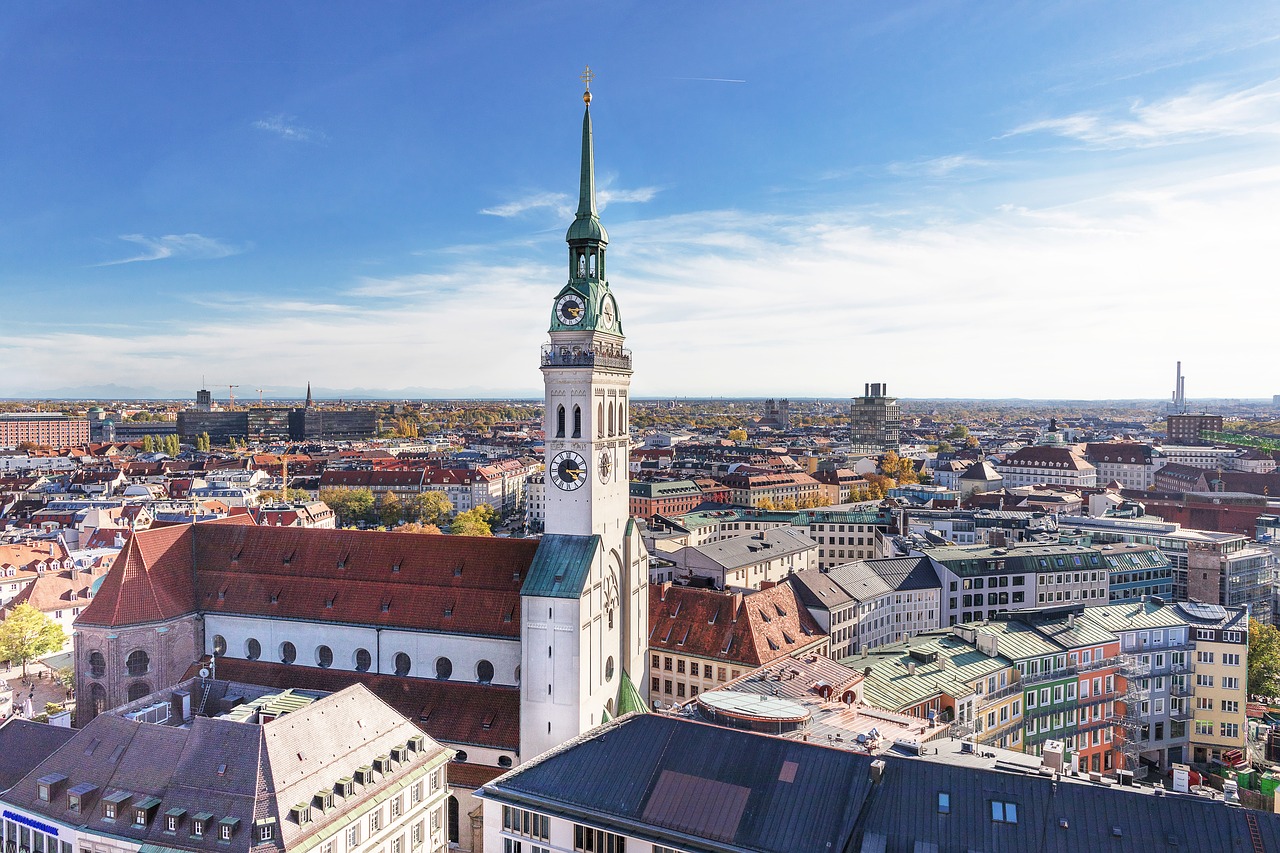
As usual, during the residency, the orchestra will study the repertoire that eventually will be performed in concert. Actually, there will be two concerts: the first one, in Ossiach itself, on 6th October. For the second one, the orchestra will move to a very music capital, Munich: Theresia will perform on 7th October in the beautiful Max Joseph Saal. It’s our debut in Germany, so we are all very excited!

The concert will start with the Ouverture from “L’Isola Disabitata” by Franz Joseph Haydn: “L’isola disabitata” (“The uninhabited island”) is an opera composed by Franz Joseph Haydn in 1779: according to music historians, it represents the composer’s attempt to abandon the Italian “opera seria” style and update his style on the model carried forward by Gluck. The opera wasn’t successful, not at its time, neither in later reprises. Yet the Overture stayed firmly in the orchestral repertoire, due to the dramatic atmosphere and the characteristics that make it like a miniature Symphony, split into four sections with alternate fast and slow movements.

Then, Theresia will perform Symphony in C major “Violino obbligato” VB 138 by Joseph Martin Kraus, soloist TYO’s first violin, the Italian Gemma Longoni. Kraus, born in 1756 and died in 1792, spent most of his professional life in Sweden, composer at the court of King Gustav III. During a Grand Tour of Europe that lasted five years, Kraus met some of the most relevant composers of his time, including Joseph Haydn, who called him “The first genius I ever met”. Kraus’ Symphony VB 138 “Violino Obbligato” is one of the best examples of Sinfonia concertante of the XVIII century, performed by the young soloists of Theresia.

Joseph Haydn’s Symphony n. 81 in G major will conclude the concert: it comes from a series of three symphonies completed in late 1784 (nos. 81, 80 and 79, presumably in that order). As with so many of his symphonies, Haydn wrote this one to provide new music for his employer, Prince Nikolaus Esterházy: it contains some intriguing harmonic and structural features.

We are waiting for you all for our German debut: you can buy the tickets here and here.


Paolo e Alberto Grazzi, la responsabilità dell’interpretazione

By Emilia Campagna - September 16, 2018
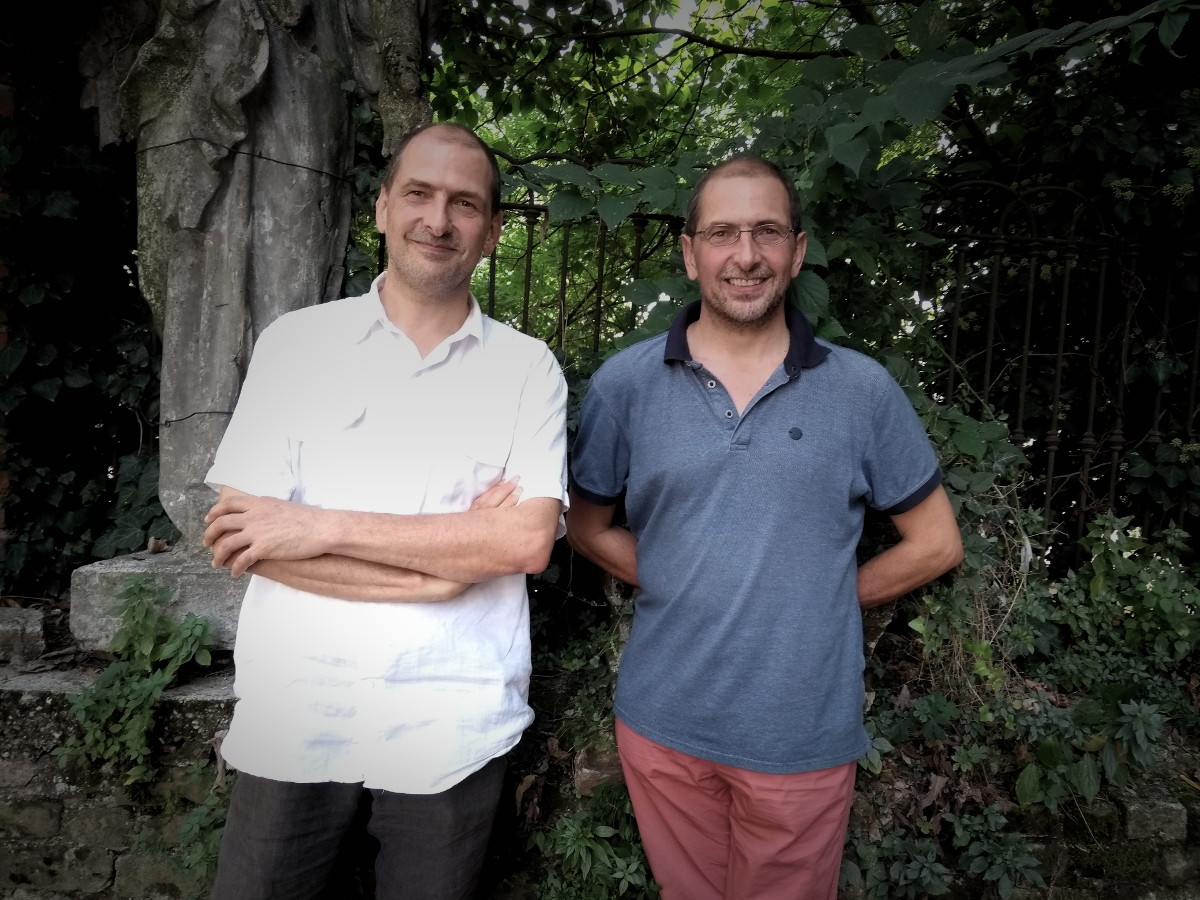
Intervista con Alberto e Paolo Grazzi, tutor dell'Accademia per fiati di Theresia

I fiati di Theresia hanno lavorato per alcuni giorni con Alberto e Paolo Grazzi, rispettivamente fagottista e oboista dalla lunghissima esperienza, membri dell’Ensemble Zefiro fin dalla sua fondazione e riconosciuti Maestri a livello internazionale. Le lezioni si sono concentrate sul repertorio in programma nel concerto di oggi alla Fondazione Cosway, con un lavoro che è andato ben oltre alla pura finalità dell’esecuzione dei brani in concerto. Come spiegano entrambi, con una sintonia che viene dall’abitudine pluridecennale di lavorare assieme ancor più che dal fatto di essere gemelli, “abbiamo lavorato in modo che i ragazzi si prendessero la responsabilità di lavorare senza direttore. Per capire questa cosa da un punto di vista più ampio facciamo un passo indietro: tutto il mondo della esecuzione storicamente informata (come si chiama oggi quella che anni fa veniva chiamata la prassi filologica) parte da un presupposto importante, ovvero che ciascun musicista è parte attiva del processo interpretativo, non relegata al direttore o a chi ha redatto l’edizione critica.”

Però durante le prove avete detto qualcosa che sembra in contraddizione con questo principio, ovvero che per quanto un direttore sia bravo, mediocre o pessimo, si deve sempre realizzare quanto chiede immediatamente e bene: come si coniuga questo con l’idea di indipendenza e responsabilità?

“Il consiglio è prima di tutto pragmatico: la maggior parte dei giovani musicisti di Theresia probabilmente lavorerà in orchestra e in questo ruolo non ci si può contrapporre al direttore – almeno, non ci si può contrapporre troppo. Ma c’è un aspetto più profondo, ed è quello di abituarsi a fare lo sforzo di cambiare i propri punti di vista. Sgombriamo il campo dall’idea di una presunta naturalità dell’esecuzione musicale: ciò che può essere più affascinante è proprio scoprire quello che non è naturale per noi e con quello fare musica. Fare propria l’interpretazione altrui significa non eseguire meccanicamente quanto chiesto, ma comprenderne le ragioni. E’ anche un lavoro mentale, un ottimo allenamento.”

Nello specifico, come avete preparato la concertazione delle musiche di Rosetti e Danzi in programma stasera? 

“Siamo partiti dalle parti singoli antiche e abbiamo trascritto tutti i segni sulla partitura moderna: poi li abbiamo interpretati perchè non c’era univocità tra una parte e l’altra. Del resto l’esigenza di una regola è un’esigenza moderna, nelle esecuzioni del tempo spesso non c’era la logica che muove le nostre scelte.”

Come mai non ci sono le partiture antiche di queste musiche ma solo le parti singole?

“Perchè non sono giunte fino a noi, e perchè la pratica dell’epoca era quella di distribuire solo le parti singole ai musicisti che poi avrebbero suonato. Si faceva così anche per un discorso di tutela, in modo che la partitura non potesse circolare e non venisse così copiata. Per dire come funzionavano le cose, ci sono trascrizioni di opere di Mozart per ottetto di fiati che vennero realizzate da componenti dell’orchestra in gran parte ad orecchio, sulla base di quello che si ricordavano, tanto che mancano pezzi di arie, intere sezioni.”

Tornando a noi, come si è tradotto tutto questo nel lavoro coi Fiati di Theresia?
“Abbiamo cercato soprattutto di portare i ragazzi a prendere coscienza del proprio ruolo e a dialogare. Il dialogo è tutto, spesso chi suona si concentra sul proprio strumento, sulla tecnica, sul virtuosismo. Invece la musica è un dialogo continuo: in una celebre frase il compositore Charles Avison definisce i quartetti di Haydn “un dialogo tra gentiluomini eruditi”, ed è quello che in effetti sono. Perchè anche se il primo violino può avere un ruolo di maggior rilievo, tutti gli strumenti contribuiscono attivamente a questo scambio di idee. Inoltre il punto su cui abbiamo insistito molto è il fatto di fare delle scelte e giustificare sempre, sulla base dell’armonia, della tessitura, dell’insieme con gli altri strumenti. Ci vuole consapevolezza: molti che vengono da corsi di strumento moderno pensano che nel momento in cui realizzano tutti i segni scritti presenti sulla partitura, il loro lavoro sia finito. In realtà non è così!”

Nei vostri discorsi sull’insegnamento e la trasmissione del sapere traspare una forte passione: la didattica ha una parte importante nella vostra attività?

“Sì, per entrambi. Purtroppo insegniamo in Conservatori diversi (Paolo a Verona, Alberto a Milano) quindi non possiamo fare progetti didattici assieme. Ma oltre all’attività concertistica con Zefiro l’insegnamento, tra Conservatorio e Master class, ha una parte importantissima.”

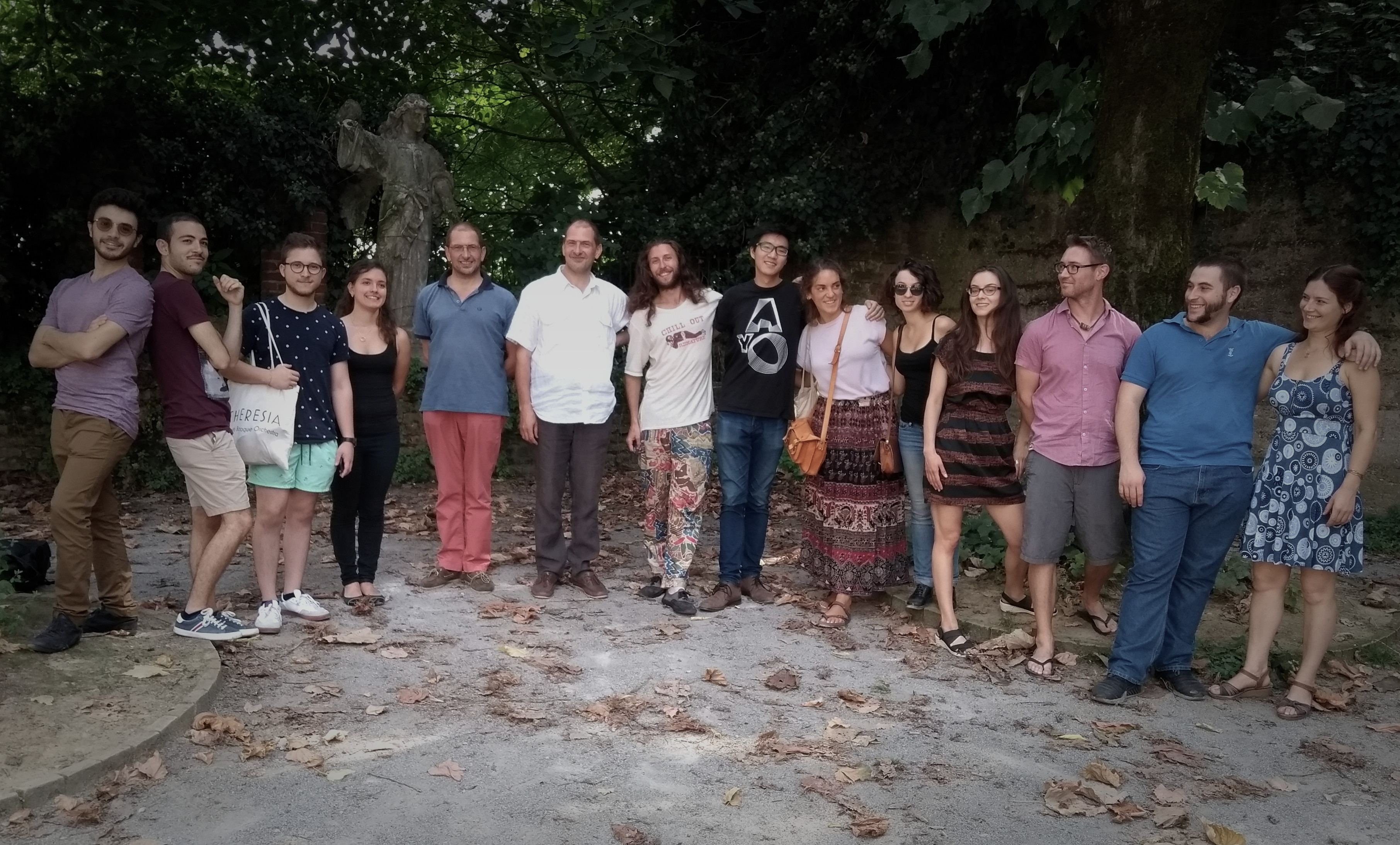
Tra una lezione e l’altra: i Fiati di Theresia con Paolo e Alberto Grazzi