Angelo Curtolo e il Teatro alle Vigne di Lodi

By Emilia Campagna - April 17, 2019
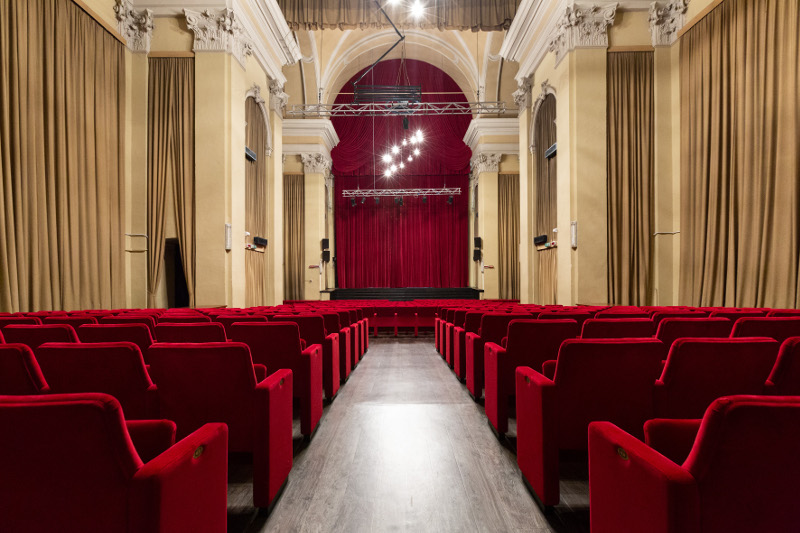
Intervista con Angelo Curtolo, direttore artistico del Teatro alle Vigne di Lodi, che il prossimo 3 maggio ospiterà un concerto di Theresia Orchestra

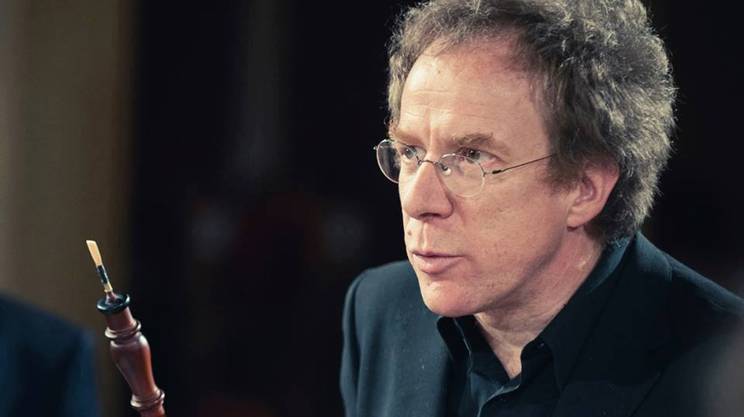
Theresia torna al Teatro alle Vigne, centro della cultura teatrale e musicale della città di Lodi: il concerto del 3 maggio, in cui l’orchestra sarà diretta da Alfredo Bernardini, conclude la stagione dei concerti del teatro lodigiano.

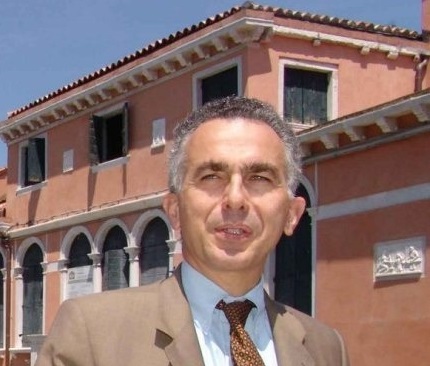
Angelo Curtolo, Direttore Artistico del Teatro alle Vigne

Dell’attività del teatro abbiamo parlato con Angelo Curtolo, che ne è direttore artistico dal maggio 2018.

Angelo Curtolo, che tipo di programmazione fa il Teatro alle Vigne?

“Il Teatro alle Vigne offre una stagione di spettacoli di prosa ed un ciclo dedicato alle Famiglie a Teatro, pensato per i più piccoli in compagnia dei genitori, alla domenica pomeriggio; inoltre facciamo una rassegna di teatro per le Scuole, che si articola in spettacoli presentati alla mattina per i ragazzi degli Istituti Scolastici di tutto il Lodigiano.”

E in particolare per quanto riguarda la musica?

“Al Teatro delle Vigne si tiene un a stagione di concerti, in collaborazione con l’Associazione Amici della Musica ” A. Schmid”, di Lodi.”

Quanto è vivace la realtà culturale e musicale della città?

“Lodi rivela una piacevole vivacità culturale e musicale. Penso a manifestazioni come il Festival della Fotografia Etica, al Lodi Blues Festival. Ci città abbiamo anche la Stagione dell’ensemble barocco lodigiano La Lira di Orfeo alla Fondazione Cosway, e naturalmente le residenze e i concerti di Theresia (ovviamente). Poi c’è la Stagione di Chitarra classica, le Domeniche in Concerto organizzate dall’Accademia Gaffurio e la Stagione musicale promossa dall’Accademia Gerundia, oltre i molti eventi estivi di Lodi al Sole e la Stagione di Cabaret all’Auditorium BPL. Per l’area dell’arte visiva, ricordo le mostre presentate dallo Spazio BPL, il Museo della stampa e della stampa d’arte, la Collezione anatomica P. Gorini, e l’azione continua della Biblioteca Comunale.”

Quali sono i condizionamenti (benefici e svantaggi) di essere così vicini a Milano, capitale economica e culturale d’Italia?

“A prima vista si potrebbe pensare che Lodi soffra di questa vicinanza, nel senso che il pubblico della cultura venga naturalmente attratto dall’offerta della capitale lombarda. Invece, se pensiamo ai costi connessi alla visita milanese – costi non solo monetari, ma di tempo, di disagi per il traffico (nebbia inclusa) e parcheggio – ne conveniamo che l’offerta culturale del capoluogo lodigiano presenta molta attrattiva.”

Come valuta la collaborazione con Theresia e la presenza in città di un’iniziativa di questo tipo?

“Vedo positivamente la collaborazione con un organismo musicale come Theresia, esempio speciale di progetto di alta formazione musicale sostenuto dal privato.”

Tutte le informazioni per assistere al concerto di Theresia al Teatro alle Vigne il 3 maggio a questo link

Non solo orchestra: i seminari di Theresia

By Emilia Campagna - April 7, 2019
Le attività formative di Theresia per il 2019 prevedono, all'interno delle residenze musicali, una serie di seminari dedicati ai musicisti che compongono l'orchestra, giovani professionisti che si affacciano al mercato del lavoro.

Seminari sull’interpretazione e sulla prassi esecutiva, ma anche testimonianze di storie professionali di successo e corsi intensivi sui più utili strumenti per affermarsi nella carriera musicale. Le attività formative di Theresia per il 2019 prevedono, all’interno delle residenze musicali, una serie di seminari dedicati ai musicisti che compongono l’orchestra, giovani professionisti che si affacciano al mercato del lavoro.

Si parte con Alfredo Bernardini, che il 30 aprile, nel cuore della residenza che si concluderà con i concerti del 3 e 4 maggio rispettivamente a Lodi e Mantova, scenderà dal podio del direttore per raccontare la storia professionale dell’Ensemble Zefiro, gruppo da lui fondato assieme a Paolo e Alberto Grazzi e oggi affermato a livello internazionale: Bernardini racconterà come nel 1989 lui e i fratelli Grazzi ebbero l’idea dell’ensemble, come mossero i primi passi e in che modo Zefiro ha raggiunto negli anni una fama consolidata.

Il giorno dopo (1 maggio) è previsto l’incontro con il musicologo David Wyn Jones, Professore alla Scuola di Musica dell’Università di Cardiff, riporterà il discorso entro la sfera dell’interpretazione musicale. Come lo stesso Jones ci ha spiegato in un’intervista, la conferenza illustrerà i rapporti – personali e musicali – tra Wolfgang Amadeus Mozart e Michael Haydn, fratello minore di Franz Joseph Haydn.

Alfred Brendel

Durante la residenza in programma a Mantova dal 28 maggio al 2 giugno nell’ambito del Festival “Trame Sonore” i momenti di approfondimento saranno due: il primo con il fondatore e direttore artistico di Theresia Orchestra, Mario Martinoli, che partendo dall’esperienza di gestione dell’orchestra, sostenuta da un progetto di finanziamento culturale privato, parlerà di temi etici correlati al lavoro del musicista; il secondo incontro sarà con il grande pianista austriaco Alfred Brendel, guest of honor del Festival, che assieme al Quartetto Zaide terrà una master class sul Quartetto “La morte e la fanciulla” di Schubert.

Durante il mese di luglio gli archi dell’orchestra saranno in residenza a Ginevra impegnati in un progetto diretto da Chiara Banchini che si concluderà con due concerti il 7 e 8 luglio per i Concerts d’ètè a Saint Germaine. L’Accademia d’archi sarà l’occasione per ospitare un appuntamento particolarmente interessante, ovvero quello con Klaus Scherer, docente alla Facoltà di Scienze Affettive, che spiegherà qual è l’impatto emotivo del suono nell’attività del musicista, con una visita al laboratorio di neuroscienze dove si misurano le reazioni del cervello all’ascolto o alla produzione della musica.

Bertil Van Boer

In agosto è in programma una lunga residenza (8-22 agosto) in cui l’orchestra, diretta da Claudio Astronio, affronterà l’intero corpus delle Ouvertures di Joseph Martin Kraus, con concerti a Milano, Bolzano e Rovereto e la registrazione di un cd. Per approfondire la figura e l’opera di Kraus avremo ospite Bertil Van Boer, curatore del catalogo completo dell’opera del compositore. Bertil Van Boer terrà tre lezioni, durante le quali parlerà di Kraus da un punto di vista biografico, del mondo musicale alla corte del re di Svezia e dell’opera teatrale di Kraus con un focus sulle overtures. Nel corso della residenza di agosto è in programma anche una lezione in cui Simone Laghi, musicologo e segretario Artistico di Theresia, spiegherà come muoversi tra archivi, librerie e strumenti di ricerca online.

Rediscovering Michael Haydn: an interview with David Wyn Jones

By Emilia Campagna - March 31, 2019
Michael Haydn's fame is now considerably overshadowed by that of his older brother, Franz Joseph Haydn, but he was a prolific composer who in his days was much admired. Find more in the interview with Professor David Wyn Jones

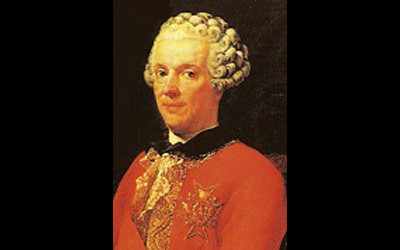
Among Classical composer, the name of Haydn is one of the most familiar, isn’t it? This is true when you think of Franz Joseph Haydn. It’s not the same when it comes to his brother, Michael, who was born in 1737 and died in 1806 in Salzburg. As a matter of fact, Michael Haydn’s fame is now considerably overshadowed by that of his older brother, but he was a prolific composer who in his day was much admired and was the teacher of such notable composers as Carl Maria von Weber, Anton Diabelli and Sigismund Neukomm.

In its relentless exploring of the Classical symphonic repertoire, for the first time Theresia will perform a Symphony by Michael Haydn. To deepen the subject, during the preparatory stage, our musician will attend a lecture by Professor David Wyn Jones, one of the major experts on these issues.


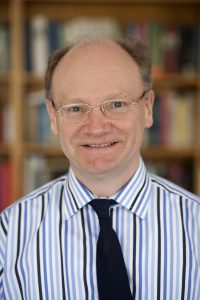
Professor David Wyn Jones

David Wyn Jones, is Professor at the School of Music of Cardiff University, and was Head of School March 2008 – July 2013. His main interest lies in the music of the Classical Period, in particular Haydn, Beethoven and Vienna, and in aspects of music dissemination and publishing. He was a member of the core group for the international project, ‘The Circulation of Music, 1600-1900’, sponsored by the European Science Foundation (2000-04). He has recently been appointed to advise on a new project, Concert Life in Vienna 1780-1830: Performances, Venues and Repertoires. Based at the Institute for Musicology at the University of Vienna, the oldest musicology department in the world, the project aims to provide a public, searchable database of private and public concert life in the city, including virtual recreations of performance spaces. Professor Jones has been appointed as one of seven members on the Scientific Advisory Board that will oversee the project, provide advice and review projects. He is the only panel member selected from outside Austria and Germany.

Professor David Wyn Jones, in your lecture you will speak about “Michael Haydn and Mozart: a forgotten musical relationship”. Which were the terms of their relationship and why has it been forgotten?

“Michael Haydn, Leopold Mozart (Mozart’s father) and Wolfgang Amadeus Mozart were colleagues at the court of the Archbishop in Salzburg. They would have seen each other on an almost daily basis, participated in performances of each other’s music in private and in church services. Like all true friends, they shared gossip and the Mozart family letters contain more than one account of Michael Haydn’s fondness for drink. But there is no doubt that he was a formative influence on the young Mozart, writing symphonies, concertos, serenades, church music and opera.”

Did Michael Haydn’s musical style influence Mozart’s and how?

“This might seem a rather uninspiring thing to say but Michael Haydn’s music has a thorough competence of technique as well a real sense of theatre (in the broadest sense) that is reflected in Mozart’s music. One of the many unfortunate legacies of nineteenth-century biographical writing is the excessive focus on the Wunderkind Mozart and the Incomparable Genius Mozart. In Salzburg, if not throughout his life, Mozart was writing in a lingua franca and many of the features of that language are to be found in Michael Haydn too. That Mozart recognized Michael Haydn’s mastery is suggested by a letter he sent to his father from Vienna, asking for the latest symphonies of Michael, so that he could perform them in that city. For one symphony, Mozart added a slow introduction, and for many years scholarship thought the whole work was by him, No. 37 in G major (K.444); No. 38 was the ‘Prague’ symphony.”

What do we know about Michael Haydn’s relationship with his brother, Joseph?

“Michael Haydn was five years younger than Joseph and for many years their careers ran in parallel: choirboys in Vienna, freelance musicians in Vienna, composers and performers of church music and employment at aristocratic courts, Michael at Grosswardein (in present day Rumania) and Haydn at the Esterházy court in Eisenstadt. When Michael moved to Salzburg in 1762 a long period of separation followed, over thirty years, until they again met in Vienna at the end of the 1790s. Michael was actually offered the post of Joseph Haydn’s deputy at the Esterházy court, but he preferred to remain in Salzburg. He died in 1806, three years before his elder brother.”

Joseph Haydn admired his brother’s music: which are the similarities and the differences between them?

“Joseph particularly admired Michael’s church music and may have been instrumental in persuading Empress Marie Therese (wife of Emperor Franz) to commission items of church music from him. They shared an enthusiasm for composing symphonies and church music, but Michael wrote far fewer string quartets than Joseph, while Michael wrote many more German songs (secular and sacred) than Joseph. Michael Haydn usually signed his autograph scores ‘G. M. Haydn’, while Haydn often wrote ‘G. Haydn’ or ‘Giuseppe Haydn’. Not surprisingly, this often led to confusion during and after their lifetimes.”

Why is Michael Haydn not popular nowadays as his elder brother?

“He’s suffered from being a supporting figure in two careers, Mozart’s and Haydn’s. The fact that his music was not distributed very widely in his lifetime did not help, also the fact that he couldn’t be captured in the narrative of Vienna the musical capital pushed him to the margins.”

Michael Haydn was a very prolific composer: which are the five masterpieces you would suggest listening if someone wanted to approach the composer?

I suggest Concerto in C for viola and organ (1761), Requiem in C minor (1771), Missa Sancti Aloysii (1777), Symphony in D minor (1784) and Quintet for clarinet, bassoon, horn, violin and viola (1790).”


In its next concert, Theresia Orchestra will play Linz Symphony by Mozart: which is the importance of this work in Mozart’s production?

“Dating from the autumn of 1783, it’s a work that both looks back to Salzburg and to later symphonies, including the very last, the ‘Jupiter’. It draws on years of experience of writing symphonies and – less often articulated – church music in Salzburg, and looks forward to the grandeur of his next symphony in C, the Jupiter, as, indeed, does the Michael Haydn symphony. A fascinating programme!”

According to your research and your knowledge of the late eighteenth-century repertoire, would you suggest three names of composers from the classical period who have been unjustly neglected and who deserve to be performed more often?

“I’m pleased to see that Theresia Orchestra has performed so many works by Kraus. Here are three other composers of symphonies who deserve to be performed. Johann Baptist Vanhal (1739-1813), Paul Wrantizky (1756-1808) and Anton Eberl (1765-1807).”

In your opinion, what do we gain performing this repertoire on historic instruments?

“Two words always come to my mind: energy and sonority. For the first it’s not just energy in fast music, but a sense of easy articulation in slow music and in dance movements too. For sonority, the vivid sense of variegated colour rather than a uniform tutti sound; trumpets and timpani, for instance, are to be heard – they meant something to Michael Haydn, Mozart and others.”
Our next project: music in Vienna and Salzburg in Mozart’s time

By Emilia Campagna - March 26, 2019
Theresia's next  project will be devoted to music in Vienna and Salzburg in Mozart's time. The orchestra will perform Wolfgang Amadeus Mozart's Linz Symphony, Franz Joseph Haydn's Ouverture from "Il ritorno di Tobia" and Michael Haydn's Symphony n. 28 in C major

Theresia’s next  project will be devoted to music in Vienna in Mozart’s time. The orchestra will perform Wolfgang Amadeus Mozart‘s Linz Symphony, Franz Joseph Haydn‘s Ouverture from “Il ritorno di Tobia” and Michael Haydn‘s Symphony n. 28 in C major.
Indeed, a beautiful musical program that will be conducted by Alfredo Bernardini in Lodi on the 3rd of May and in Mantua the day after.

“Il ritorno di Tobia” (The Return of Tobias) is an oratorio composed in 1775 by Joseph Haydn (Hob. XXI:1). The work is the first oratorio the composer wrote and the work was premiered in Vienna on 2 April 1775 with substantial musical forces, probably more than 180 performers including the orchestra, chorus and soloists. In 1784, Haydn substantially revised the work, with cuts to make numbers shorter and new choruses, for another of the Tonkünstler-Societät’s benefit concerts. It is thought that at this concert Haydn first met Wolfgang Amadeus Mozart, who became his good friend.

Michael Haydn’s Symphony n.28
in C major was written in Salzburg in 1784 and was the third and last symphony published in his lifetime. Scored for 2 oboes, 2 bassoons, 2 horns, 2 trumpets, timpani and strings, it is in three movements: Allegro spiritoso, Un poco adagio and Fugato: Vivace assai. As musicologist Charles H. Sherman points out, this is the first of Michael Haydn’s symphonies to conclude with the kind of fugato “that Haydn introduced in several of his late symphonies and which so clearly forecast Mozart’s procedures in the ‘Jupiter’ Symphony.” Theresia is going to perform music by Michael Haydn for the first time: it is a remarkable addition to our repertoire, considering the important influence that Michael Haydn’s music had on Mozart. In this regard, during the preparatory stage, musicians involved in the project will have the chance to attend a lecture by Professor David Wyn Jones: stay tuned for more details about that in the next posts.

Last music in program will be Symphony n. 36 “Linz” by Wolfgang Amadeus Mozart: it was written by Wolfgang Amadeus Mozart during a stopover in the Austrian town of Linz on his and his wife’s way back home to Vienna from Salzburg in late 1783.
In a letter dated October 31, 1783, addressed to his father Leopold Mozart, Wolfgang writes: “On Tuesday, November 4th, I will give [a concert] in the theater here. – and because I don’t have a single symphony with me, I’m working head over heels on a new one, which must be finished by then.” Konstanze and Wolfgang Amadé had left Salzburg on the 27th of that month; Wolfgang was never again to return. Johann Joseph Anton Graf Thun invited the two travelers to stay with him; it is Thun whom we must thank for the Linz Symphony, K. 425. Despite the speed at which it was written, the work is perfectly balanced, painstakingly detailed and as rich in ideas as could be. It was played many times during the composer’s life: in Vienna, Salzburg and possibly even Prague.

Happy Early Music Day!

By Emilia Campagna - March 21, 2019
Our conductor Claudio Astronio will be among the artists celebrating the Early Music Day, performing live tonight on Italian National Radio

We are glad to wish you Happy Early Music Day!

Today, it is not only the first day of Springtime (which is, indeed, a good news per se). Today it is also the birthday of Johann Sebastian Bach, and all over Europe you can enjoy a number of live concerts celebrating it.

We are particulary glad to bring to your attention a special concert organized by Italian National Radio – Radio 3: tuonight, our conductor Claudio Astronio will perform as a harpsichordist together with soprano Laura Catrani live from Sala A during the radio Show Radio3 Suite. The program will alternate early and contemporary music, with music by Jean Nicolas Pancrace Royer, John Cage, Georg Friedrich Händel, Philip Glass, Henry Purcell, Massimo Botter, Emanuele Casale, Antonio Vivaldi, Alessandro Solbiati, Arvo Pärt, Alessandro Stradella, Olli Mustonen, Claudio Monteverdi.

The concert will start at 8.30 pm and you can listen to it HERE

Meet Theresia: Lino Mendoza

By Emilia Campagna - February 22, 2019
"Theresia has a very particular way to bond between the members of the projects: since the beginning you can feel like you are part of a family. "

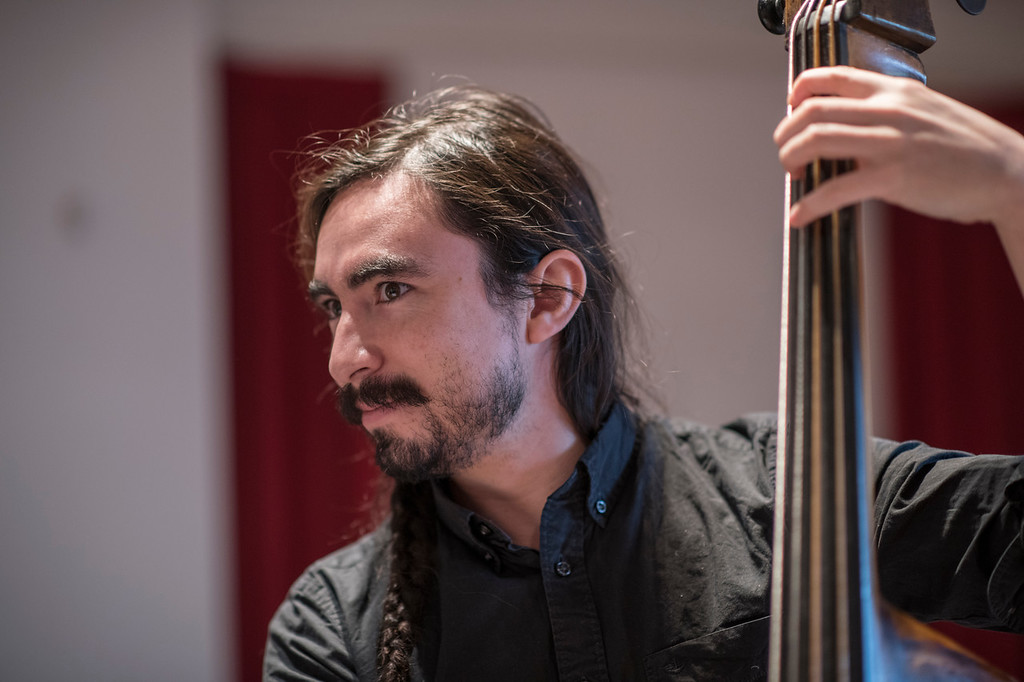
People of Theresia come from many places in the world: double bass player Lino Mendoza, 31 years old, came to study in Europe from Mexico. Let’s know something more about this musician, his past and his wishes for the future.

Lino, when did you start to study music and decide to be a double-bass player?

“As a child I didn’t have a musical education. Around 15 years old, my brother and me started to have curiosity for music, so we started around that age. In particular,  I started to play the double bass when I was 16, so my childhood was not in a musical education environment. Both of my parents aren’t musicians or had any musical formation during their education; however, both of them are big musical lovers. At home in Mexico we listen music very often, and they were always making my brother, my sister and me interested in music and dancing. So I do not come from a family of musicians but from a very musical one.”

When did you move to Europe and why?

“I moved more than three years ago, in September 2015. I came to Bern to achieve a Master in Performance at the Hochschule der Künste with David Sinclair.”

When and how did you decide to perform on period instrument?

“Since I started with the double bass I’ve had a lot of curiosity for the instrument and its history: I find it very particular and attractive. Speaking of the period instrument performance, it looked to me like the natural result of that curiosity.”

You still perform modern repertoire, and also contemporary, as our readers can see here. How does it work? Do you have two instruments or do you “simply” change the bow? Is it natural for you to switch between them?

“Yes, I still play modern music. Repertoire for modern orchestra is amazing and challenging for the bass and, of course, playing it is a beautiful challenge. The modern bass had an incredible boom during the 20th century and luckily it is still alive in these times: there are a lot of fine examples of it and maybe the music of Stefano Scodanibbio is one of the most refined.

Regarding the period instrument performance, I’ve been more and more playing chamber and orchestra music with the Viennese violone, in general the one originally thought for this beautiful instrument; the experience is really overwhelming and I try to do it more and more often. With the double bass I use a set of gut strings and I experiment as much as possible with different period bows: I love this huge variety of options!”

When did you join Theresia? How many Theresia’s projects have you been involved in and how was the experience?

“I joined Theresia for the first time in November 2015, and by now I’ve been already involved in four projects. Theresia has a very particular way to bond between the members of the projects: since the beginning you can feel like you are part of a family.  The lovely thing is that every time you can experience the joy of meeting again your colleagues, the wonderful teachers and the people of the organization that make it possible.”

Do you see yourself as a student or as a professional?

“I like to see myself as a professional that will never stop learning, and that makes me a life long student.”

Do you think that Theresia is giving you the tools to improve your professional status?

“Yes, this kind of performance is an experience that is still hard to find somewhere else in general; working with the experts that conduct and guide the projects has been a vast resource of knowledge for me.”

Theresia has a very particular way to bond between the members of the projects: since the beginning you can feel like you are part of a family.

You are from Mexico and study in Europe: is it hard to manage your travels? How do you cope with flight rules?

“In general, inside Europe I travel by train for carrying my double bass; but I’ve just made two continental flights from Europe to Mexico and back with the instrument and it is very frightening. It’s always a mess to fly with a double bass but luckily my instrument has arrived always good.
Mexico is far, so sadly I don’t often go over there. But I hope with time I can start going back there more and more, hopefully also to make concerts.”

What do you like to do when you aren’t playing?

“I used to read a lot: now, I like to watch movies or just have a nice walk in the city, outside in the nature or visiting a nice museum. I also enjoy eating, so whenever I have time I like to cook, even when I have any background in the matter.”

Where do you see yourself in five years?

“Five years ago I could not imagine myself doing what I’m doing now so it’s a very hard question. Maybe it is better for me to think that I trust in music and wherever it takes me I’m going to be fine with it and my double bass.”

Meet Theresia: Sophie Simpson

By Emilia Campagna - February 6, 2019
"I like working with Theresia because I have met some wonderful musicians with whom I have so much in common, and who inspire me to think and play in different ways. Above all, I have made some great new friends who I hope to remain in contact with forever. Working regularly with the same group of musicians from all over the world is an opportunity I haven’t had through any other ensemble."

Did you know that the musicians involved in 2018-2019 Theresia’s project are 44, coming from 16 different countries? Fourteen of them are from Italy and eight from Spain, but then we have guys from USA, New Zealand, Switzerland, Russia…

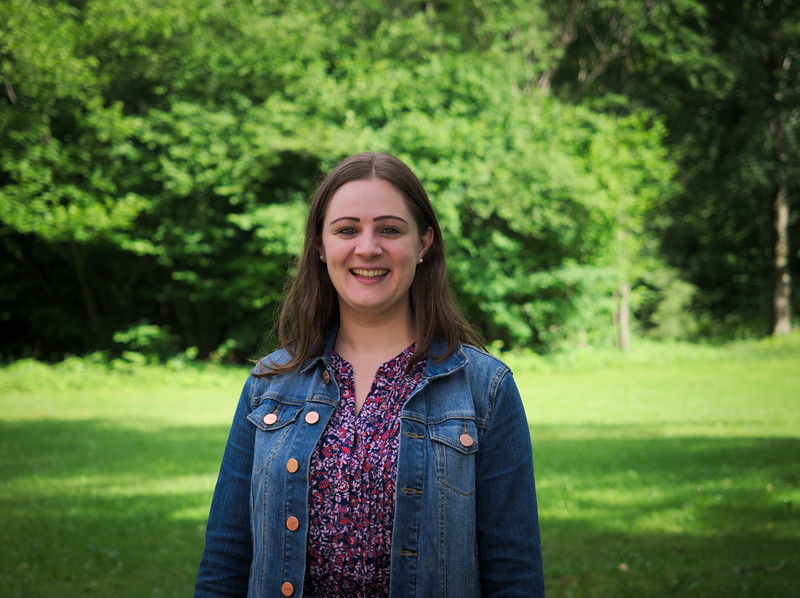
In the “Meet Theresia” posts we introduce them to you: this is Sophie Simpson‘s time. Sophie is a 25 years old violinist from England and has joined Theresia in 2018.

Sophie, tell us about your background studies and your actual activity as a musician.

“I started learning violin at the age of 6 and I loved it straight away. For many years I had lessons and participated in ensembles at my local music centre on Saturdays. When I was 16 I went to a specialist music school called Wells Cathedral School, where I was able to focus on music alongside my academic studies. After that I went to the University of York to study music, which is where my love of historical performance on period instruments began, before completing my Masters degree in modern violin at the Royal Northern College of Music in Manchester. Since graduating I have been teaching violin and freelancing as a violinist; last year I was a member of the Orchestra of the Age of Enlightenment Experience Scheme and this year I will be a member of the Southbank Sinfonia, based in London. I have also been busy setting up my own new period instrument ensemble: Manchester Baroque. I also enjoy choral singing and hope to set up a choir for instrumentalists soon.”

How did you know about Theresia and when did you join it?

“I heard about Theresia through a friend who had participated previously, and I joined in January 2018.”

What do you like about Theresia project?

“I like working with Theresia because I have met some wonderful musicians with whom I have so much in common, and who inspire me to think and play in different ways. Above all, I have made some great new friends who I hope to remain in contact with forever. Working regularly with the same group of musicians from all over the world is an opportunity I haven’t had through any other ensemble.”

You have worked with Claudio Astronio as a conductor and with Chiara Banchini and Roel Dieltiens as tutors: what have you learned from each of them?

“I have enjoyed working with all the tutors, they each have different advice and experiences to offer. Chiara is so thorough in her approach to rehearsing, Roel encouraged me to always give more of myself in my playing, and Claudio really got the best out of us in an orchestral setting.”

What do you like to do when you are not playing?

“When I’m not playing the violin, I like to bake, watch films, play netball (a popular sport in the UK), and learn French (and Theresia has inspired me also to try learning Italian!)”

Where do you see yourself in five years?

“In five years I would like to be a successful violinist, performing regularly in orchestras and chamber groups. I would like to have a good balance between teaching and playing violin.”

I like working with Theresia because I have met some wonderful musicians with whom I have so much in common, and who inspire me to think and play in different ways.

When it comes to violin players, which are your models? And what about ensembles/orchestras? Which ones do you like more?

“I have never really had one favourite violinist, I try to draw inspiration from musicians around me, so I always look for opportunities to surround myself with musicians I respect and admire. I love watching ensembles where the performers communicate well with each other on stage, and where there is a feeling of chamber music, of inclusivity, even in the biggest symphony orchestras. As a teenager, I always loved watching the Simon Bolivar Orchestra because the players always had so much energy and looked like they were having fun.”

Meet Theresia: Martyna Jankowska

By Emilia Campagna - January 30, 2019
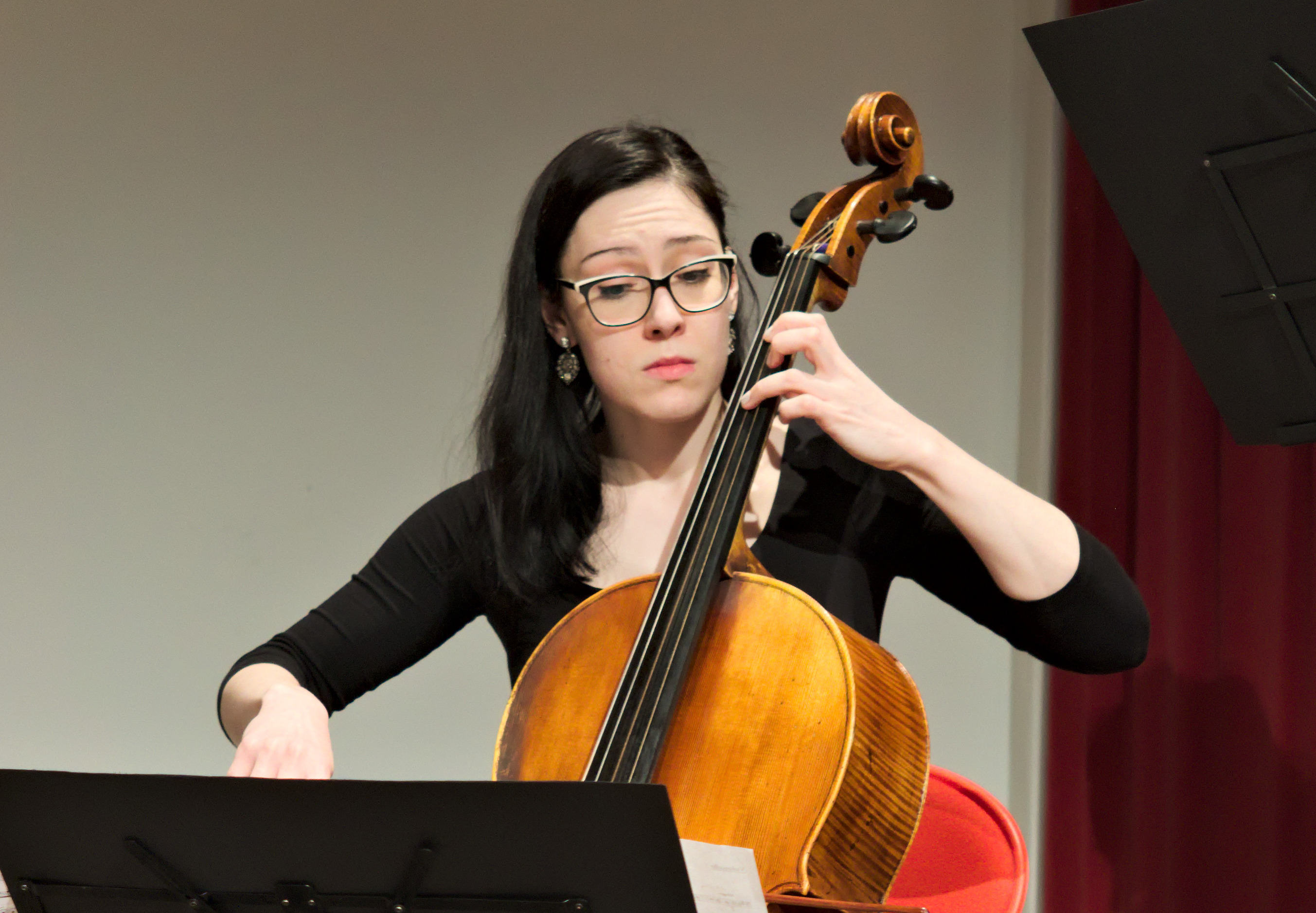
Incontriamo la violoncellista polacca Martyna Jankowska che ci racconta passato, presente e futuro della sua passione per la musica

“Da piccola volevano che suonassi il violino: ma a me non piaceva stare ferma in piedi, e allora suonavo camminando, in giro per la casa. Credo che abbia fatto molto bene alla mia capacità di memorizzare la musica, perché ovviamente non potevo portare con me lo spartito!” Martyna Jankowska, polacca, ha iniziato la sua formazione di musicista così, camminando: si è fermata presto, quando la sua famiglia ha capito che in quella bambina vivace si nascondeva una violoncellista di talento: “Il violoncello mi piaceva di più, e non solo perché si suona stando seduti! Mi piaceva il suo suono, il modo di tenerlo… e poi anche mia mamma è una violoncellista, e lo sono anche mia nonna e mia zia: vedevo gli allievi di mia madre, che suonavano, facevano concorsi, erano sempre in piena attività, mentre io col violino facevo poco. Così, un po’ perché ferma col violino in mano non ci volevo proprio stare, un po’ perché invidiavo quei violoncellisti, a 9 anni ho chiesto e ottenuto di studiare violoncello con mia madre.”
In famiglia, la musica è una cosa naturale, e Martyna ha la fortuna di crescere circondata dai suoni più diversi: “Mio papà è un fisarmonicista, mia sorella ha studiato violino e suona jazz: in famiglia rappresentiamo davvero tanti generi musicali.”

L’incontro con la musica barocca avviene piuttosto presto: “C’erano questi due amici, due gemelli che studiavano come me musica, violino e clavicembalo: abitavamo vicino e decidemmo di mettere su un trio. Il fatto che ci fosse il clavicembalo ci ha costretto subito a confrontarci con un repertorio tardo barocco e classico non così consueto. In più, anche se durante gli anni della scuola superiore studiavo naturalmente voloncello moderno, il mio insegnante era anche uno specialista di barocco, e mi ha insegnato molte cose e permesso di conoscere l’approccio storico al repertorio.”
Come tanti giovani, negli anni dell’adolescenza Martyna non aveva ancora scelto la musica in maniera esclusiva: e dopo il Liceo avrebbe voluto fare medicina. E’ stato il periodo di preparazione all’Università, in realtà, a farle scegliere di continuare professionalmente con il violoncello.

E adesso? “Vorrei spostarmi a Londra e continuare lì il mio perfezionamento: lo scorso Dicembre ho superato l’esame di ammissione alla Royal Academy di Londra per un corso post-diploma, che dovrei iniziare il prossimo Settembre. In questo momento sto raccogliendo i fondi per trasferirmi.”

Perchè è così importante per te spostarti a Londra? “In questo momento vivo a Poznań, in Polonia, e posso dire di avere una buona situazione in relazione a quello che offre la città. A Londra però potrei misurarmi con dei professionisti e continuare a imparare e migliorare: in questi ultimi anni sono stata l’insegnante di me stessa, adesso ho l’esigenza di confrontarmi di nuovo con dei Maestri.”

E’ molto bello potersi confrontare con insegnanti diversi, lavorare con loro su diversi livelli

Parlaci della tua esperienza con Theresia: “Fino all’anno scorso avevo preso parte ad alcuni progetti orchestrali dedicati a giovani musicisti, come “OAE Experience” ed “European Union Baroque Orchestra”, poi sono entrata in Theresia Youth Orchestra e da poco nell’Accademia Montis Regalis. Credo che ognuno di questi progetti sia molto interessante e dia l’opportunità di maturare esperienze importanti, dando la possibilità di lavorare con i migliori musicisti. Si può imparare davvero moltissimo. Tra i progetti che ho citato, credo che Theresia sia davvero speciale, perchè accanto ai programmi orchestrali offre anche le accademie cameristiche.”

Cosa danno in più le accademie da camera? “Per me sono molto importanti, perchè danno la possibilità di lavorare in gruppi da camera con strumenti orginali su repertorio del periodo classico, mentre nel mio percorso di studi mi sono trovata a suonare più musica barocca. E poi in queste accademie è possibile lavorare individualmente con i tutor, un grande vantaggio.”

A proposito di tutor e direttori, cosa hai imparato da quelli che hai incontrato in Theresia? “Ho lavorato con quattro tutor o direttori, e è dura dire con chi mi sono trovata meglio: ciascuno di loro ha la propria personalità e le proprie idee, e da tutti ho imparato moltissimo, per esempio come collaborare al meglio con i miei colleghi in orchestra e nei gruppi da camera, così come aspetti tecnici del mio strumento. E’ molto bello potersi confrontare con insegnanti diversi, lavorare con loro su diversi livelli: con Claudio Astronio si è approfondito soprattutto il livello del suonare in orchestra, con Chiara Banchini anche gli aspetti cameristici, e con Roel Dieltiens e Gaetano Nasillo, oltre alla concertazione in gruppi da camera, alcuni aspetti specifici del mio strumento: devo dire che sono stata particolarmente felice che tra i tutor ci siano stati due grandi violoncellisti come loro.”

Accendi la TV, c’è Zoroastro.
Torna il film concerto con Theresia che suona Rameau

By Emilia Campagna - January 22, 2019
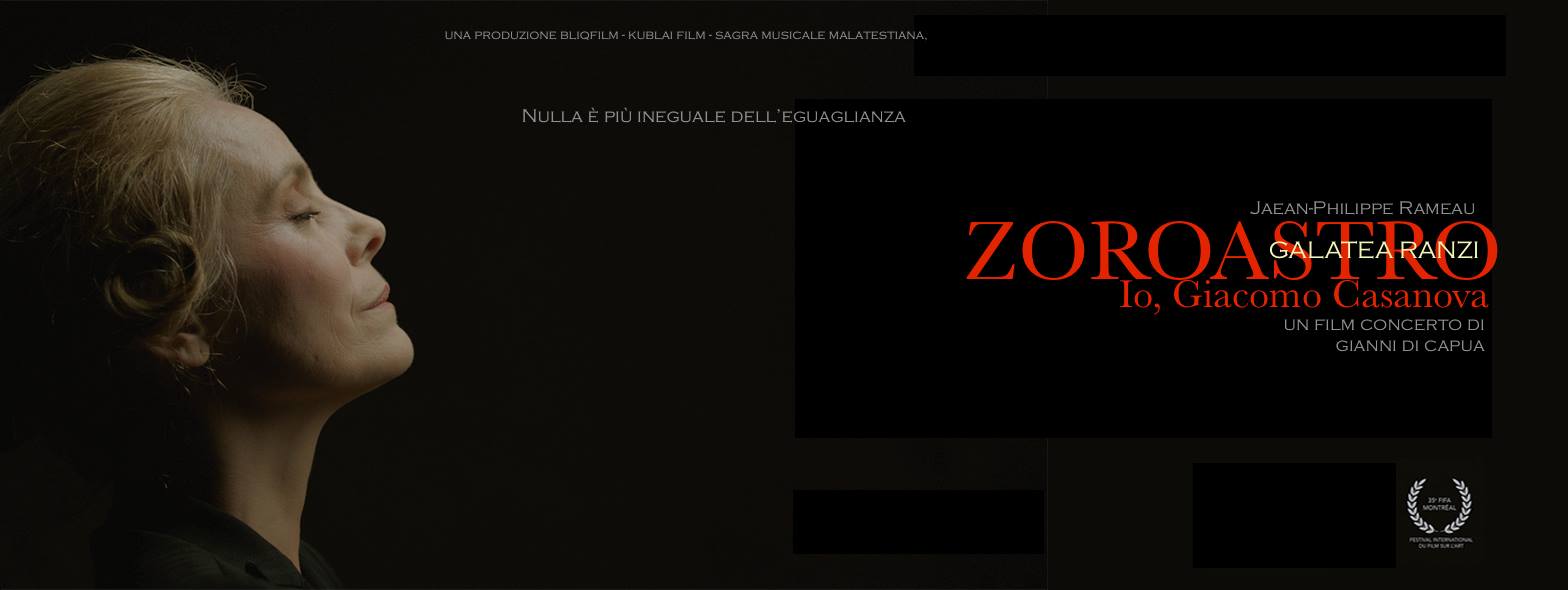
Una serata dedicata al regista Gianni Di Capua è l'occasione per rivedere il film concerto "Zoroasto. Io Casanova", in cui Theresia suona Rameau diretta da Claudio Astronio

Rai 5 dedica una serata a Gianni Di Capua, regista recentemente scomparso autore di “Zoroastro. Io, Giacomo Casanova”, il film concerto di cui è protagonista Theresia Youth Orchestra. La realizzazione del film ha avuto luogo nell’Ottobre 2017 durante due concerti tenuti al Teatro Galli di Rimini nell’ambito della Sagra Malatestiana. Come allora spiegò il regista Gianni Di Capua, si è trattato di “un progetto transmediale” che metteva in relazione modalità diverse di espressione e ricezione: “Oggi il pubblico può accedere ai contenuti mediante una serie di dispositivi e in modalità fluttuante. La Televisione e la sala da concerto, estremizzando il ragionamento, sono due di questi dispositivi. Il concerto è una delle diverse “ narrazioni” del nostro Zoroastro, le altre saranno poi accessibili, in televisione, al cinema, in DVD, al cellulare, al PC eccetera.”
Theresia Youth Orchestra partecipò alla produzione del film concerto fin da subito: a Claudio Astronio, direttore dell’ensemble strumentale, si deve anche la selezione delle musiche tratte dallo Zoroastro di Rameau e che hanno visto come voci soliste Andrés Montilla-Acurero, Martina Tardi e Olivier Dejean.

Voce narrante della pellicola era l’attrice Galatea Ranzi: a lei il compito di dare voce al testo di Giacomo Casanova, traduttore dell’originale libretto dell’opera scritto da Cahusac, in un complesso gioco di specchi che lega Rameau a Casanova e Casanova a Zoroastro.

Il film concerto è stato proiettato in questi anni in numerose sale cinematografiche ed ha partecipato a progetti internazionali: la serata di Rai 5 in programma giovedì 24 gennaio proporrà, uno di seguito all’altro, i due film concerto di Gianni Di Capua “Zoroastro” e “Richard Wagner. Diario veneziano della sinfonia ritrovata.”

La vita avventurosa di Giuseppe Cambini

By Emilia Campagna - January 17, 2019
Scrisse una serie di Quartetti apprezzati da Mozart e fu protagonista della vita musicale a Parigi: ma cosa sappiamo davvero di Giuseppe Maria Cambini?

Suonare in un’orchestra dedicata all’esecuzione di musiche del Classicismo su strumenti originali significa entrare in profondità nel repertorio ma anche nello spirito di un’epoca, ed entrare in contatto con storie, oltre che con musiche, che altrimenti difficilmente si incontrano.

E’ il caso di Giuseppe Maria Cambini, di cui sabato 19 gennaio verrà suonato il Quartetto con Flauto nel concerto che chiude la prima Accademia di Theresia del 2019.

Di Giuseppe Maria Cambini si hanno notizie lacunose: nacque a Livorno, forse nel 1746, ma vi è un’unica fonte che riporta questa data. Grazie ai suoi stessi racconti, pieni però di contraddizioni, e alla biografia che ne tracciò François Joseph Fétis si è cercato di ricostruire la giovinezza: violinista e compositore, studiò per un periodo con Padre Giovanni Maria Martini e debuttò con una sua opera a Napoli nel 1766, ma in quell’occasione venne rapito dai pirati e liberato da un nobile veneziano. La cronaca di questa esperienza è però molto simile a un racconto pubblicato su una rivista di quegli anni, cosa che ne incrina la credibilità.

In un suo scritto sulla Allgemeine musikalische Zeitung del 1804, Cambini dice di aver suonato, per sei mesi nel 1767, la viola in un quartetto d’archi formato con Luigi Boccherini, Pietro Nardini e il suo maestro Manfredi. Se quello che dice è vero, questo quartetto rappresenterebbe la prima formazione di tal genere apparsa almeno in Italia, se non in tutta Europa.

Le prime notizie certe e documentate sulla sua attività risalgono comunque agli anni ’70 del ‘700, quando Cambini si trasferì a Parigi dove visse vent’anni: lì divenne uno dei protagonisti della vita musicale, componendo una serie di Sinfonie Concertanti e soprattutto Quartetti apprezzati dai contemporanei, tra cui Mozart, e rappresentando uno stile galante affascinante e brillante.

Durante i turbolenti anni della Rivoluzione Francese Cambini diresse alcuni teatri, tra cui il Teatro Baujolais, ma nel 1794 una grossa crisi economica lo costrinse a cercare le più diverse occasioni di lavoro, scrivendo inni per la neonata Repubblica, redigendo trascrizioni, impartendo lezioni private. Nei primi anni dell’Ottocento le sue tracce si perdono nuovamente: gli ultimi anni della sua vita sono avvolti dal mistero, e non si sa precisamente dove e quando morì.

Il suo repertorio, che spazia dalla musica da camera all’opera, è oggetto di una recente riscoperta: in particolare i quartetti con flauto sono esempi del suo stile accurato. I musicisti di Theresia ci permetteranno di ascoltare una pagina di questo compositore nel concerto in programma sabato 19 gennaio alle 16 presso la Sala Rivolta del Teatro alle Vigne d Lodi: vi aspettiamo!

Il programma

Giuseppe Cambini
Quartetto in Re maggiore

Samuel Casale (Italia) – flauto
Gemma Longoni (Italia) – violino
Alaia Ferran (Spagna) – viola
Bartolomeo Dandolo Marchesi (Italia) – violoncello


Joseph Martin Kraus
Quintetto per flauto e archi

Eva Ivanova-Dyatlova (Russia) – flauto
Abel Balazs (Portogallo) – violino
Gabriele Toscani (Italia) – violino
Ania Wieczorek (Polonia) – viola
Martyna Jankowska (Polonia) – violoncello
Lino Mendoza (Messico) – contrabbasso


Luigi Boccherini
Quintetto G337

Gabriele Toscani (Italia) – violino
Sophie Simpson (UK) – violno
Elena Gelmi (Italia) – viola
Giulia Gillio Gianetta (Italia) – violoncello
Lino Mendoza (Messico) – contrabbasso