3D printing and its role in historical instrument copies

By admin - September 19, 2024
Have you ever considered 3D printing, and how it can be used to make copies of historical instruments?
‍

Article by Isobel Howard-Cordone

3D printing has become more and more significant over the last few years; it is an invaluable asset in many scientific fields, which can also be applied to various musical endeavours, such as creating copies of historical instruments. I’d like to share my experience with creating 3D copies, and explain why I think it is very a relevant and fascinating topic!

Creating historical copies with 3D printing requires a lot of knowledge, because many factors must be considered in order to be successful: the materials, the 3D template, the type of printing, and of course the original model on which to base the copy. Having an accurate and detailed source (where possible) is essential for a successful replica; in this respect, museums often have technical drawings available, or otherwise they can be visited in person to get direct measurements of the instruments. It’s always a good idea to choose an instrument where ample details are available in order to make the 3D modelling process easier, to avoid guesswork and to reduce possible errors!

While all instruments have the potential to be reproduced by 3D printing technology, each instrument has its own complexity and acoustic construction that needs to be studied carefully. My journey with 3D-printed instruments began when I started learning the baroque oboe and happened to meet instrument makers who used this new technology.

3D copy of a taille d’hautbois, made by F. Xiccato.

Traditionally, instruments such as strings, woodwinds, and keyboards are made from wood, which is an extremely complex and dynamic organic material. Wood is usually characterised as being anisotropic, meaning that its properties differ based on the direction of its fibres. It is also a highly porous material and absorbs humidity very well. So, what modern materials could be used faithfully replicate a wooden instrument from the 1700s?

Most 3D printers use polymers, or plastics – a category of materials exhibiting a vast range of diverse properties. The material choice is limited by several factors: cost, toxicity, availability, as well as compatibility with various methods of 3D printing. Certain polymers are ideal candidates for this purpose as they have properties which closely imitate wood, with one of the most common being Nylon (Polyamide). It has the advantages of being lightweight, hygroscopic and has excellent resistance; it’s also very compatible with 3D printers.

Next comes one of the most important step: creating a 3D template. Doing so requires both technical knowledge and proficiency in various computer programs, and it certainly helps to have also an understanding of the fundamentals of acoustics. This step involves using the available instrument measurements, making estimates, and translating this information to machine readable models.

Once the template is ready to print, it’s necessary to consider which 3D printing method may be the most suitable for the project. And here it is often a process of trial and error – a successful replica may require many further reviews and attempts before arriving at a satisfactory result.

So how do 3D instruments contribute to the musical landscape? Most importantly, they enable us to make copies of existing historical instruments and give us the chance to physically play them! This is very exciting if combined with a musical context from that period. As a musician specialised in early music, I’ve often been surprised (both positively and negatively) by how the copies sounded and the comparison with results from modern instruments. Being able to examine and analyse an instrument on such a practical level can give incredible insight into historical performance practises.

Another advantage is the great flexibility allowed by 3D printing. Once the 3D template is made, it can be easily scaled, adjusted and modified, something which would be very difficult to do with traditional instruments. This gives the freedom to further explore and improve the instrument, as well as experiment on a practical level (for example, changing the diapason by scaling the dimensions).

Drawing with measurements of an oboe top joint, from the Bate Collection, Oxford.

Last but not least, 3D printing offers advantages in terms of reduction of time and cost. Once a template is finalised, several instruments can be made, resulting in a very cost-effective process. The materials used are cheaper and more accessible compared to the wood of a traditional instrument. This is an extremely important element to consider, especially when dealing with types of wood that are protected or very difficult to obtain.

In my opinion, the technique of 3D printing should never be considered as a competitor or replacement for traditional instrument construction – instead it can be thought of as a powerful tool to enable us to increase our knowledge on historical instruments and experiment without interfering with the original models. I believe this is an area which has a lot of room for growth and development, and I hope to see exciting new projects emerge!
Help Concerto Theresia record rediscovered music by Elia Vannini

By admin - September 10, 2024
Concerto Theresia, our alumni orchestra, is embarking on a mission to bring the beautiful yet forgotten music of Elia Vannini back to life. Vannini, born in Medicina in 1644 and a celebrated chapel master at Ravenna Cathedral, composed works that have sadly faded into obscurity.
‍

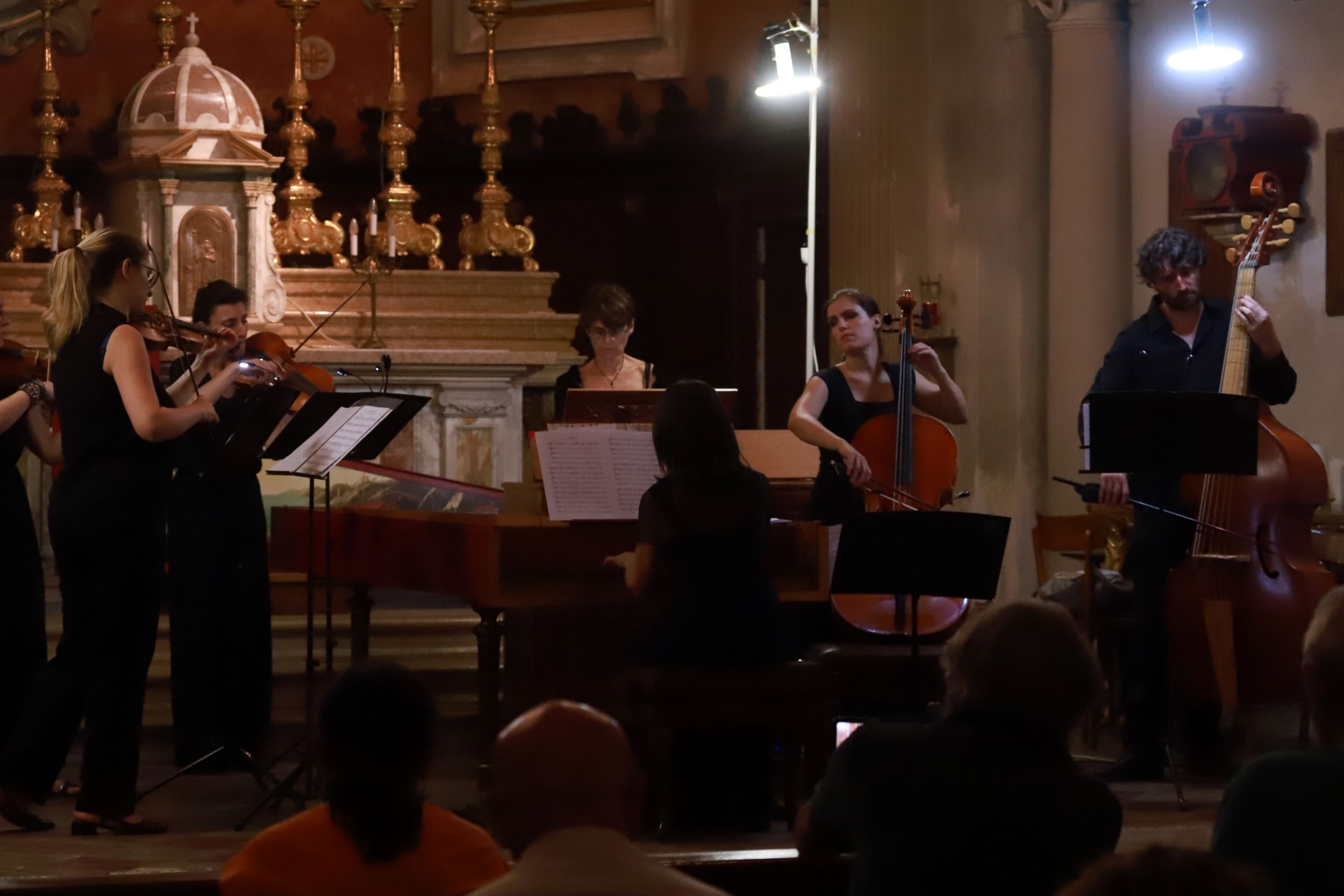
The Ravenna-based music association Collegium Musicum Classense is set to record Vannini’s sonatas for strings with the talented musicians of Concerto Theresia including Valentina Russo, Francesca Camagni, Giulia Gillio Giannetta, Federico Bagnasco, and Theresia’s own concertmaster Gemma Longoni. These works were revived by the same player in a performance at Bagnocavallo in Italy in the context of the annual festival ‘i Luoghi dello Spirito e del Tempo’ in the autumn of 2022.

A crowdfunding campaign has now been launched to support these artists and cover the production costs for the recording sessions planned for November, as well as a promotional video for the album’s release, due in Spring 2025.

Find out how you can help revive Vannini’s music from the archives of Ravenna and be part of this remarkable project!
Support Carta canta…e suona! by contributing to their campaign before the 21st of September.

Welcoming new players after successful auditions at Teatro alla Scala in Milan

By admin - July 29, 2024
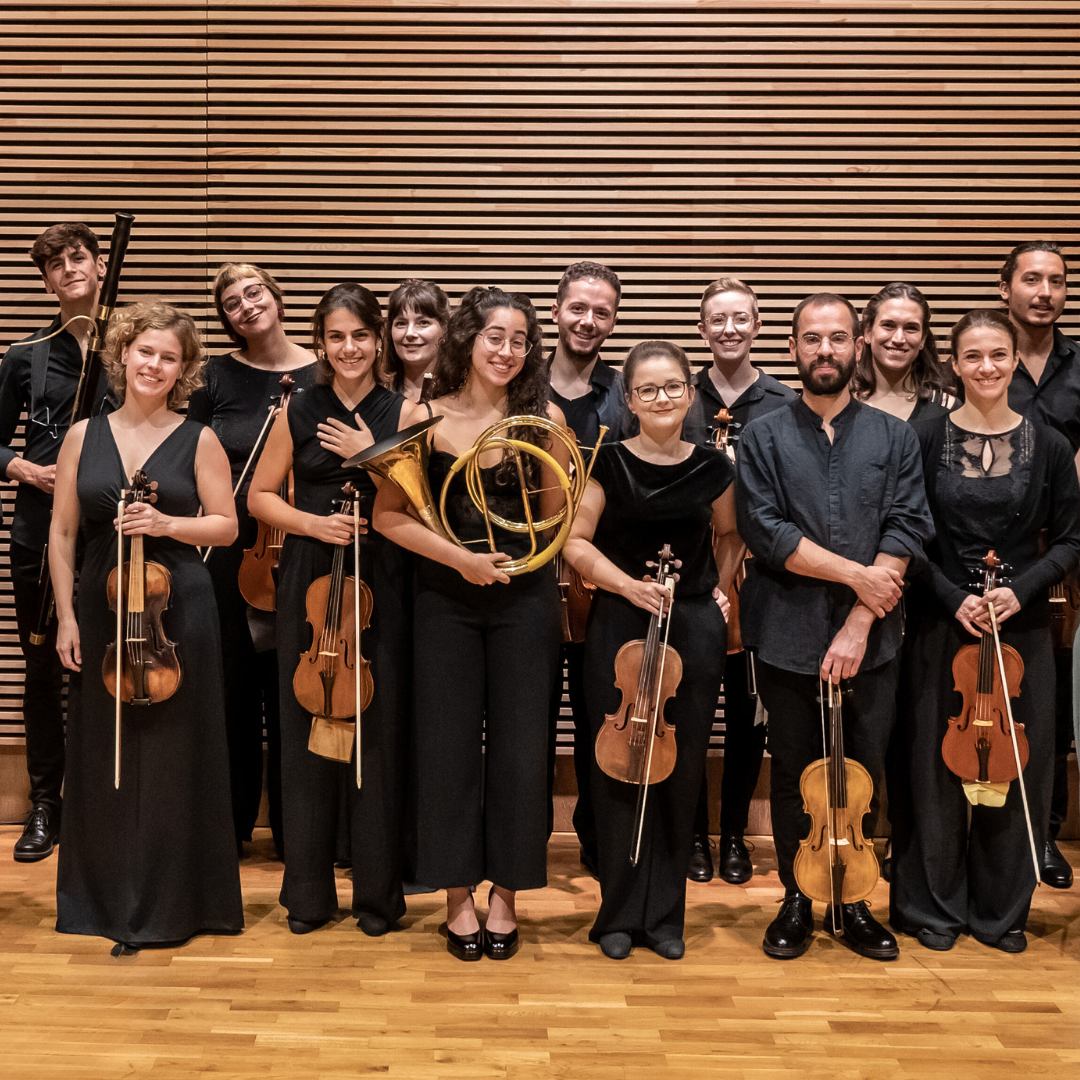
Following auditions held on 8 June in Milan, Italy, Theresia is very pleased to announce the addition of three new players to our orchestra.
‍

These early-career period instrument players will be joining Theresia:

  • Bernadetta Wieczerzyńska, cellist from Poland, studying at the Paderewski Academy of Music in Poznan
  • Márton Kóródi, horn player from Hungary, graduate from the Royal Conservatory of Music The Hague
  • Phyllis Breit, oboist from Austria, studying at the Music and Arts Private University of Vienna (MUK)

We look very much forward to welcoming the new members for their first project with Theresia: some of them will participate in our upcoming Mozart residency this October in Nova Gorica, the 2025 European Culture Capital, while others will join us in the next year.

A special thanks to oboist Alfredo Bernardini and violinist Gemma Longoni for their valuable contributions as part of the selection panel. Alongside our artistic director Mario Martinoli, they guided an extensive chamber music workshop in which all invited candidates participated to explore several works of some of the most significant composers of the Classical era. Compositions by Beethoven, Haydn, Carl Stamtiz, Massonneau and Mozart were at the center of the musical workshop of Theresia’s auditions.

A warm welcome to Bernadetta, Márton, and Phyllis: we can’t wait for you to join our ranks!

Theresia at European Mozart Ways Assembly

By admin - July 5, 2024
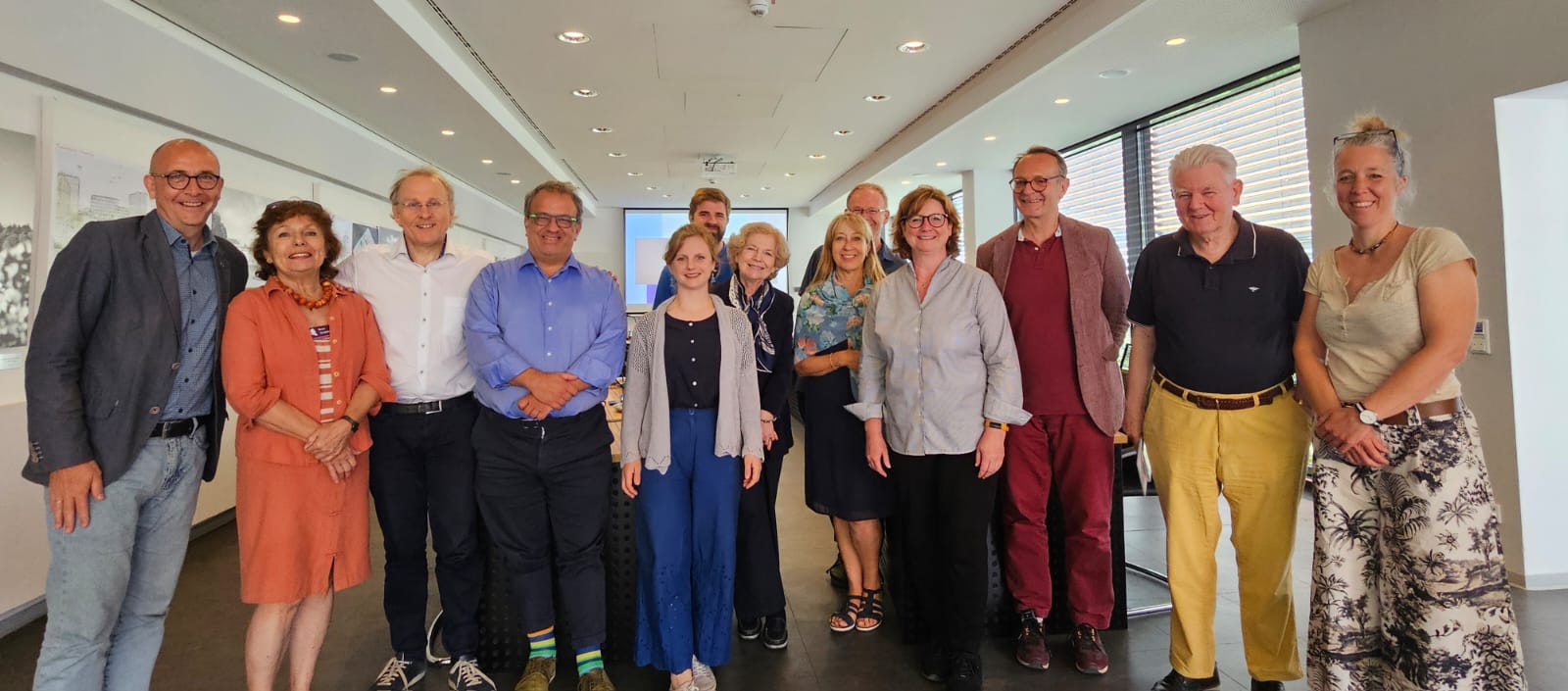
On 28 and 29 June, we participated in the annual assembly of European Mozart Ways, a Cultural Route recognised by the Council of Europe, held in the German town of Schwetzingen.
‍

This network connects the various cities Mozart visited during his life. Theresia Orchestra’s Artistic Director, Mario Martinoli, and Artistic Secretary, Susanna Bucher, presented the orchestra and our upcoming activities to representatives from many Mozart-connected cities and institutions, including Augsburg, Offenbach, Kirchheimbolanden, Villa Musica Mainz, and the Mozarteum University in Salzburg. They also presented Fondazione ICONS and its unique philanthropic activities supporting early-career musicians in historically informed performance practice, in addition to its large-scale research projects in science communication and business innovation.

The European Mozart Ways are an international network connecting cities, regions and institutions in the 10 European countries visited by Mozart during his travels. Since 2004, the European Mozart Routes have been a Cultural Route of the Council of Europe, distinguished as the only one within the Cultural Routes Programme to focus on music and feature a musician as the central figure. The European Mozart Ways are treading a wonderfully creative, a peace- and socially integrative European path into the future, using the network of Mozart sites as inspiring source to find new ways to Mozart, fostering an authentic and vibrant relationship with the musical heritage of his time.

Theresia Orchestra is member of the European Mozartways since 2023.

Theresia wins REMA Business Innovator Award

By admin - June 6, 2024
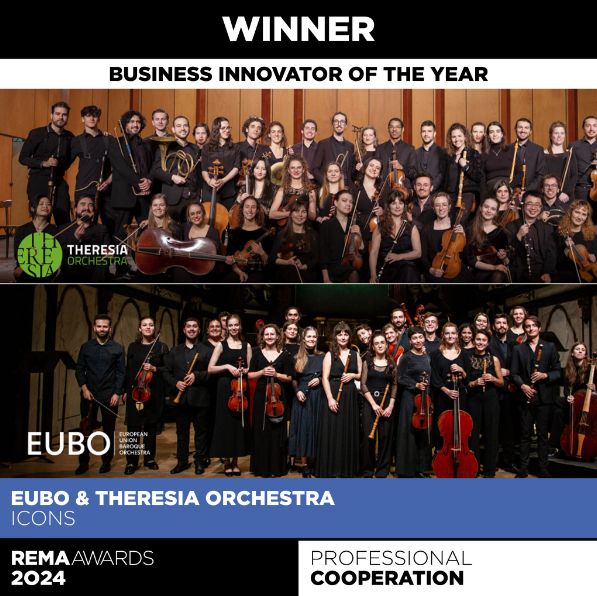
Theresia Orchestra has won the Business Innovator of the Year Award from the European Early Music Network (REMA). This prestigious award is a tremendous encouragement for our efforts in providing young talent with significant performance opportunities in the classical repertoire according to a Historically Informed Performance (HIP) approach.
‍

The award was given in the Professional Collaboration category, chosen by a jury of experts in the early music scene comprising of Stéphane Segreto-Aguilar of Circostrada Network, María del Ser Radio Clásica (rtve), and Jan de Winne of Passacaille Records. It was presented to our Artistic Programming Secretary, Susanna Bucher, at the annual General Assembly of REMA, which gathers early music professionals from across Europe and was held this year in Stockholm.

We are honoured to share this recognition with our artistic twin, the European Union Baroque Orchestra (EUBO), the other period instrument youth orchestra managed and supported by Fondazione ICONS.

Our special thanks go to ICONS for their firm support and philanthropic vision!

New round of auditions

By admin - May 2, 2024
Announcing Theresia Orchestra’s 2024 General Auditions! A new chance for musicians of period instruments who are at start of their career to gain valuable experience playing classical repertoire.
‍

We’re organising new auditions taking place at in Antwerp, Belgium, in collaboration with AMUZ, from July 8 to 10 2024. Open positions are available for all string sections, as well as oboe, bassoon, and horn players.

During the auditions, invited candidates will have the opportunity to showcase their skills through participatory chamber music workshops. Successful applicants will receive grants of €3,500 to participate in up to five projects starting this autumn.

This is a fantastic opportunity for young musicians eager to take their first steps into the professional world and expand their historically informed performance practice of the classical repertoire. Theresia Orchestra, co-funded by Creative Europe, offers a unique platform for growth and artistic development.

Applications are open until Monday 3 June 2024.
For full details, application guidelines and registration, head over to our auditions section.

Please, help spread the word and share this opportunity with any promising musicians.

“Le astuzie femminili” on disc

By admin - March 27, 2024
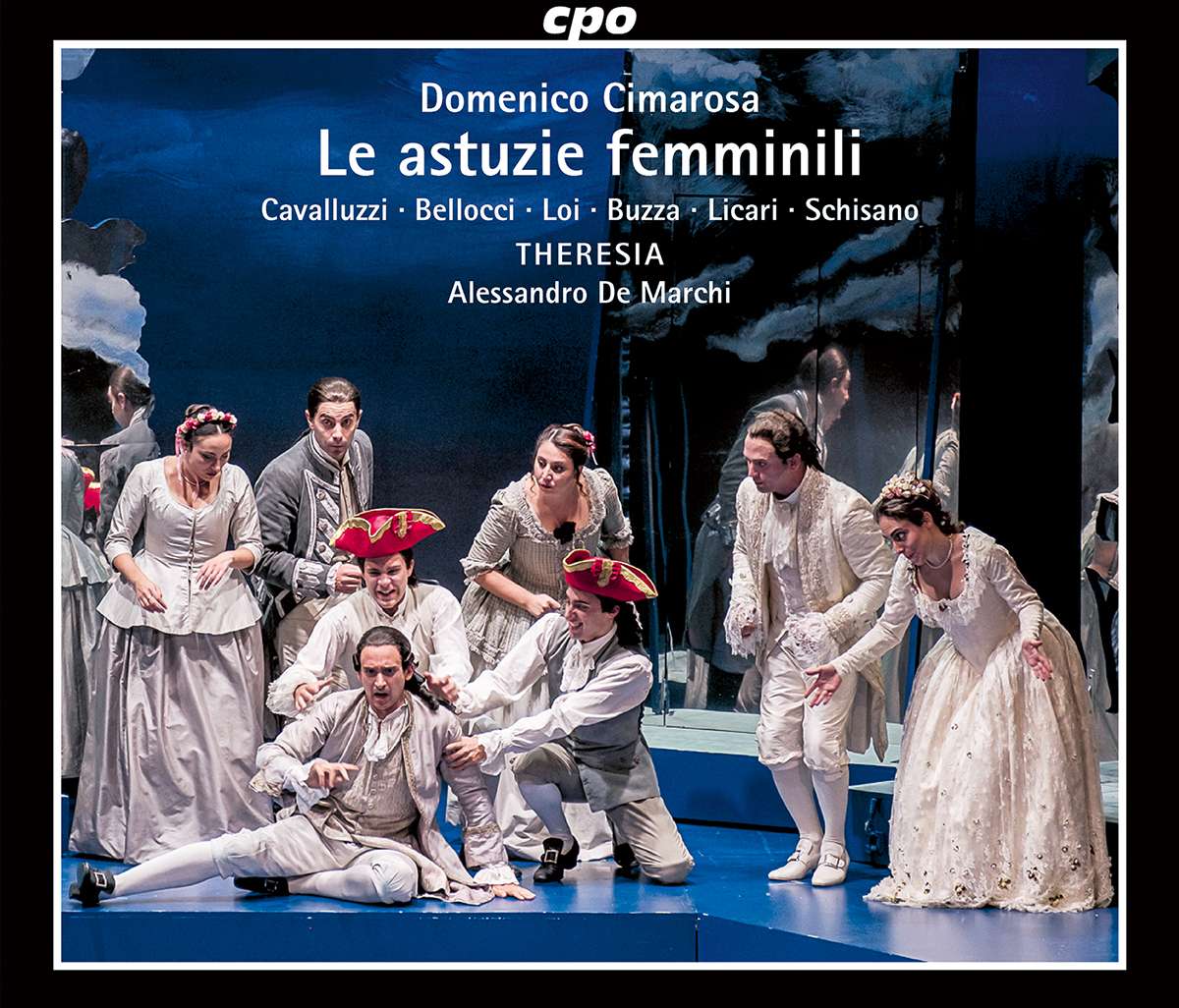
Our latest recording of Cimarosa's 'Le astuzie femminili' conducted at the 2022 Reate Festival by Alessandro De Marchi is out now on the CPO label.
‍

We’re proud to announce another addition to our recording catalogue: CPO has just released Domenico Cimarosa‘s Le astuzie femminili on CD following our acclaimed performances at the Reate Festival in 2022. Theresia Orchestra was conducted by Alessandro De Marchi and accompanied a talented ensemble of emerging singers including Eleonora Bellocci, Martina Licari, Rocco Cavalluzzi, Matteo Loi and Angela Schisano in a production by Cesare Scarton.

This album represents the first modern recording of this two-act opera buffa on period instruments and is the third album as part of our ongoing partnership with CPO.
Another rarely-performed opera on disc!

The album is availabe for purchase and streaming.

HelloPlay: listen, store coins, support, get rewards!

By admin - October 5, 2016
Leggi l’articolo su HelloPlay in Italiano cliccando qui – Read this article in Italian by clicking here Our crowdfunding project #archetybo has been selected to be uploaded on the platform HelloPlay. Wow, great! But, you will ask, what does this actually mean? What is HelloPlay? And how does it work? What is Hello Play? HelloPlay is a platform that will […]
‍

Leggi l’articolo su HelloPlay in Italiano cliccando qui – Read this article in Italian by clicking here

Our crowdfunding project #archetybo has been selected to be uploaded on the platform HelloPlay. Wow, great! But, you will ask, what does this actually mean? What is HelloPlay? And how does it work?

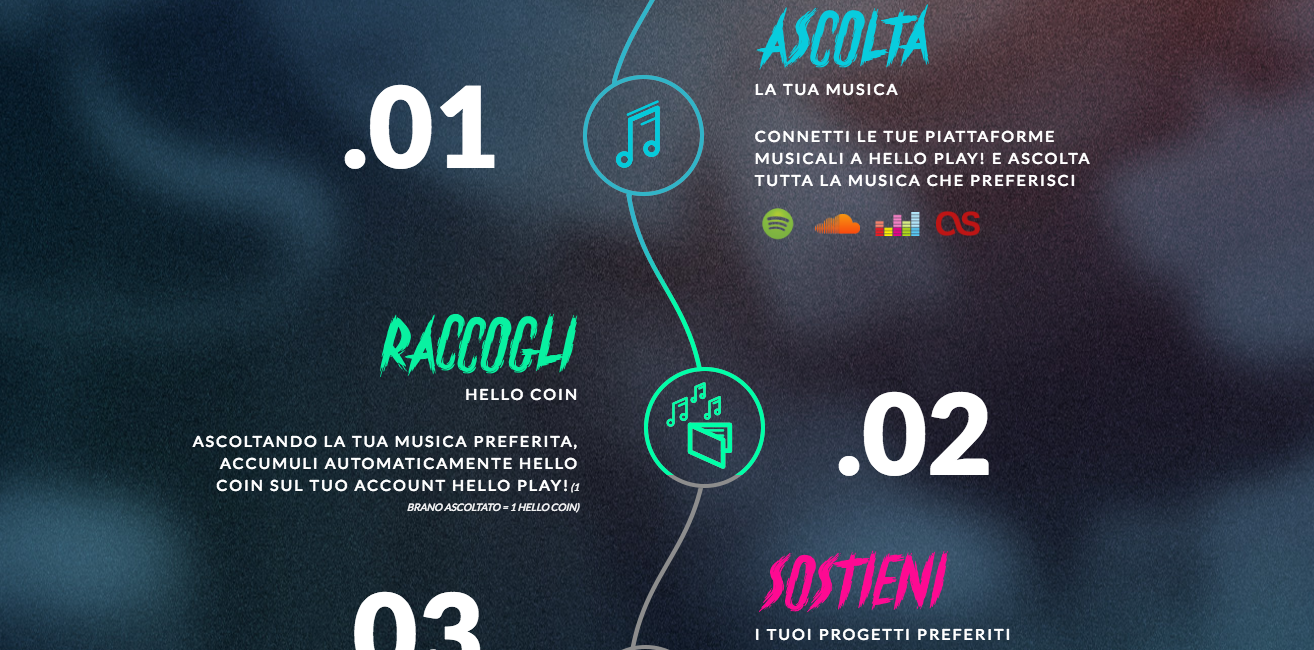
What is Hello Play? HelloPlay is a platform that will enable you to support our crowdfunding campaign without spending a single euro but simply by listening to music on Spotify, Deezer, Soundcloud or LastFM (online platforms to listen music in streaming for free).

How does it work? It’s very simple. You just have to create an account on HelloPlay and connect it with the accounts you usually stream music with (if you don’t have any you can create one in a few minutes). At this point, every time you listen to any track on a connected streaming platform you will obtain “coins”, a virtual currency that accumulates on your HelloPlay account (1 track = 1 HelloCoin). Once you have enough HelloCoins (minimum 50) you can decide to pour them on #archetybo (or to another among the projects active on the platform).
What will you get in return? A picture of our orchestra autographed by all the musicians and a special thank you.
What are you waiting for? Create your account (by clicking here) and start listening to music!

We selected three playlists for you. We hope you will like them, enjoy the listening!

Below you will find a short tutorial that will help you step by step to create an account.

STEP 1
Go to https://www.helloplay.it/ and click on the red button in the upper right “iscriviti” (“subscribe”).

A screenshot will appear in which you will be asked to subscribe. You have two options:
– subscription with Facebook (the website will take your contact informations from the social network);
– subscription with email;
In both cases you will have to create a password.
helloplay tutorial

 
STEP 2 – Connect the streaming accounts
Now that you have created your profile on HelloPlay you have to connect the accounts you use to stream music. After completing the subscription you should have been automatically redirected to your dashboard. If that wouldn’t be the casse, click on the red rectangle on the right of the menu bar (if you just created your account there should be written 30 HelloCoins – the coins you received by opening the account).

In the dashboard, on the grey bar on the right, you can administrate the platforms. Under the words “aggiungere nuove piattaforme” (connect new platforms) you will see the platforms not yet connected to your account (in our case Spotify and LastFM). By selecting the platform(s) you wish to connect you will be asked to authenticate yourself: insert the email and the password you use to log in to the streaming platform or create a new account.

helloplay dashboard
STEP 3 – Listen to music on Soundcloud/Deezer/Spotify/LastFM
Now you just have to listen to a lot of music! We selected for you 3 playlist, we hope you will like them 🙂

STEP 4 – Donate HelloCoins to #archetybo
Once you have earned enough HelloCoins (minimum 50) go the #archetybo project page on HelloPlay (at this link). From the grey bar on the right click on the red box “sostieni il progetto” (support the project) and the work is done! You will get in return a picture of the orchestra with the autographs of the musicians and our special Thank You!

Schermata 2016-10-05 alle 13.43.13

HelloPlay: ascolta, accumula, sostieni, ricevi!

By admin - October 5, 2016
[Read the article on HelloPlay in English by clicking here – Leggi l’articolo in Inglese cliccando qui] Il nostro progetto di crowdfunding è stato selezionato per essere inserito sulla piattaforma HelloPlay. Wow, direte, congratulazioni! Ma cosa significa? Che cos’è HelloPlay? Come funziona? Che cos’è Hello Play? HelloPlay è una piattaforma che vi permette di contribuire alla nostra campagna di […]
‍

[Read the article on HelloPlay in English by clicking here – Leggi l’articolo in Inglese cliccando qui]

Il nostro progetto di crowdfunding è stato selezionato per essere inserito sulla piattaforma HelloPlay. Wow, direte, congratulazioni! Ma cosa significa? Che cos’è HelloPlay? Come funziona?

Che cos’è Hello Play? HelloPlay è una piattaforma che vi permette di contribuire alla nostra campagna di crowdfunding #archetybo senza spendere 1 euro ma semplicemente ascoltando musica su Spotify, Deezer, Soundcloud o LastFM (piattaforme per l’ascolto gratuito di musica in streaming).

Come? E’ molto semplice. Basta creare un account su HelloPlay e connetterlo con gli account che utilizzate per ascoltare la musica in streaming (se non ne avete crearne uno è questione di pochi minuti). A questo punto, ogni volta che voi ascolterete un brano qualsiasi su una delle piattaforme connesse otterrete dei “coins”, una moneta virtuale che si accumula sul vostro account HelloPlay (1 brano ascoltato = 1 HelloCoin). Una volta accumulati abbastanza HelloCoins (minimo 50) potrete decidere di versarli su #archetybo (o su un’altra delle campagne attive sulla piattaforma).

Cosa riceverete in cambio? Una nostra foto autografata da tutti i musicisti e un grazie speciale!

Cosa state aspettando? Create il vostro account (cliccando qui) e cominciate ad ascoltare musica!

Abbiamo selezionato per voi delle playlist su Spotify, Deezer, Soundcloud. Sperando che vi piacciano vi auguriamo buon ascolto!

Di seguito trovate un tutorial con la procedura di creazione dell’account passo per passo.

STEP 1

Andate su https://www.helloplay.it/ e cliccate sul pulsante in alto a destra “iscriviti”.

Vi comparirà una schermata in cui vi vengono offerte due opzioni:

– iscrizione tramite Facebook (il sito prenderà le vostre informazioni di contatto dal social network);
– iscrizione tramite indirizzo email;

In entrambi i casi dovrete creare una password.
helloplay tutorial


STEP 2 – Connettete gli account musicali

Adesso che avete creato il vostro profilo HelloPlay dovete connettere gli account che usate per ascoltare la musica in streaming. Dopo la registrazione dovreste già automaticamente essere nella vostra dashboard. Qualora non lo foste, dalla barra in alto del menu cliccate sul rettangolo rosso che si trova a destra (se avete appena aperto il profilo dovrebbe contenere la scritta 30 HelloCoins – sono i punti che avete ricevuto in regalo all’apertura dell’account).

Nella dashboard del vostro account, nella barra sulla destra, potete gestire le piattaforme. Sotto alla scritta “aggiungere nuove piattaforme” vedrete le piattaforme che ancora non sono collegate al vostro account (nel nostro caso Spotify e LastFM). Selezionando la piattaforma che desiderate collegare vi verrà chiesto di autenticarvi: inserite l’email e la password con cui vi siete registrati sulla piattaforma di streaming musicale oppure create un nuovo account.

helloplay dashboard

STEP 3 – Ascoltate musica su Soundcloud/Deezer/Spotify/LastFM

Ora ascoltate tanta musica!

Abbiamo selezionato per voi tre playlist, speriamo vi piacciano 🙂

Su Soundcloud: Bach – Harnoncourth 

Su Deezer: Luigi Boccherini: Fandango, Sinfonie & La Musica Notturna Di Madrid

Su Spotify: Kraus – Symphonies 

STEP 4 – Donate gli HelloCoins a #archetybo

Una volta che avrete accumulato abbastanza HelloCoins (minimo 50) trovate il progetto #archetybo su HelloPlay (a questo link). Dalla barra laterale di destra cliccate sul riquadro rosso “sostieni il progetto” e il gioco è fatto! Riceverete in cambio una foto dell’orchestra con le firme dei musicisti e il nostro Grazie!

Schermata 2016-10-05 alle 13.43.13

La Sagra Musicale Malatestiana

By admin - October 22, 2015
tra concerti sinfonici e progetti speciali
‍

Il progetto su Zoroastre, a cui ha preso parte la Theresia Youth Baroque Orchestra, si inserisce all’interno della programmazione della Sagra Musicale Malatestiana di Rimini, da anni un’ importante istituzione per quanto riguarda i concerti sinfonici e non solo. Abbiamo incontrato il Direttore Artistico della Sagra, Giampiero Piscaglia, che ci ha raccontato come si articola il festival e quali sono i progetti che ne fanno parte.

Quali sono le origini della Sagra Musicale Malatestiana?

Pensate che la Sagra Malatestiana nasce nel 1950. Nasce in una città come Rimini. Nasce ad opera dell’allora azienda di soggiorno che, proprio in quegli anni, faceva partire un modello di turismo di massa e che, contemporaneamente, faceva nascere un festival di musica cosiddetta classica. La Sagra nasce quattro anni dopo la Sagra Musicale Umbra, in quell’olimpo di festival di quegli anni che, bene o male, hanno fatto un pezzo della storia della musica in Italia. Da qui sono passati grandi direttori, grandi orchestre grandissimi solisti, tutti i più importanti d’Europa. Da allora ne ha fatta tanta di strada…

Come si articola la vostra programmazione?

Il nucleo centrale, diciamo la colonna vertebrale, sono ancora i grandi concerti sinfonici che si tengono in un auditorium da 1800 persone. 1800 paganti in una città piccola come Rimini sono un piccolo miracolo per quanto riguarda la musica sinfonica. Ma come tanti altri festival musicali, la Sagra ha poi articolato la propria programmazione, non una programmazione monotematica, non un fil rouge che dovrebbe artificiosamente, come succede in altri casi, tenere tutto insieme, con operazioni a posteriori che non hanno molto senso. Noi abbiamo preferito costruire dei nuclei tematici che punteggiano un percorso, un reticolo di percorsi lungo i quali il pubblico può incamminarsi. E alla fine di un festival come la Sagra Malatestiana non solo essersi un po’ divertito ma anche aver appreso qualcosa, perché il ruolo di un festival è anche quello di portare degli elementi di conoscenza. Io dico spesso: a volte partecipare ad un festival, e seguirlo tutto, vuol dire [frequentare] un anno di liceo classico, tanto i festival indagano, approfondiscono o un personaggio o un periodo storico.

Documentazione fotograficaCi racconti delle produzioni proprie della Sagra.
La Sagra si è, come tanti altri festival, articolata nella propria programmazione. Una di queste articolazioni, assieme a tante come la musica barocca, la nuova musica, la musica di confine, è rappresentata dalle produzioni. La Sagra da molti anni propone delle produzioni sue, cioè cose che nascono qui e che poi hanno seguito anche in altri festival, altri teatri. In modo particolare negli ultimi anni abbiamo consolidato un rapporto con Roma Europa Festival. In queste produzioni c’è un filone che riguarda le giovani, o anche affermate, compagnie teatrali di ricerca alle quali affidiamo una partitura musicale, che magari non era stata pensata per la scena. Siamo certi che questo esperimento di affidare la regia di partiture musicali al mondo della ricerca teatrale, che non ha mai frequentato la musica, che non conosce e non ha mai affrontato il pentagramma, nel corso degli anni produrrà delle sintesi estetiche e drammaturgiche assolutamente innovative di cui il mondo dell’opera e anche del teatro musicale, a volte ancora un po’ polveroso, ha bisogno. E questo è un filone.

Per voi è usuale intrecciare i linguaggi (musica, cinema, danza, architettura) come è avvenuto nella produzione su Zoroastre?

Quello di incrociare i linguaggi come è avvenuto e sta avvenendo in questa produzione di Zoroastre è un altro filone. Facciamo questo incrocio di linguaggi e cerchiamo di farlo non in maniera artificiosa. Oggi c’è una sorta di nuovo manierismo nell’affiancare i linguaggi, quasi non si vede più un quartetto d’archi senza che dietro ci sia un video, delle luci un po’ galeotte, dei movimenti di scena, qualche danzatore e tutto questo all’insegna di questa ricerca di effetti speciali più che di incrocio di linguaggi. Noi cerchiamo di farlo quando tutto questo ha una sua ragione di essere, non ho tempo qui per ricordare tutto quello che abbiamo fatto ma, in modo particolare, vorrei ricordare che abbiamo presentato a Rimini una Dante Symphonie che Liszt nel 1860 aveva pensato per essere presentata a Roma con una sorta di diorama. Liszt venne in Italia per rappresentare in anteprima questa sua Dante Symphonie, aveva commissionato a un pittore 27 quadri della Divina Commedia (che è l’argomento della Dante Symphonie) e voleva farne un diorama. Naturalmente non c’è riuscito. Noi siamo riusciti a rintracciare quei 27 quadri in una cantina di una nobildonna romana, ne abbiamo recuperati 7 e abbiamo a nostra volta costruito un diorama che scorreva sullo sfondo, proprio perché Liszt l’aveva pensato. E così abbiamo fatto a Dresda: anche lì abbiamo recuperato i vetrini di una lanterna magica che il compositore avrebbe voluto utilizzare per la stessa opera a Dresda, e l’abbiamo rappresentata. Anche in questo intreccio tra Casanova, Fellini, il cinema, l’architettura di questo nuovo spazio che abbiamo appena recuperato, un filo narrativo che mette insieme tutti questi linguaggi espressivi, c’è sembrato far parte dell’idea che noi abbiamo: produzioni che vogliamo fare, che nascono qui e che vanno anche in altri teatri.